























Table of Contents
Key Takeaways
Verdict: Proper maintenance extends your watercolor brush life significantly. Clean gently using cool water and mild soap (or brush cleaner); avoid hot water which can strip natural oils from animal hair.
- Crucial Rule: Never leave brushes soaking in water. This causes the tips to bend permanently ("j-hooks") and ruins the shape.
- Drying: Always dry brushes flat or hanging bristles-down. Drying bristles-up allows water to seep into the ferrule, loosening the glue and rotting the wooden handle.
Hello, friends! I’m a watercolor artist, and if you’re anything like me, your brushes are among your most treasured possessions. Over the years, I’ve collected quite a few—probably more than I really need! But let’s be honest, artists are collectors at heart. For us, art supplies aren't just tools; they are pure treasure.
Watercolor brushes are quite forgiving if handled properly. By following a few simple routines, you can extend the lifespan of your favorite tools and keep them performing like new. These aren't just "rules"—they are the habits that have kept my own brushes in beautiful shape for years.
In this guide, I’ll share my personal tips on how to care for your watercolor brushes, from the moment you unbox them to long-term storage. Whether you're using professional natural hair brushes or high-quality synthetic watercolor brushes, these steps will ensure they stay ready for every painting session.
The Essential Guide to Brush Anatomy
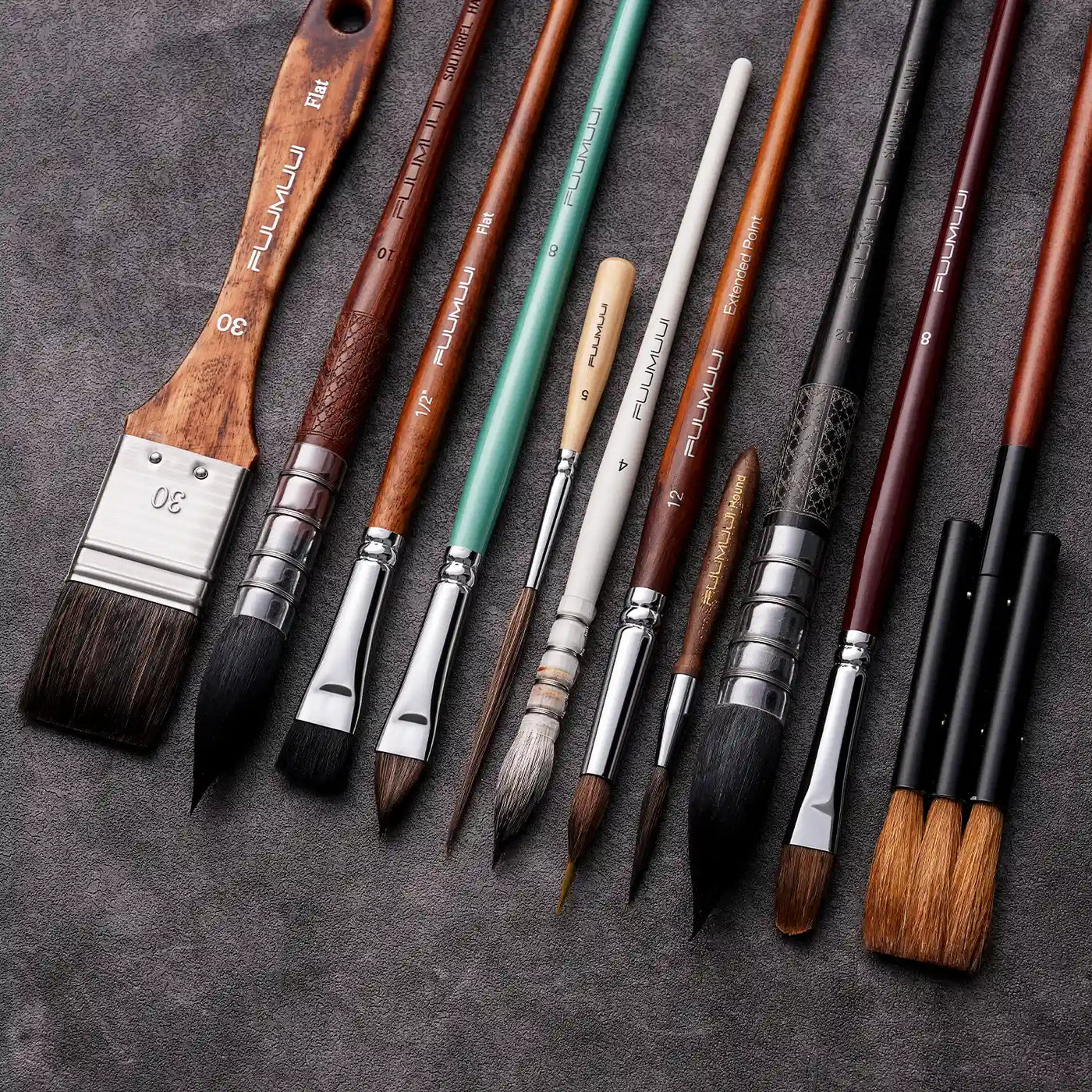
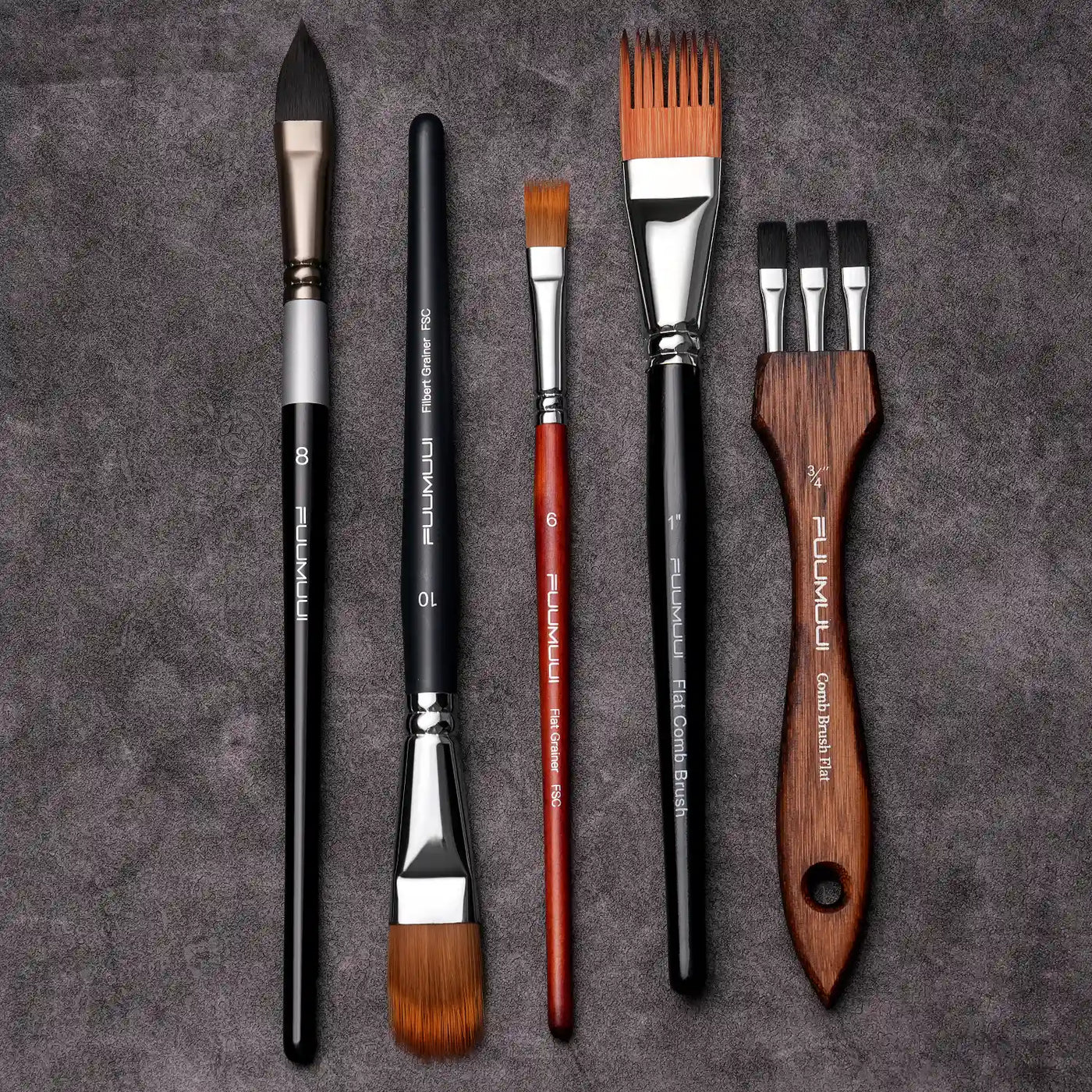
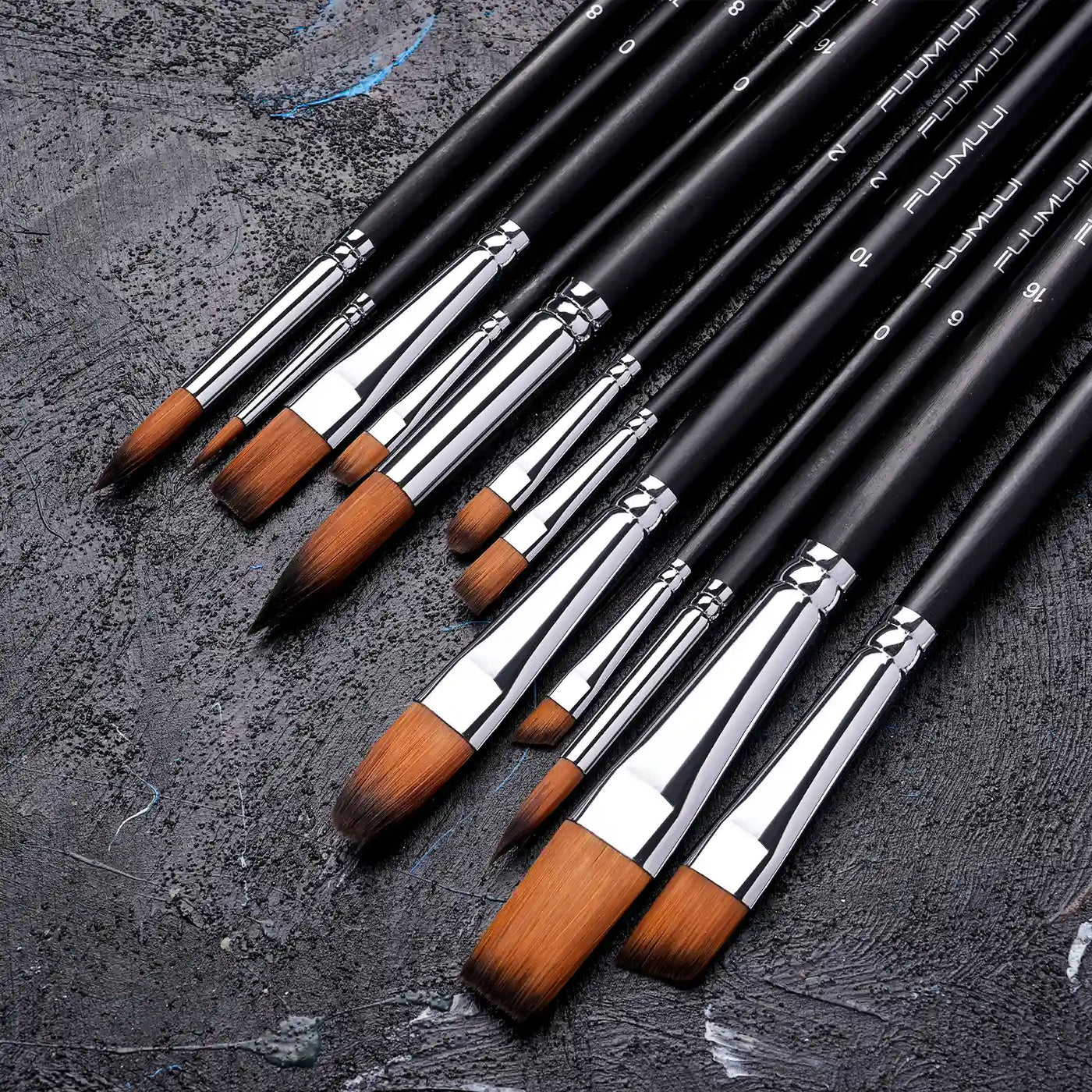
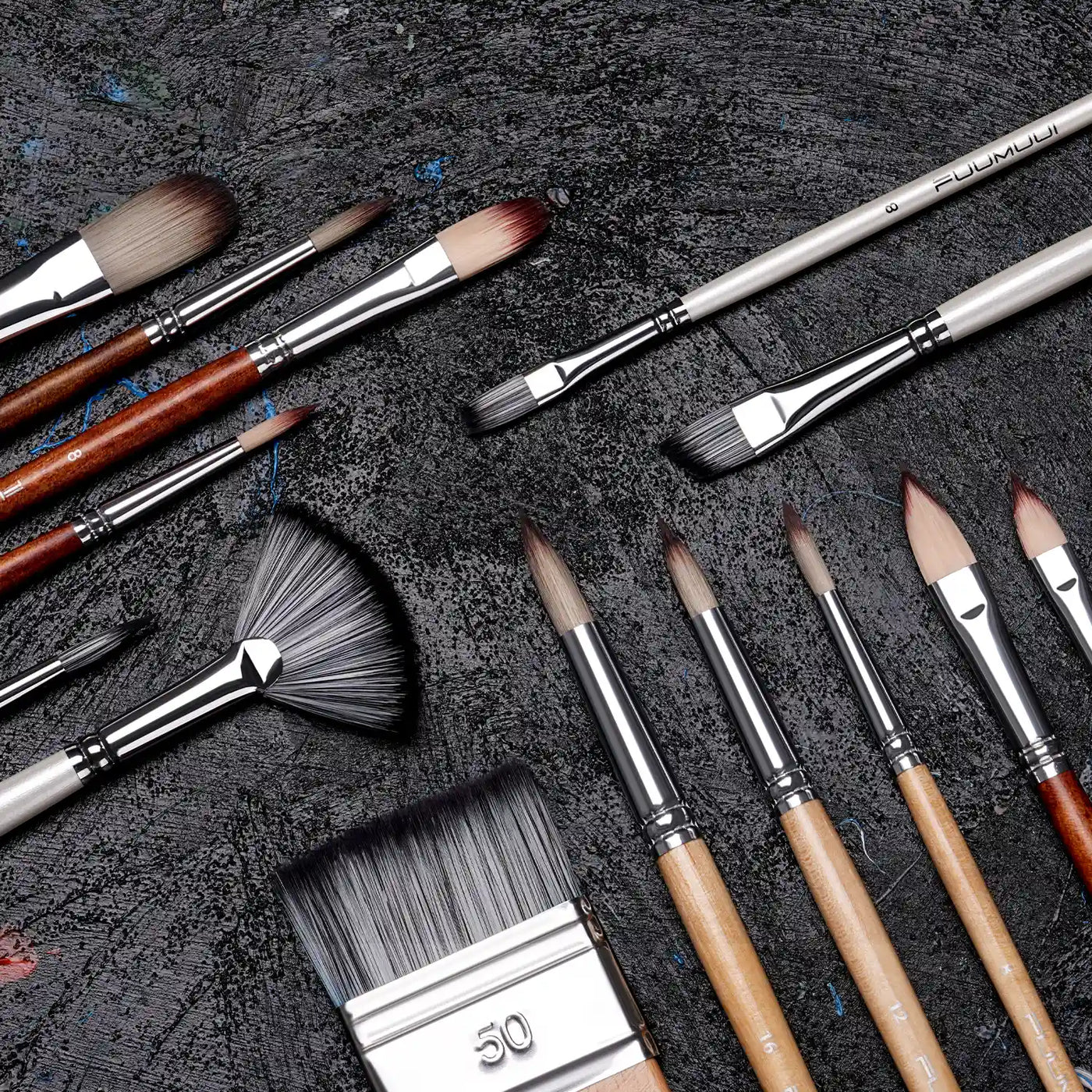
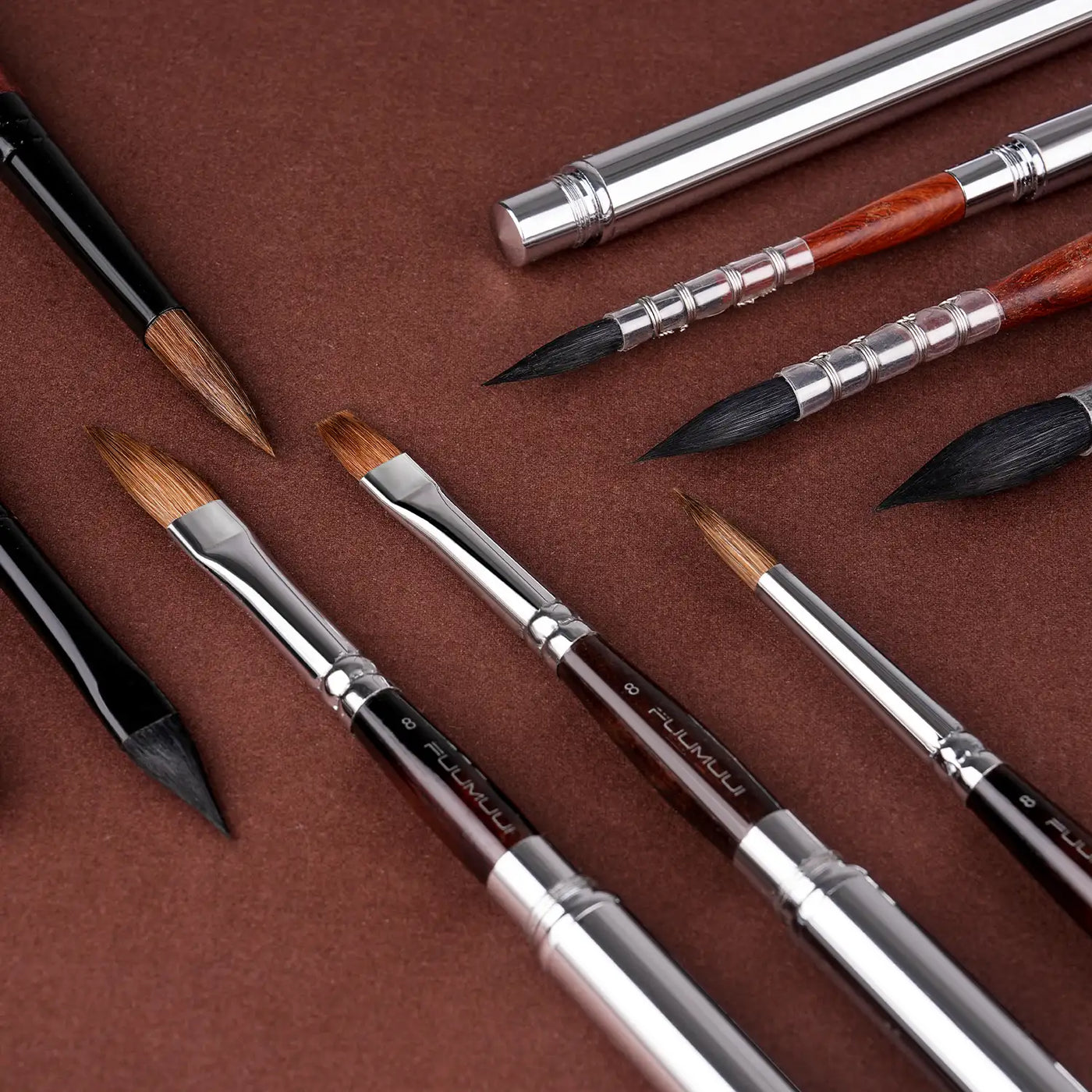
Before diving into care routines, it’s helpful to understand the structure of a brush. Every brush consists of three main parts, and each part has its own "health" requirements.

1. The Head or Bristles
This is the part that does the work. Whether natural, synthetic, or a blend, these fibers are gathered into a specific shape. This determines how much water the brush holds and how well it maintains its point.
2. The Ferrule
The ferrule is the metal or plastic sleeve that holds the bristles. In most watercolor brushes, use nickel-plated ferrules for durability. It’s the "glue zone" where the bristles are attached to the handle.
3. The Handle
Usually made from wood or acrylic, the handle provides the balance.
When brushes are made, the bristles are bound with linen thread, then glued and crimped into the ferrule. This construction is why the ferrule and bristles require the most attention—they are the heart of your brush.
3 Weak Points of Watercolor Brushes
Even the best watercolor brushes have vulnerabilities. If we know what causes damage, we can avoid it. In my experience, there are three main "enemies" of a watercolor brush:
- Bristle Breakage: This usually happens from pressing too hard against the bottom of a water jar. The bristles bend against the sharp edge of the ferrule and eventually snap.
- Paint Buildup: Pigment that hides at the base of the bristles makes the brush lose its shape. It also makes it impossible to get truly clean colors in your next session.
- Ferrule Residue: When water or paint seeps deep into the ferrule, it can dissolve the adhesive. This leads to the dreaded "shedding" where bristles start falling out.
Keeping these points in mind. They will help many beginner watercolor painters avoid common mistakes they might otherwise make unknowingly.
Preparing Your New Watercolor Brushes for the First Use

Every new watercolor brush comes with a special protective coating, wicth keeps the bristles shaped and secure during transport from the factory to the artist. New brushes are often sized with a gum arabic solution.
Whether you test a brush in the store or at home, remember: rinse it thoroughly in water until the protective coating is completely dissolved.
Important: Never try to separate the protective coating by pressing a still-sized brush against the bottom of a container. Gum-arabic-coated hairs can easily snap. Patience at this stage ensures a long, useful life for your brush.
The Golden Rules of Cleaning After Painting
After every session, you must remove all remaining paint. I always use a mild soap or a professional watercolor brush cleaner. Water should be at a comfortable, room temperature—never icy and definitely never boiling.

My Personal Cleaning Technique
I usually wash my brushes by moving them in a circular motion against my palm. Squeeze a small amount of brush soap into your hand and gently swirl the wet brush until a lather forms. This helps work the soap into the "belly" of the brush where pigment likes to hide.
Rinse and repeat until the water runs completely clear. Pay special attention to the base of the bristles near the ferrule. In brushes with a French-style ferrule, paint accumulates there very easily. Use cool water for natural-hair brushes to keep the fibers from becoming brittle.
Artist’s Tip: Never wash your brush with a soap you wouldn’t use on your own hair. Watercolor brushes—especially natural ones—are hair. They need to be conditioned and treated gently to stay supple.

Avoid harsh cleaners like acetone, or dish soaps with heavy degreasers. These strip the natural oils from the hair, leaving your brushes frizzy and lifeless.
Drying and Shaping for a Perfect Point
Washing is only half the battle. How you dry your brushes determines if they will hold their shape tomorrow. After washing, blot the brush gently with a paper towel. Do not pull on the bristles.
The Best Drying Positions
- Horizontal: Lay them flat on a clean towel.
- Inclined: Prop the handles up slightly so the heads point downward.
- Hanging: Use a brush hanger so gravity pulls moisture away from the ferrule.
Never dry your brushes vertically with the bristles facing up. This allows water to seep into the ferrule, which will eventually rot the wooden handle or loosen the glue. While the brush is still damp, use your fingers to gently reshape the bristles into a sharp point or a clean edge.
Professional Brush Storage Solutions
Once your brushes are completely dry, you can store them in a way that suits your workflow. I personally use a special brush organizer with different compartments.
For artists who love plein air or travel, I highly recommend a soft brush case. These protect the tips from being crushed in your bag. If you aren't going to use your natural bristle brushes for a long time, store them in a closed box with a bit of moth repellent (like cedar), as moths love natural hair!

The main thing is to avoid kinking the bristles. Never leave a brush resting on its head in a jar—even for a minute. This will permanently warp the shape.
Life Hack: Saving Misshapen Synthetic Brush
If your synthetic watercolor brushes have lost their shape due to rough use, there is a way to save them. This only works for synthetics!
Hold the bristles in very hot (but not boiling) water for a few seconds. This "shocks" the synthetic fibers back into their original memory. Immediately shape the tip with your fingers. Remember: Never do this with natural hair brushes, as the heat will ruin the delicate scales on the hair.
What to Avoid: The "Never" List for Watercolorists
To keep your brushes functional for years, please avoid these common mistakes:
- Leaving brushes soaking in water: this can crack the handle, loosen the ferrule, deform the bristles, or even make the bristle bundle fall out.
- Using watercolor brushes for other media: oil, acrylic, varnish, or masking fluid can permanently damage both synthetic and natural brushes.
- Rough handling: pressing, bending, or improper cleaning can shorten brush life dramatically.
- To use watercolor brushes for masking fluid. For this purpose, it's better to use brushes that you don't mind damaging or other tools (there are special silicone brushes for this purpose). After using masking fluid, you can say goodbye to brushes made of natural or even synthetic bristles immediately. I've tested this myself.
Summary of Pro Watercolor Brush Care
To keep your professional watercolor brushes in top condition, just remember these five steps:
- Remove sizing gently before the first use.
- Clean thoroughly with brush soap after every session.
- Dry horizontally to protect the ferrule.
- Reshape the tip while the bristles are damp.
- Store safely in a ventilated organizer or case.
Main Conditions For Caring Watercolor Brushes
- Keep your brushes clean – this significantly extends their life and future use.
- Don't leave your brushes immersed in water, bristle down, for any length of time, no matter how short. This will prevent them from cleaning properly and permanently losing their shape.
- Clean your brushes properly, using high-quality products, rinsing the necessary parts.
- Dry and store your brushes in the correct position – this will prevent your brushes from losing their shape and preventing the seal in the ferrule from deteriorating.
Keep your brushes clean, and they will take care of your art. It’s a simple cycle of respect between the artist and their tools. When you treat your brushes like the treasures they are, every painting session becomes a joy.
Ready to Treat Your Brushes Right?
With these steps, your watercolor brushes will stay beautiful and functional for years, making every painting session a joy.
Ready to upgrade your studio? Explore our collection of handcrafted Fuumuui watercolor brushes and professional cleaning accessories to give your art the tools it deserves.


Me ha gustado mucho la explicación sobre el cuidado de los pinceles, muchas gracias!!