
Table of Contents
Master Insights
The Goal: Transitioning from a studio sketch to a gallery-ready masterpiece requires a focus on structural integrity and environmental protection. Professional framing is the final, vital step in ensuring your artwork's longevity.
- Foundational Quality: Always use 100% cotton, acid-free paper (like Fuumuui postcards) to prevent yellowing and ensure archival permanence.
- Structural Mounting: Employ the "T-hinge" technique using PH7-70 tape at the top edge only to allow paper to "breathe" and prevent unsightly buckling.
- Environmental Shield: Protect delicate pigments from fading by utilizing UV-filtering glazing (glass or acrylic) and avoiding humid environments.
- Archival Integrity: Ensure every component—from the matting to the backing board—is pH-neutral to stop chemical "burn" from migrating into the art.
From Practice to Preservation: The Watercolor Journey
When I first started painting watercolours, I was terrified of large, blank sheets of white paper. If you’ve ever felt that "blank page syndrome," believe me—you are not alone.
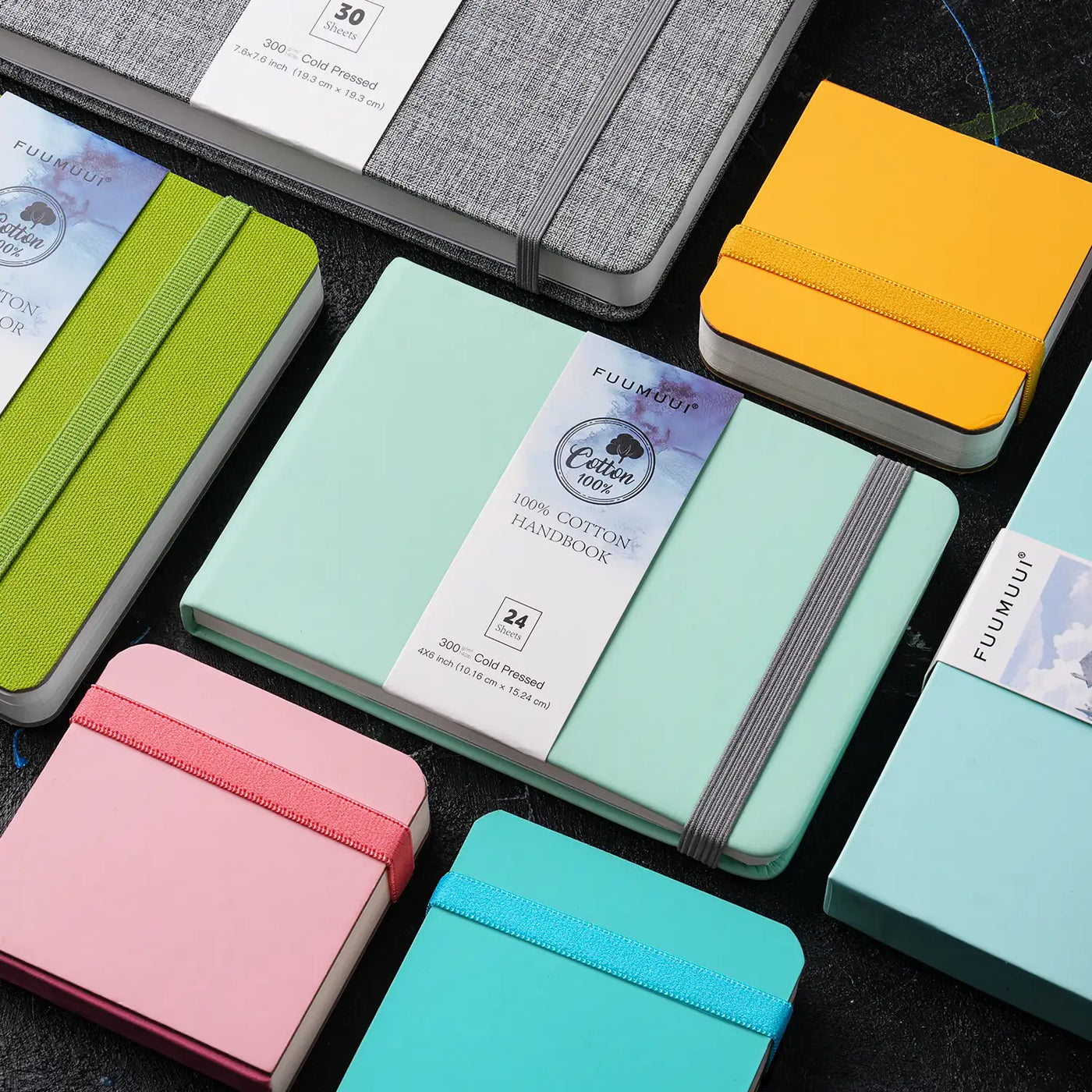
On one of my travels, I stumbled across a packet of watercolour postcards. They were the perfect size for practising without the fear of wasting expensive paper. In the beginning, I would sit and paint for hours, exploring different brush strokes and techniques. The freedom of watercolour is what appeals to me; sometimes the paint just does its own thing, and you have to go with the flow.
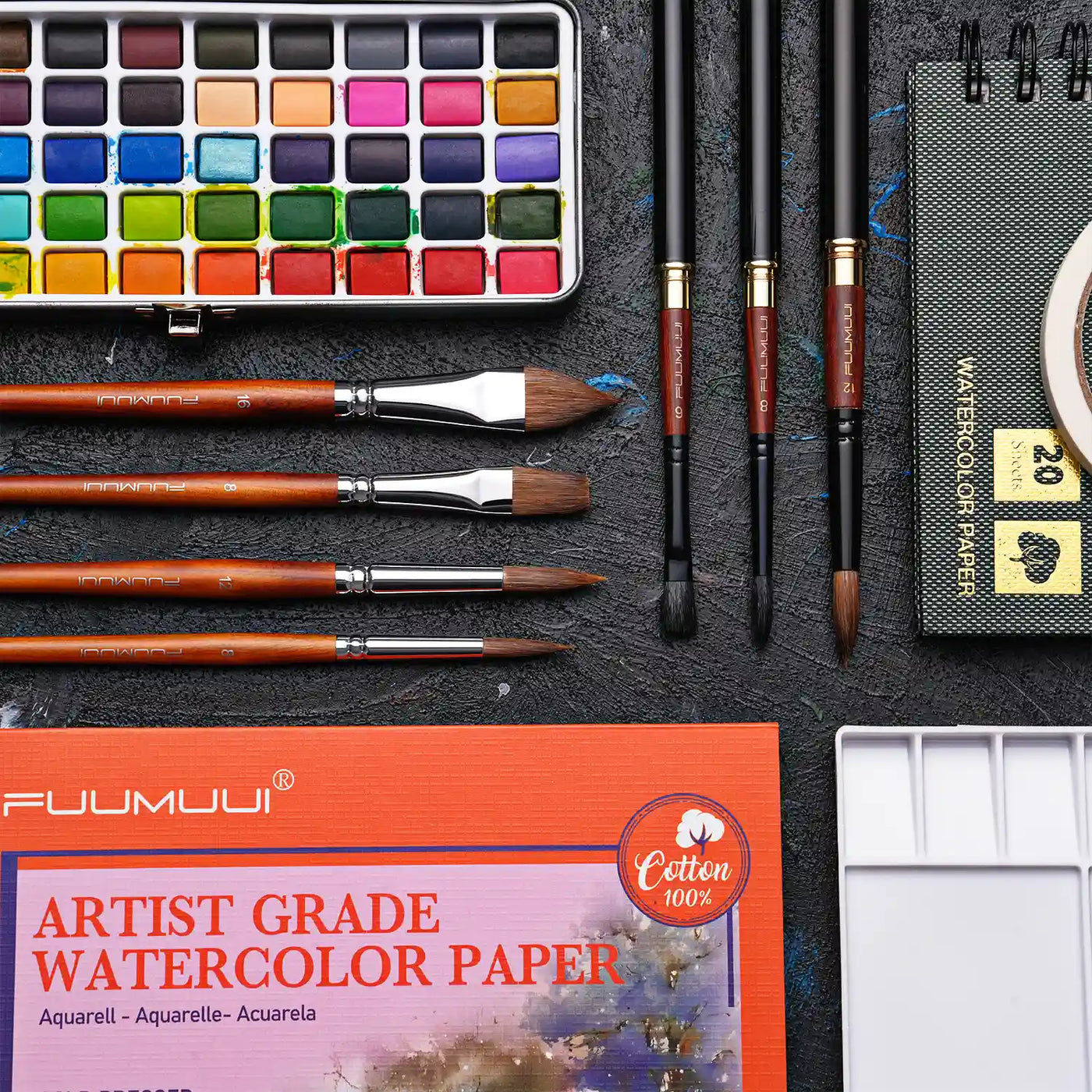
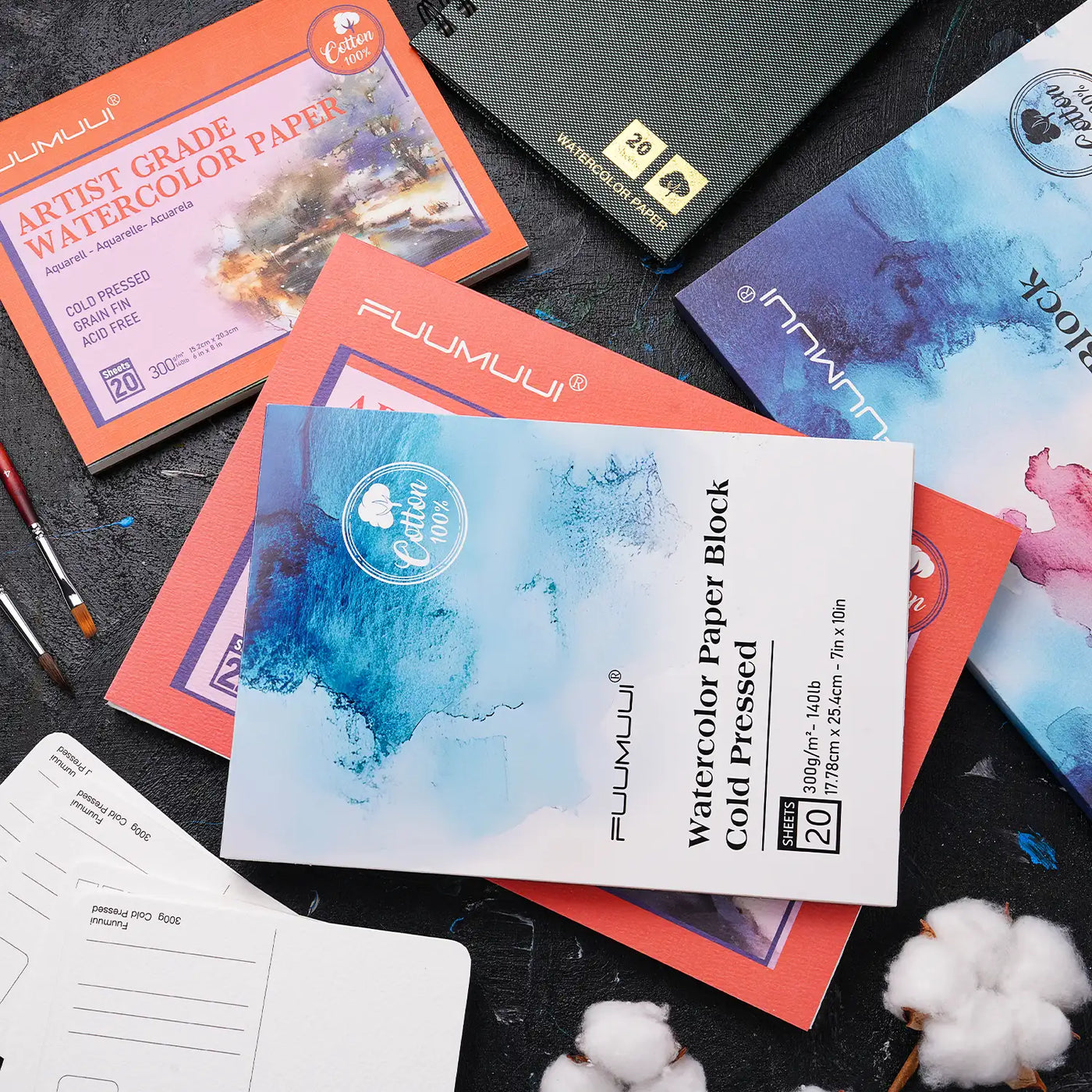
But as my skills grew, so did my desire to protect what I was creating. I realized that preservation actually begins before you even pick up a brush. Choosing the right paper is your first line of defense. I now use Fuumuui Watercolour Paper, which is 100% cotton with a cold-pressed surface. Because cotton is naturally free of wood-pulp lignins, it won't turn yellow and brittle over the decades.
My love for watercolour painting truly started on a humble small format, but learning how to protect those pieces changed everything.
The Magic of the Frame: Professionalizing Your Art
As I progressed, it was time to take the next step: framing. I headed to Ikea for some affordable frames. At the time, I had no thoughts of selling my work; I still lacked confidence.
However, I wasn't prepared for how much a simple frame could transform my work. It went from a "painting on a small scrap" to a "framed piece of art." My heart skipped a beat. For the first time, I felt my art was good enough for others to see.

Pro Tip: The Power of the Mount (Matting). Most budget frames come with a white mount. This adds depth, professional polish, and crucially, it keeps the glass away from the surface of your painting.
I sometimes even add a subtle pencil or pen keyline to the mount to give it an extra dimension. Drawing the viewer's eye inward through clever matting is a technique to highlight the central composition.

3 Core Principles of Art Preservation
In my studio, I've learned that framing isn't just about making things look pretty—it is about artwork preservation. Watercolours are particularly delicate, and without the right care, your vibrant pigments can fade, and your paper can degrade. Here are the core elements you need to consider to make your art last a lifetime:
The Threat of UV Light
Watercolour paints range in their "lightfastness" (their resistance to fading). Even with top-tier paints, direct sunlight is the enemy. Standard frame glass offers very little protection. If you are framing a piece you truly care about, upgrade your glazing. Look for Conservation Clear Glass or UV-filtering Acrylic, which blocks up to 99% of harmful UV rays. Controlling light exposure is the single most critical factor in preserving paper-based artwork.
Humidity and Temperature
Paper is hygroscopic, meaning it absorbs moisture from the air. If a painting is sealed improperly, humidity can cause mold growth (foxing) or severe paper buckling. Never hang your original watercolours in a damp environment like a bathroom, or directly above a heat source like a radiator.
The "Acid-Free" Rule
Everything that touches your artwork must be acid-free and pH-neutral. Standard cardboard backing boards and cheap masking tapes contain acids that will migrate into your watercolour paper, causing irreversible brown "burn" marks over time. Always invest in 100% cotton rag mats or alpha-cellulose backing boards.
How Framing Can Rescue a "Failed" Painting
Before we get to the mechanics of framing, let's talk about what goes inside them. We all make mistakes or abandon paintings before they’re finished. Before you tear up your artwork and "file" it in the bin, try this trick:
- Grab a spare mount (a smaller, standard size).
- Slide it over different areas of the failed painting.
- Try both landscape and portrait orientations.

You will often find one or two beautiful, perfectly composed paintings hidden within the larger abandoned piece. I remember practising techniques on a large sheet once for a new painting idea, but nothing was working. After a quick "pep talk," I used my mount to scan the page and rescued two usable pieces. My confidence was instantly restored!
A Step-by-Step Guide to DIY Watercolour Framing
Custom framing is expensive. To save up to 80% on costs, try to paint on watercolour paper sizes that fit "ready-made" frames and mounts found in local retail shops. Here is how I frame my own pieces to ensure they are protected.
Step 1: Alignment and The "T-Hinge"
Never tape your artwork down on all four sides. Paper needs room to expand and contract.
I use small tabs of standard masking tape (with most of the "stickiness" removed by tapping it on my hand first) to temporarily align the art behind the mount.
Once positioned, I replace the temporary tabs with PH7-70 Acid-Free Tape.
Apply two small pieces of tape exclusively at the top edge of the paper, forming a "T-hinge" to attach it to the mount. This allows the paper to hang freely and "breathe," preventing buckling.
Step 2: Sealing the Back (The Dust Cover)
To keep out dust, humidity, and small insects, sealing the back of the frame is vital for a professional, archival finish:
01
Measure
Cut your sealing tape (I recommend Sekisui adhesive paper tape) to the length of the frame, leaving about 1cm extra at each end.

02
Cut the Corners
Use a sharp blade to cut the tape into the corners on the inside of the frame.

03
Fold
Starting from the middle, run your finger along the top edge to the left and right, folding the tape down toward the backing board.

04
Press
Press the tape firmly onto the backing board, working from the center outward.

05
Repeat Press
Repeat for all four sides.

06
Trim
Trim any excess with a sharp precision blade and a metal ruler.

07
Burnish
Finally, use a soft, clean cloth to firmly rub the tape down, activating the adhesive for a permanent seal.

Essential Framing Tips for Success
| Common Challenge | The Artist’s Solution |
|---|---|
|
Tape Failure |
Avoid standard masking tape entirely. It dries out over time, causing your art to slip and fall inside the frame. |
|
Trapped Debris |
The "Double Check": Before sealing the back, hold the frame up to the light to ensure there is no dust or hair trapped inside the glass. |
|
Cropped Signatures |
Always check how the painting looks inside the mount before signing your artwork. You don't want half your name hidden by the mat edge. |
Watercolor Framing & Preservation FAQs
Q1: How do I prevent my watercolor paper from buckling inside the frame?
A: As mentioned in the steps above, buckling usually happens when the paper is restricted. Always use the top-edge "T-hinge" method. If your paper is heavily warped before framing, you may need to lightly mist the back of the painting with clean water and press it flat under heavy books (between clean sheets of parchment) for 24 hours before mounting.
Q2: Can I frame watercolors without glass?
A: It is highly discouraged. Unlike acrylics or oils, watercolors do not form a tough polymer film when they dry. The pigments remain delicate and water-soluble. Without glass, your artwork is vulnerable to moisture, dust, and physical smudging. If you absolutely must frame without glass, you will need to apply a specialized archival watercolor varnish spray, though this permanently alters the texture of the piece.
Q3: How do I recognize quality materials when shopping for art supplies to ensure longevity?
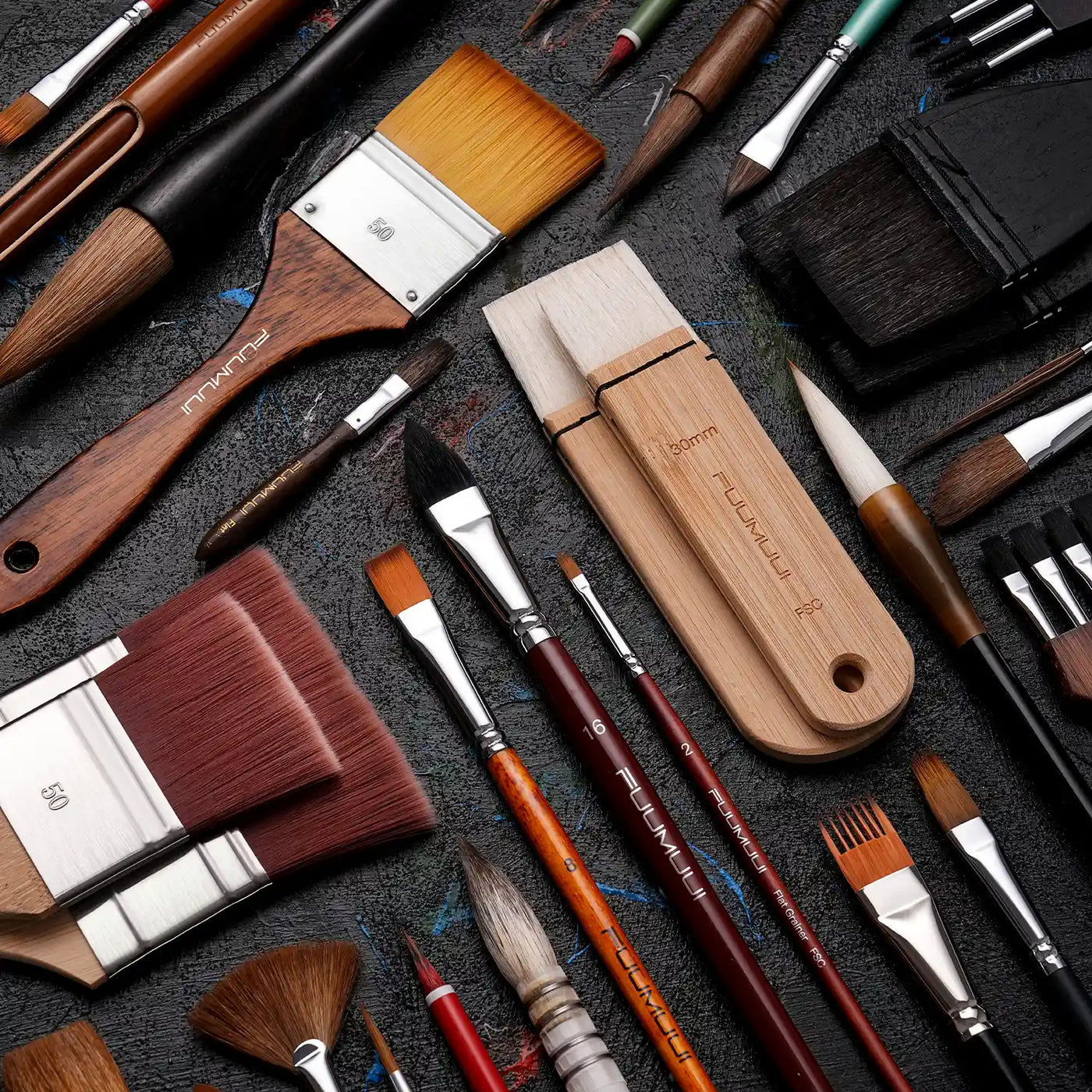
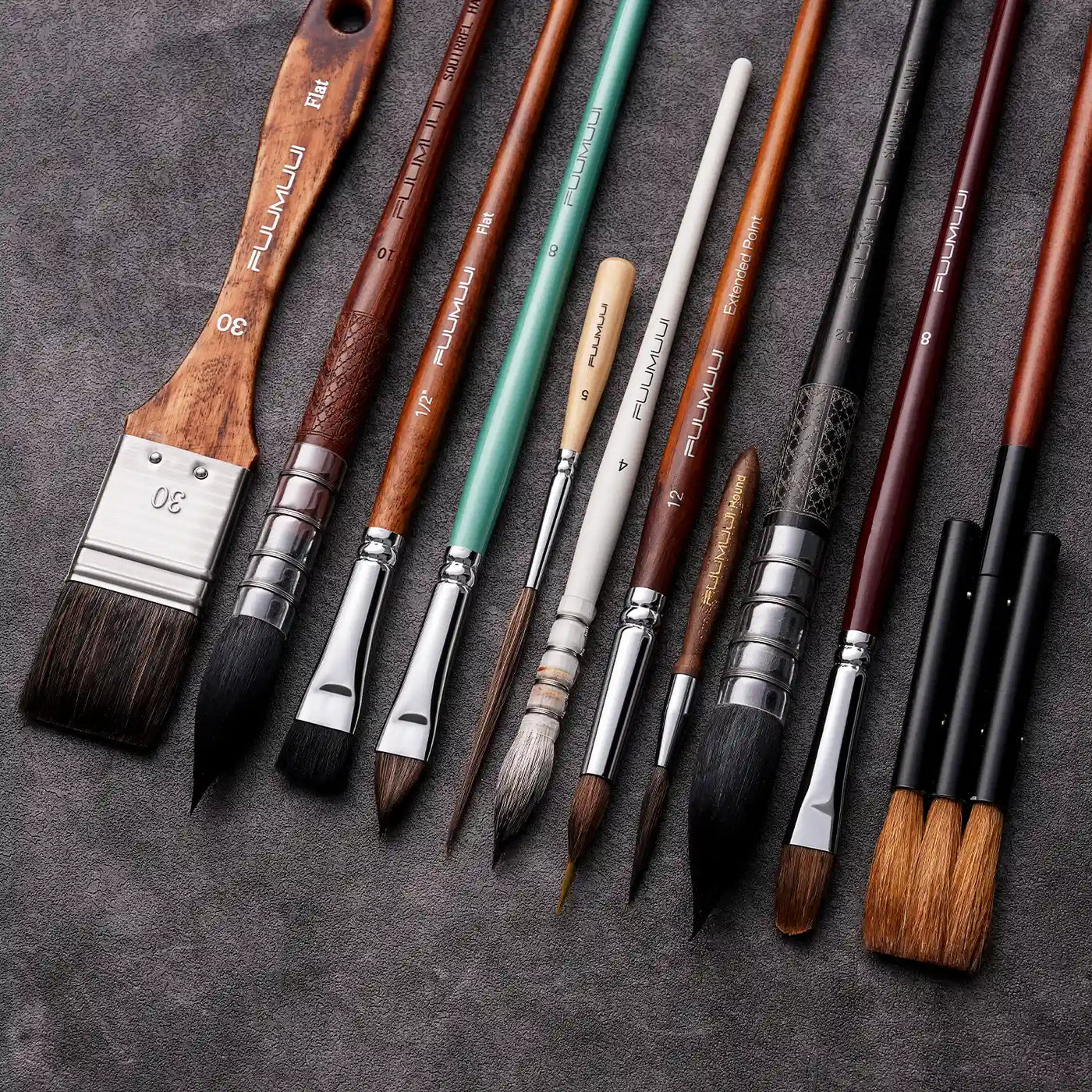
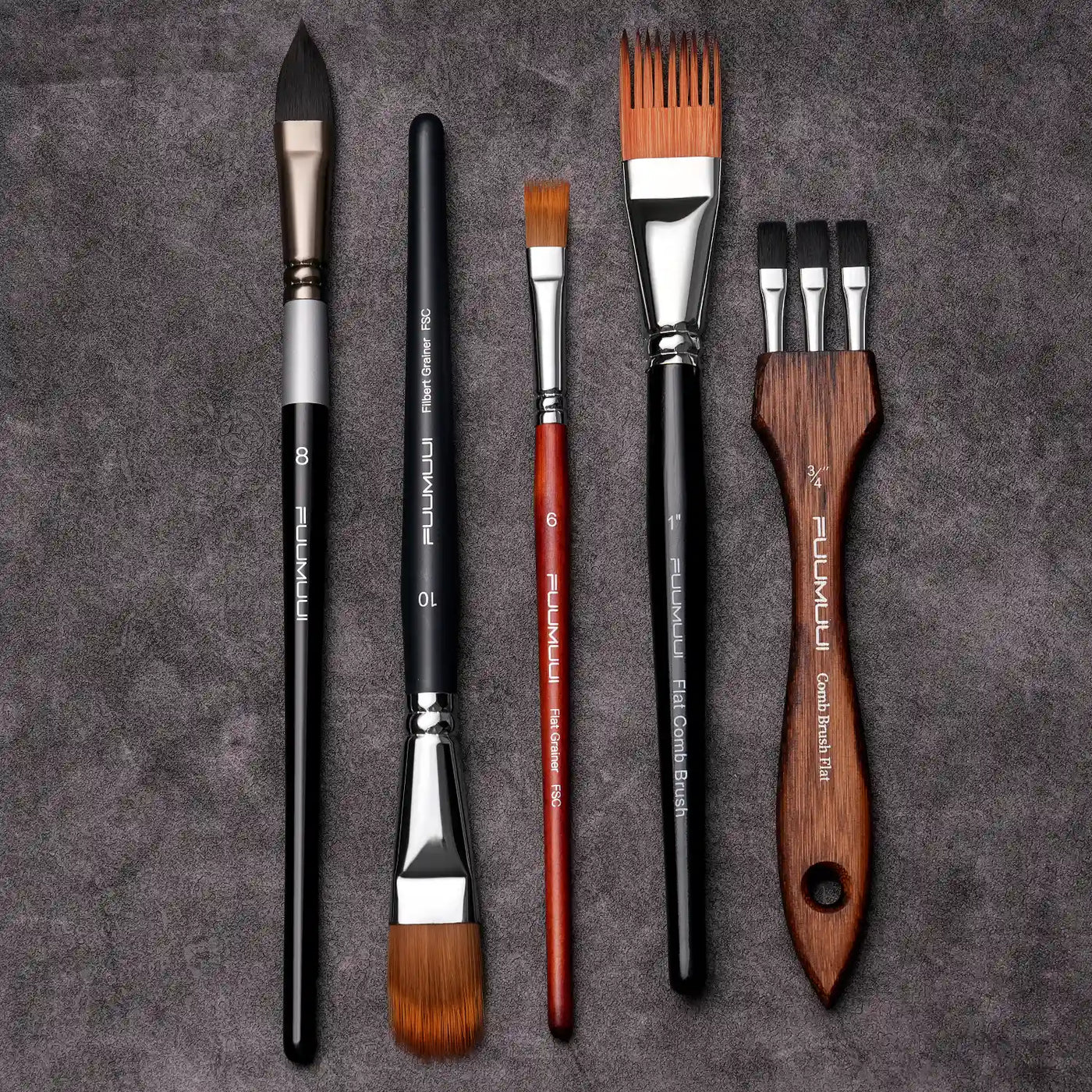
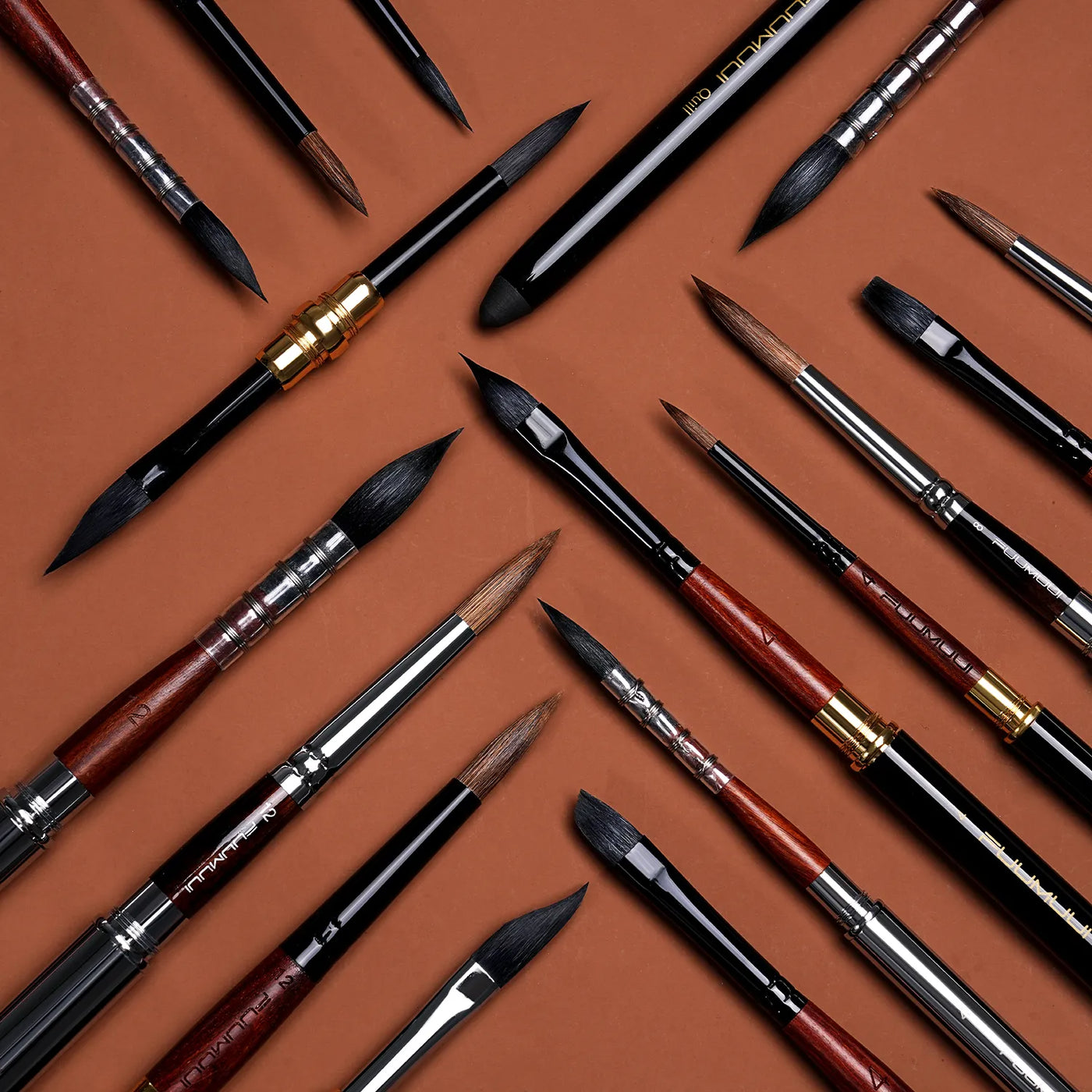
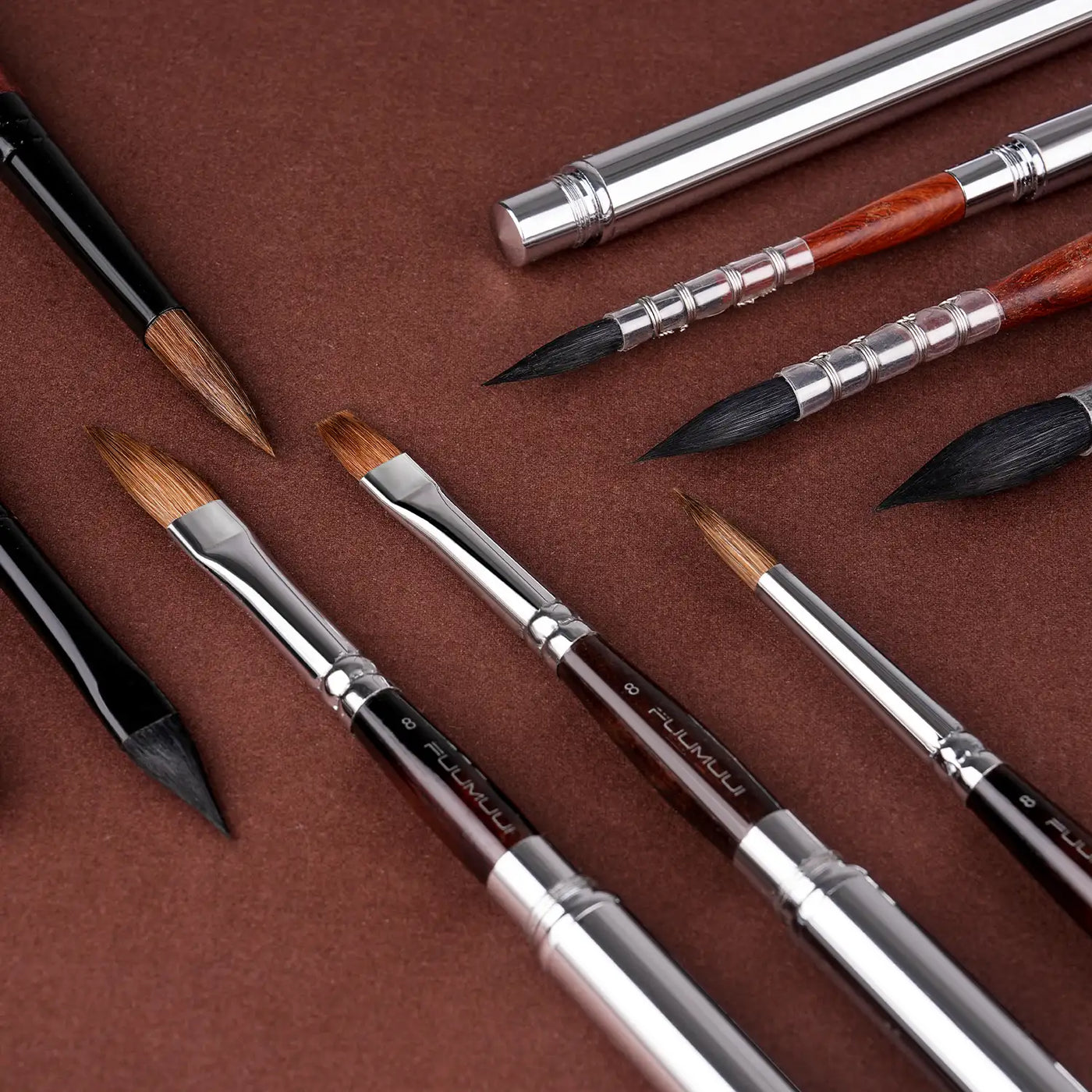
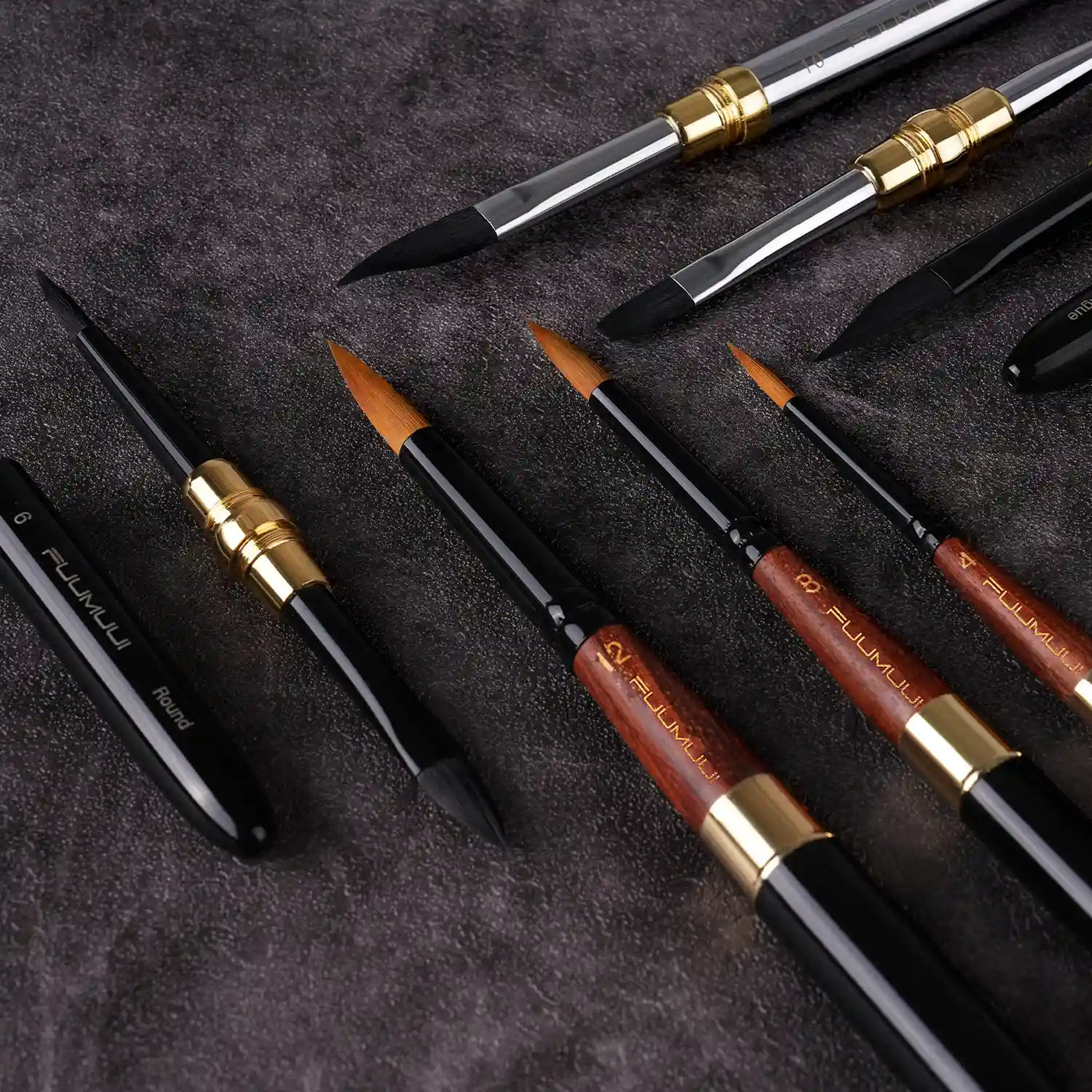
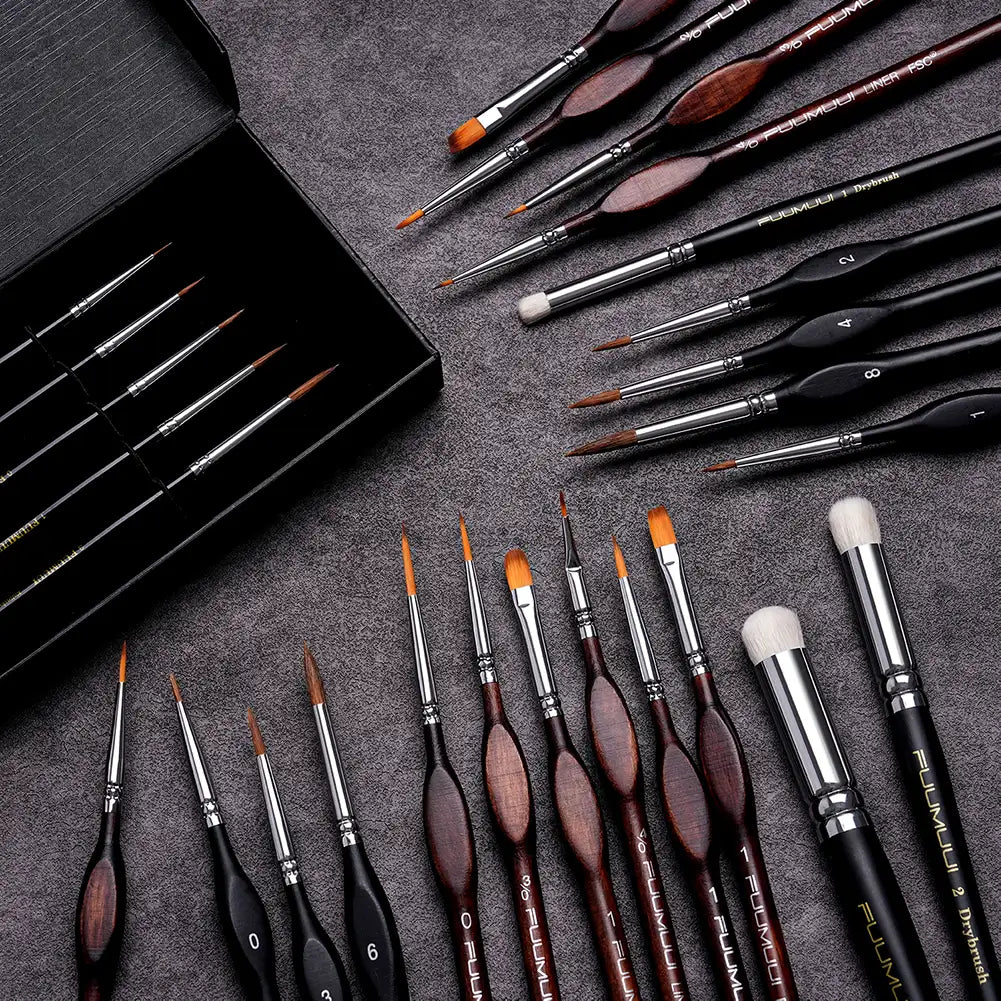
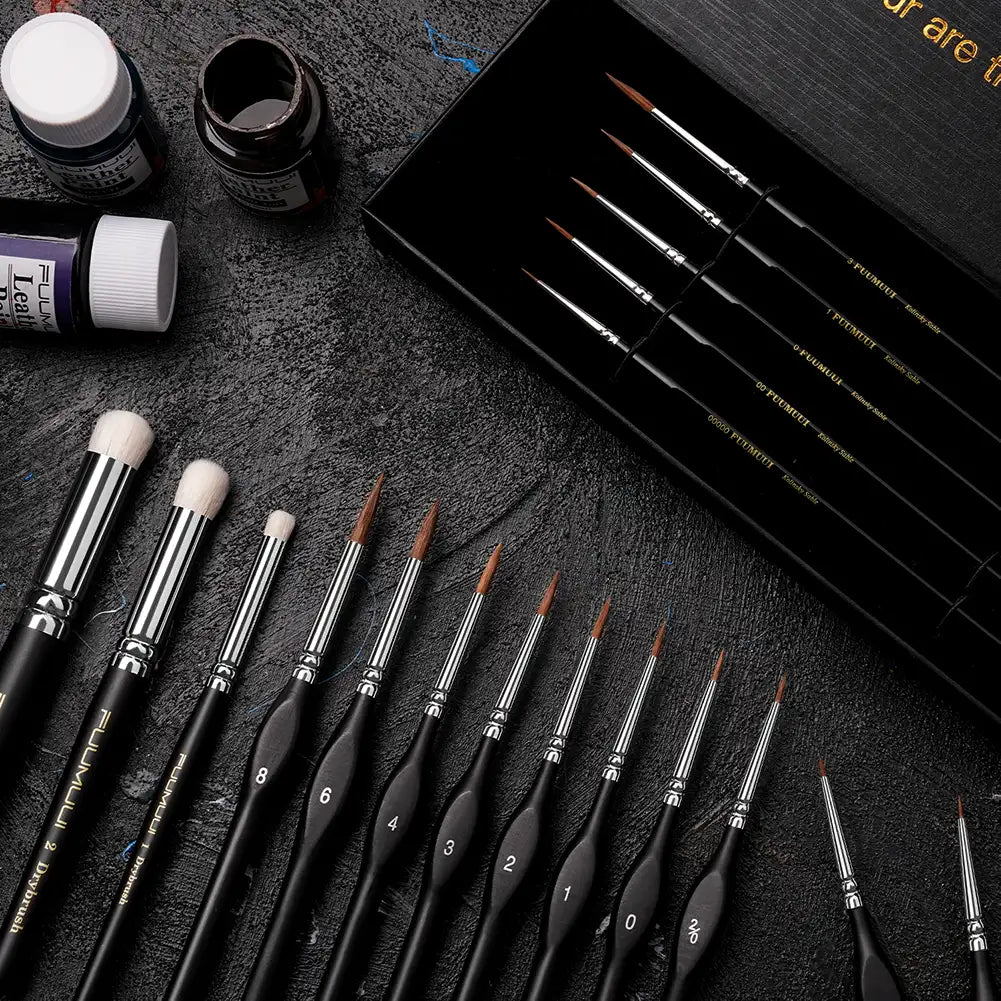
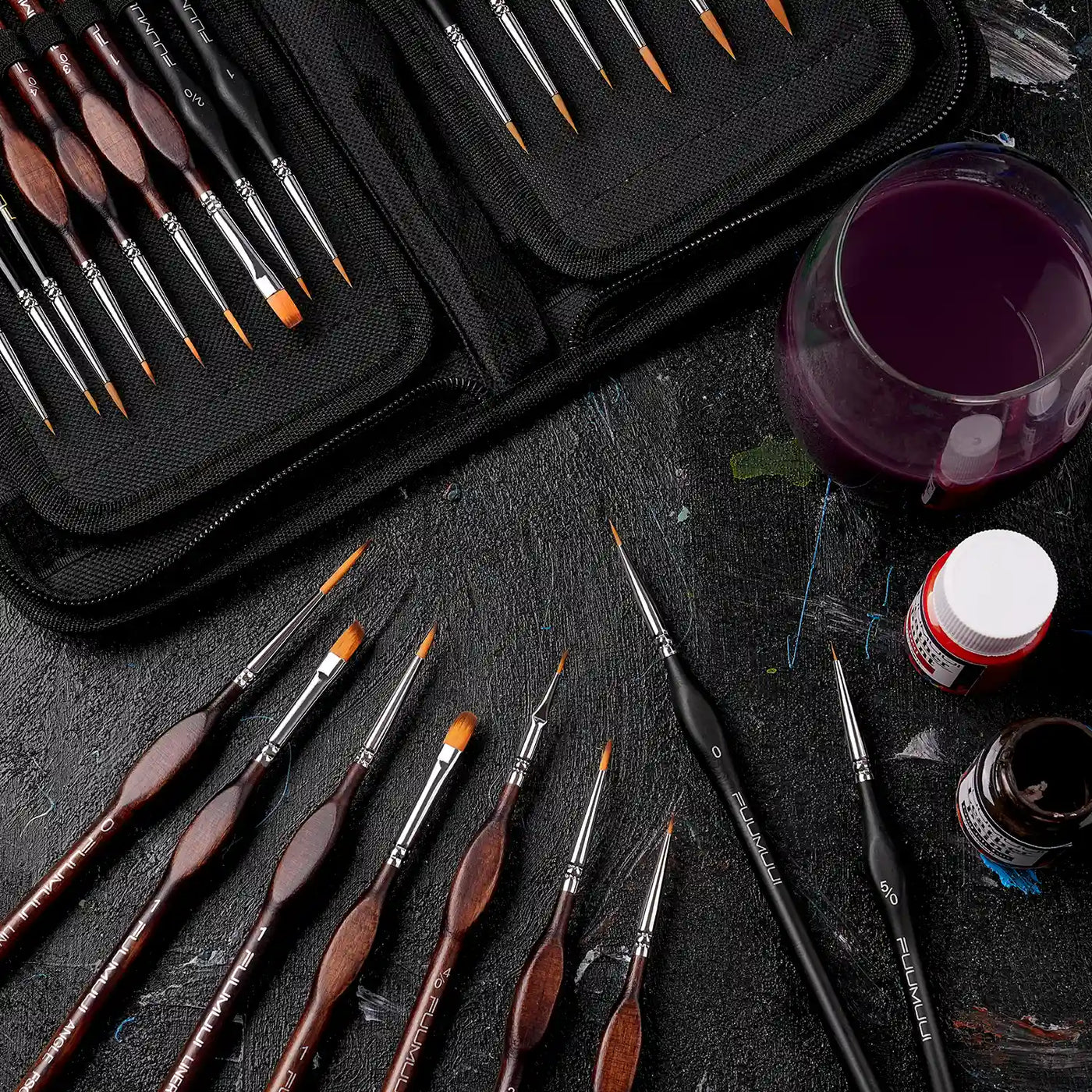
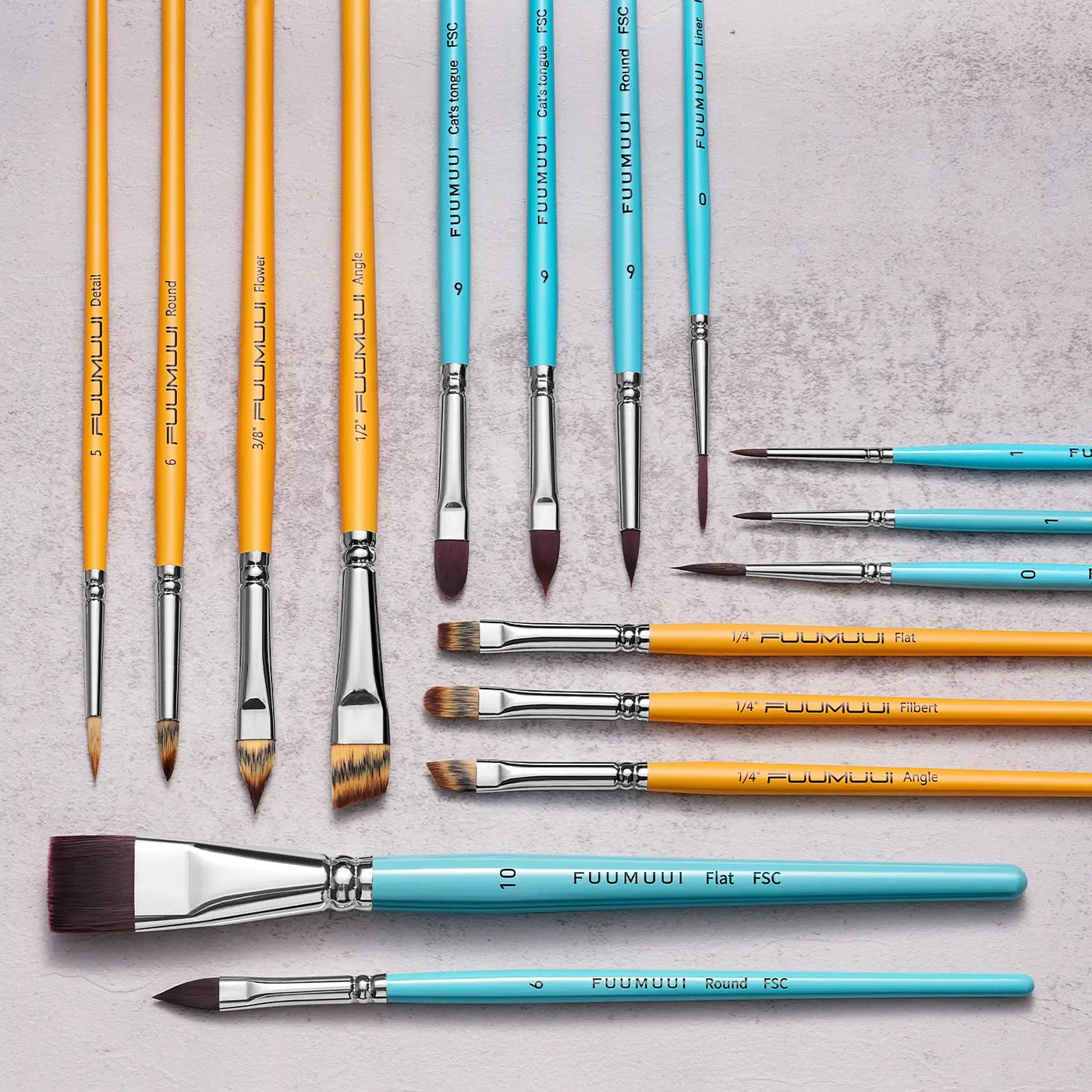
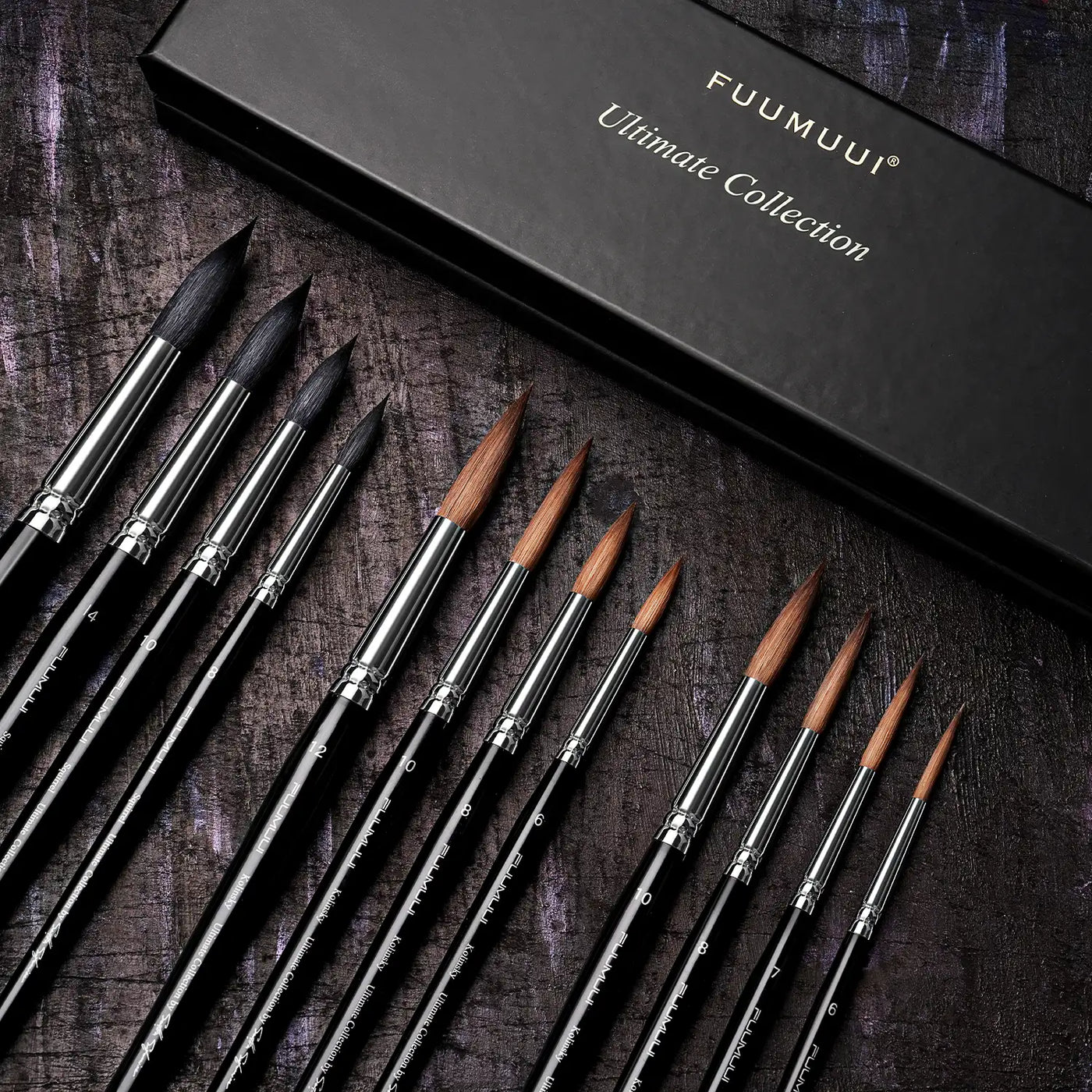
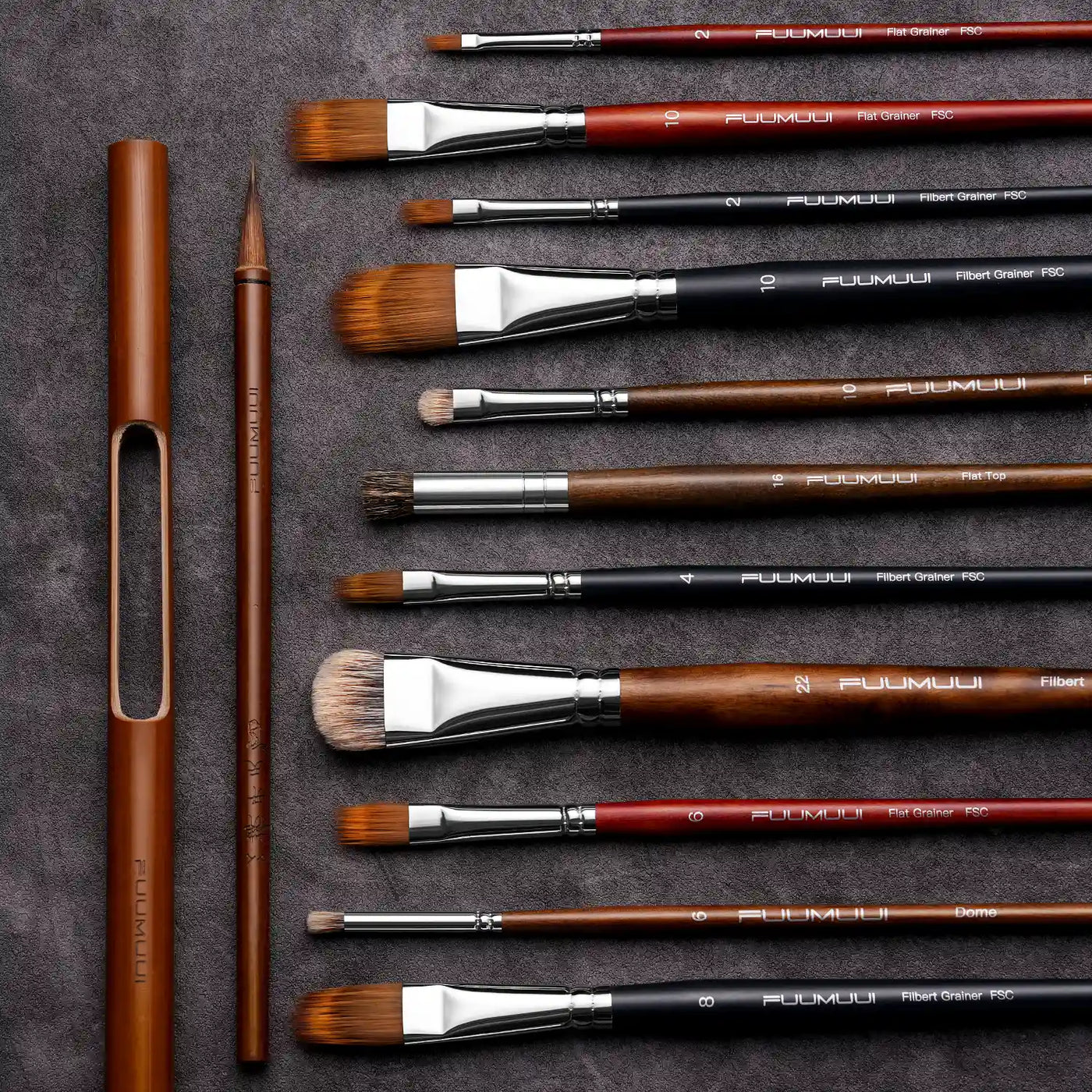
A: Always look for keywords like "Archival," "pH-Neutral," "Acid-Free," and "100% Cotton." This applies not just to paper and mounts, but also to how you apply the paint. For instance, using high-quality brushes ensures you aren't leaving stray hairs or degrading ferrule rust on your paper, which can compromise the artwork over time.
Elevate Your Next Studio Session
Framing your artwork is a celebration of your creative journey, transforming a quiet studio experiment into a legacy piece that can be enjoyed for generations. By pairing high-quality, archival materials with professional preservation techniques, you guarantee that your colors remain as brilliant as the day you painted them.
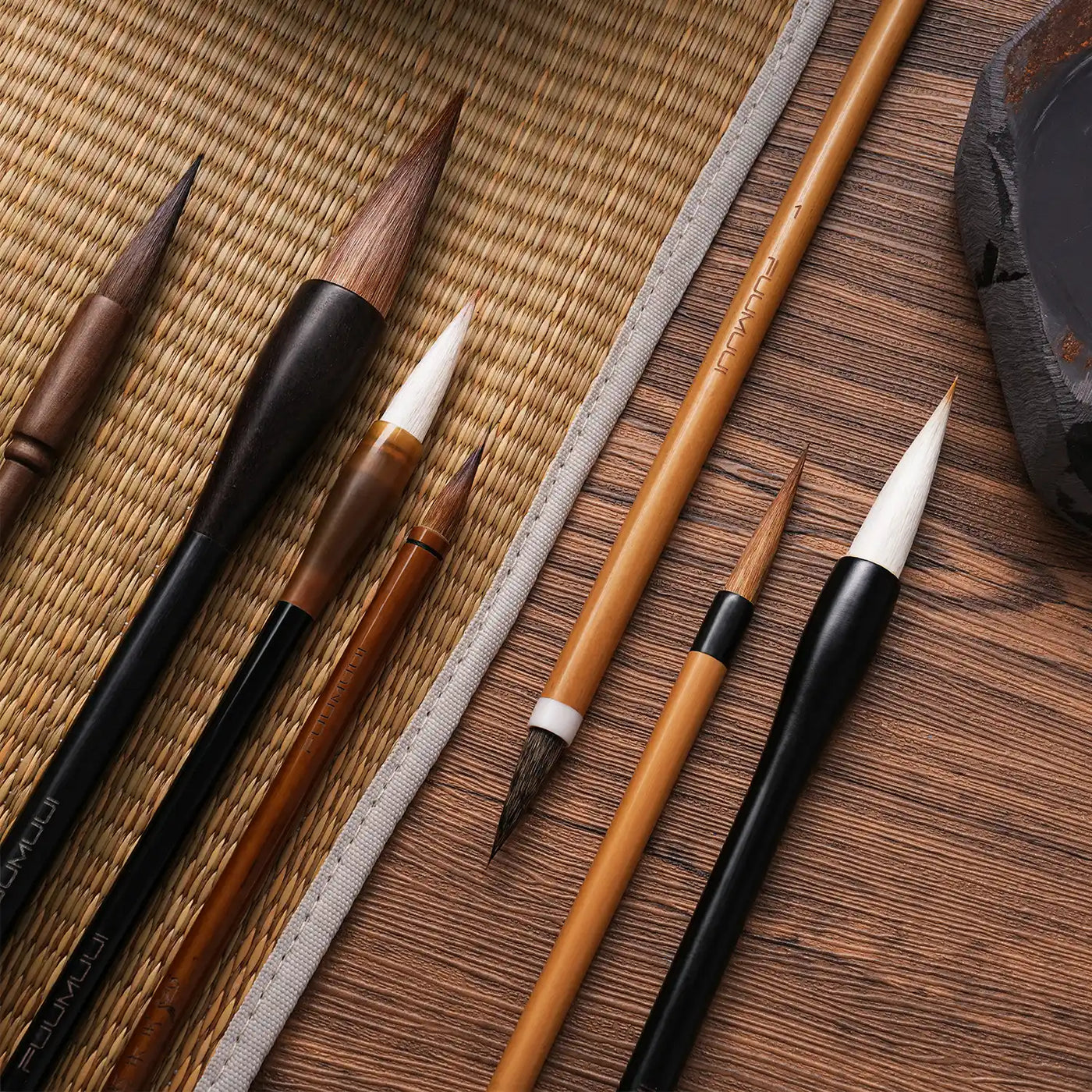
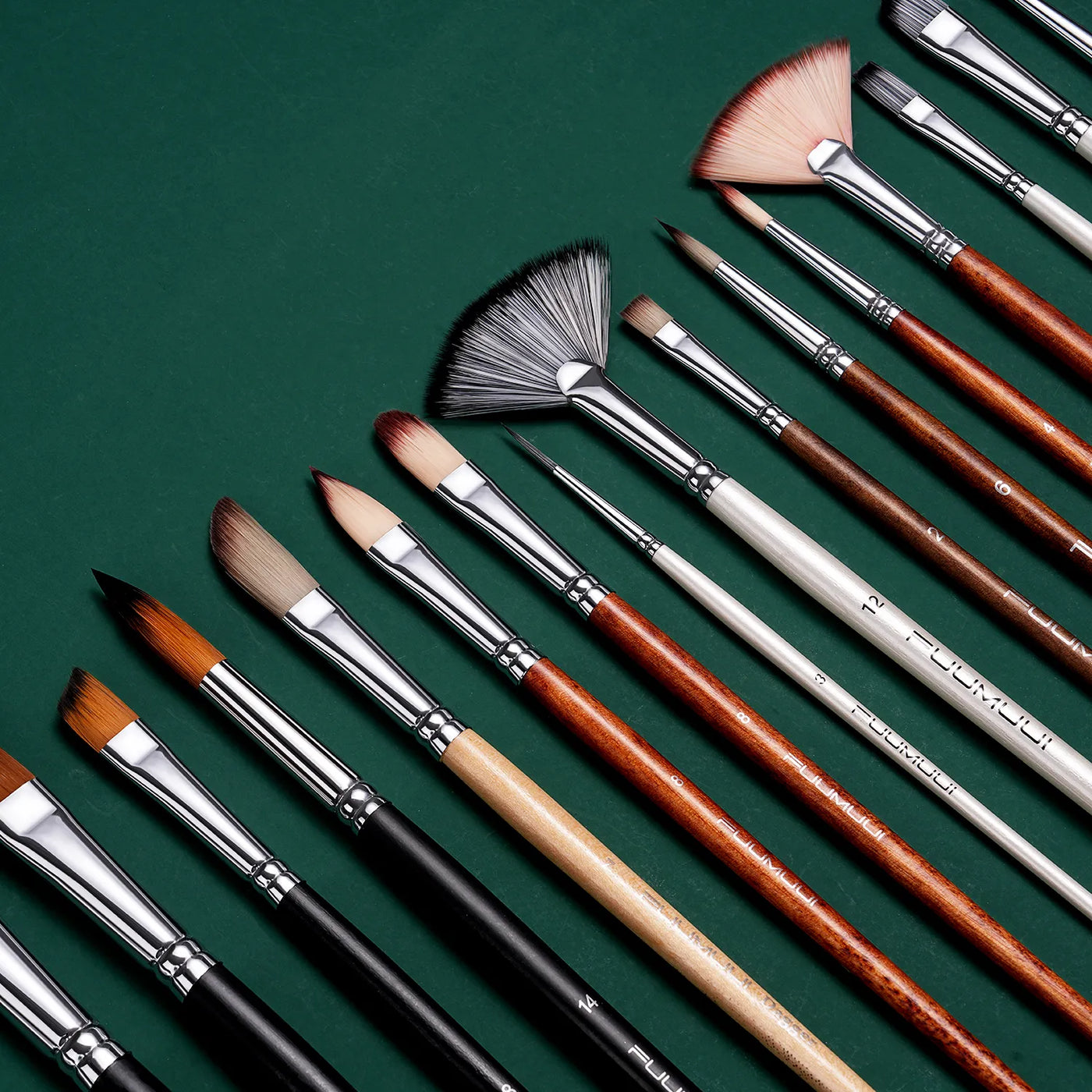
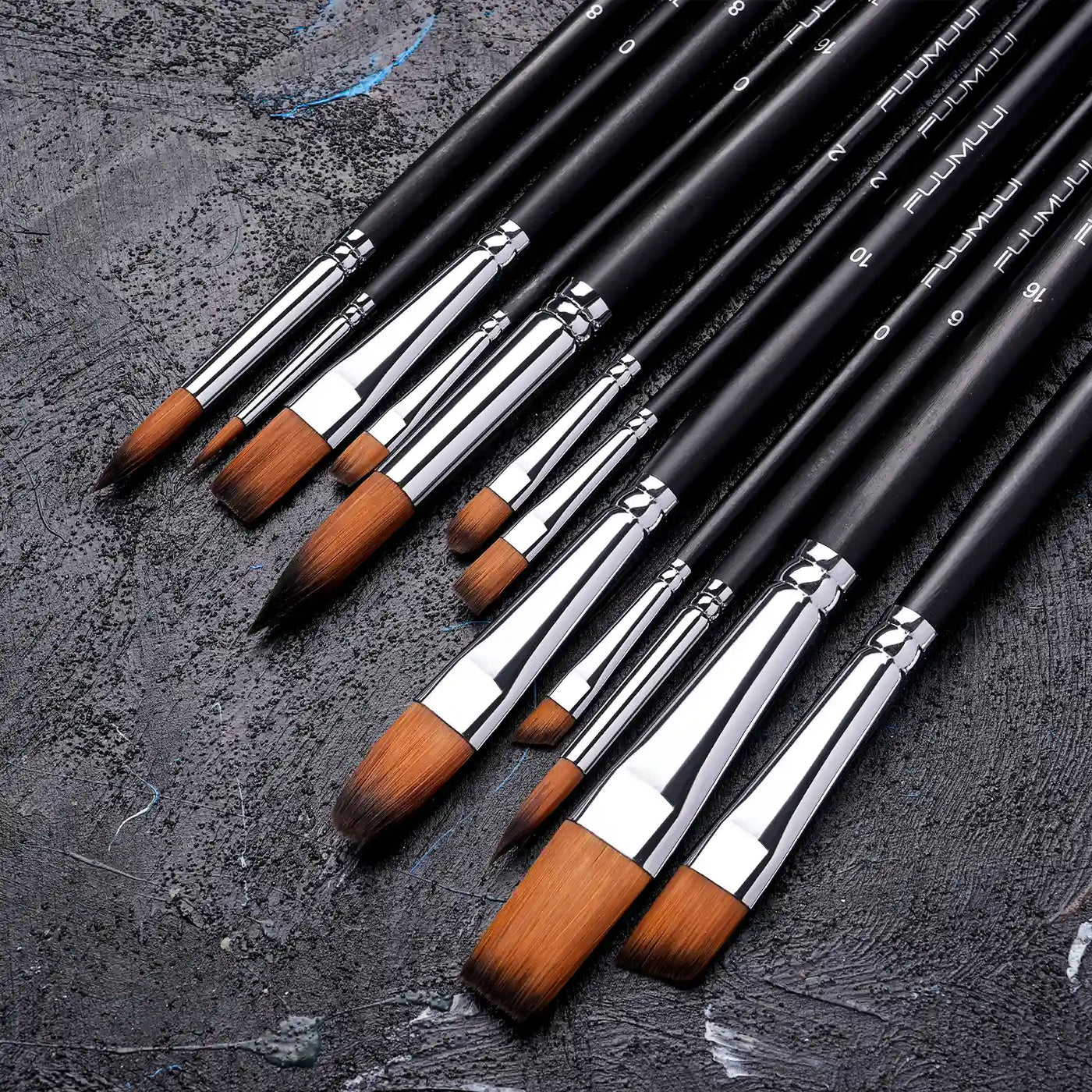
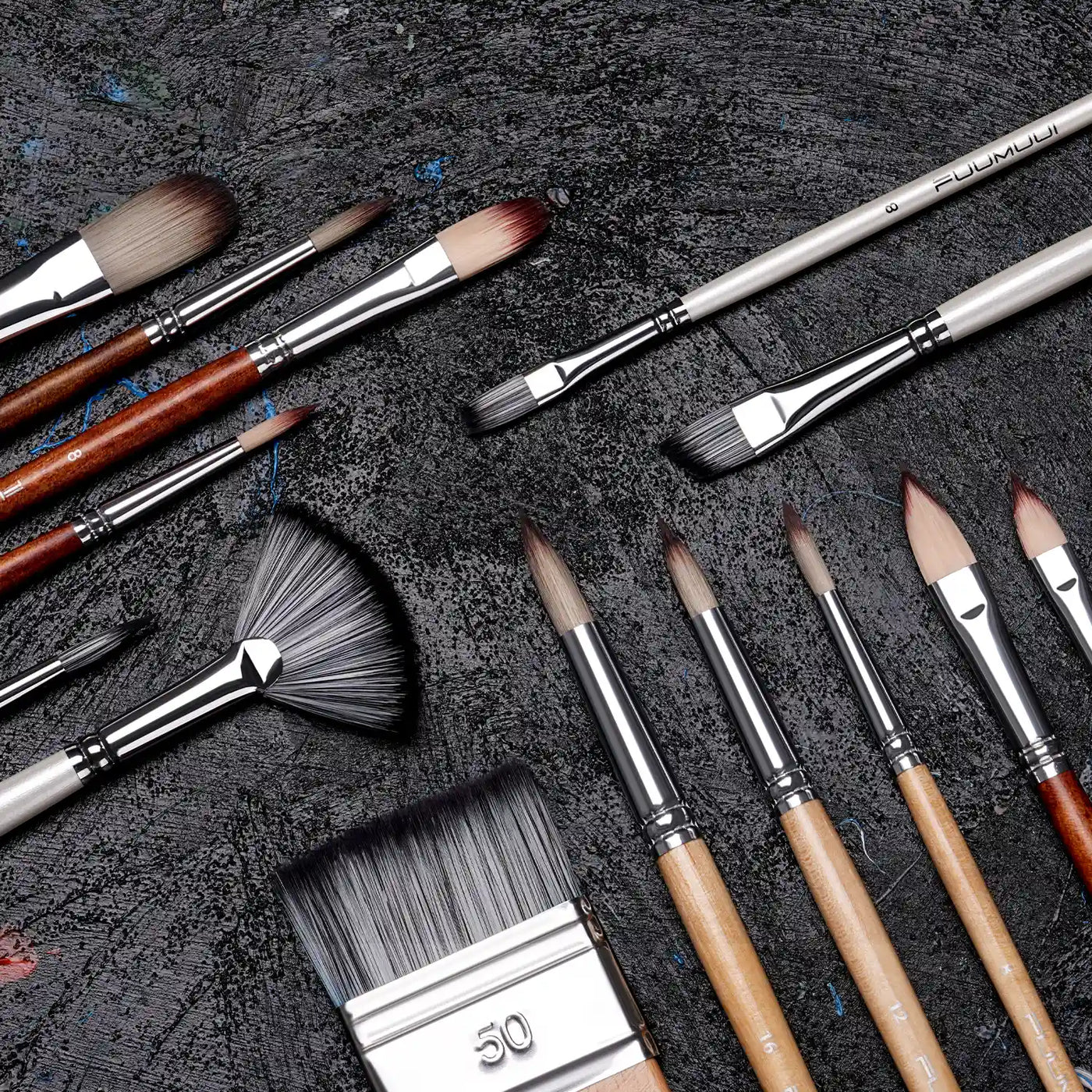
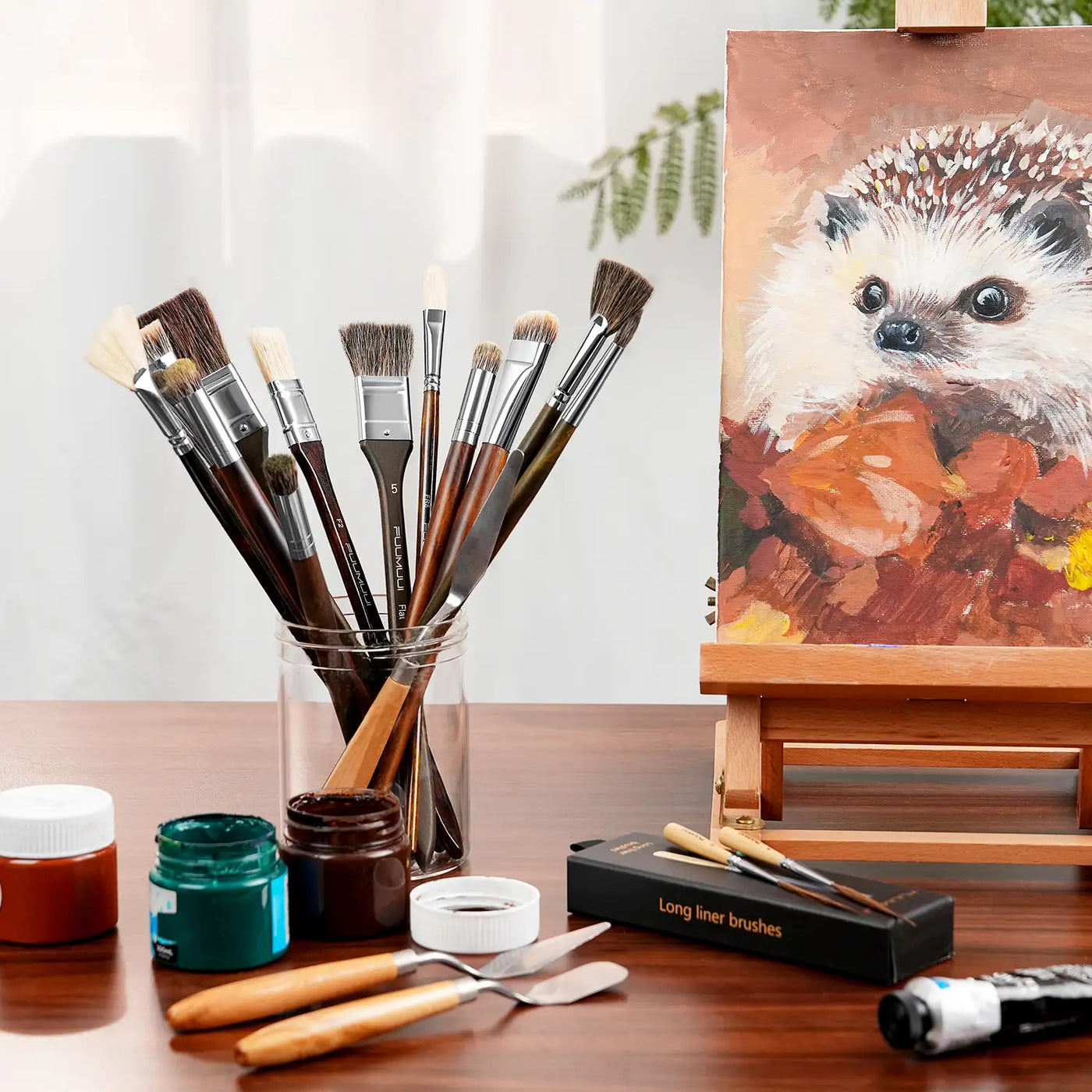
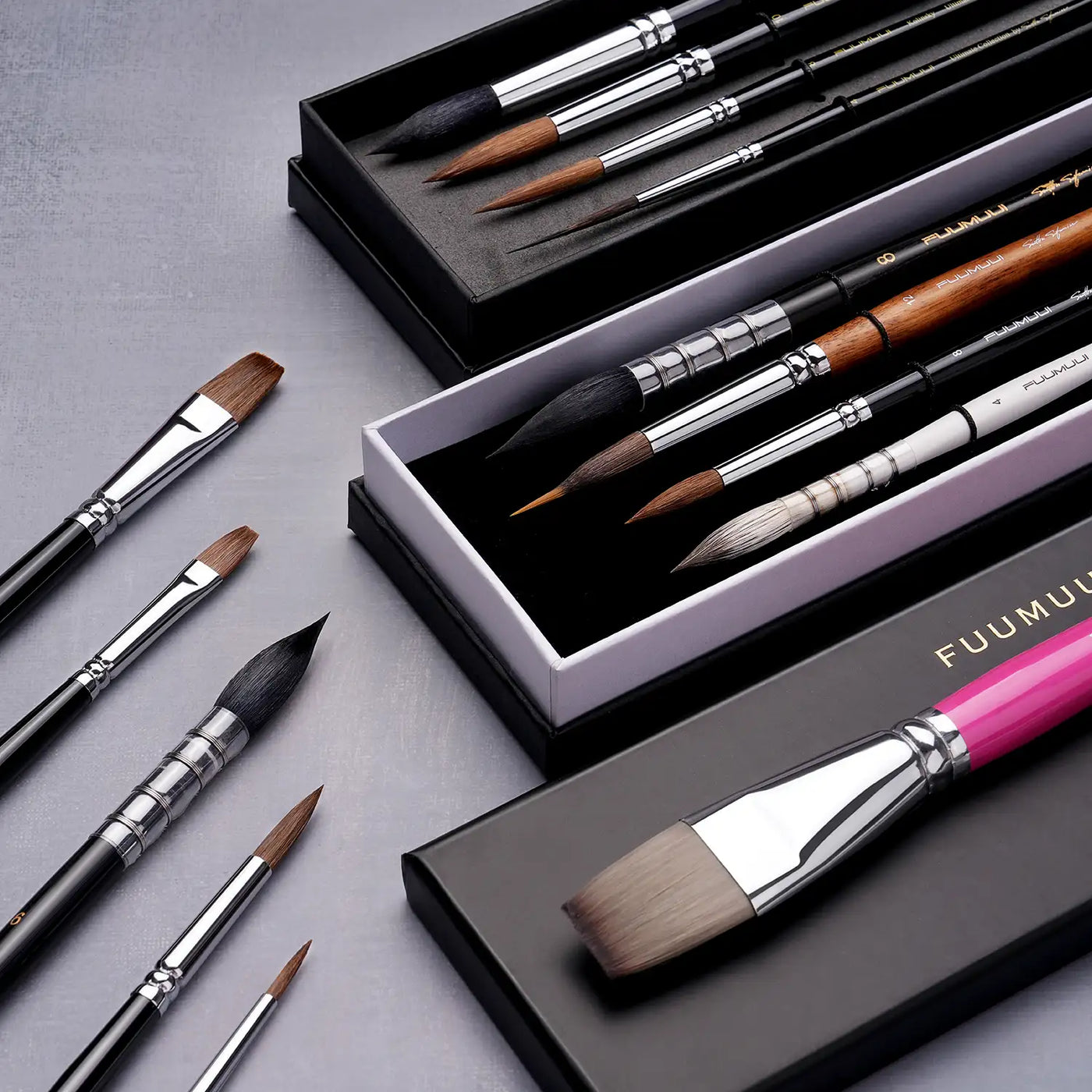
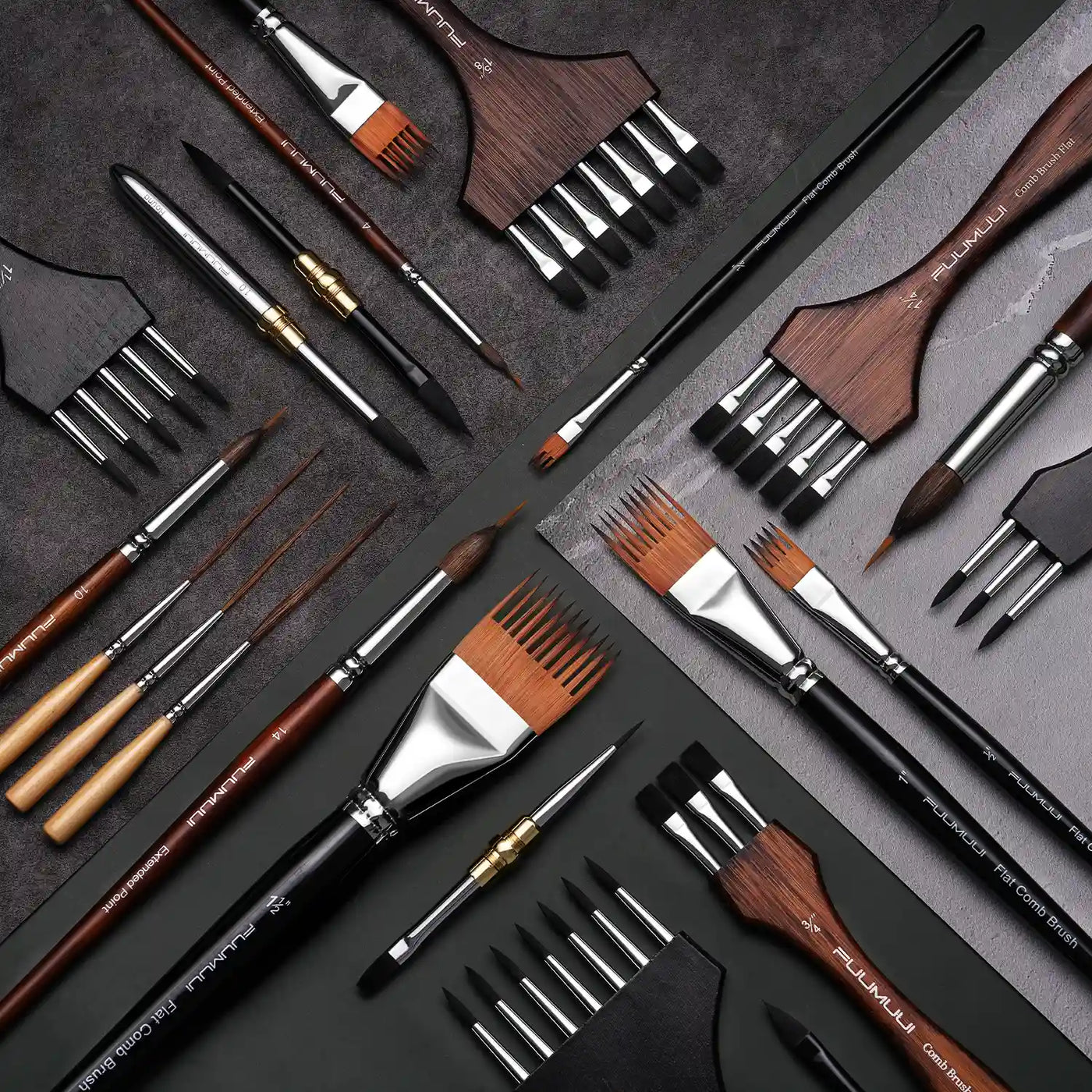
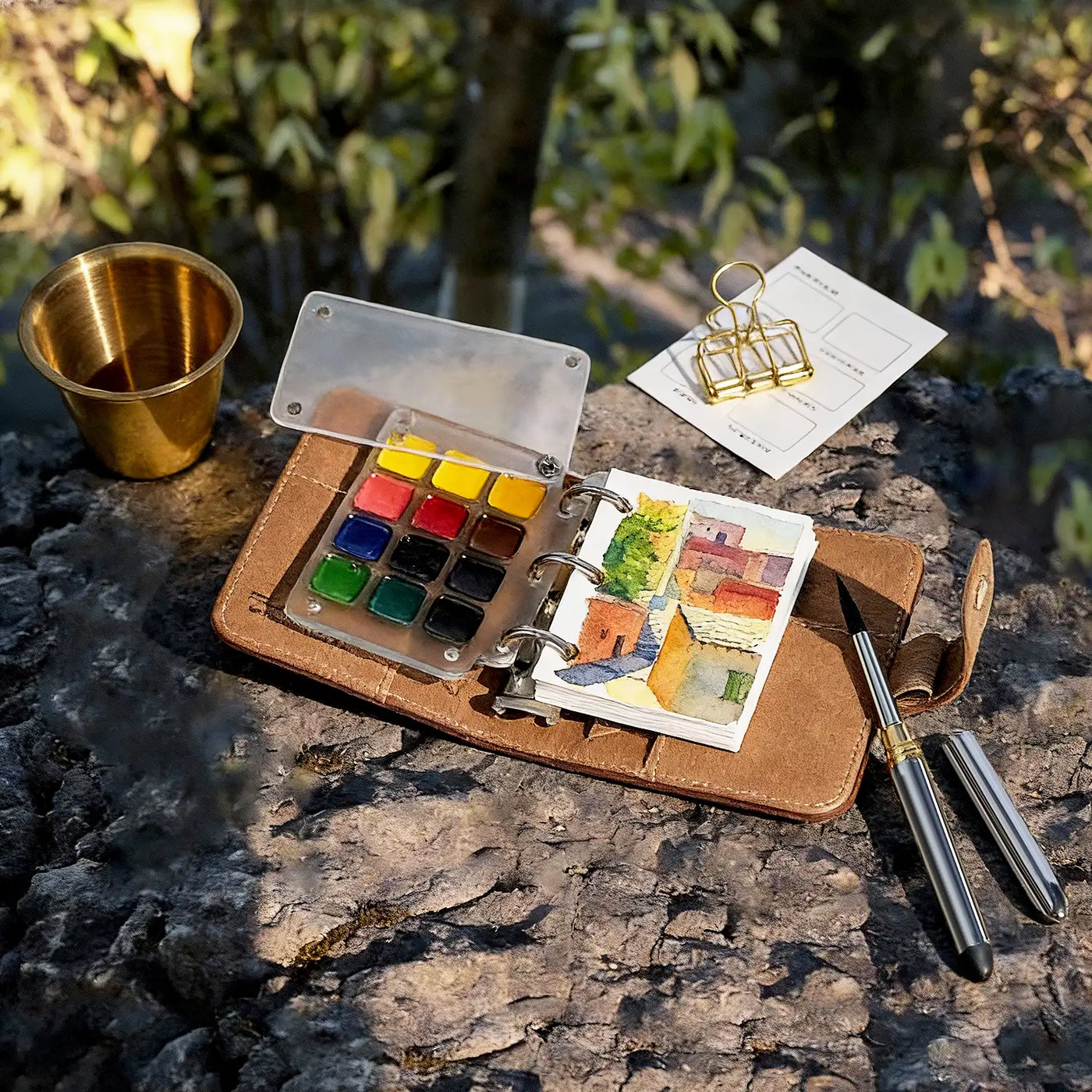
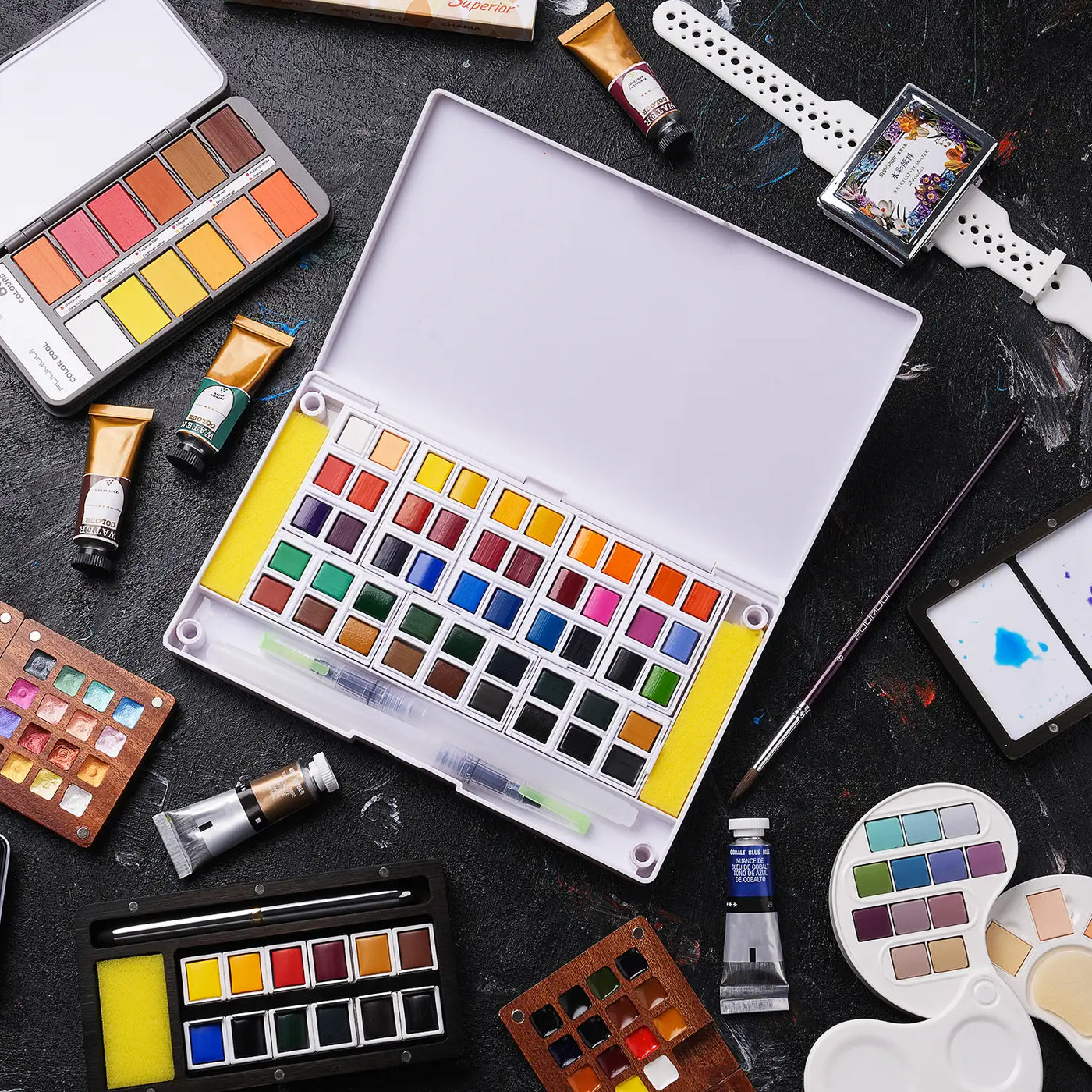
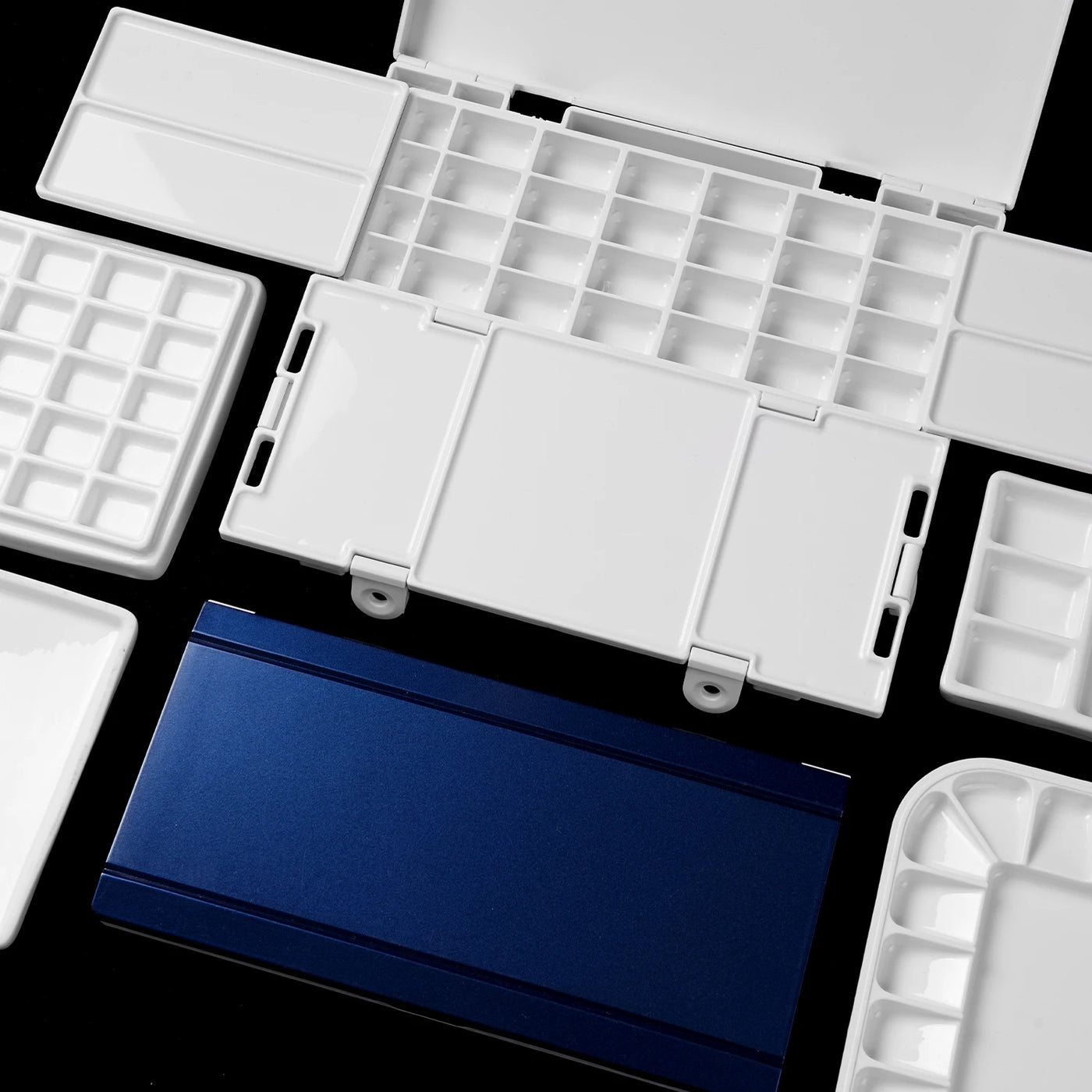
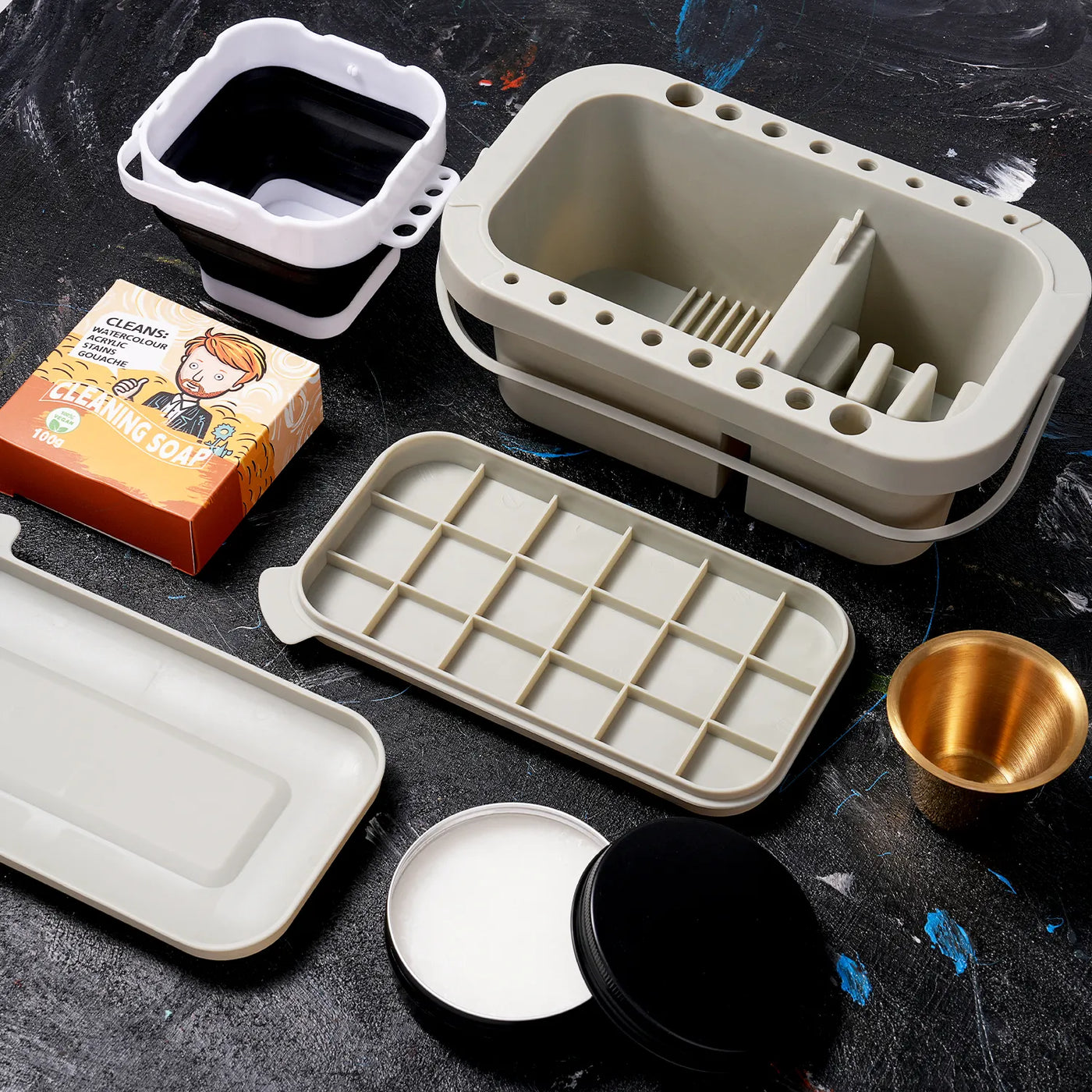
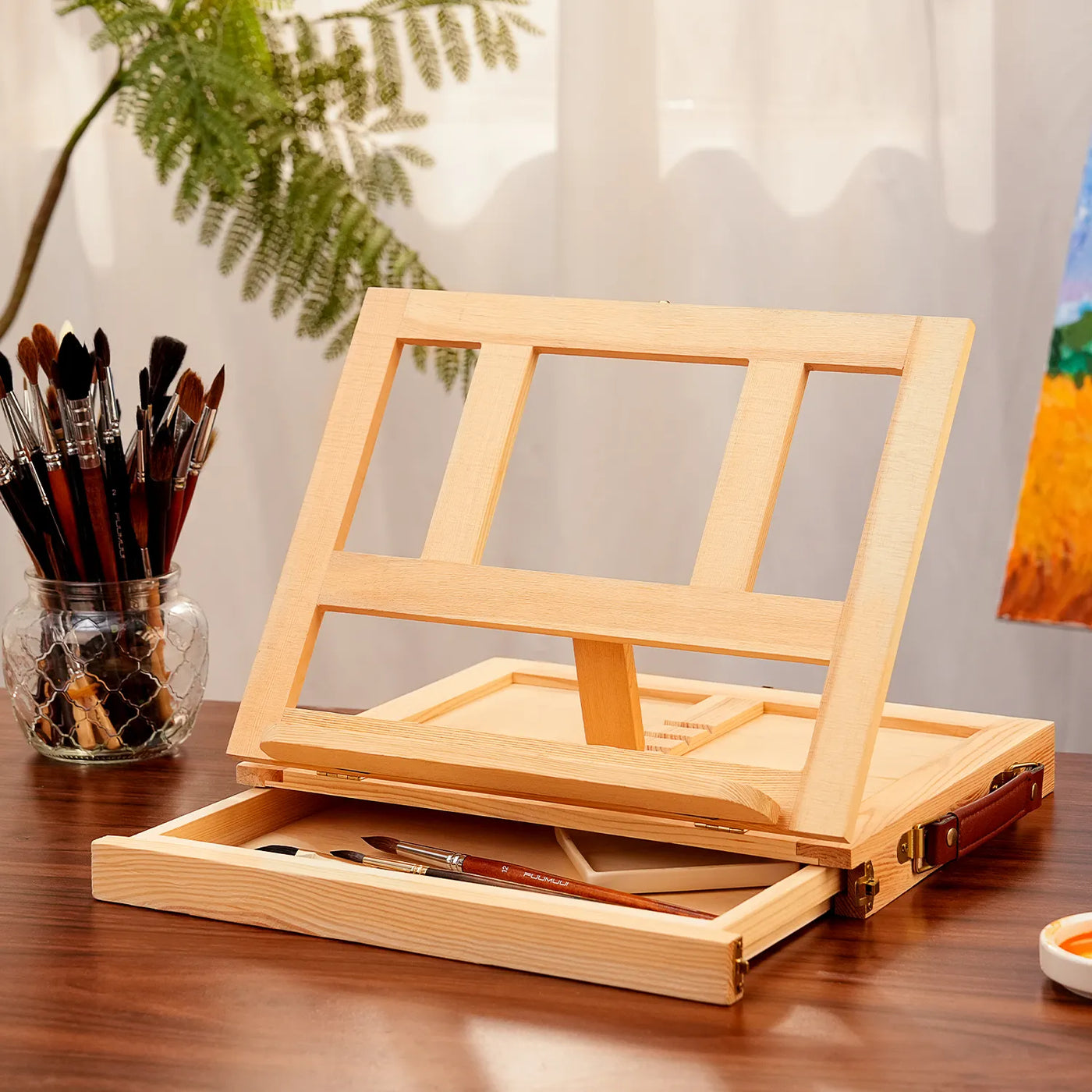
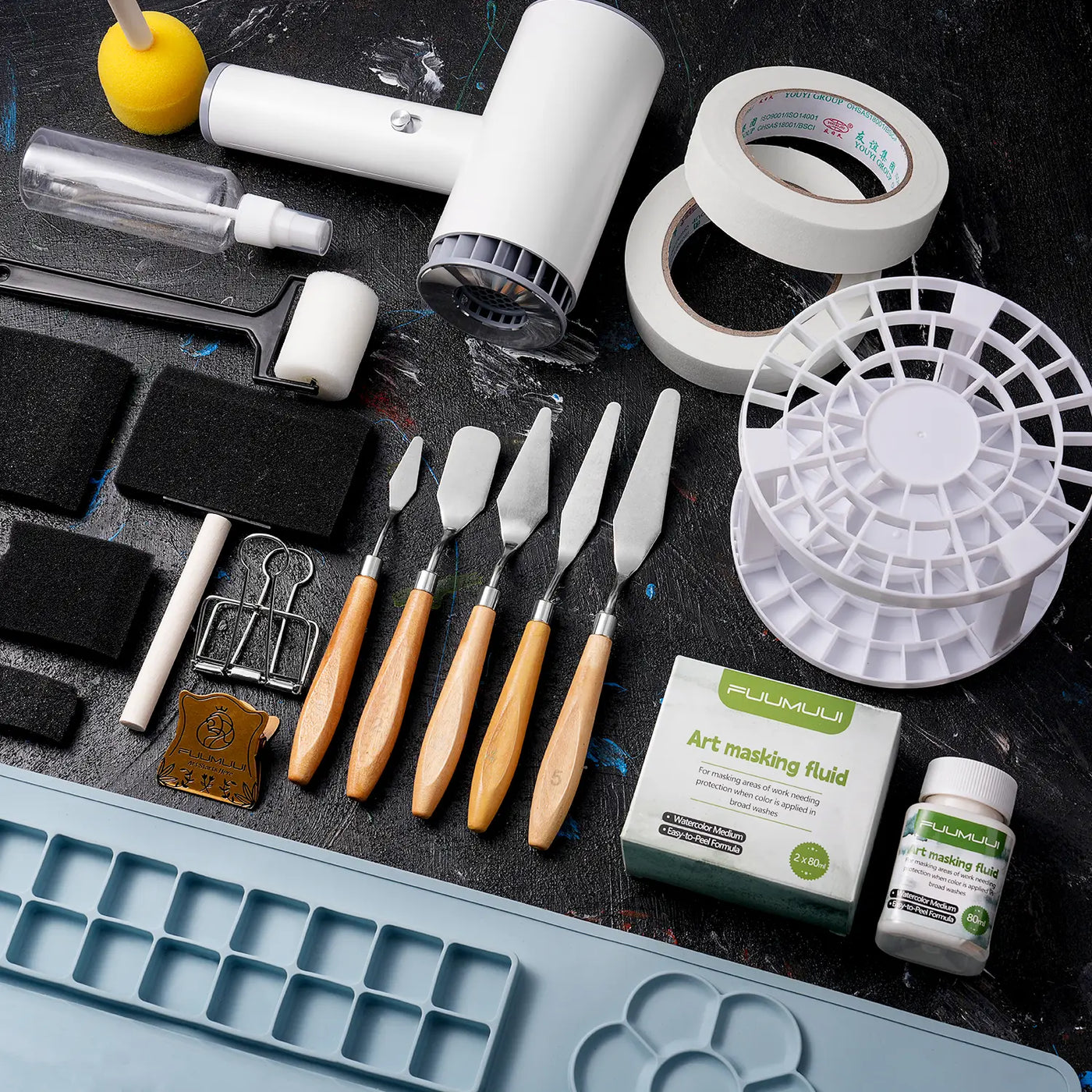
If you are ready to create your next masterpiece—whether destined for a grand gallery frame or a charming desk display—do not forget to check out the exciting range of travel palettes and brush sets, which perfectly complement Fuumuui’s professional watercolor surfaces.

Pronto para criar? Veja os nossos pincéis de aguarela de alta qualidade e o conjunto de pincéis profissionais para aguarela....

Alcance resultados incríveis com o nosso papel para aguarela. Oferecemos o melhor papel para pintura em aguarela: 100% algodão, prensado...


