



Table of Contents
Key Takeaways
Verdict: While some brushes are labeled "all-purpose," watercolor and acrylic brushes differ fundamentally in design, materials, and performance. Using the correct brush is essential for optimal artistic results and protecting your valuable art tools.
- Water Control vs. Strength: A watercolor brush is designed for water control and retention, while an acrylic brush is built for strength and durability.
- Versatility Has Limits: Synthetic brushes can work across both mediums for certain techniques, but dedicated brushes generally perform better for their intended medium.
- Know the Limits: Keep valuable natural-hair watercolor brushes away from acrylic, and avoid using very stiff brushes on delicate watercolor paper.
- Cleaning Is Crucial: Clean acrylic brushes immediately after use. Once acrylic dries inside the bristles or around the ferrule, it can be extremely difficult to remove without damaging the brush.
Many artists wonder why they need different brushes for different mediums. After all, both watercolor and acrylic paints are water-based, so shouldn't one brush set work for both?
The answer lies in how each brush is designed to handle water, pigment, and paint viscosity. Understanding the difference between a watercolor brush vs. acrylic brush can help you choose the right tools, get better results, and protect your investment.
Watercolor Brush vs. Acrylic Brush: What’s the Difference?
Watercolor and acrylic brushes are designed for very different painting demands. One is built to manage water and diluted pigment, while the other is made to handle thicker paint and stronger strokes.
Here is a quick comparison of their key characteristics:
|
Feature |
Watercolor Brush |
Acrylic Brush |
|
Bristle Hardness |
Soft to medium-soft |
Medium to firm |
|
Water Retention |
High (acts like a fluid reservoir) |
Low to moderate |
|
Paint Handling |
Thin, fluid, and diluted paints |
Thick, heavy, and viscous paints |
|
Main Strength |
Unmatched water and pigment control |
Strength, durability, and paint displacement |
|
Handle Length |
Usually shorter for close-up desktop detail |
Often longer for standing easel work |
|
Best For |
Washes, wet-on-wet, gradients, fine lines |
Layering, heavy textures, bold canvas strokes |
|
Common Materials |
Kolinsky sable, squirrel, goat, soft synthetic blends |
Nylon, polyester, stiff synthetic blends, hog bristle |
Watercolor Brush: Control Comes First

A watercolor brush is designed around one priority: controlling water and pigment. Its construction typically features:
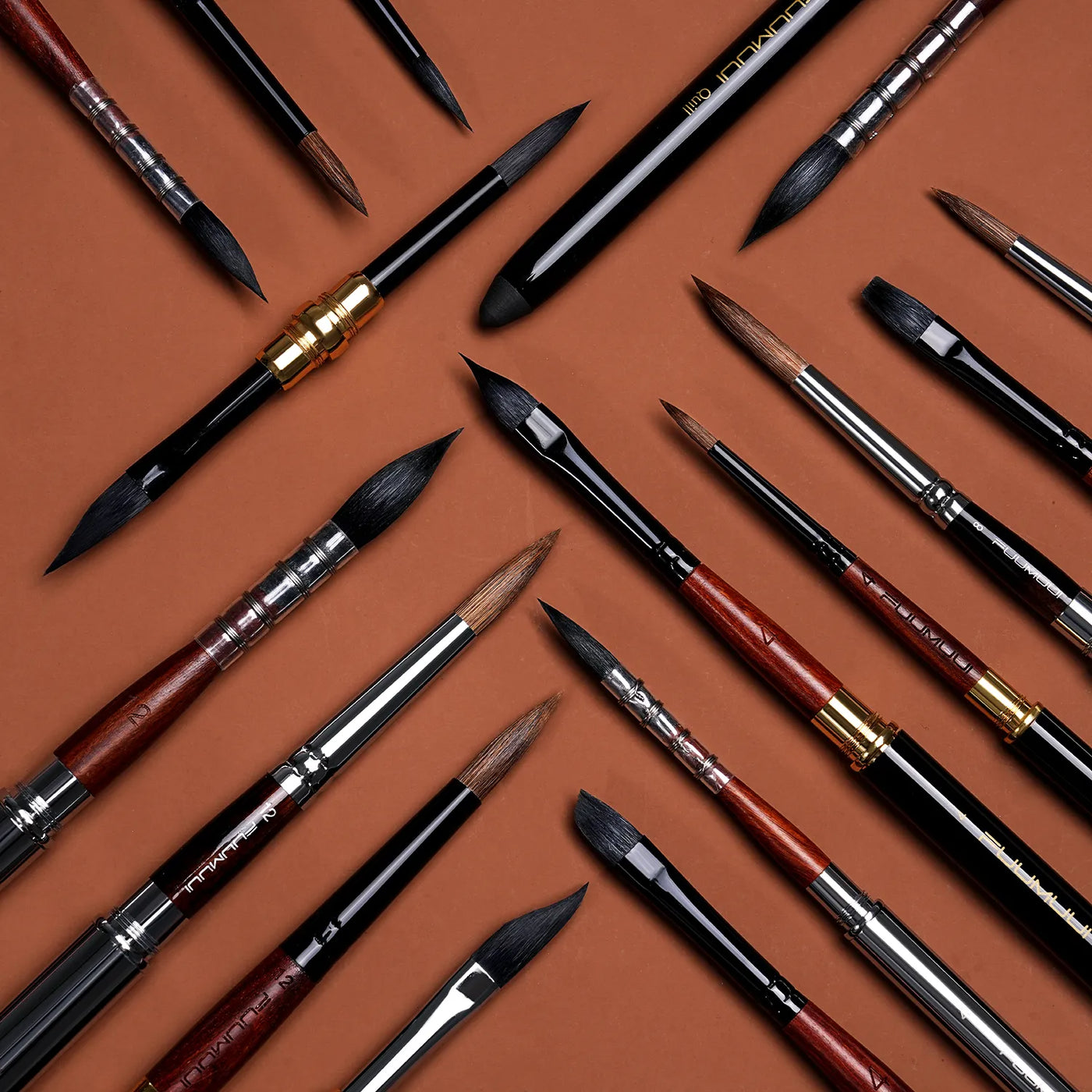
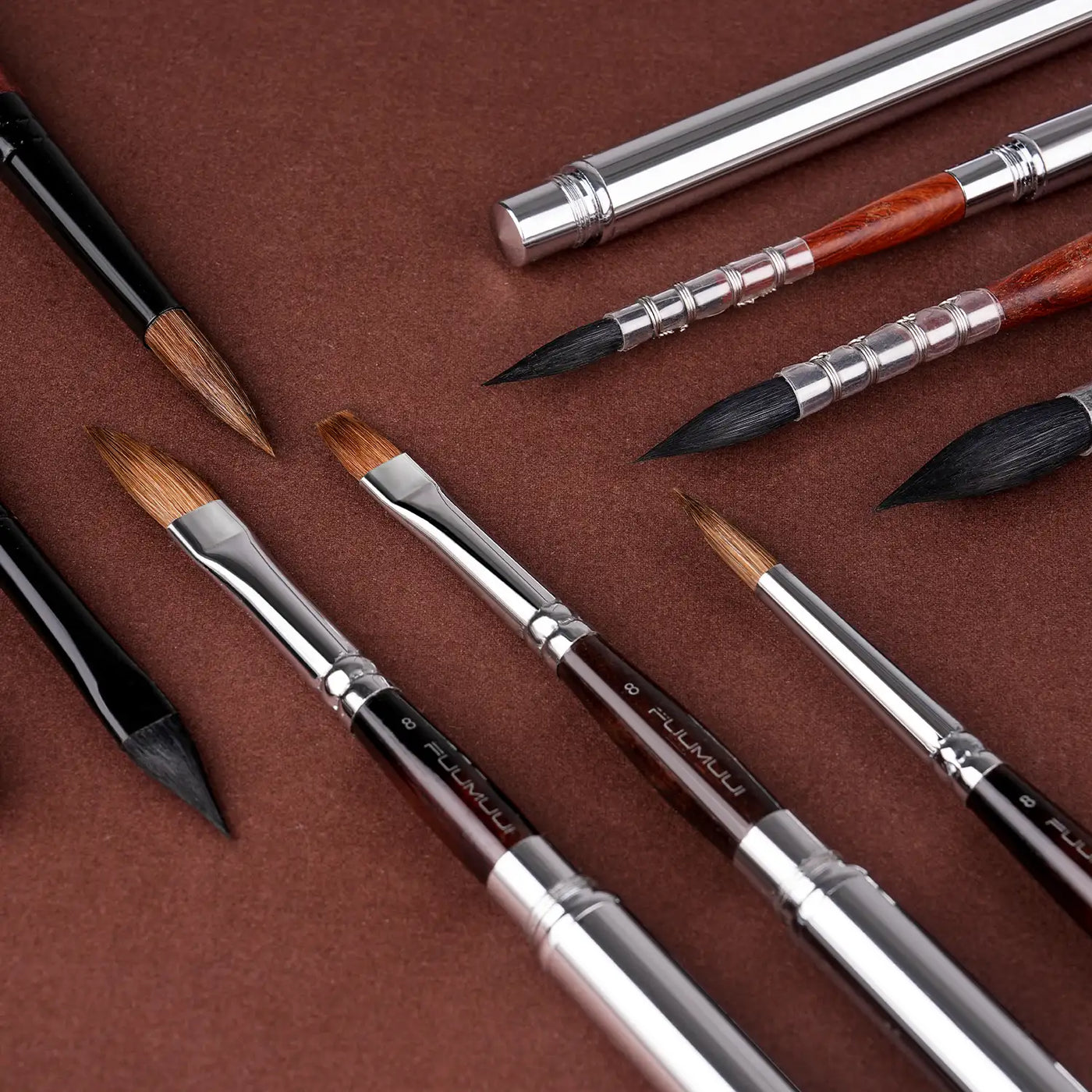
- Soft Bristles: Made from delicate natural hair, such as Kolinsky sable or squirrel, or soft synthetic fibers that provide smooth, gentle strokes on watercolor paper.
- High Water Capacity: Designed to hold and release a generous amount of water and diluted pigment, allowing for longer, more even washes.
- Balanced Spring and Snap: Offers enough flexibility for smooth, flowing strokes while quickly returning to its original shape for precise details.
- Short-Handle Design: Encourages close-up, controlled painting, making it well suited to detailed work at a flat desk.
Acrylic Brush: Strength Comes First

In contrast, an acrylic brush is built to handle thicker, faster-drying paint across canvas and other textured surfaces. Its construction typically features:
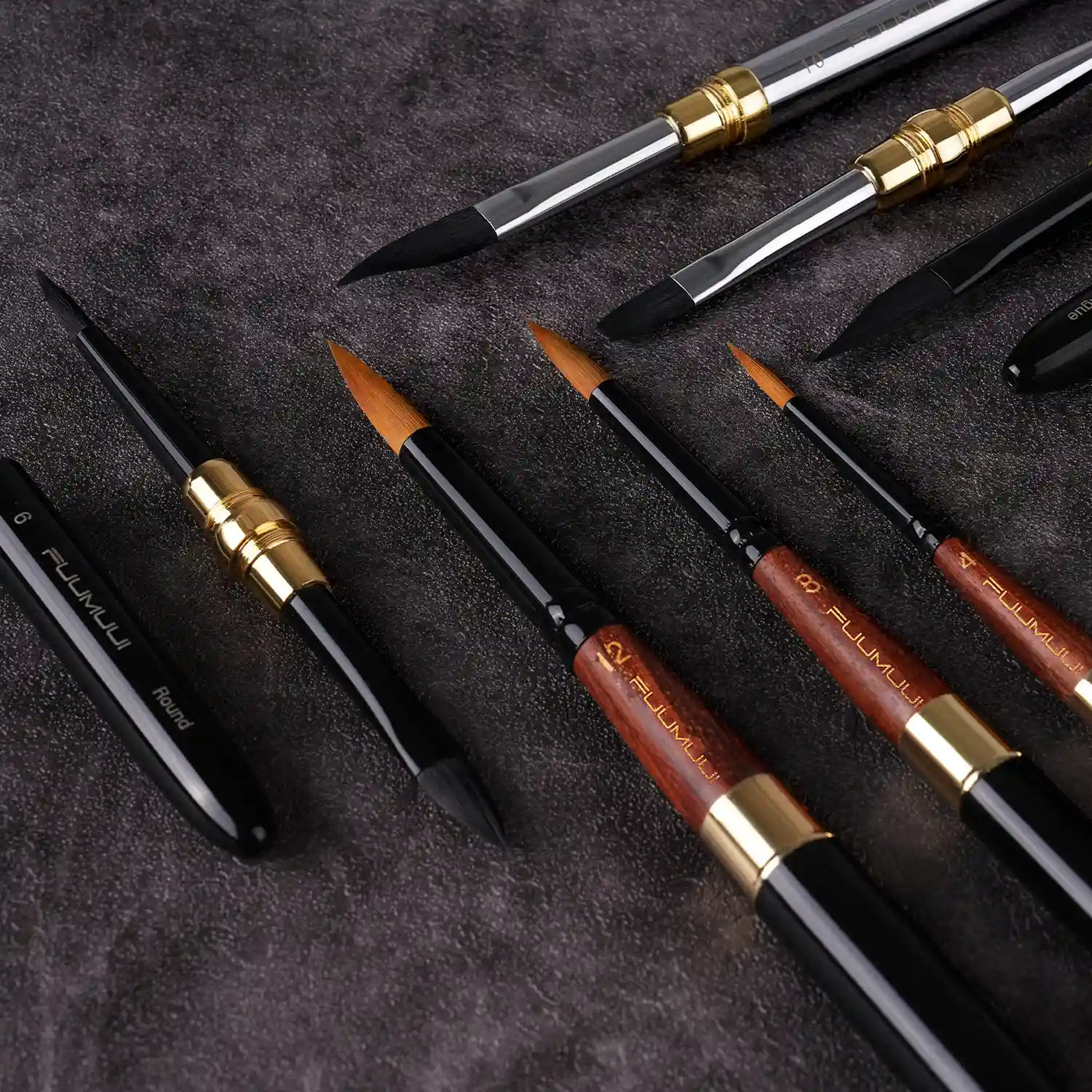
- Stiff and Durable Fibers: Usually made from resilient synthetic filaments, such as nylon or polyester, or natural hog bristles that can withstand repeated use on textured surfaces.
- Low Water Retention: Unlike watercolor brushes, acrylic brushes are not designed to hold large amounts of water. Their bristles are better suited to carrying thicker paint on the surface.
- Strong Shape Retention: A firm backbone allows the brush to push heavy acrylic layers and create textures without easily losing its shape.
- Long-Handle Design: Often suited to upright easel work, allowing artists to paint from a greater distance and maintain a broader view of the composition.
Can You Use a Watercolor Brush for Acrylic Paint?
The short answer is yes—but it depends on the brush and the painting technique. A soft synthetic watercolor brush can handle certain acrylic applications, especially when the paint is thin and fluid. Natural-hair watercolor brushes, however, are best kept for watercolor.
When It Works: Thin Washes and Fine Details
A synthetic watercolor brush can work reasonably well for lighter acrylic techniques, including:
- Thin Acrylic Washes: Suitable for diluted, watercolor-style washes or glazing layers where the paint flows easily.
- Fluid Acrylics & Inks: Works well with low-viscosity mediums that put less physical strain on soft bristles.
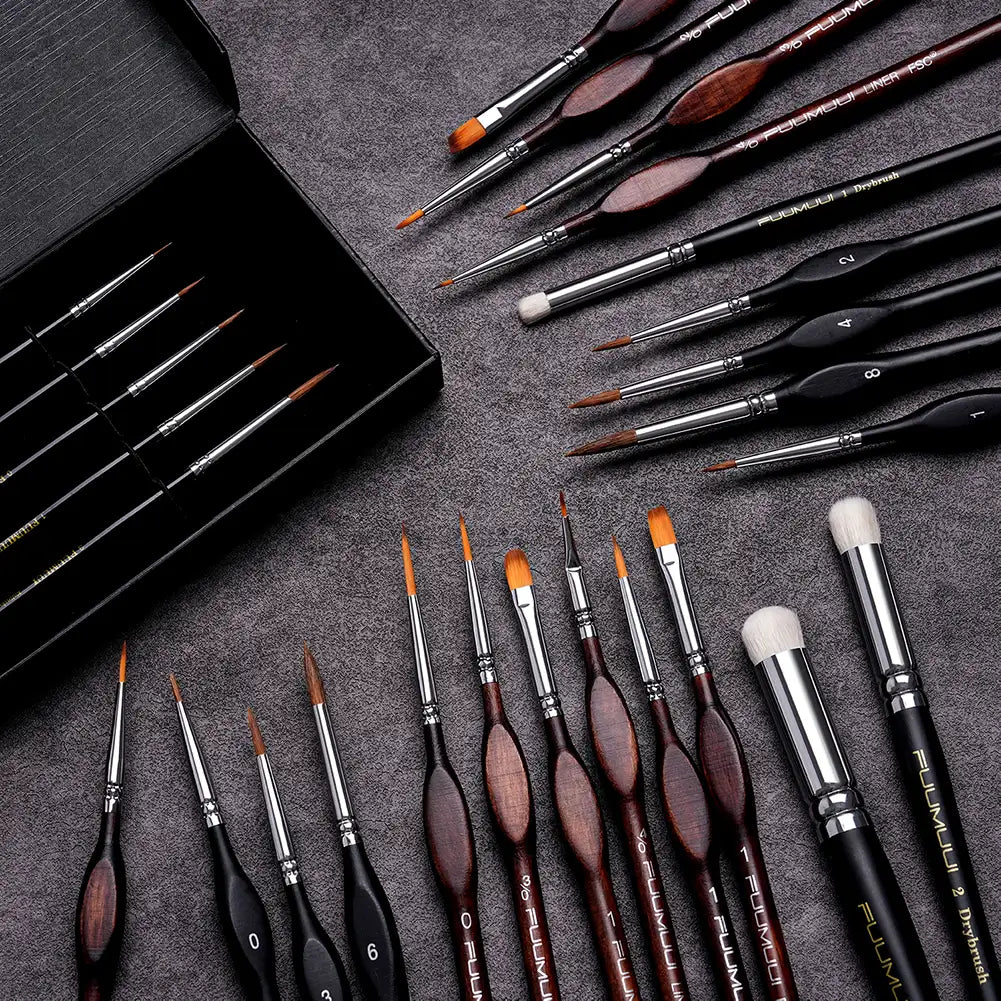
- Fine Detail Work: Useful for miniature painting, thin outlines, and precise touch-ups that require a sharp tip.
For thicker, heavy-body acrylic paint, however, a soft watercolor brush may struggle to push the paint across a surface.
Why You Should Avoid It: The Risk of Permanent Damage
The biggest risk comes when acrylic paint dries inside the brush. Once cured, it can be difficult to remove without damaging the bristles.
- Acrylic Residue: Dried acrylic can form a water-resistant film that locks bristles together and permanently affects the brush's shape.
- Natural Hair: Delicate natural fibers, such as sable and squirrel, are particularly vulnerable to damage from dried acrylic and aggressive cleaning.
- Cleaning Damage: Removing cured acrylic may require intensive cleaning that can weaken or damage delicate bristles.
⚠️ A Word of Caution: Never use a valuable natural-hair watercolor brush for acrylic painting. Dried acrylic can damage delicate bristles, so keep premium watercolor brushes dedicated to watercolor.
Can You Use an Acrylic Brush for Watercolor?
Yes—but with some trade-offs. An acrylic brush can apply watercolor paint, but it isn't designed to manage water and pigment like a dedicated watercolor brush.
When It Works: Fine Lines and Crisp Details
A synthetic acrylic brush can be useful for controlled techniques such as:
- Precise Linework: Firm bristles create sharp, controlled strokes for outlines, branches, and architectural details.
- Dry-Brushing Textures: Useful for grass, scratchy textures, and mixed-media effects.
- Lifting Color: A slightly damp, firm synthetic brush can gently lift dry pigment to correct small areas or create highlights.
For these techniques, the firmness of an acrylic brush can actually be an advantage.
Why It's Not Ideal for Watercolor Washes
Acrylic brushes prioritize firmness and shape retention over water capacity, making them less suitable for:
- Large Washes: Lower water retention means the brush may run dry quickly.
- Soft Blending: Limited water capacity makes smooth gradients and continuous washes more difficult.
- Delicate Paper: Very stiff brushes, especially hog bristles, may damage wet watercolor paper through excessive scrubbing.
💡 The Golden Rule: Acrylic brushes are built to move paint, while watercolor brushes are designed to control water and pigment. For washes and wet-on-wet techniques, choose a dedicated watercolor brush.
Natural Hair vs. Synthetic Brushes: Which Is More Versatile?
Understanding the differences between natural vs. synthetic brushes can help you make a smarter choice, especially if you work with more than one medium.
Natural Hair Brushes: Best for Dedicated Watercolor Work

Natural hair brushes, such as sable and squirrel, are prized for their unique qualities, including exceptional softness, water retention, and natural responsiveness. These qualities make them ideal for watercolor washes and delicate details.
However, they are more delicate and should be kept away from acrylic paint, especially when using a valuable brush.
Synthetic Brushes: The More Versatile Choice

For artists who work with both watercolor and acrylic, high-quality synthetic brushes offer greater versatility. Depending on the fiber softness and brush design, they can provide good water capacity for watercolor while offering the durability and easier cleaning needed for acrylic.
Can One Brush Set Work for Both Watercolor and Acrylic?
If you only paint occasionally, a good synthetic brush set may work well for both mediums. But if you paint regularly, separate brushes are the better long-term choice.
It's not about owning more brushes—it's about using the right tool for the job. Dedicated brushes offer better control and help protect your investment.
|
Painting Style |
Recommended Choice |
|
Mainly watercolor |
Dedicated watercolor brushes |
|
Mainly acrylic |
Dedicated acrylic brushes |
|
Occasional use of both |
Quality synthetic brushes |
|
Regularly painting both |
Separate brush sets |
Don't Forget Brush Cleaning!
Proper cleaning is essential for keeping your brushes in good condition, especially when working with acrylic.
- For watercolor brushes: Rinse gently with clean water, reshape the tip, and let the brush dry thoroughly. Avoid storing a wet brush upright for extended periods, as moisture can collect around the ferrule and weaken the glue over time.
- For acrylic brushes: Clean them immediately after use. Work lukewarm water through the bristles, paying close attention to the area around the ferrule. If needed, use a mild brush-cleaning soap, then rinse, reshape, and store it once dry.
⚠️ Warning: Never let acrylic paint dry on your brush. It can harden around the ferrule, lock the bristles together, and permanently damage the brush—especially delicate watercolor brushes.
Ready to Paint? Choose Your Perfect Brush Today
Choosing the right brush is about working with your paint, not against it. Matching your brush's physical design to your chosen medium will make painting easier, more confident, and incredibly rewarding.
Ready to upgrade your studio? Protect your investment, elevate your brushwork, and explore our premium brush collection to find the perfect tools for your creative journey today.