















Table of Contents
Key Takeaways
Verdict: A high-quality paintbrush is a 30-year investment. Proper care preserves its precision, prevents splaying, and ensures your professional tools never turn into "brooms."
- Cleaning: Wash immediately. Wipe away excess paint first to prevent hardening in the ferrule "dead zone."
- Drying: Lay flat to dry. Never dry upright. Use the paper wrapping technique to restore a sharp, compact shape.
- Maintenance: Use cold water for watercolor and solvent + soap for oils until the foam remains pure white.
- Storage: Store upright only when bone-dry. Use cedar wood to protect natural hair brushes from moth damage.
- Surface Care: Avoid using your best brushes on rough textures (sand/marble dust) to prevent the "sandpaper effect."
Hi everyone. Today I'll talk about caring for expensive painting materials: paintbrushes.
Just like with paints, with use we discover that from a more or less numerous set of brushes, we generally only use a portion, and always the same ones.
This is natural because it's a working tool, and just as in the kitchen we tend to use the knives that hold their edge best, the most comfortable and ergonomic ones, which we might call "the best," simply because they do a good job and with greater ease.
Why Professional Paintbrush Maintenance Matters
A good paintbrush, especially the larger ones, can have a useful life—if well cared for—of two decades. I've used good brushes for up to 30 years that simply shortened in size with use. To ensure this longevity, we must understand two critical aspects of brush care:
1. The Old-Fashioned Practice
Historically, longevity was due to the old-fashioned practice of using a brush until it literally dies, from lack of bristles. While nowadays supply and variety have driven prices down so much that cutting the metal ferrule to add a few millimeters of bristles to the worn-out brush is rarely needed, valuing your materials remains essential.
2. The Acrylic Paint Hazard
On the other hand, the best and most expensive brush can be ruined in a single painting session if, out of laziness or ignorance, we decide not to clean a used brush with acrylic paint because "We'll keep painting after lunch or after a nap."
On a hot day, that brush will have turned into a spatula after 30 minutes, as if we had painted with epoxy glue. This is why I cannot stress enough how essential it is to know how to clean acrylic paint brushes immediately.
Therefore, how we treat the brush will determine its lifespan, whether long or short. Like any tool that requires constant maintenance, every turner, carpenter, farmer, or gardener knows this.
Paintbrush Care by Medium
How to Clean Watercolor Brushes
Proper care for watercolor brushes begins with washing them in cold water. Since many are made of fine animal hair, you must treat them gently.

- Cleaning: Use a specific brush soap. Rinse off the soap and clean until no more paint residue remains.
- Shaping: Shape pointed brushes with your fingers and let them dry.
- Maintenance: If the bristles splay outwards, wrap the tip of the brush with a strip of paper and curl it into a cone. Secure it tightly with tape and let it dry overnight.
For flat brushes, use masking tape as explained below for flat oil and acrylic brushes.
How to Clean Acrylic & Oil Paint Brushes
These tools must be cleaned IMMEDIATELY after finishing a painting session, and proper cleaning is crucial. To safely remove the pigment, follow this step-by-step cleaning process:
-
Wiping Excess: Remove as much paint as possible with a dry cloth.


-
Solvent Wash: Dip the brush in mineral spirits several times and dry it with a cloth: the solvent will come out with some of the diluted paint. Repeat 2 or 3 times.

- Soap Lather: Wash the brush with brush soap. Gently rub the brush against the soap and rinse with warm water. At first, colored foam from the paints used will appear; continue until only white foam remains.
Warning: If we forget to clean them, the paint will solidify between the bristles.
- In the case of acrylic, the polymer emulsion will stick the bristles together like a palette knife, ruining the brush.
-
In the case of oil paint, we can later salvage the brush with intense washes of turpentine or another solvent and then vigorously rub the brush against soap, but the part near the ferrule will solidify, losing between a quarter and half of the brush, leaving only the bristles at the tip flexible.
Cleanliness is the ultimate test of the brush manufacturer's quality. If bristles fall out when washed with soap—and even worse, while painting on canvas—it's a sign that the glue holding the bristles to the ferrule is insufficient or of low quality. Leave these brushes for children for school use or for glue when making collages.
How to Dry Paint Brushes Properly
Paper drying is just as important as cleaning for extending the life of a brush. Proper technique is key when learning how to dry paint brushes properly without damaging them.
As rubbing the bristles against soap to remove paint often causes the brush to lose its original compact shape, simply allowing them to air dry naturally often leaves you with bristles splaying outwards, especially in flat brushes.
Therefore, we need strips of paper to dry the brush while preserving its shape.

- The paper can be newspaper (60-90 gsm) or thicker.
- It must be absorbent, meaning without any type of lamination or plastic coating.
How to Wrap Brushes
-
For Round or Liner Brushes, wrap the brush with paper, adjusting each turn to tighten the paper tape and form a conical spiral. Secure the wrapping with Scotch tape or a paper clip.
-

For Flat Brushes, wrap the mass of bristles several times, tightening each turn. If there is excess paper above the brush tip, check the end of the bristle layer by touch and fold the paper towards the handle. Secure with staples or tape and wait until the next day.
When you remove the paper, the brush will have dried, retaining its original, compact shape.
How to Store Paint Brushes Properly
While cleaning and drying are only half the battle, storage of your brush will determine how long it will last.
- Dry Flat First: Never place your freshly washed brushes upright. Gravity will cause all the water and solvents to run straight down into the ferrule, causing the wood to swell and the glue to rot. They should be laid flat to dry.
- Store Upright: Once your brushes are completely bone-dry, store them upright in a jar with the bristles facing up.
- Travel Care: Don't pack your brushes loosely into your bag. This will result in crushed bristles. Invest in a roll-up mat or a hard case to protect your best tool from becoming a broom.
- Beware of Moths: Fine animal hair watercolor brushes are a feast for moths. Store your brushes in a tight-sealing container with some cedar wood to prevent your fine tools from being silently devoured by moths.
Just like a carpenter hanging his saws, giving your tools a home is simply common sense.
4 Common Mistakes to Avoid
Even with perfect cleaning habits, a single careless moment can ruin a good tool. Here is what you should avoid and keep in mind:
- Leaving Brushes in Water: Never leave a brush resting bristle-down in a jar of water or turpentine. The handle's weight will bend the bristles permanently, turning your precision tool into a useless hook.
- Using Hot Water: Always wash with cool or lukewarm water. Hot water expands the metal ferrule and melts the epoxy, causing your brush to shed endlessly across your canvas.
- The Ferrule "Dead Zone": Avoid letting paint travel all the way up to the metal part (the ferrule). If paint dries inside the ferrule, it acts like a wedge, forcing the bristles apart and causing the brush to permanently lose its shape.
- Ignoring the "Sandpaper Effect": If you paint on a canvas or board with a rough texture—such as a ground made of sand, talc, or marble dust—it is exactly like rubbing a brush against sandpaper. A good portion of the bristles will literally be "eaten away" by the rough surface.
Pro Studio Tip: If you’ve chosen a highly textured surface, don't use your best brush. Instead, pick one you don't mind sacrificing, especially for the first layers of paint. While accumulated impasto eventually smooths the surface, working with diluted paint on a large textured canvas (say, 1 x 1.20 m) can literally cost you the equivalent of several brushes cut in half!
Ready to Treat Your Brushes Better?
Good paintbrush care habits and knowing how to clean paint brushes properly lead to better performance and longer-lasting tools.
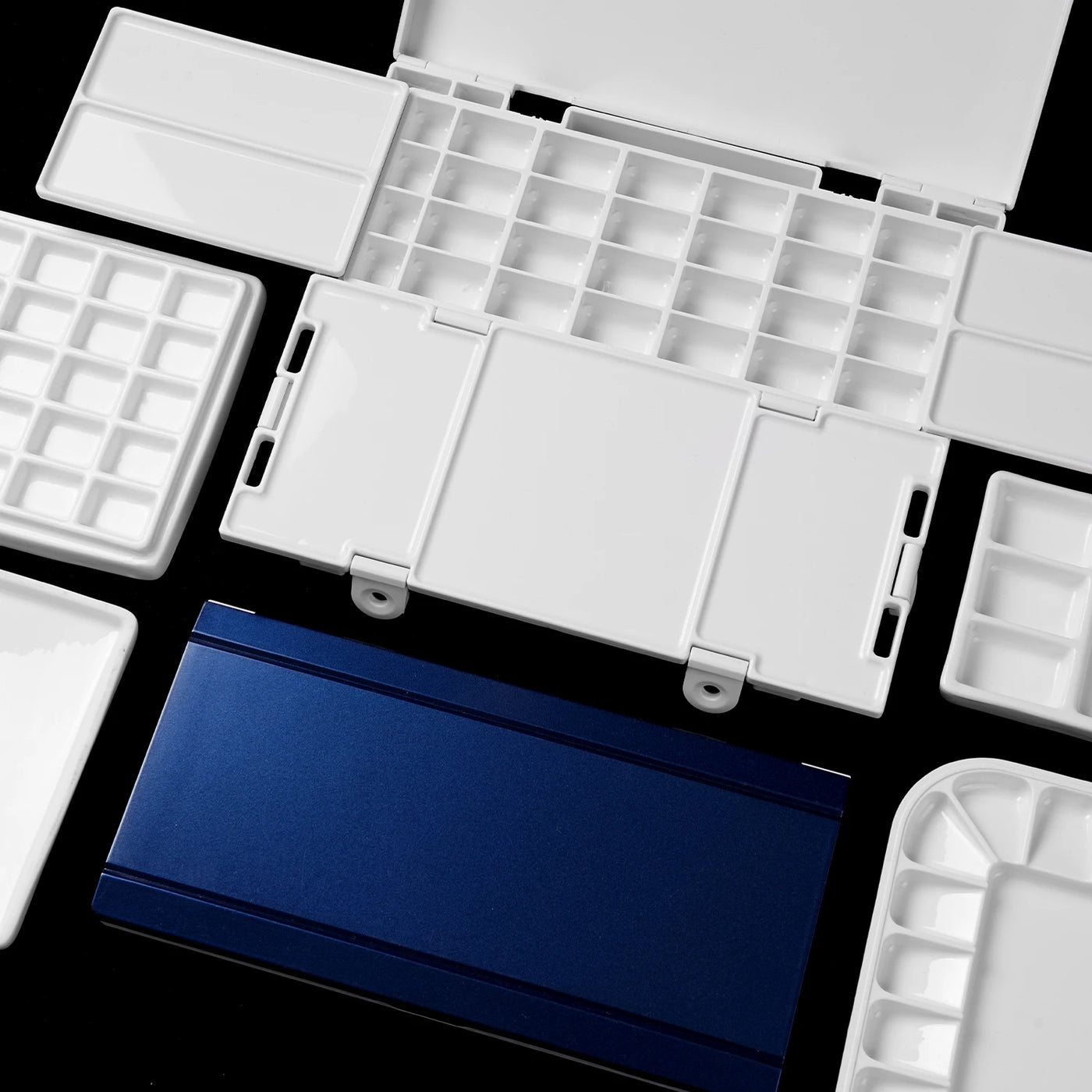
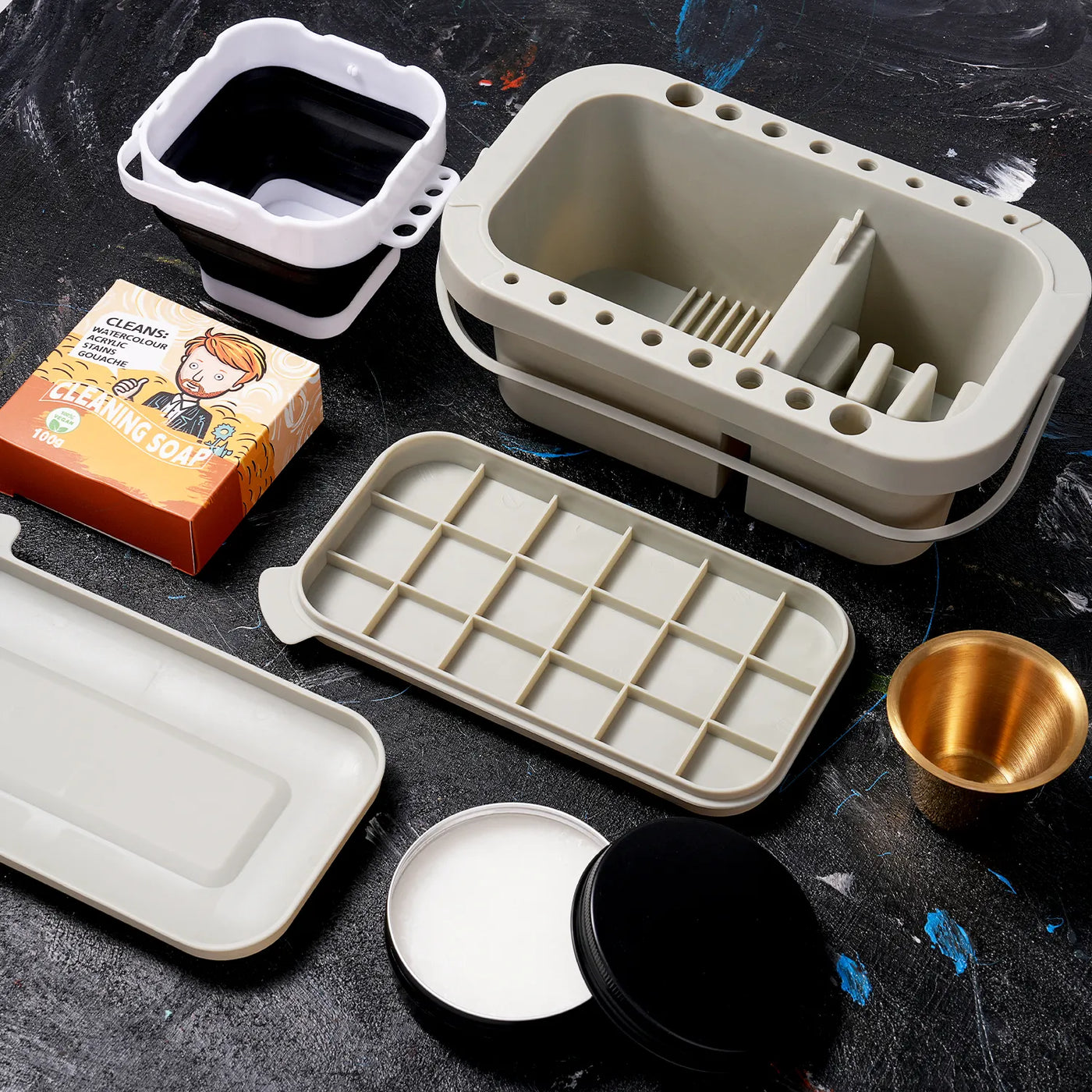
Upgrade your setup with our professional paintbrush cleaning accessories designed to extend brush life.
Feel free to share any tips on cleaning and maintaining your paintbrushes in the comments section!


Thank you for these instructions and pointers. I have wondered if I should occasionally clean my watercolor brushes with soap in addition to the water. However, I have never seen a good discussion about it and so truly appreciate your advice.