







Table of Contents
Key Takeaways
Verdict: Better watercolour painting starts with understanding how water, pigment and paper work together. Mastering a few essential watercolour techniques can help you create softer washes, sharper details, richer colours and luminous highlights.
- Essential Techniques: Use wet-on-wet for soft edges, wet-on-dry for precise details, and lifting to create highlights or correct mistakes.
- Materials Matter: Choose 300gsm/140lb 100% cotton paper, suitable brushes and a ceramic or porcelain palette for more reliable results.
- Layering and Colour Mixing: Build transparent layers from light to dark, and experiment with colour combinations to achieve the right balance without muddying your washes.
- Tonal Value: Control light and dark contrasts to create a sense of form, volume and depth.
- Preserving Whites: Leave areas of paper unpainted for the brightest highlights, or use masking fluid to protect small white details.
Hi all,
Today I want to talk about some of the essential techniques that help us understand watercolour painting. Water, pigment and paper are constantly interacting, and learning how they behave gives us more freedom to paint the way we want.
Some techniques create soft, flowing effects, while others give us sharper edges and greater control. The important thing is to understand when and how to use them.
Understanding Essential Watercolour Techniques
Three techniques are particularly useful in watercolour: wet-on-wet, wet-on-dry and lifting. Each creates a different effect, and learning to work with them opens up more possibilities in your painting.
Wet-on-Wet: Creating Soft Edges and Atmospheric Effects

Wet-on-wet means applying paint to damp paper or adding fresh colour to a wet wash. The pigment spreads through the water, creating soft edges and gentle transitions.
I find this technique particularly useful for skies, distant landscapes and areas where colours need to blend naturally. The amount of water makes a big difference. A very wet surface allows the pigment to move freely, while slightly damp paper gives you more control.
Wet-on-Dry: Achieving Sharp and Controlled Details

Wet-on-dry means applying wet paint to dry paper. The pigment stays closer to where the brush places it, making this technique useful for defined shapes, outlines and smaller details.
It also works well when you want to add definition after the first washes have dried. Knowing when to switch between wet-on-wet and wet-on-dry helps you balance softness with precision.
Lifting: Creating Highlights and Texture
Lifting involves removing some pigment from the paper with a clean, damp brush. It can lighten an area, soften an edge or create highlights and texture.
The result depends on the pigment, paper and how dry the paint has become. Some colours lift more easily than others, so experimenting with your materials is the best way to understand what they can do.
Choosing the Right Materials for Watercolour Painting
Materials influence how watercolour behaves. You do not need a large collection of supplies, but I believe it is worth choosing paper, brushes and a palette that allow you to work comfortably with water and pigment.

Watercolour Paper: The Benefits of 100% Cotton
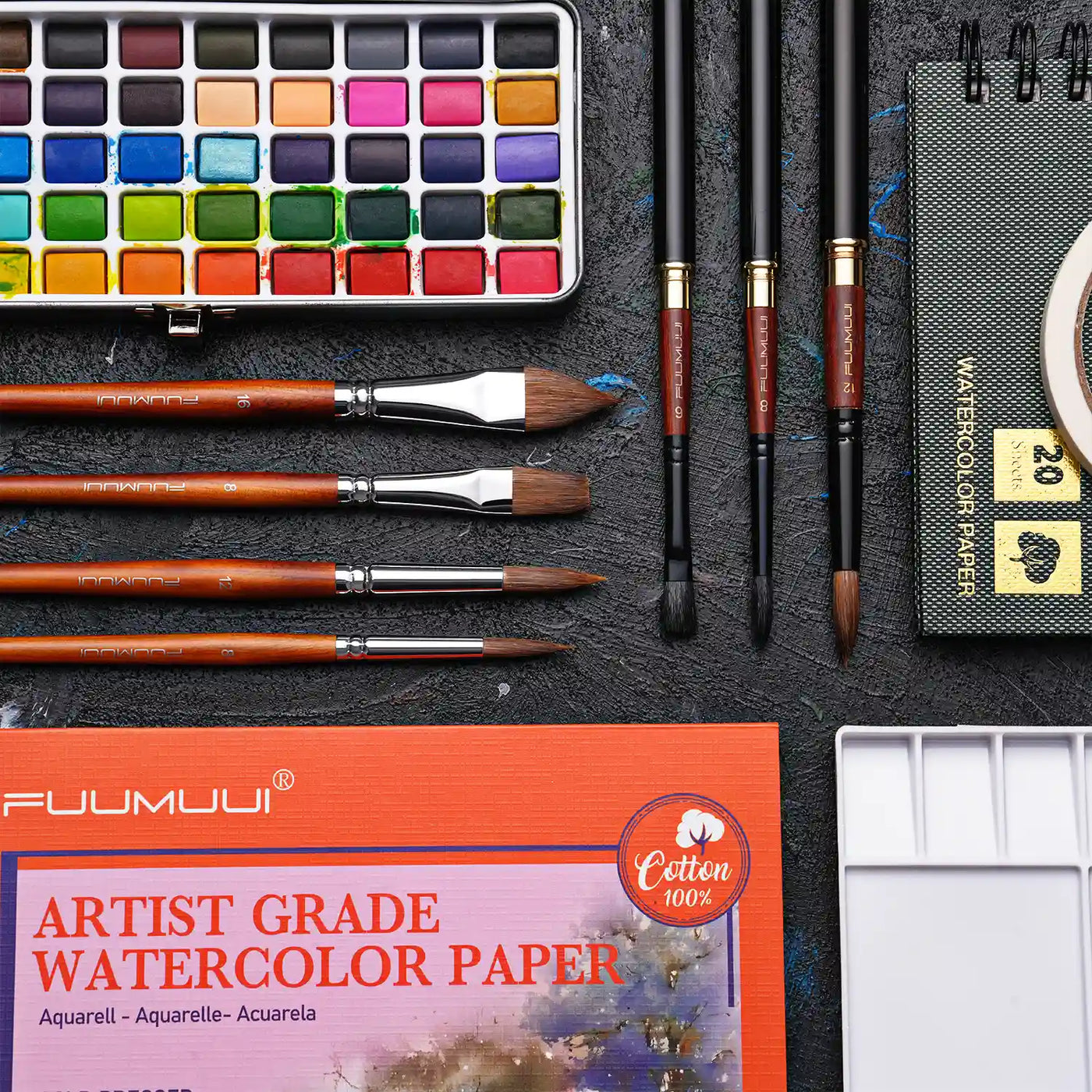
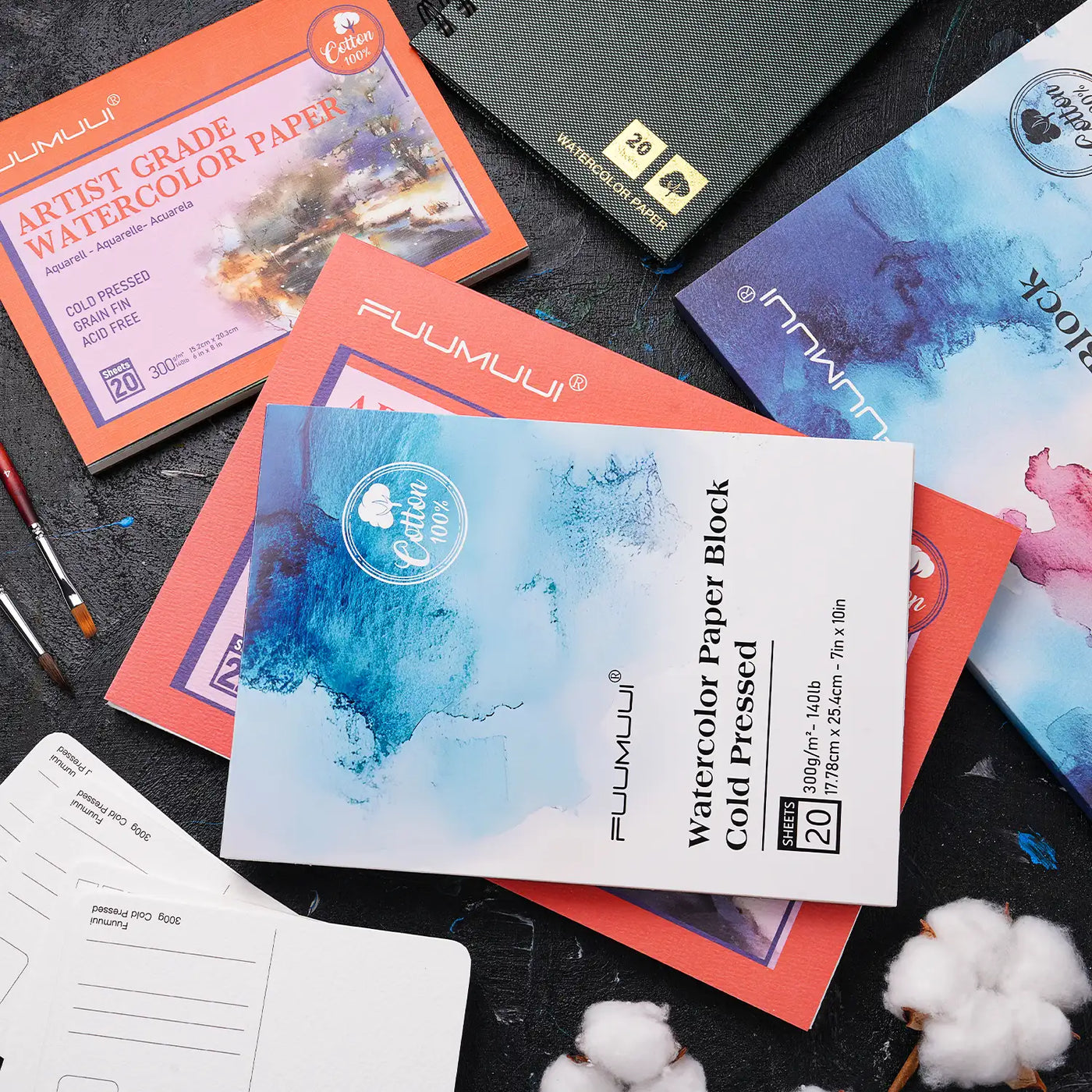
I recommend 100% cotton watercolour paper around 300 gsm (140 lb). It is well suited to washes and layering, giving you a surface that can handle repeated applications of water and paint.
Paper affects how quickly water is absorbed, how colours spread and how the surface responds to repeated brushwork. Choosing the right paper makes it easier to focus on painting rather than struggling with the material.
Brushes: Water Retention and Shape Control
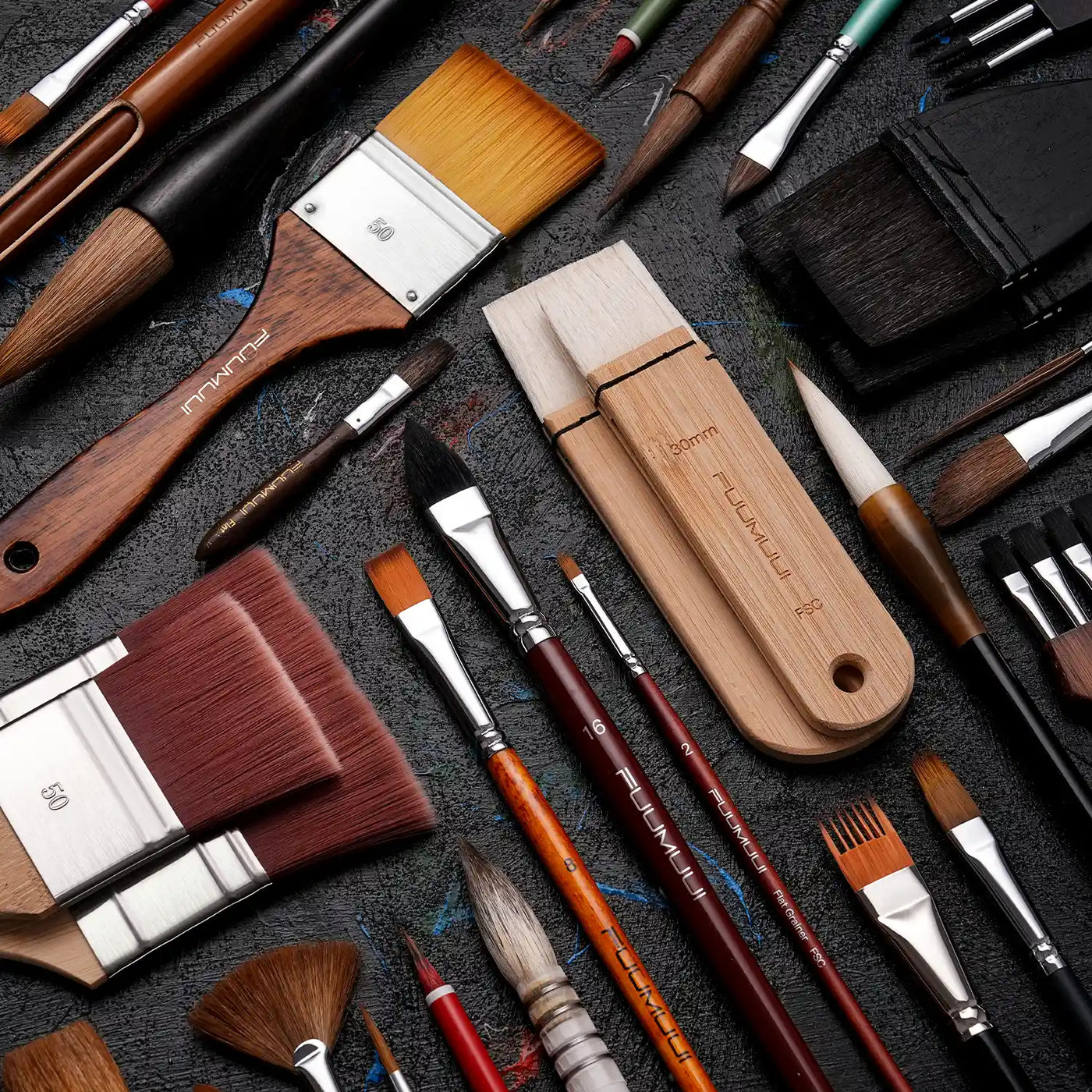
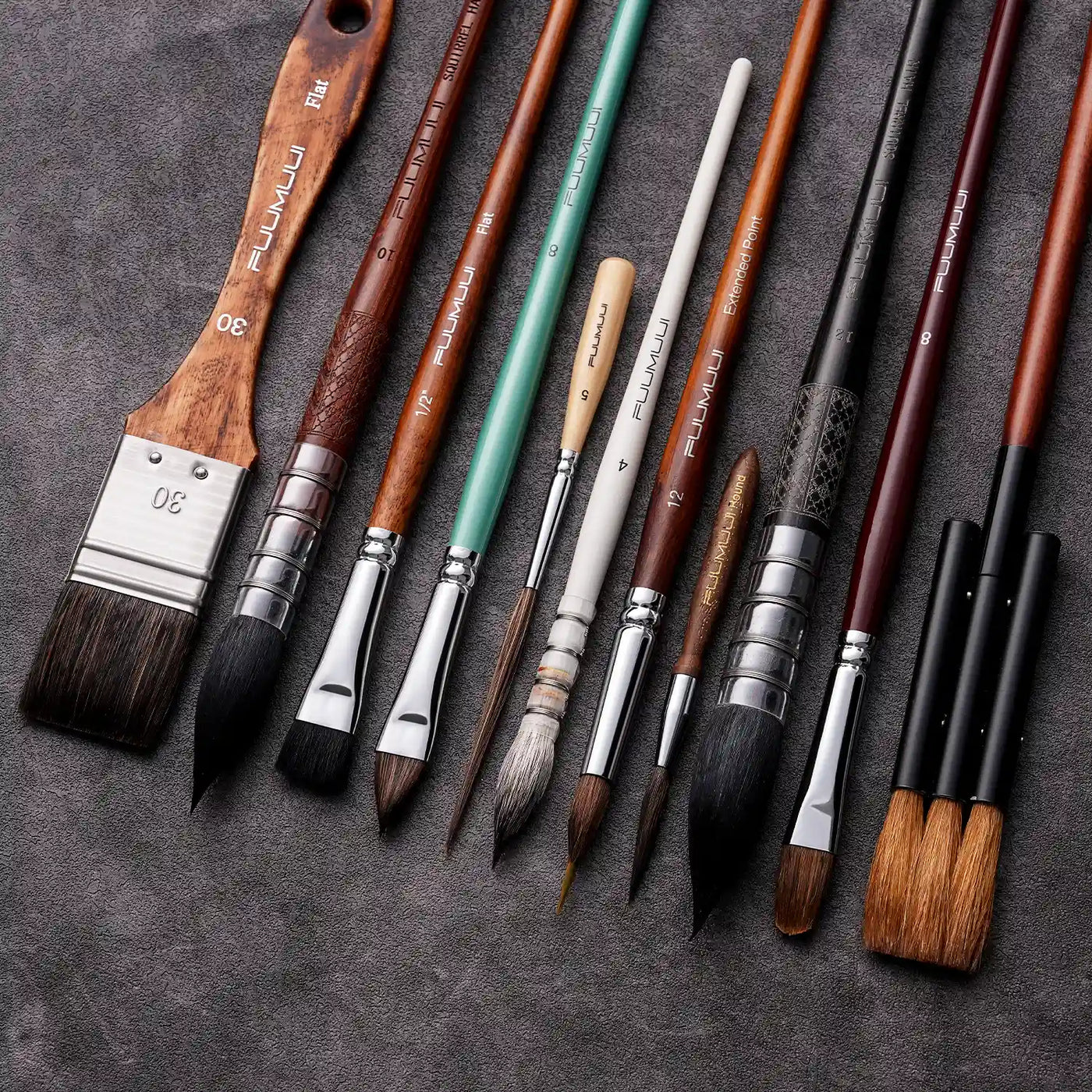
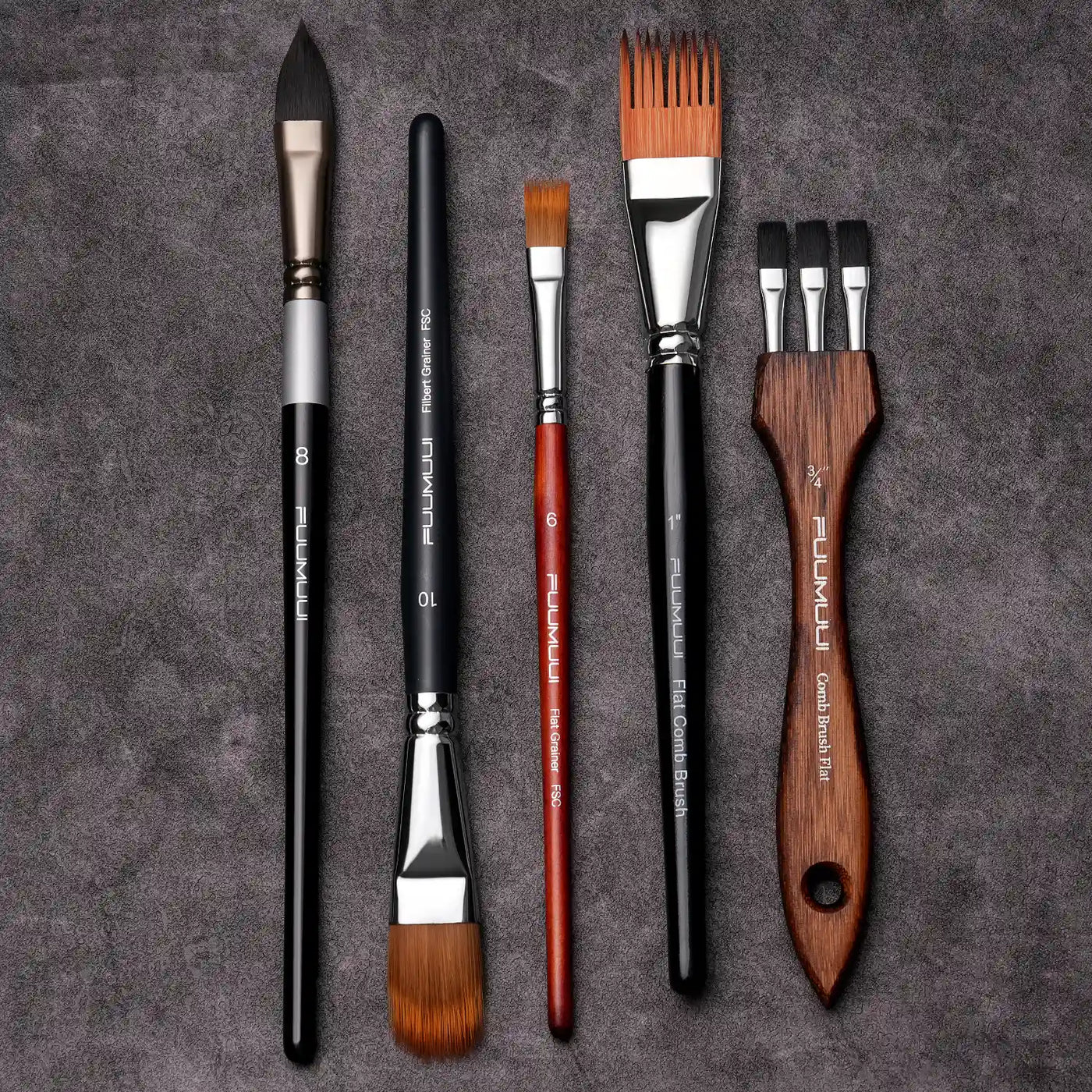
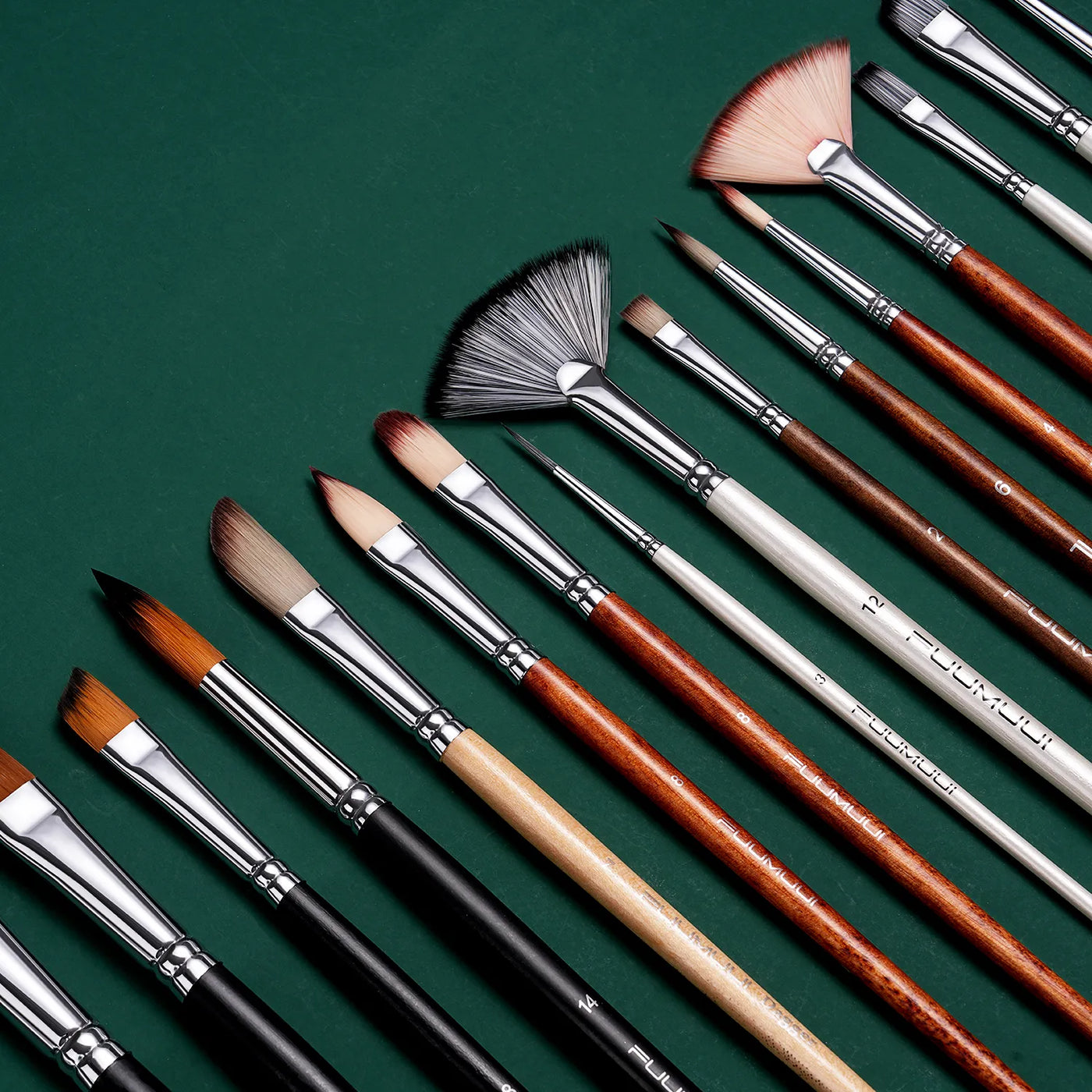
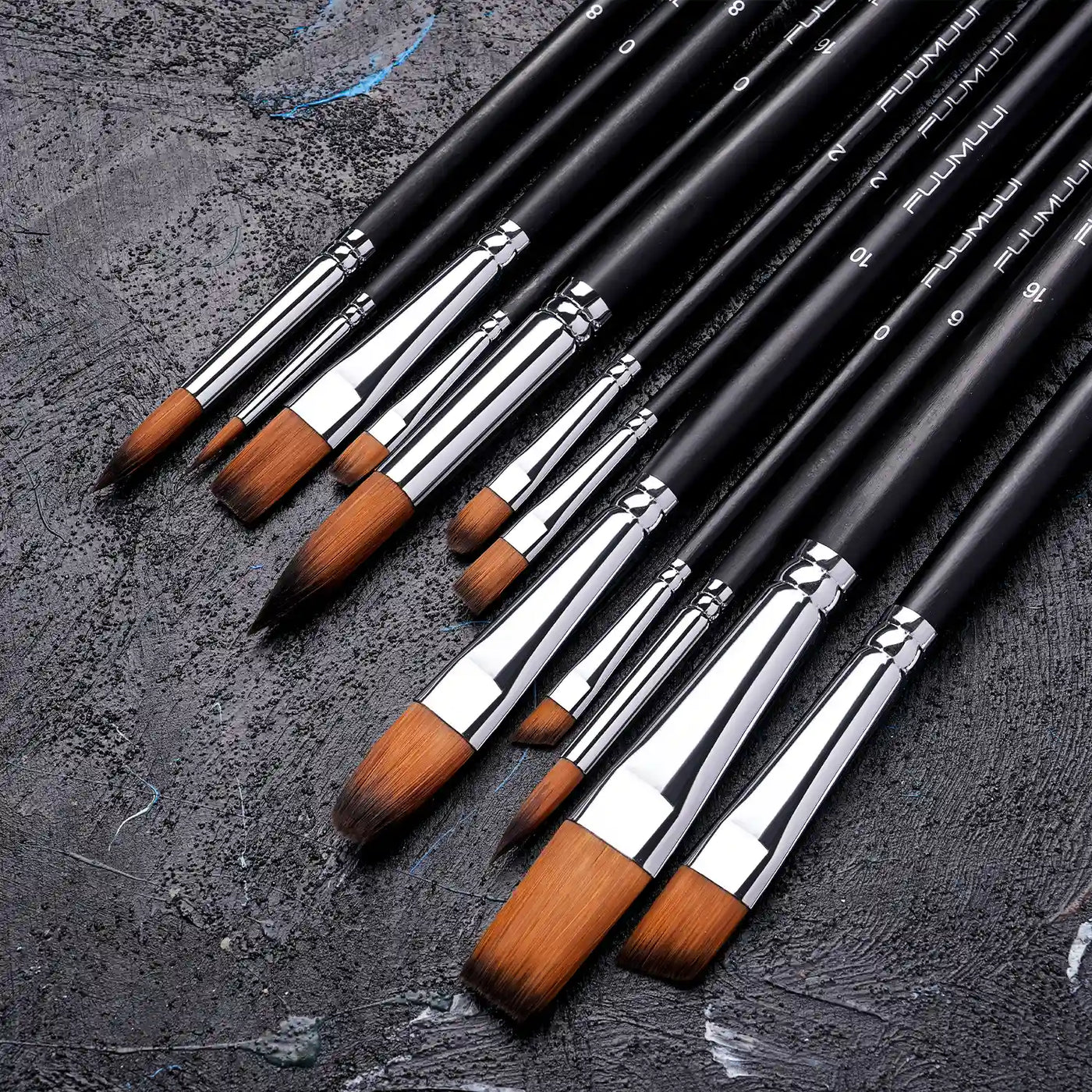
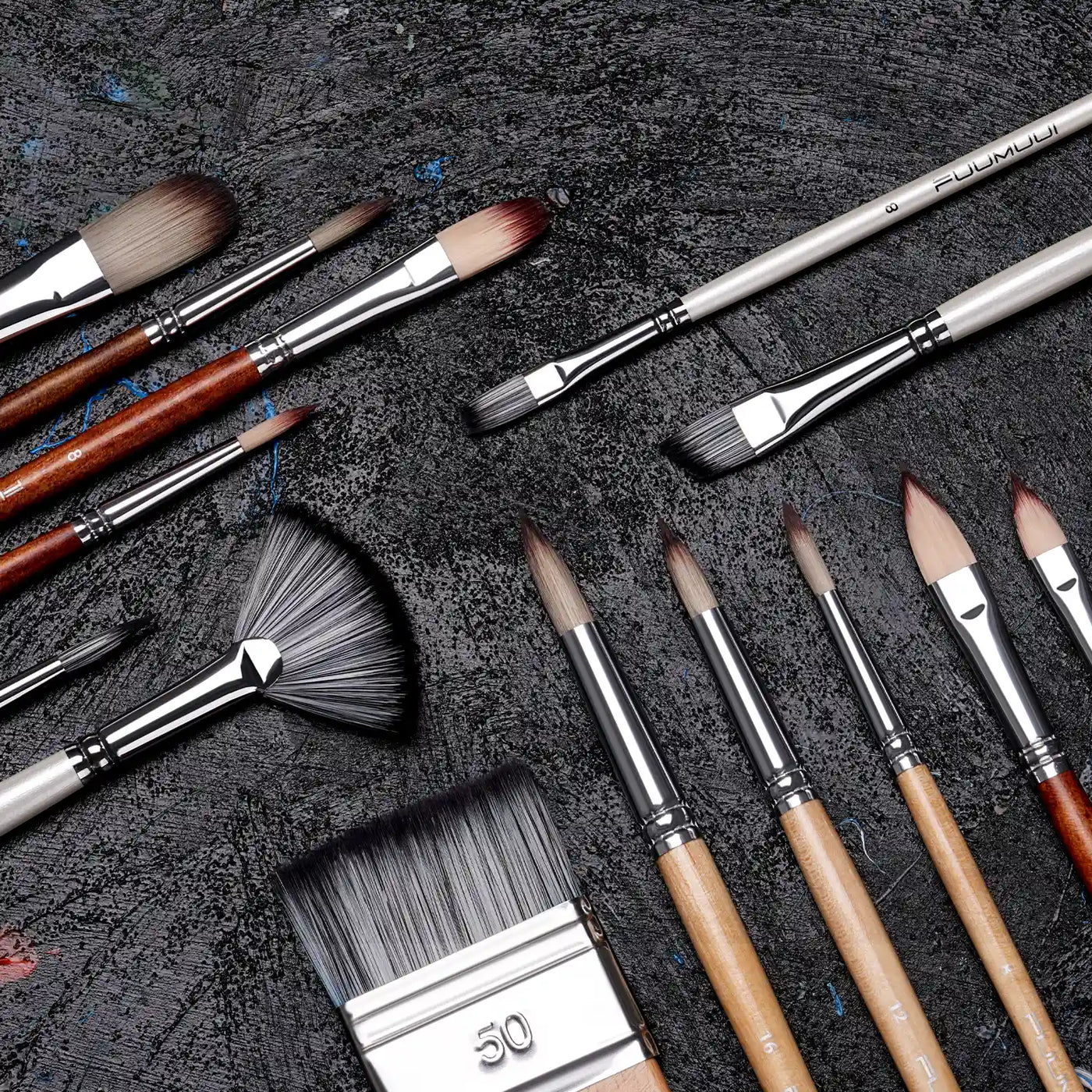
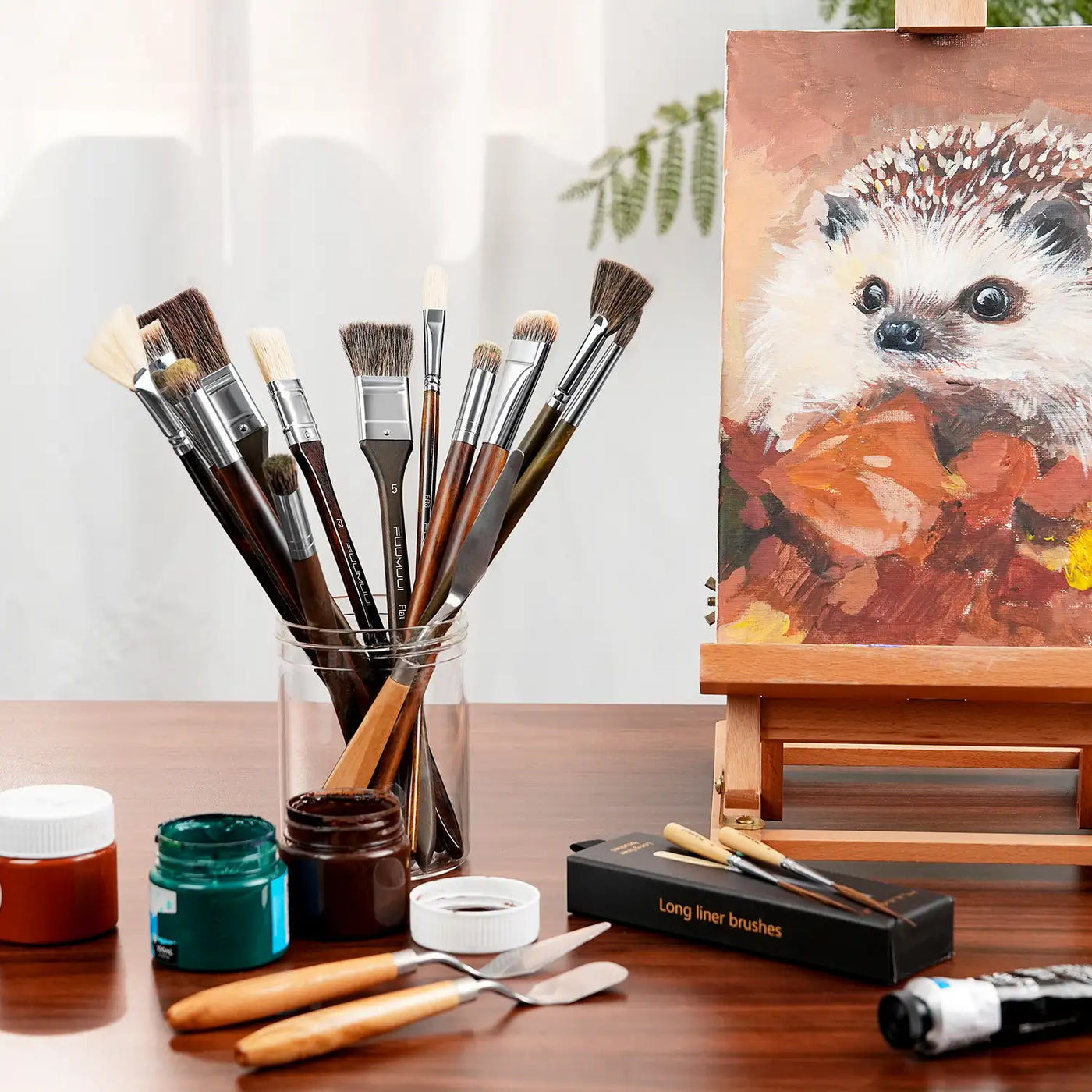
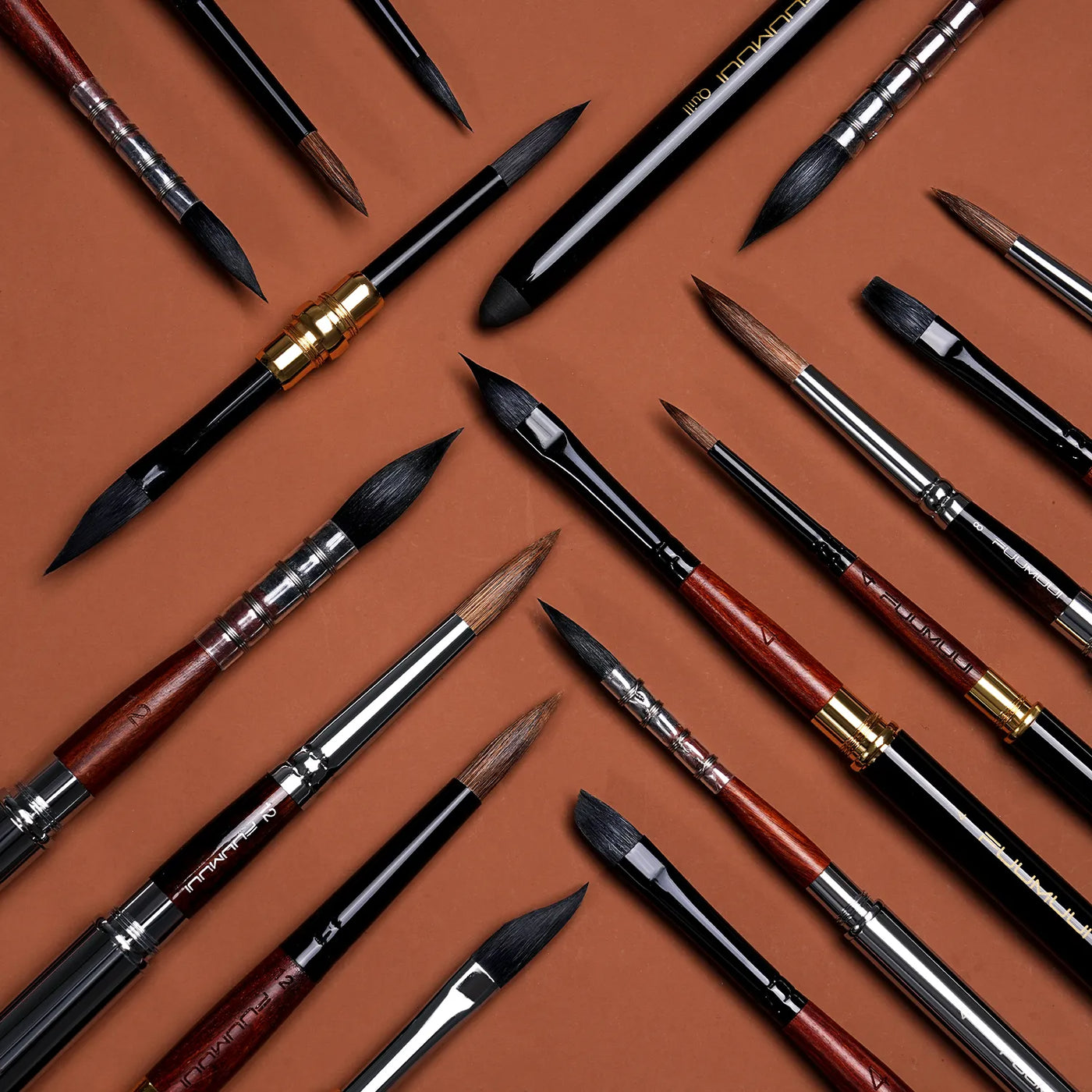
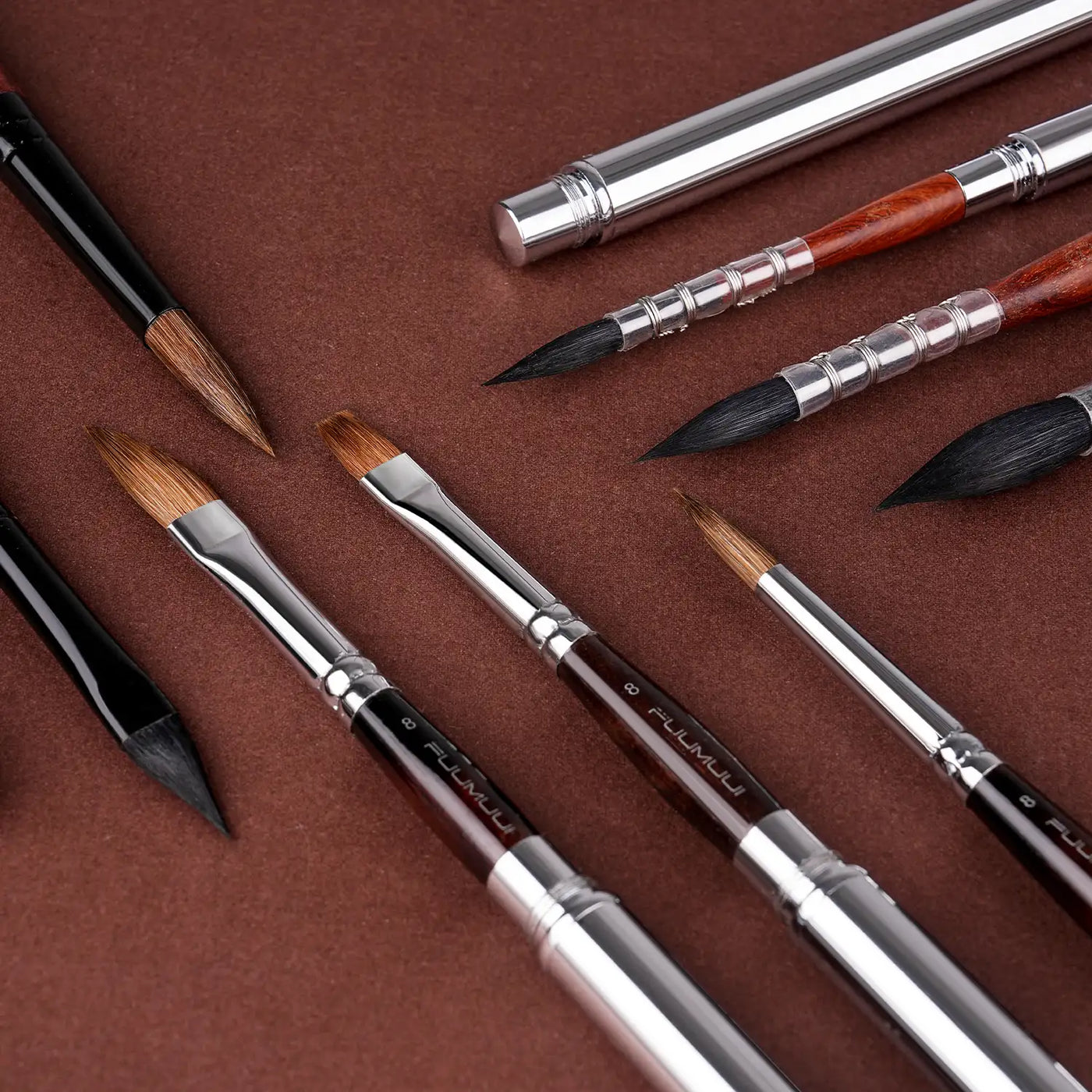
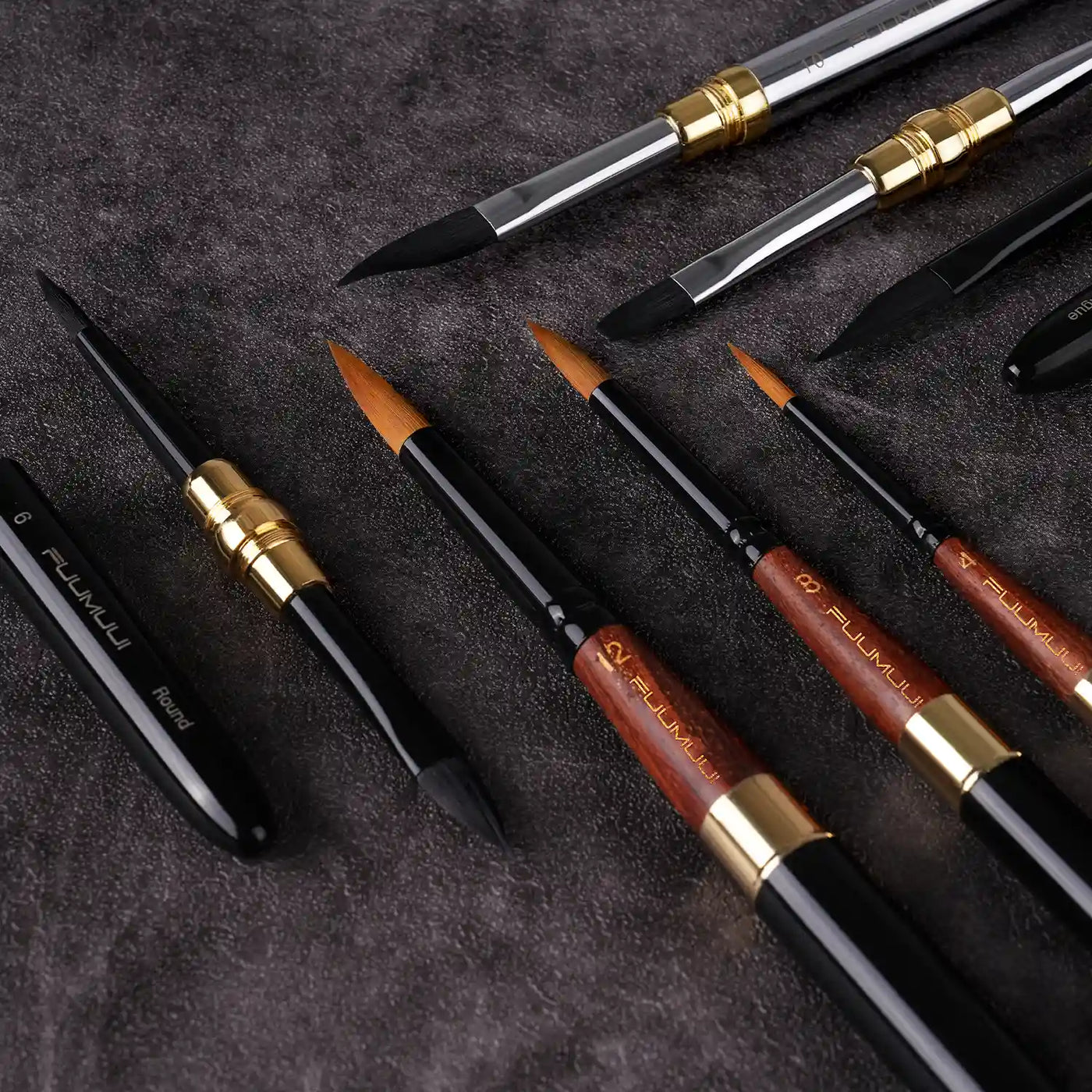
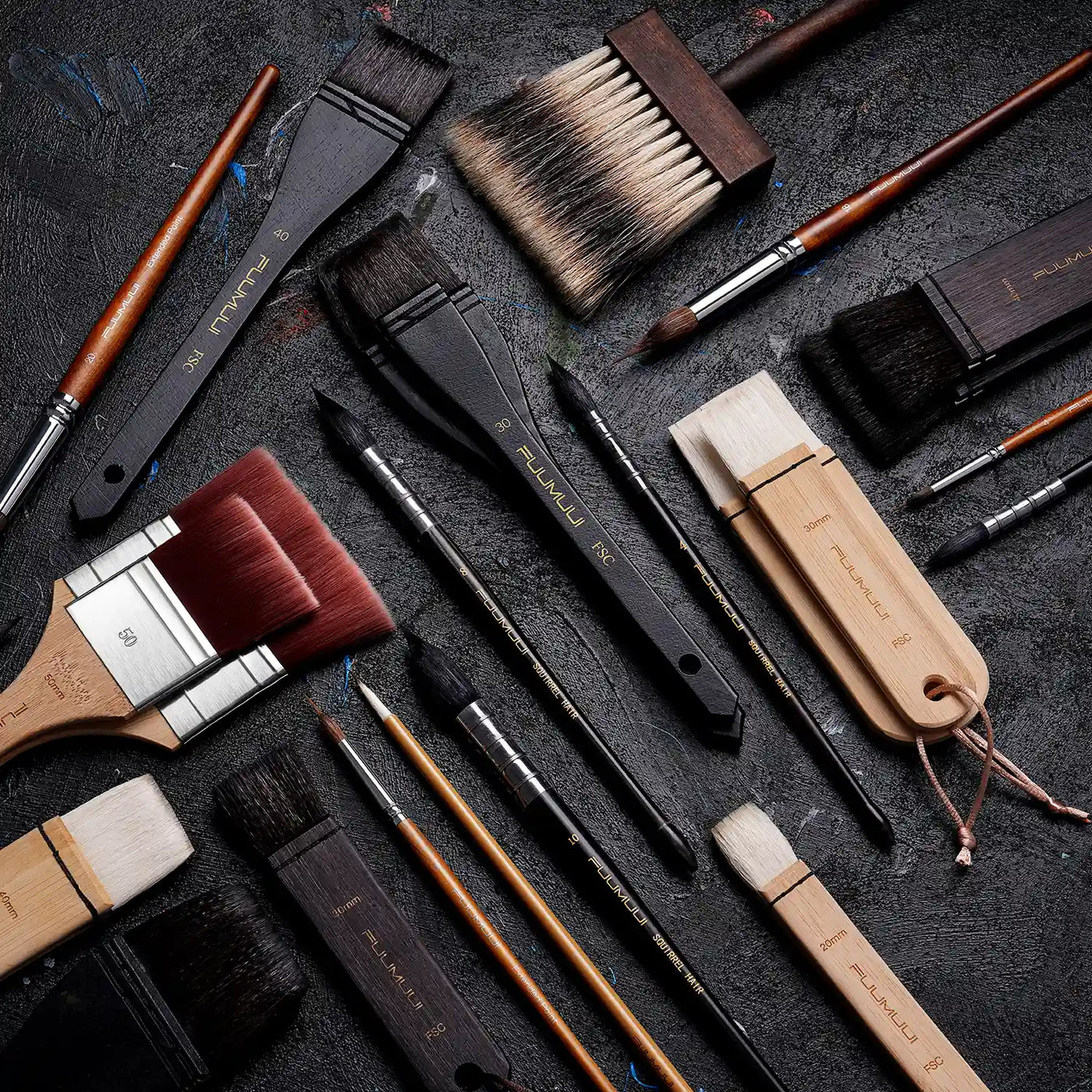
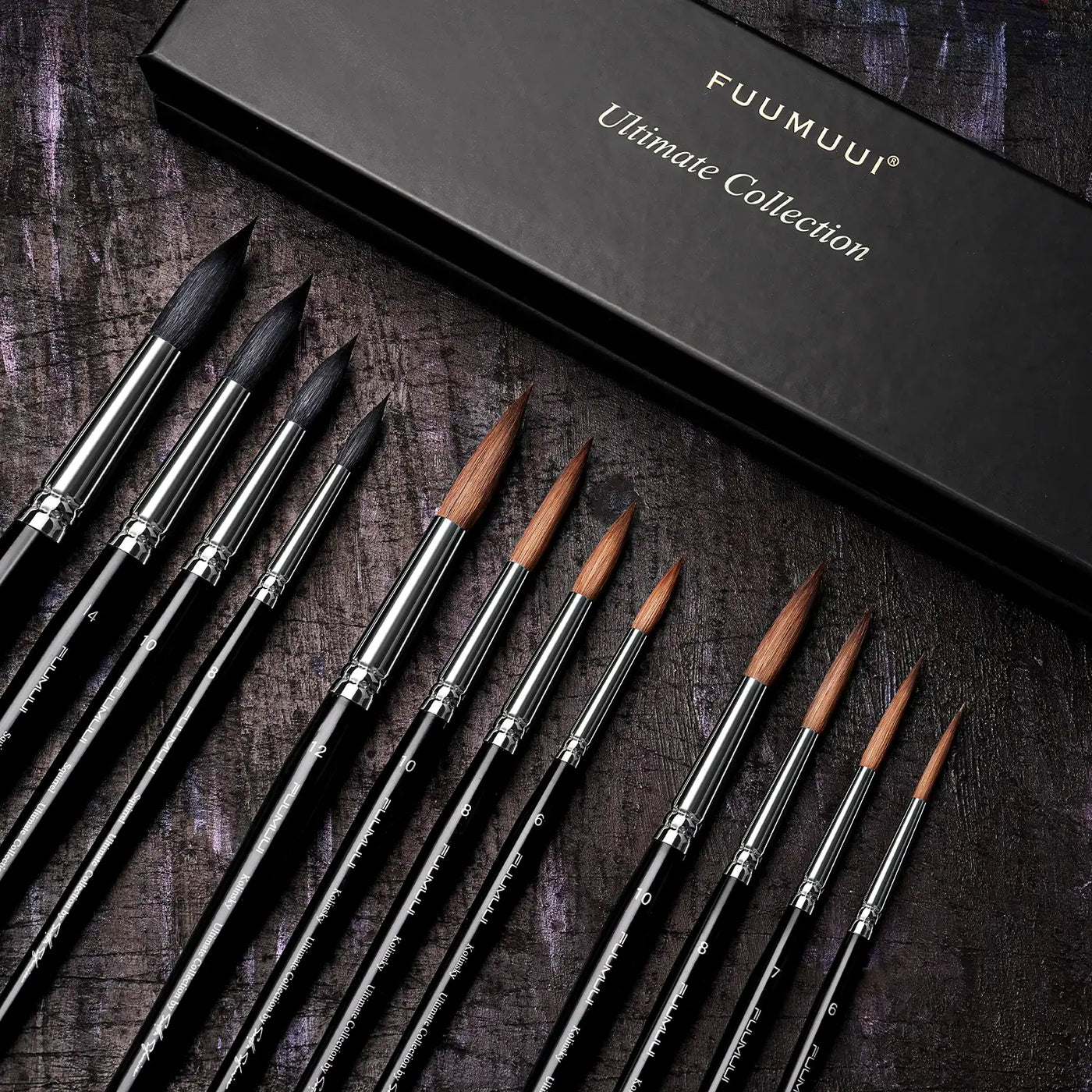
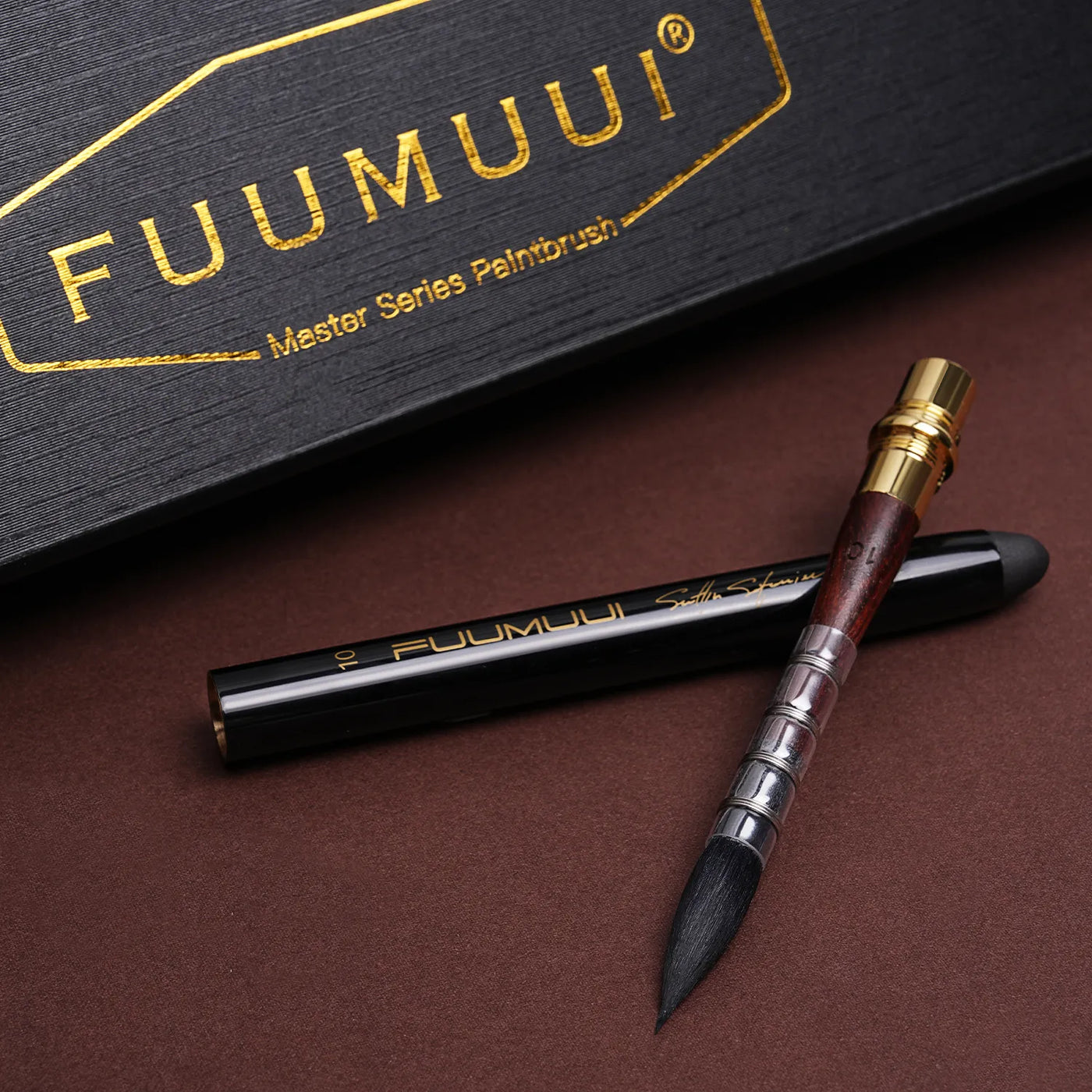
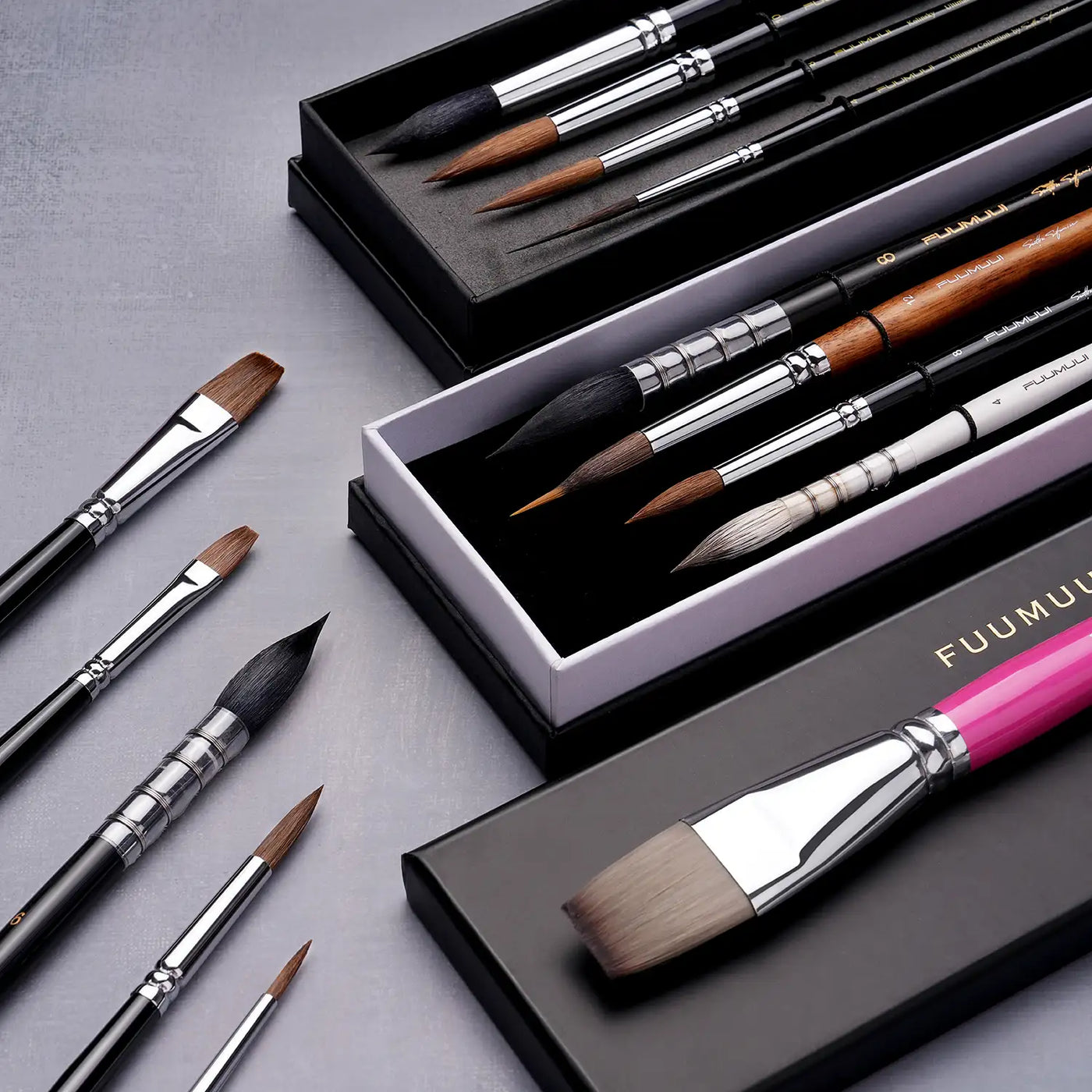
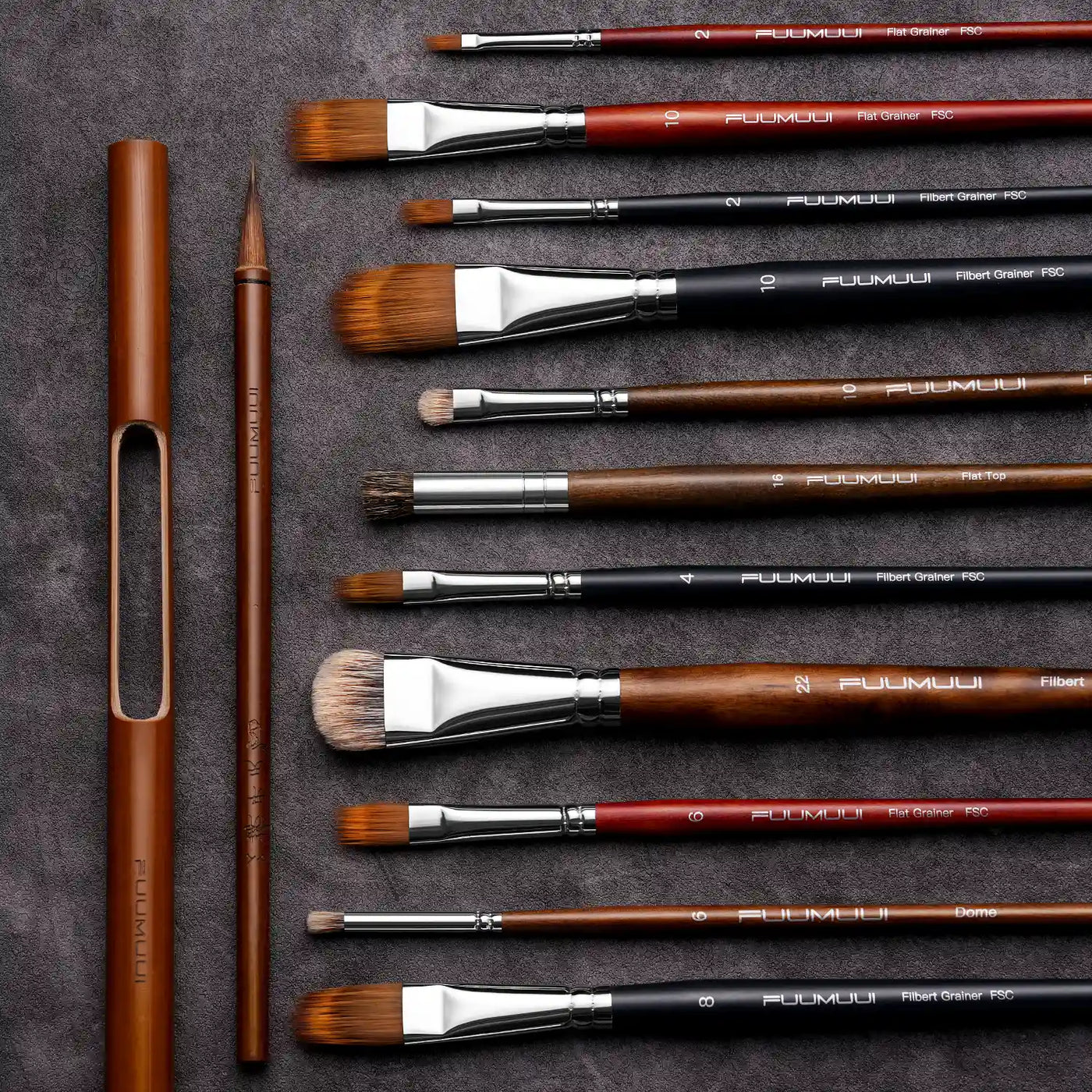
A good watercolour brush needs to hold water and pigment while allowing you to control each stroke. Natural squirrel brushes are known for their water retention, while a good synthetic blend can also provide a useful balance of softness and control.
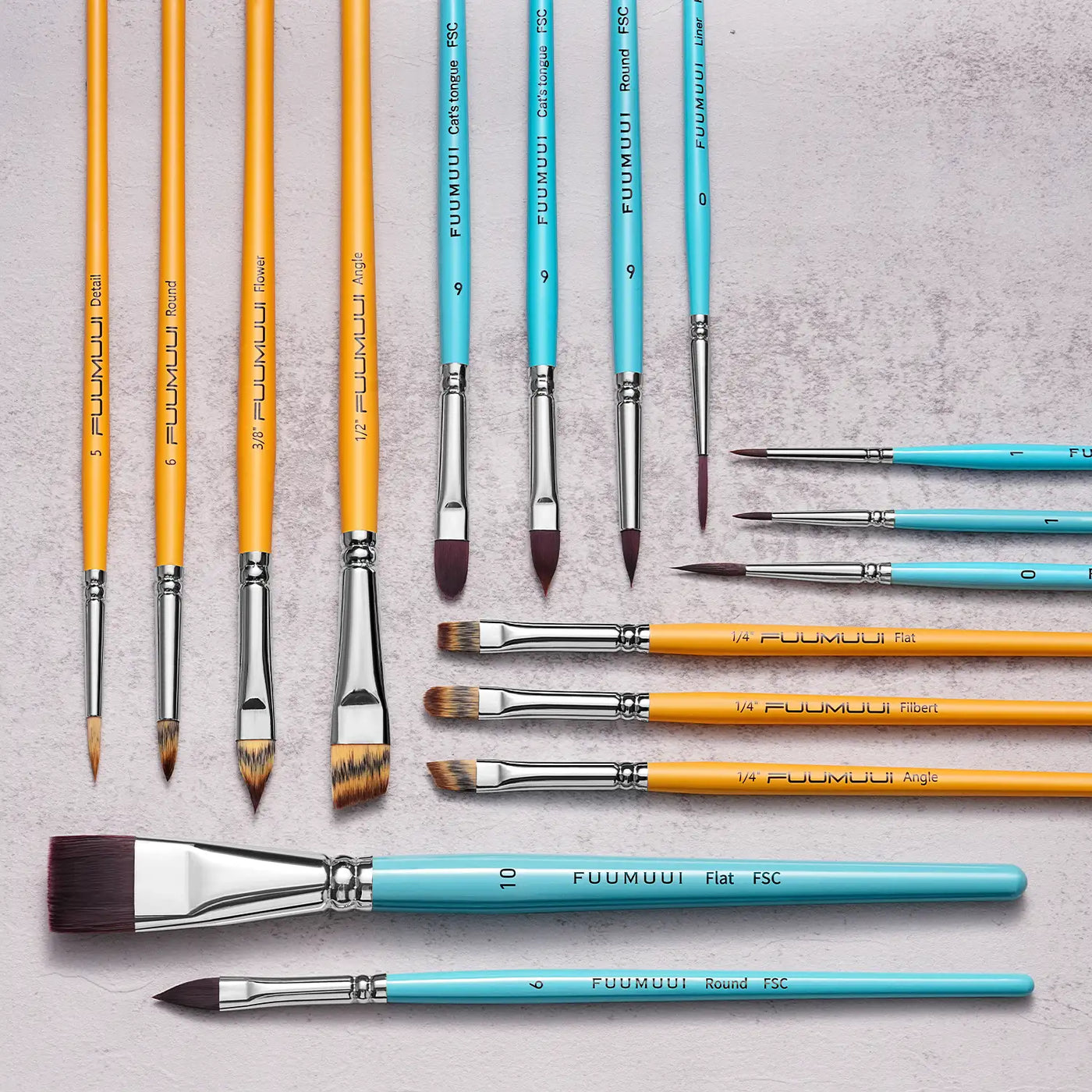
Different brush shapes serve different purposes. Larger brushes are useful for washes, while smaller or more specialised brushes help with fine lines and details. The best choice depends on what you want to achieve.
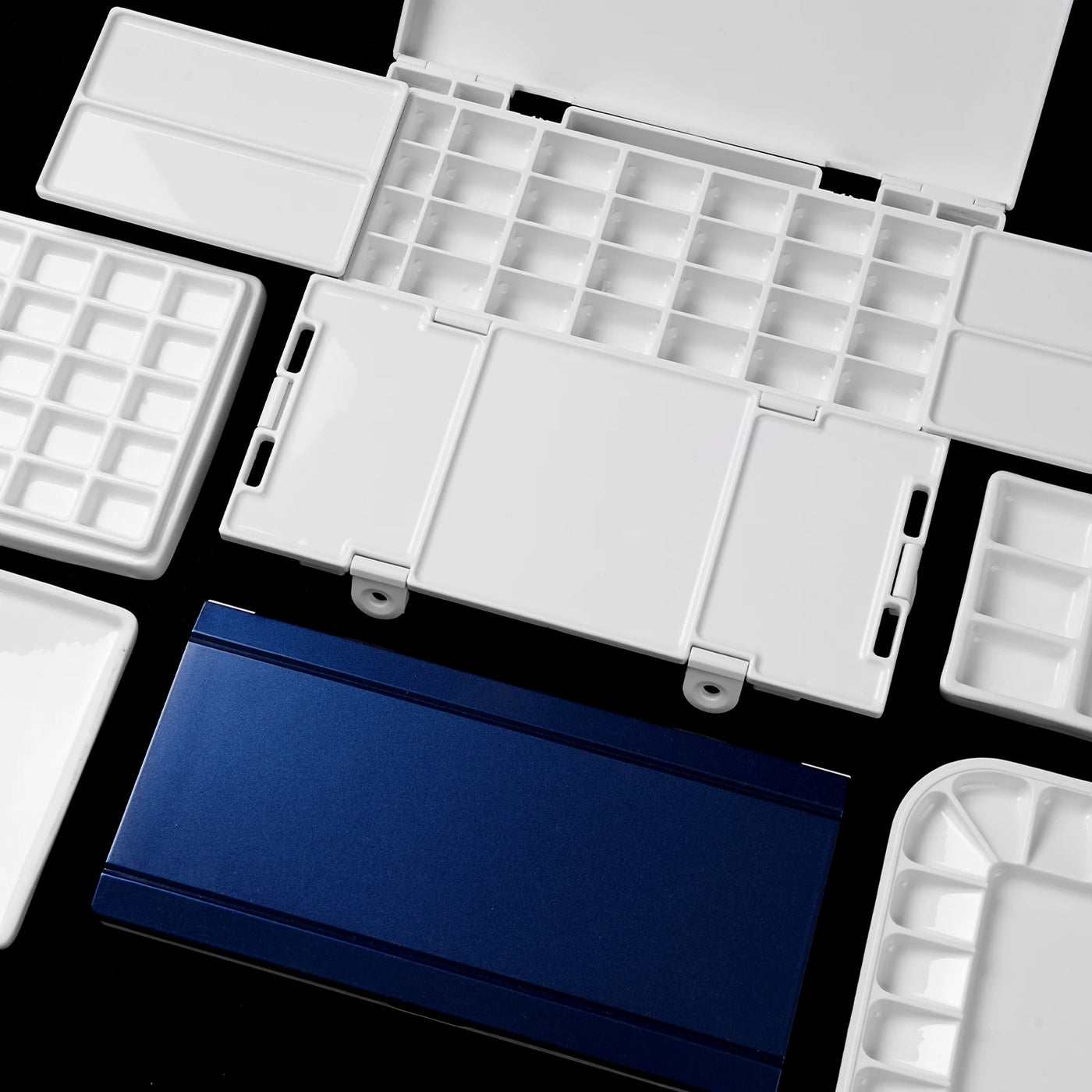
Choosing a Ceramic or Porcelain Palette
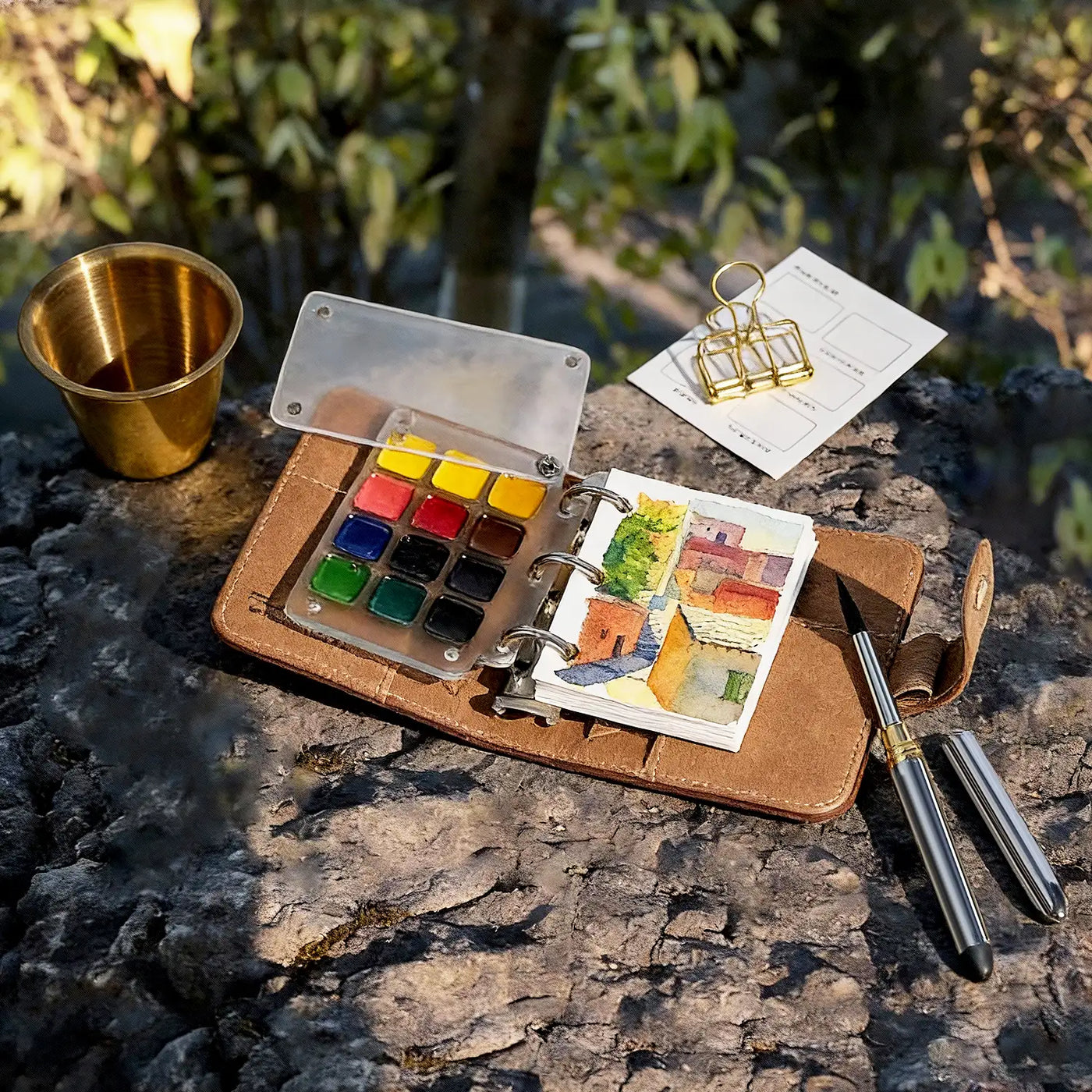
I prefer ceramic or porcelain palettes for mixing watercolours. Their smooth surfaces make it easier to see colours clearly, and they generally stain less than plastic palettes.
A good palette also makes mixing more comfortable, allowing you to adjust colours without the paint beading up as easily on the surface.
Layering Watercolour: Building Colour Without Muddying It

Layering, also known as glazing, means applying one transparent wash over another to build depth and adjust colour gradually.
The basic principle is to work from light to dark. Begin with lighter washes and allow each layer to dry before applying the next. If the underlying paint is still wet, new colours may spread and mix in ways you did not intend.
There is no need to rush towards the final colour in a single application. Building colour gradually helps preserve watercolour's transparency and gives you more control over the result.
Mastering Watercolour Colour Mixing
Colour mixing is one of the most interesting parts of watercolour painting. There are no universal formulas that work in every situation. The result depends on the pigments you choose, their proportions and the amount of water you use.
Mixing Greens for Natural Landscapes

When painting landscapes, I often find it useful to mix greens rather than rely on a single colour straight from the palette.
For example, try combining:
- light green + yellow ochre + and sepia to create a more muted green.
- Dark green + sky blue + lemon yellow + umber to explore deeper or more complex greens.
These combinations are starting points, not fixed recipes. Small changes in proportion can produce very different results, so take time to observe how each colour affects the mixture.
Experimenting to Find the Right Colour Balance
I think of colour mixing a little like cooking. You begin with a few ingredients, adjust the amounts and see what happens. Sometimes a small addition changes the whole mixture.
This is why I encourage experimentation. Try different combinations, test them on scrap paper and pay attention to the results. Over time, you will develop a better understanding of your pigments and become more confident in creating the colours you need.
Understanding Tonal Value and Contrast in Watercolour
Colour alone does not determine whether a painting works. Tonal value refers to how light or dark a colour appears, and the relationship between these values creates contrast, depth and visual structure.
This is important in figurative painting, where tonal differences help describe form and volume. It is just as important in abstract painting. Even without recognisable objects, a composition needs a balance of light and dark areas to hold the viewer's attention.
If a painting feels flat, look at its tonal values as well as its colours. Sometimes adjusting the contrast between light and dark areas can make a greater difference than adding more colour.
Preserving White Space for Luminous Watercolour Highlights
One of the qualities I appreciate about watercolour is its transparency. The white of the paper can produce a brightness that is difficult to achieve with white pigment alone.
Why White Paper Creates Brighter Highlights
In transparent watercolour, light passes through the pigment and reflects off the paper. Leaving selected areas unpainted preserves this effect and creates luminous highlights.
White pigment can make a mixture more opaque and reduce the transparency of watercolour. For this reason, it is often better to plan your highlights in advance and leave important white areas untouched.
Using Masking Fluid to Preserve Fine Details

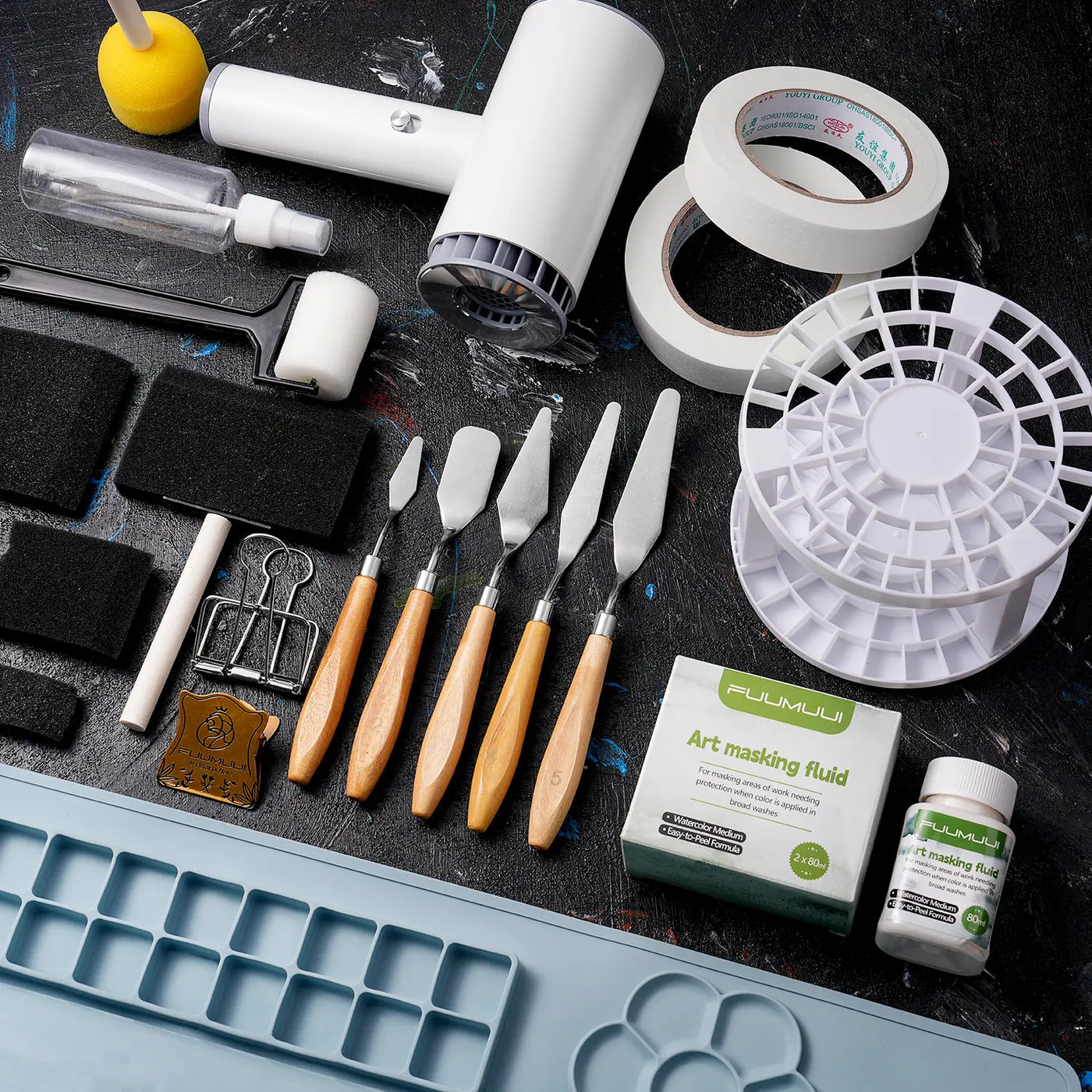
When a painting includes small white areas that are difficult to paint around, masking fluid can be useful. Applied before painting, it protects selected parts of the paper while you work on the surrounding washes and colours.
Plan these areas carefully and follow the product instructions when applying and removing the fluid. Make sure the paint is completely dry before removing it, and work gently to avoid damaging the paper.
For me, understanding watercolour is not about following a rigid set of rules. It is about learning how water, pigment and paper respond to one another. The more you experiment and observe, the more confidently you can make these materials work for your painting.
Learning Through Experimentation
There is no single formula for watercolour. Every pigment, paper and combination of water behaves a little differently. The more you experiment with techniques and colour mixtures, the better you understand these materials and how to use them in your painting.


