



Table of Contents
Puntos Clave
Veredicto: Limpiar los pinceles de óleo requiere disolver el aglutinante de aceite antes de lavar con jabón. Un mantenimiento adecuado evita que las cerdas se vuelvan quebradizas y garantiza que las herramientas profesionales duren toda la vida.
- Prelimpieza: Siempre retire el exceso de pigmento con un trapo primero para prolongar la vida útil del solvente y evitar que la pintura se endurezca en la virola.
- Métodos de Limpieza: Use Disolvente Mineral Inodoro (Gamsol) para un enjuague rápido, o Aceite de Cártamo/Aceite para Bebé para una alternativa no tóxica y acondicionadora.
- Secado: Nunca seque los pinceles en posición vertical. Déjelos planos o cuelgue las cerdas hacia abajo para evitar que el agua pudra el mango y afloje las cerdas.
Hay un momento agridulce que todo pintor al óleo conoce bien. Acabas de dar tu pincelada final, te has alejado y has sentido esa oleada de satisfacción. Tu obra maestra está completa. Pero entonces, miras hacia la mesa de tu paleta.
Ahí están: tus fieles pinceles, cubiertos de Alizarin Crimson y Ultramar Blue, esperando la parte del proceso que todos tememos en secreto: la limpieza.
Lo entiendo. Después de horas de concentración creativa, estar de pie en el fregadero es lo último que quieres hacer. Pero aquí está la dura verdad: tus pinceles son tan buenos como tu rutina de limpieza. Un pincel de pelo de marta de alta calidad o un pincel de cerdas naturales de cerdo es una inversión. Si se tratan bien, pueden durar toda la vida; si se descuidan, no durarán un mes.
Como artista, aprendí esto por las malas después de arruinar mi buena parte de herramientas caras. Hoy, te voy a guiar a través del método definitivo y profesional para limpiar pinceles de pintura al óleo para que se mantengan suaves, con forma y listos para tu próxima sesión.
Por qué el agua no limpia la pintura al óleo
Si vienes de la acuarela o los acrílicos, necesitas cambiar tu forma de pensar. La pintura al óleo y el agua no se mezclan.
La pintura al óleo consiste en pigmento suspendido en un aceite secante (normalmente de linaza o nuez). Si pasas un pincel de óleo sucio bajo el grifo, el agua simplemente se deslizará, dejando el pigmento aceitoso pegado a las cerdas. Peor aún, el agua puede quedar atrapada en la virola (la abrazadera de metal), haciendo que el mango de madera se hinche y que las cerdas se caigan.
Para limpiar eficazmente, necesitamos usar la química a nuestro favor. Primero debemos disolver el aglutinante de aceite.
Paso 1: Eliminar el exceso de pigmento (la limpieza previa)
Antes de tocar cualquier solvente o jabón, necesitas eliminar la mayor cantidad de pintura física posible. Este es el paso más importante para ahorrar dinero en solventes.
Toma un trapo, una toalla de taller azul o incluso un periódico viejo. Envuélvelo alrededor de la virola y aprieta firmemente, tirando hacia la punta de las cerdas. Repite esto hasta que el pincel apenas deje marca en la toalla.
- Consejo profesional: Sé suave con la forma. Si estás usando un pincel de lengua de gato o redondo, tira en la dirección del pelo. No aplastes las cerdas, o corres el riesgo de romper la "bandera" natural (puntas abiertas) de las cerdas que sujetan tan bien la pintura.
Paso 2 (Opción A): El enjuague tradicional con solvente
Este es el método estándar de estudio utilizado por artistas profesionales durante siglos. Es rápido, eficaz y hace el trabajo.
Lo que necesitas:
- Disolvente Mineral Inodoro (OMS) o Gamsol (Evita la trementina de ferretería, los vapores son tóxicos).
- Dos frascos: Uno para el solvente "sucio", uno para el solvente "limpio".
- Un frasco de bobina o Silicoil: Un frasco con un resorte de metal en el interior es ideal para fregar sin dañar el pelo.
El proceso:
-
Sumergir y agitar: Sumerge las cerdas en tu frasco de solvente. Frota las cerdas suavemente contra la bobina o el fondo del frasco.
-
Esperar y limpiar: Retira el pincel y límpialo en tu trapo. ¿Todavía sale color?
- Repetir: Sumerge de nuevo, preferiblemente en tu frasco de solvente "más limpio" para el enjuague final.
Nota de seguridad: Siempre asegúrate de que tu estudio tenga una ventilación adecuada cuando trabajes con solventes. Incluso los disolventes "inodoros" liberan vapores.
Paso 2 (Opción B): El método de aceite no tóxico (sin solvente)
Si estás pintando en una habitación pequeña, tienes la piel sensible o simplemente quieres un estudio no tóxico, este método cambia las reglas del juego. El principio es simple: el aceite disuelve el aceite.
Lo que necesitas:
- Aceite para bebés, aceite de cártamo o aceite de nuez.
- Un plato poco profundo.
El proceso:
- Vierte una pequeña cantidad de aceite limpio en un plato.
- Trabaja tu pincel en el aceite. Verás que el pigmento de pintura inmediatamente comienza a sangrar en el aceite transparente.
- Limpia el pincel en un trapo.
- Repite hasta que el aceite salga limpio.
Si bien este método lleva un poco más de tiempo que usar disolventes, es increíblemente acondicionador para los pinceles de pelo natural, manteniéndolos flexibles y evitando que se vuelvan quebradizos.
Cuidado especial: Cómo limpiar pinceles sintéticos de pintura al óleo
Si bien muchos métodos tradicionales se centran en el pelo natural, los pinceles sintéticos modernos requieren un enfoque ligeramente diferente para mantener su elasticidad y chasquido. Los sintéticos son duraderos, pero tienen su propia kriptonita.
- Omite los acondicionadores pesados: la diferencia con el pelo natural es, las fibras sintéticas son de plástico y no tienen escamas microscópicas para absorber aceites. No necesitas "remojarlos" en aceite; solo límpialos.
- Evita el agua caliente: Al pasar a la etapa del jabón, usa agua fría o tibia. El agua caliente puede rizar las fibras sintéticas, arruinando permanentemente la forma del pincel.
- Vigila la exposición al solvente: Si bien los sintéticos de alta calidad son resistentes a los solventes, la inmersión prolongada en productos químicos agresivos (como acetona o diluyentes fuertes) a veces puede debilitar el pegamento dentro de la virola más rápido de lo que lo haría con los pinceles naturales. Para los sintéticos, el método de Jabón y Agua (Paso 3) suele ser suficiente después de una limpieza rápida, sin necesidad de un baño de solvente prolongado.
Paso 3: La limpieza profunda (lavado con jabón)
Muchos principiantes se detienen después de la etapa del solvente. No cometas este error.
Los solventes eliminan la pintura al óleo, pero dejan un residuo que puede secar las cerdas con el tiempo. Para mantener realmente tus herramientas, debes lavarlas con agua y jabón como paso final.
Jabones recomendados:
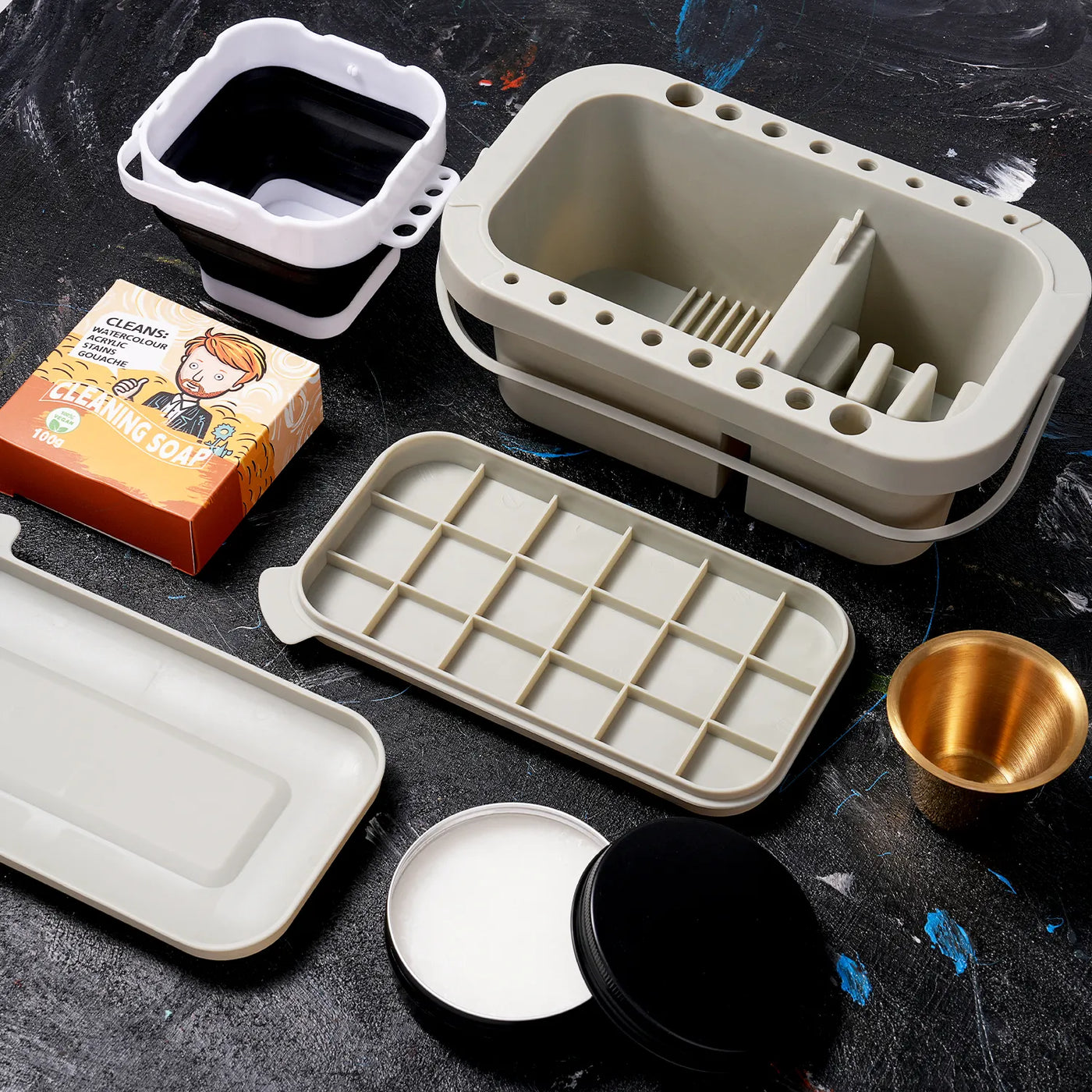
- Jabón especializado para pinceles: Los bloques como el Jabón Limpiador de Pinceles Fuumuui son estándares de la industria.
- Jabón de aceite de oliva: Una alternativa natural hace maravillas.
- Jabón para platos: Se puede usar en caso de apuro para pinceles sintéticos, pero puede ser demasiado agresivo para el pelo de marta natural.
Cómo lavar:
- Moja el pincel con agua tibia.
- Gira el pincel directamente sobre la pastilla de jabón.
-
Masajea las cerdas: Usa tus dedos para trabajar suavemente la espuma en el pincel. Presta mucha atención al área cerca de la virola. Si la pintura se seca aquí, separará las cerdas, haciendo que el pincel "explote" o pierda su punta para siempre.
- Enjuaga y repite hasta que la espuma esté completamente blanca.
Paso 4: Acondicionamiento y remodelación de cerdas naturales
Tus pinceles son como tu propio pelo. Así como no te lavarías con champú sin acondicionador, no debes quitarles los aceites naturales a tus pinceles de cerdas naturales sin reponer su humedad.
Las cerdas de cerdo y el pelo de marta son fibras naturales. Con el tiempo, los solventes eliminan sus aceites naturales, lo que provoca roturas. Después del lavado, puedes dejar una pequeña cantidad de acondicionador para pinceles o una gota de aceite para bebés en las cerdas.
Finalmente, remodela la punta. Usa tus dedos para formar suavemente las cerdas de nuevo en su forma original. Si es un pincel redondo, llévalo a una punta afilada. Si es un plano o brillante, asegúrate de que el borde sea afilado.
Paso 5: Seca tus pinceles de pintura al óleo
Si recuerdas solo una cosa de esta guía, que sea esta: Nunca seques tus pinceles de pie.
Si colocas un pincel mojado en un frasco con las cerdas apuntando hacia arriba, el agua goteará hacia la virola de metal. Dentro de la virola, el agua es absorbida por el mango de madera sin pintar. La madera se hincha, agrieta la laca y, finalmente, se encoge cuando se seca. Este ciclo afloja el engaste y, de repente, tu costoso pincel comienza a perder pelos en tu lienzo.
La forma correcta de secar:
- Déjalos planos: Colócalos sobre una toalla.
- Cuélgalos: Si tienes un lavapinceles con un resorte, cuélgalos con las cerdas hacia abajo.
- Déjalos secar al aire completamente antes de guardarlos en una caja o rollo cerrado.
Solución de problemas: Cómo restaurar pinceles con pintura seca
Todos hemos estado ahí. Pensaste que volverías a pintar en una hora, pero la vida pasó, y ahora tienes un palo duro como una roca en lugar de un pincel.
Antes de tirarlo, prueba este método de rescate:
-
Remójalo: Coloca las cerdas (y solo las cerdas) en un restaurador de pinceles o un solvente fuerte como acetona durante 24 horas.
-
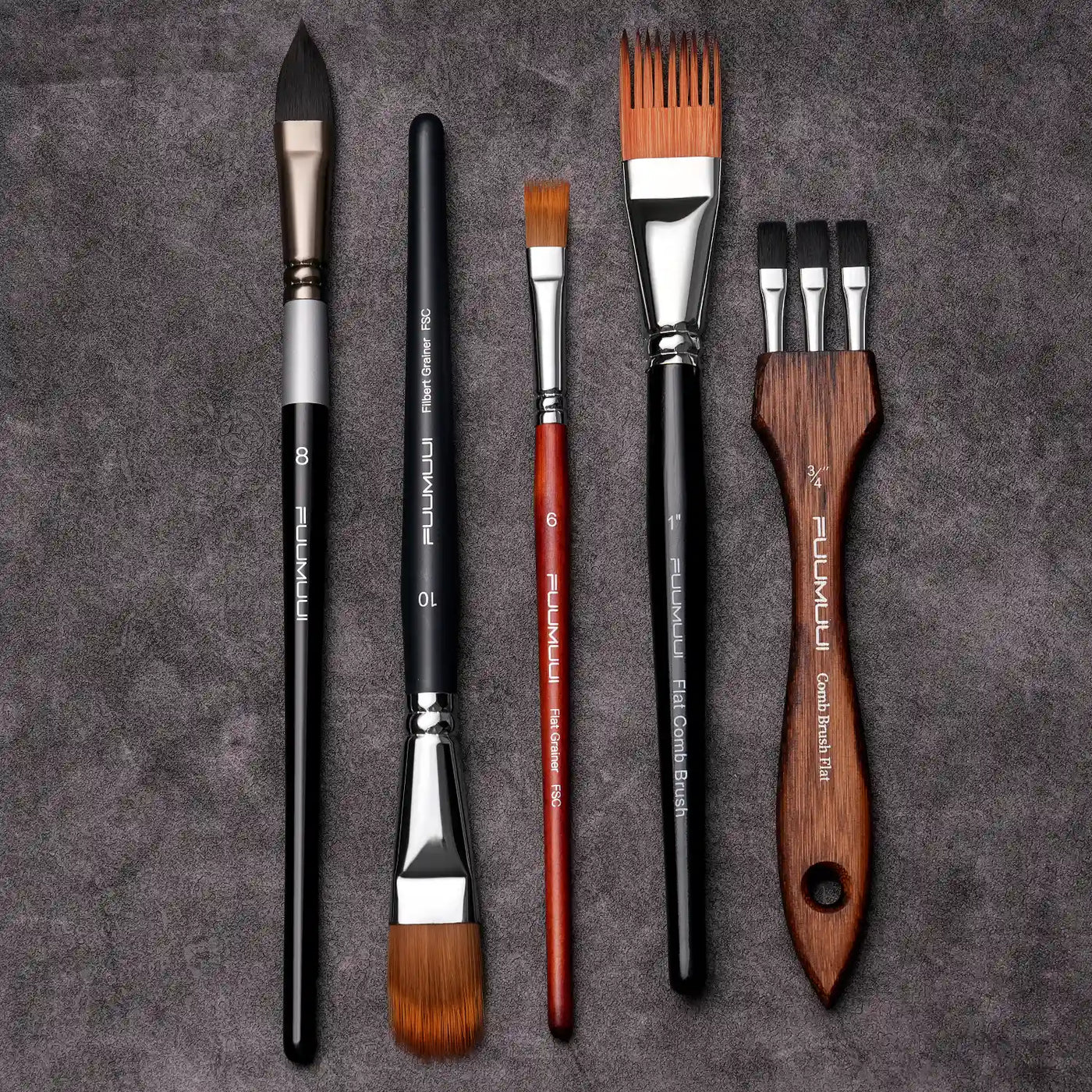
Péinalo: Usa un peine para pinceles para romper suavemente la pintura ablandada.
- Frótalo: Realiza una limpieza profunda agresiva con jabón.
Si bien es posible que nunca recupere el "chasquido" perfecto de un pincel nuevo, a menudo se puede relegar a un pincel de "esfumado" o textura para trabajos en bruto.
Respeta tus herramientas, eleva tu arte
Limpiar los pinceles de pintura al óleo no es solo una tarea; es un ritual de cierre.
Cuando tomas un pincel limpio y bien mantenido, no estás luchando contra cerdas secas o pelos sueltos. Eres libre de concentrarte por completo en tu visión, tu color y tu pincelada. Esa es la libertad que todo artista merece.
¿Tu juego de pinceles actual se ve un poco cansado a pesar de tus mejores esfuerzos?
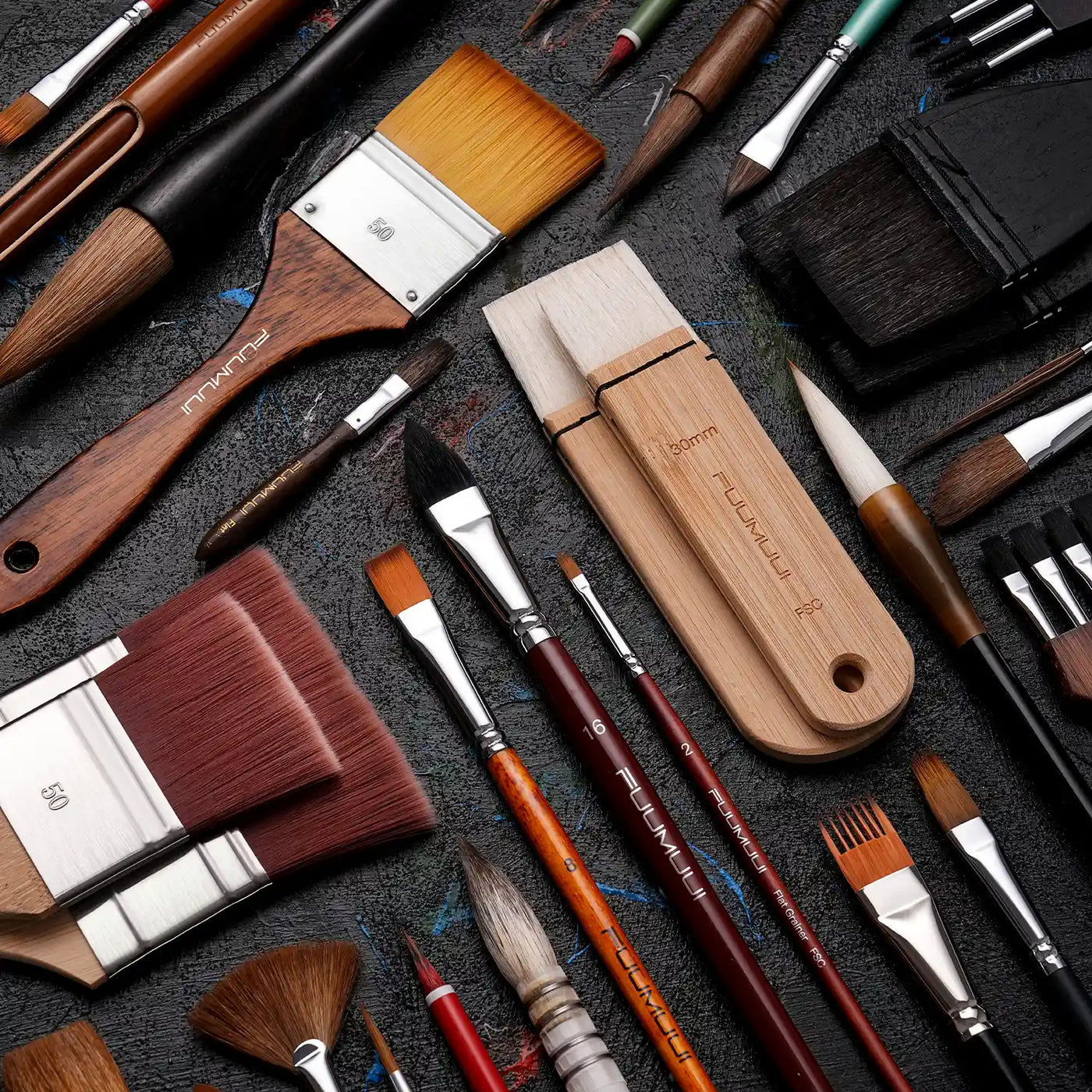
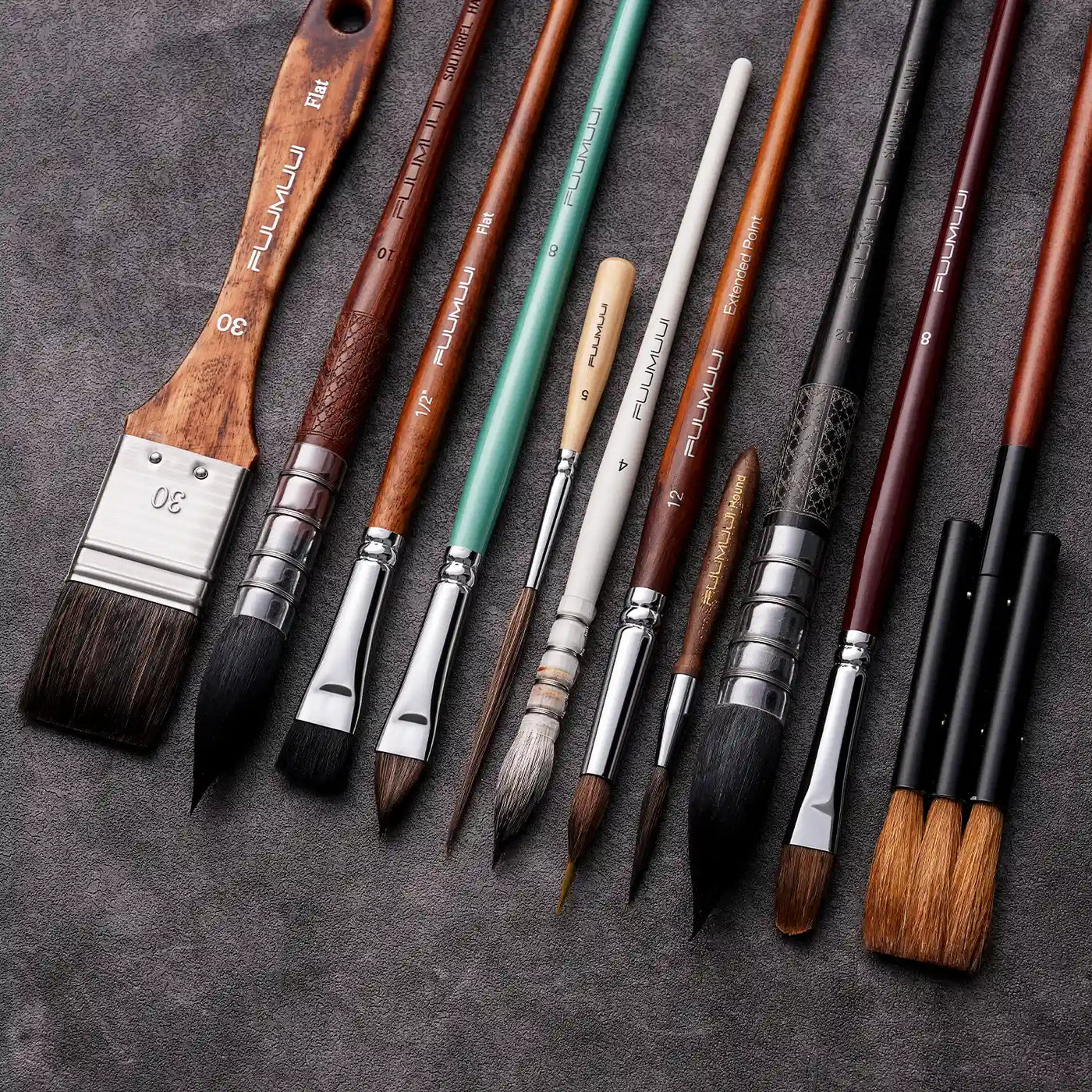
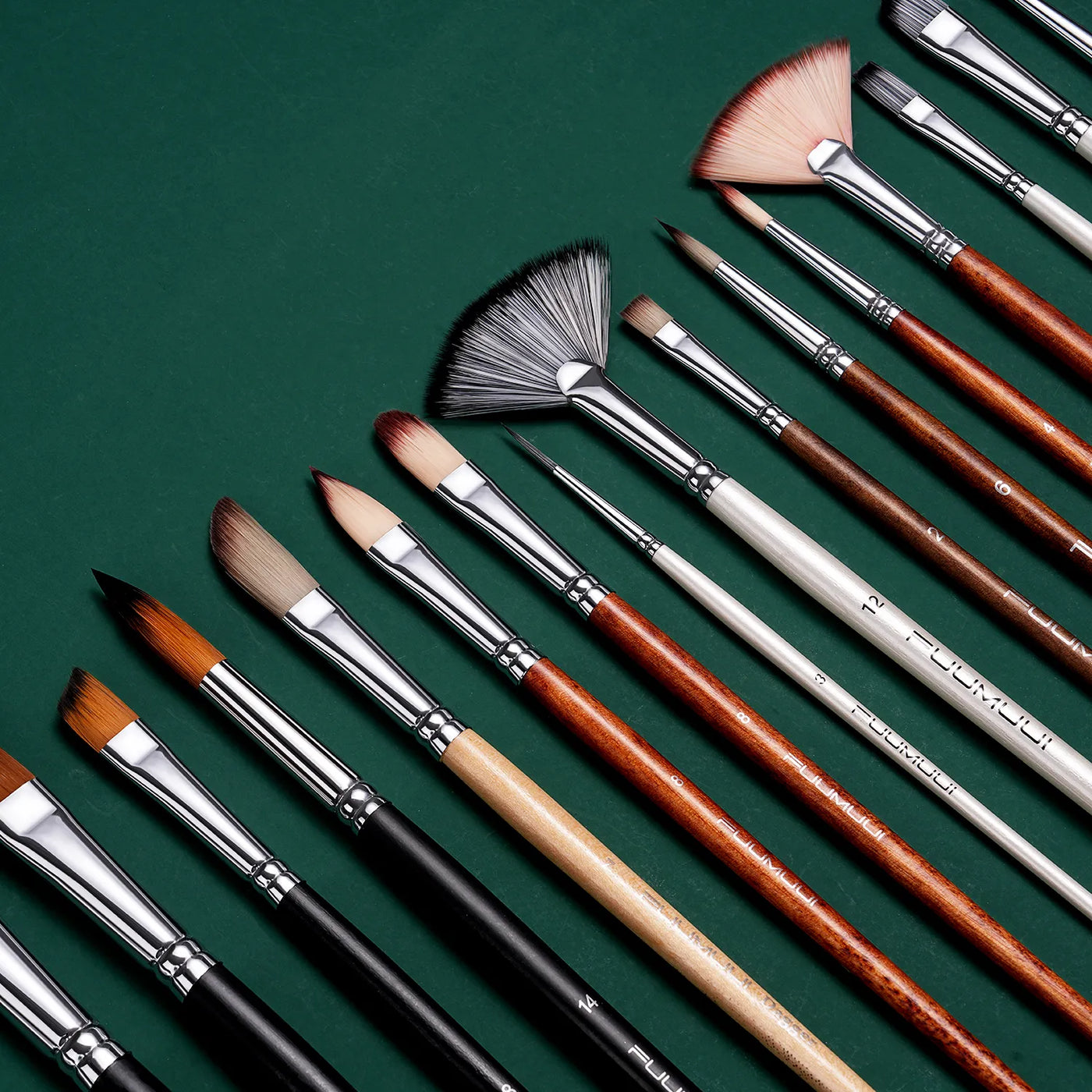
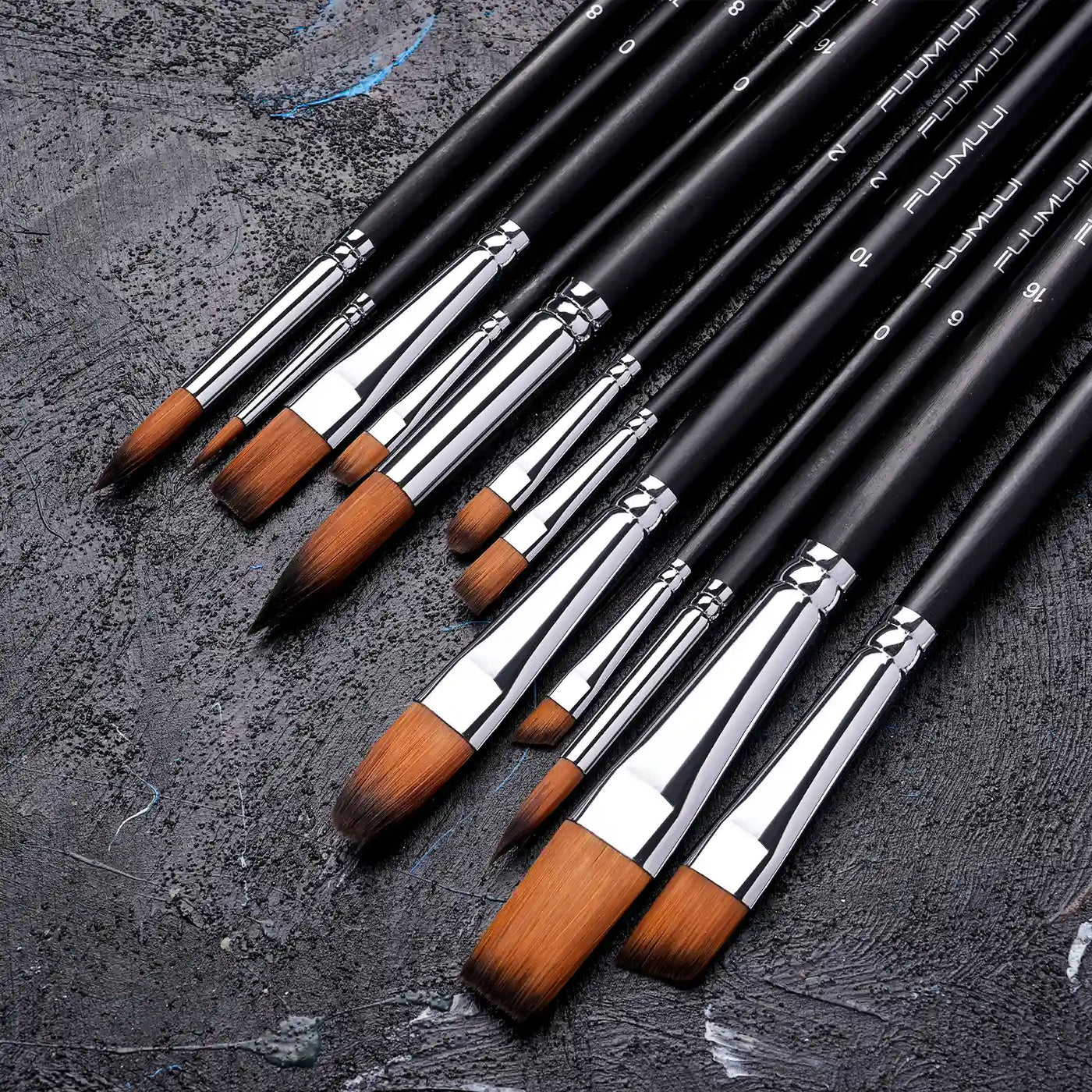
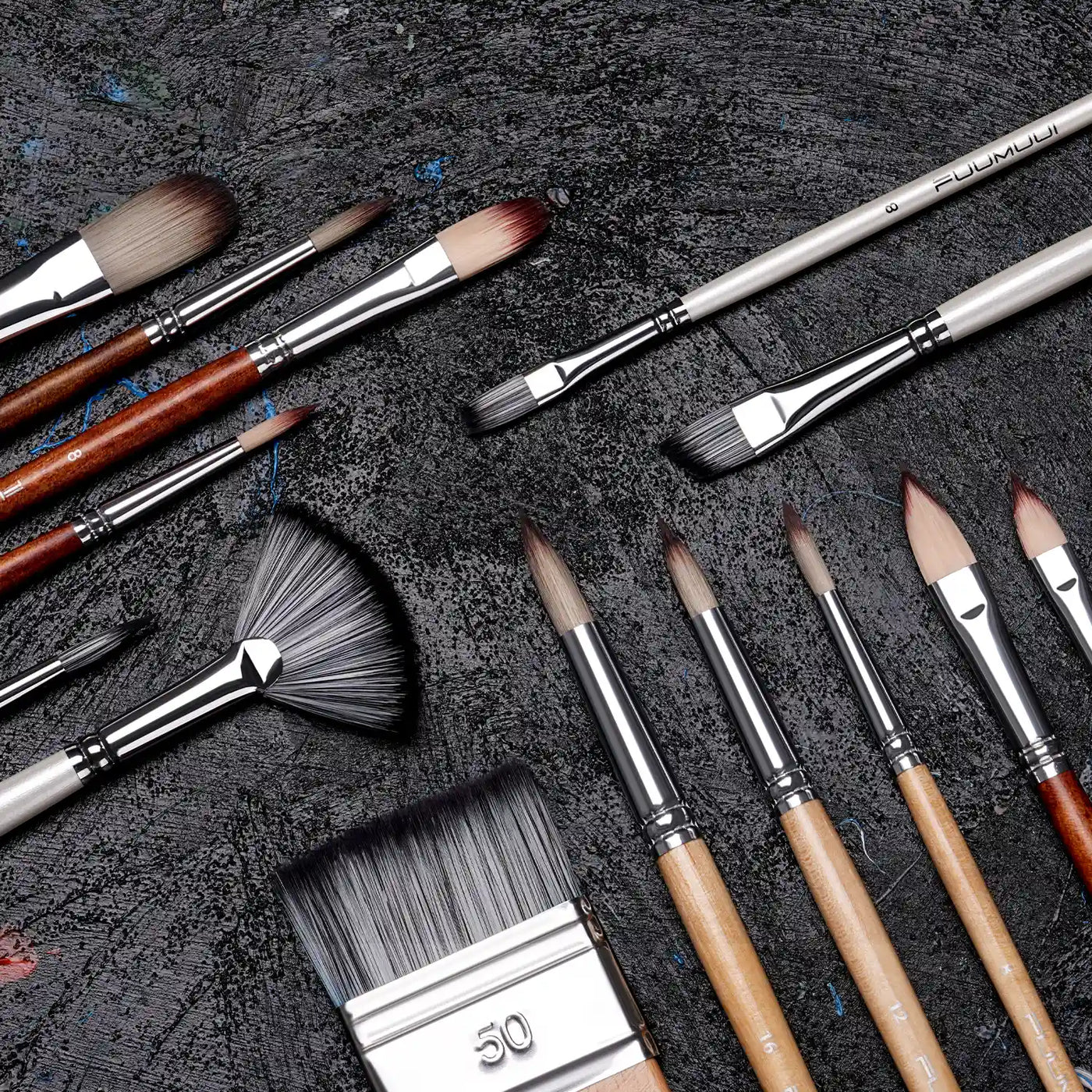
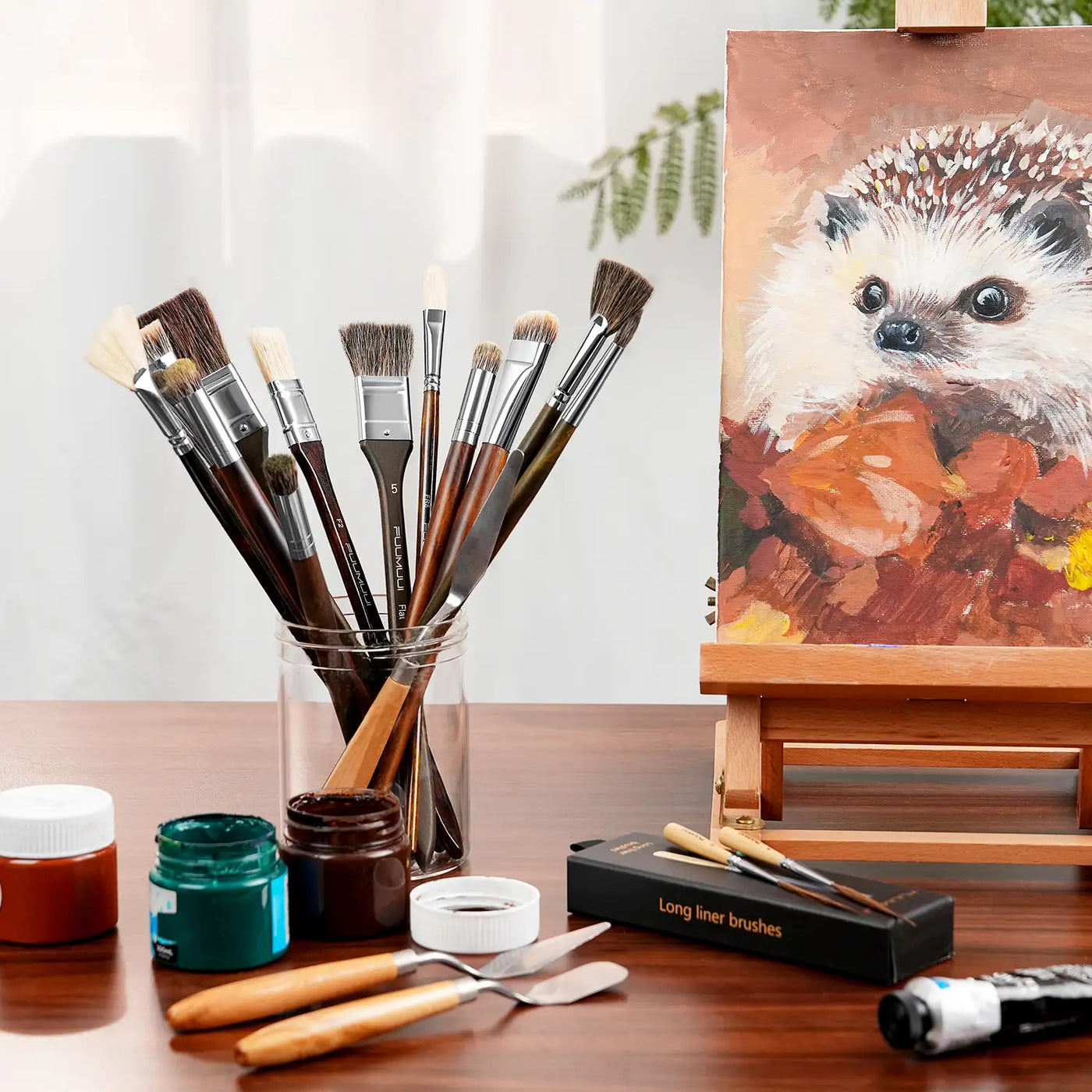
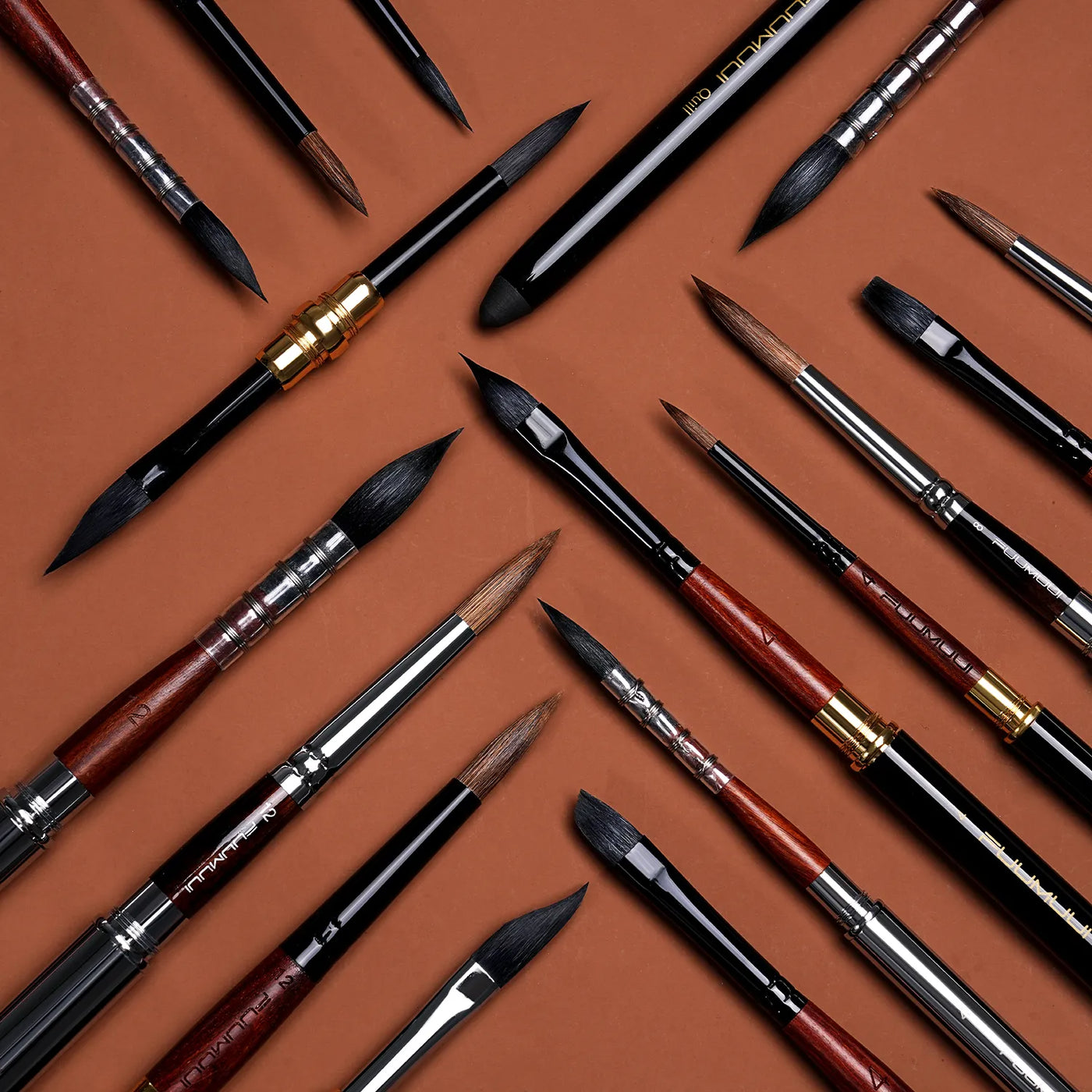
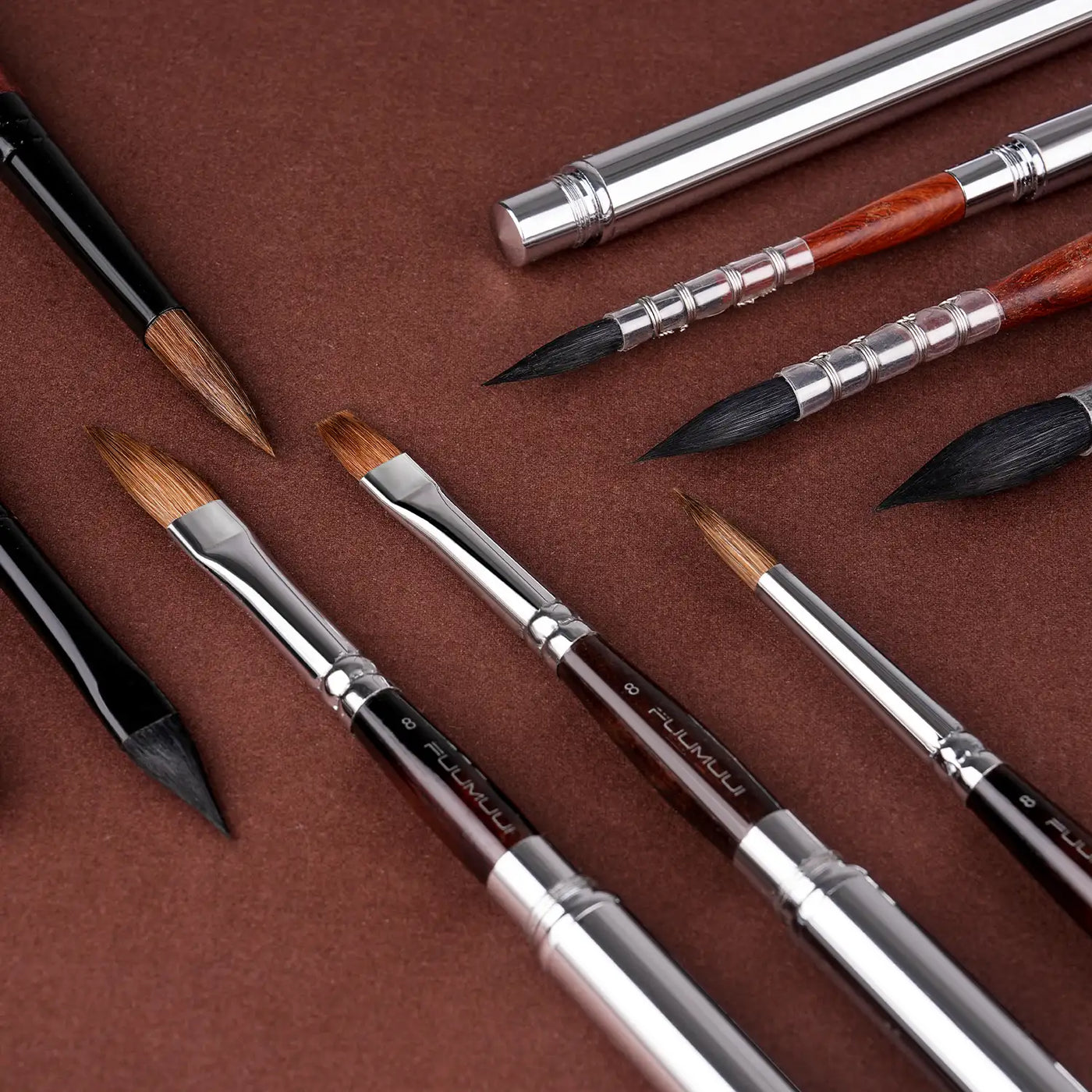
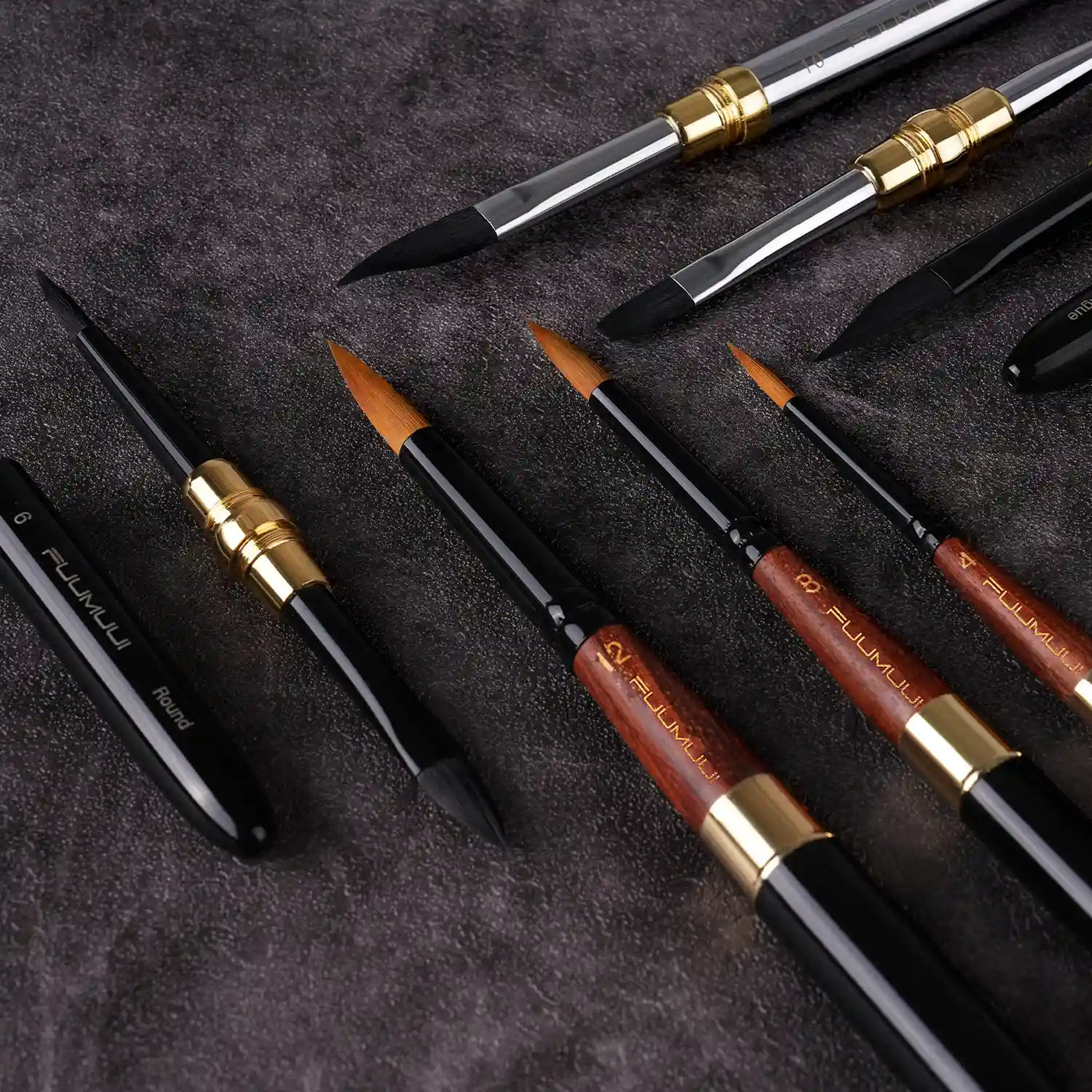
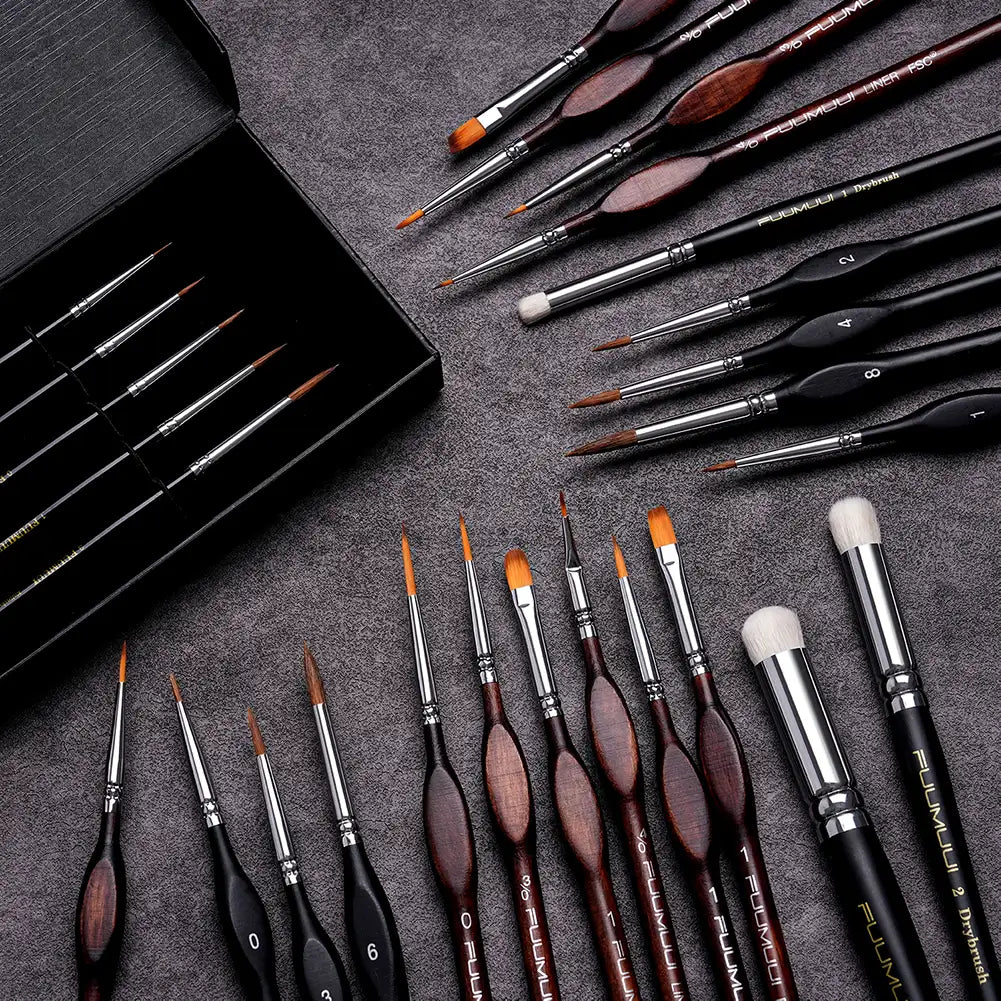
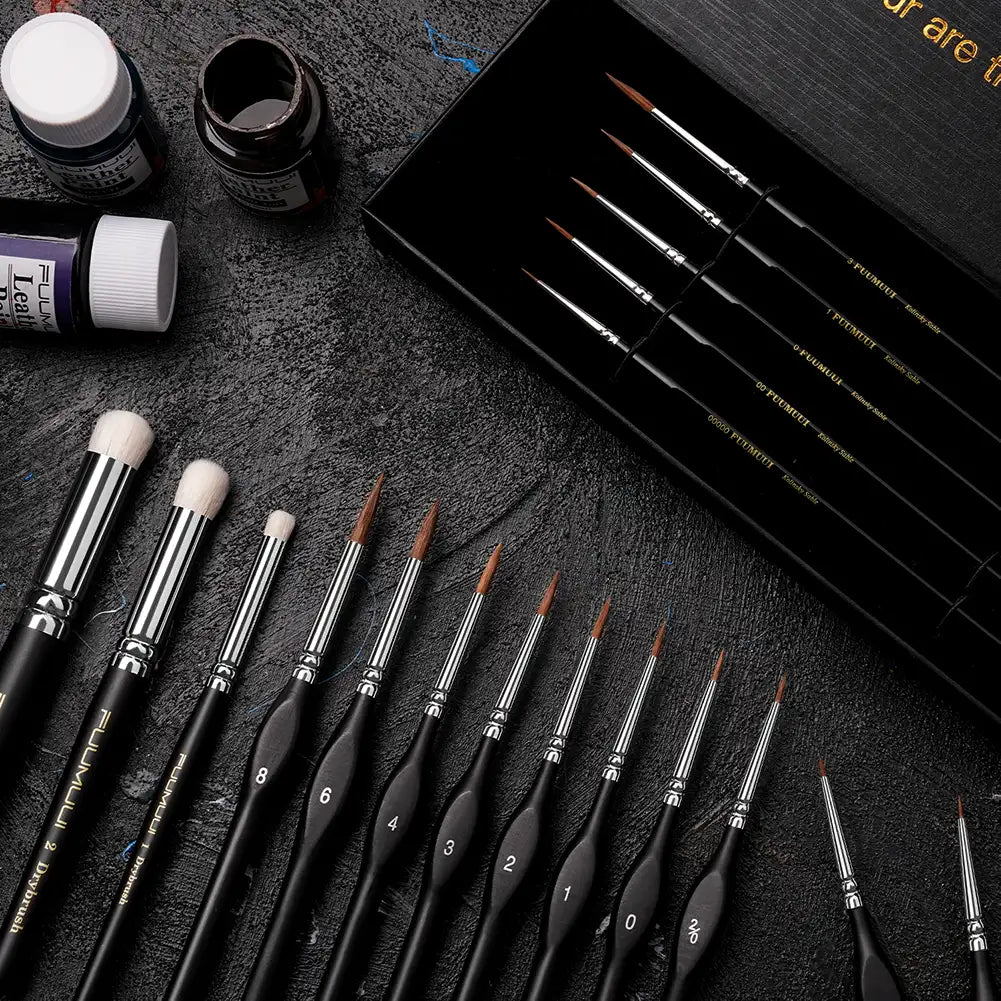
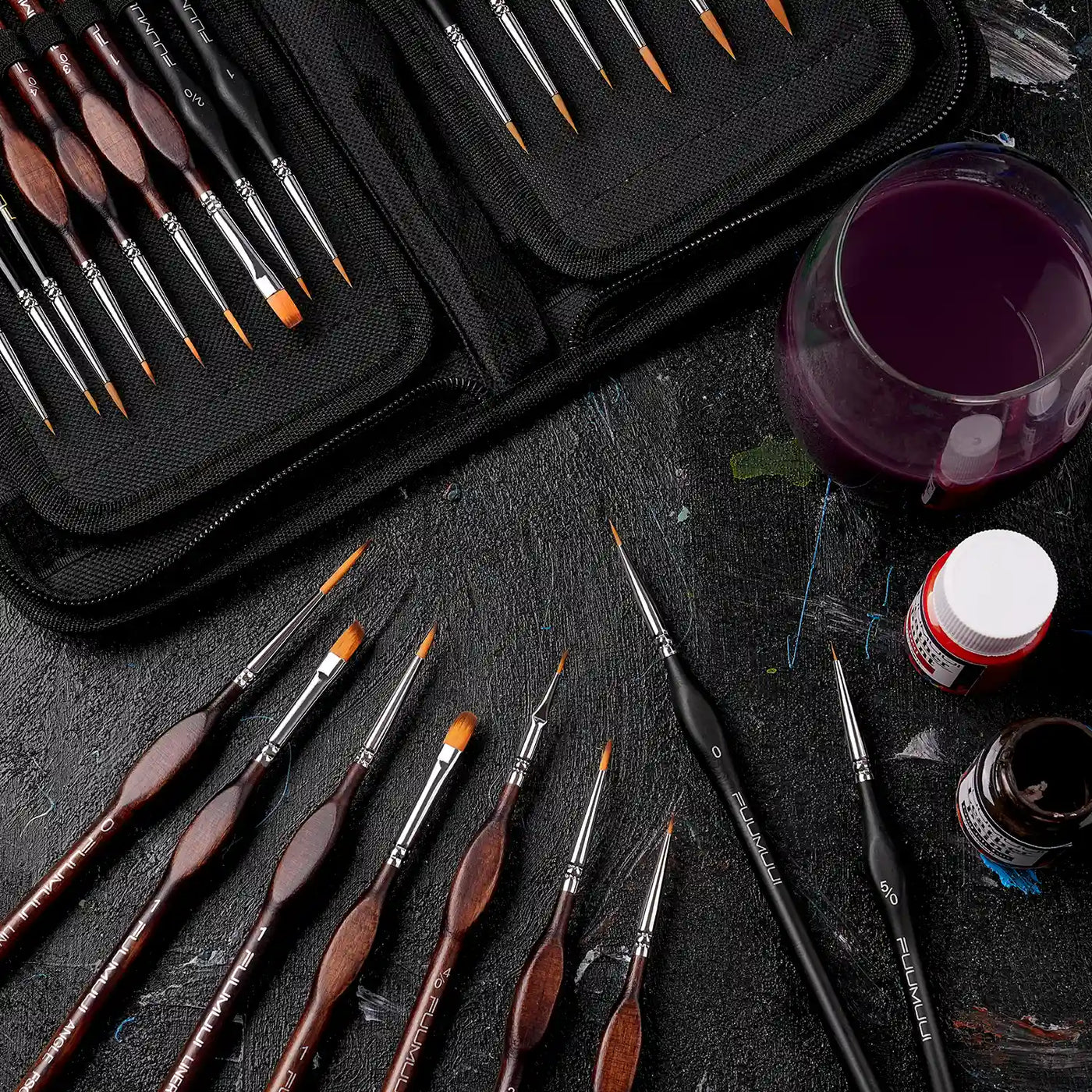
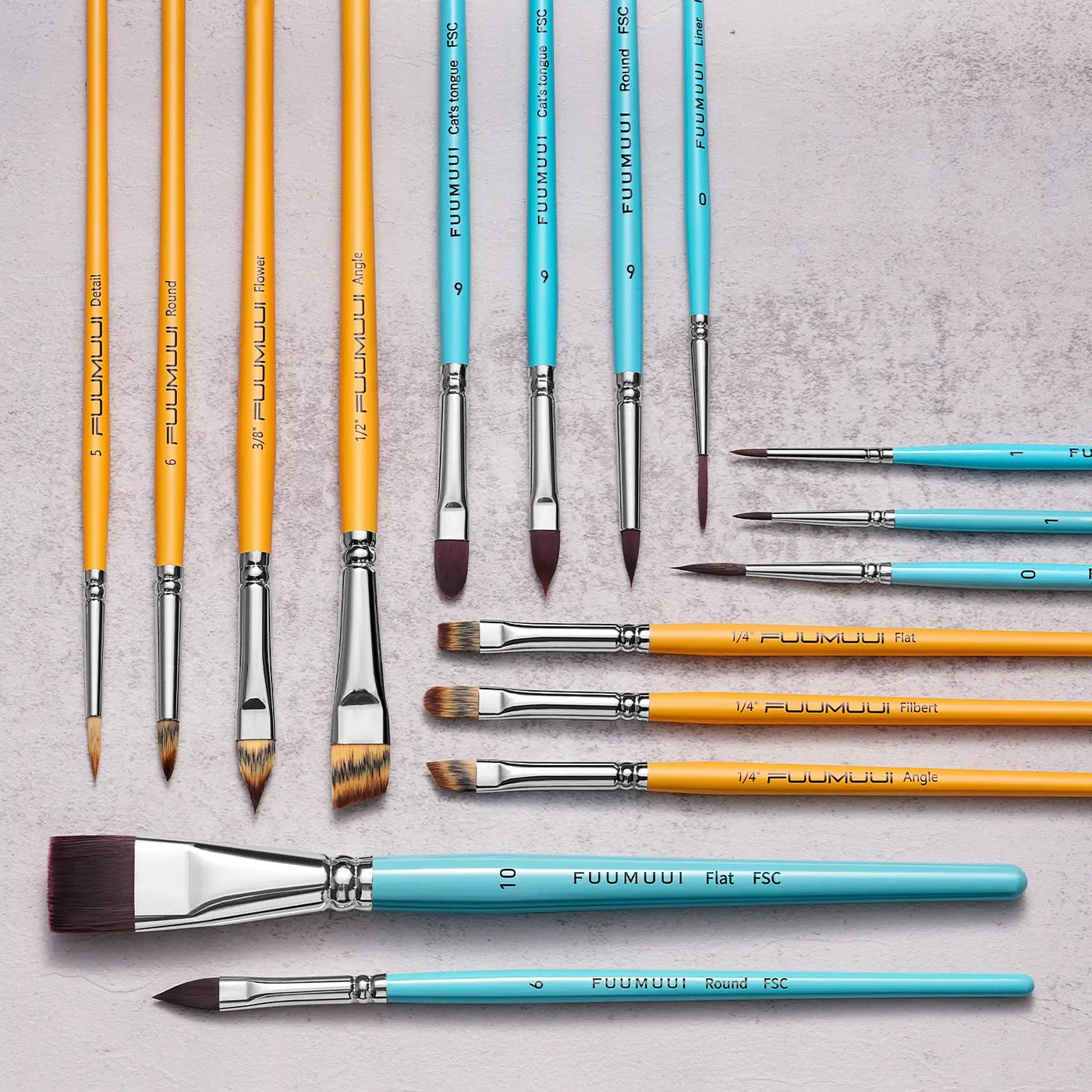
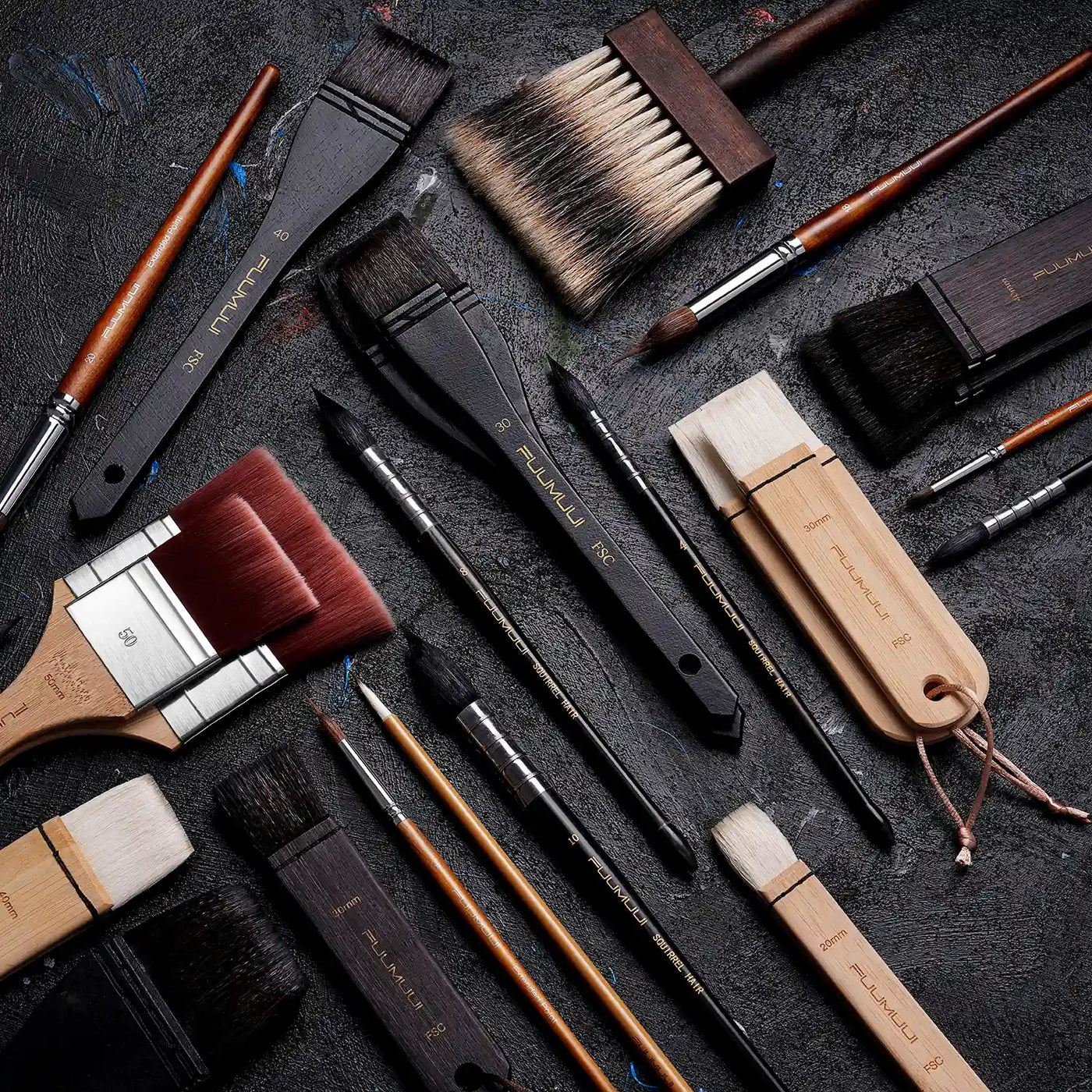
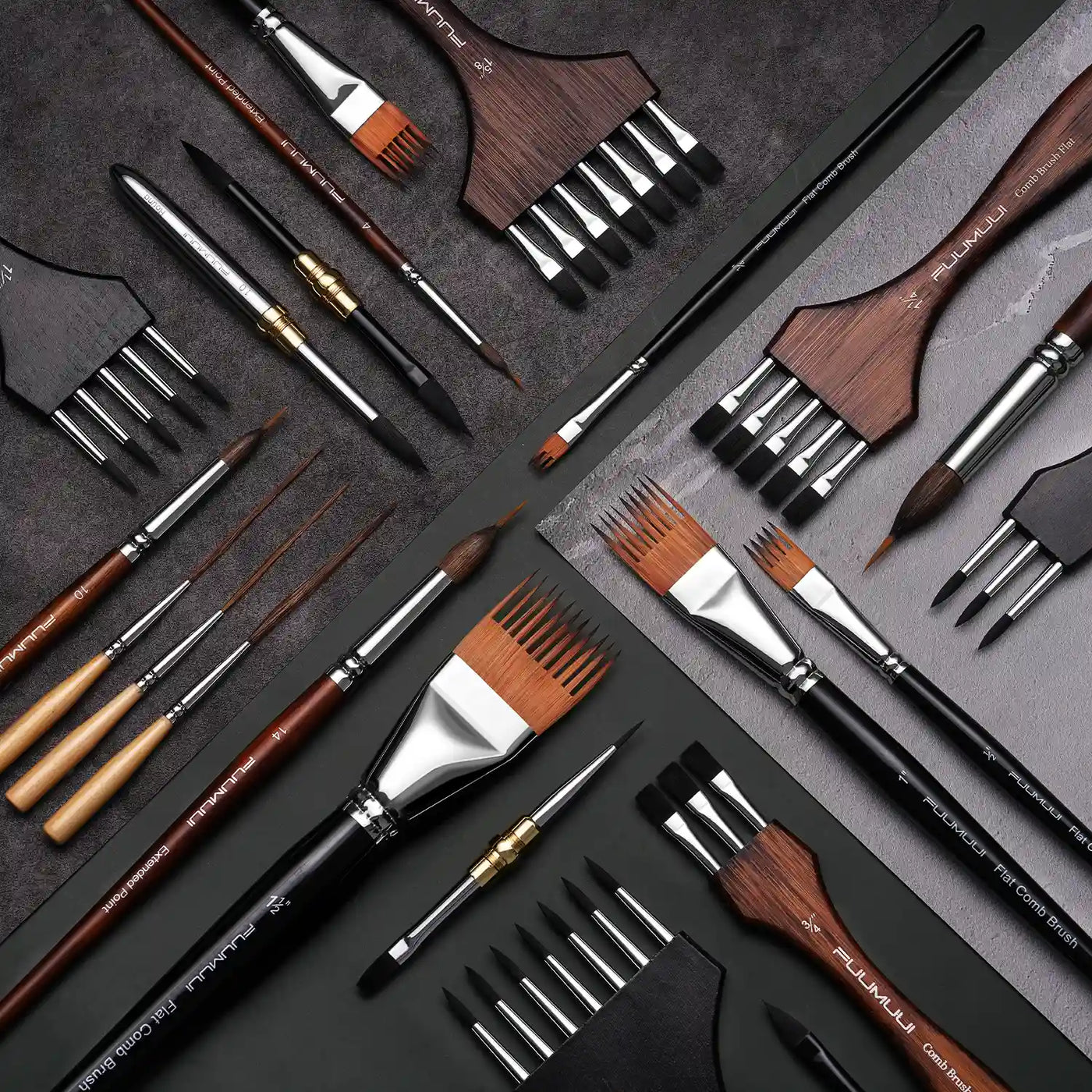
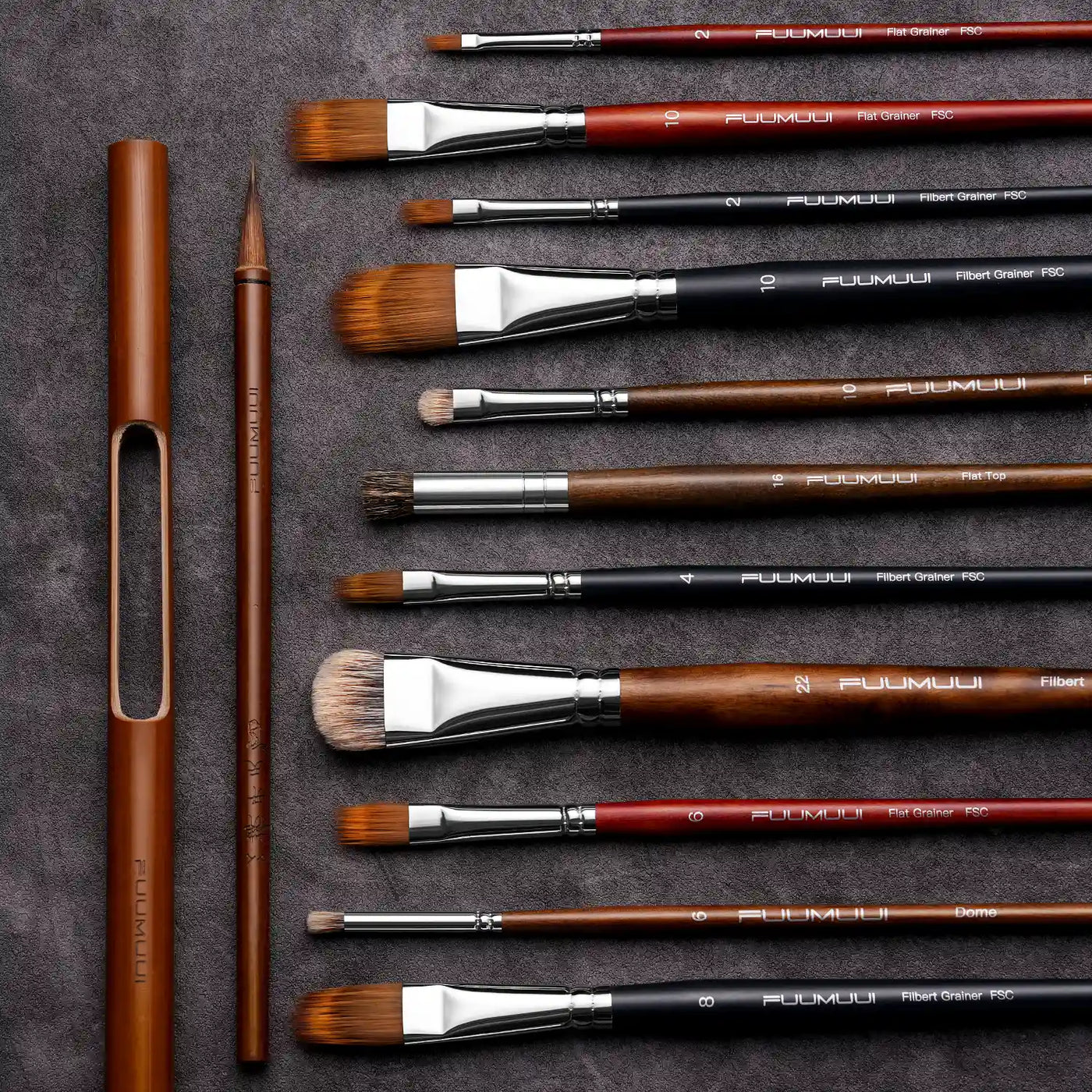
A veces, un pincel simplemente ha cumplido su tiempo. Si estás notando puntas abiertas o falta de elasticidad, podría ser el momento de una actualización. Explora la Serie Profesional Fuumuui, creada para artistas que exigen precisión, durabilidad y una herramienta que se sienta como una extensión de su mano.


