







Table of Contents
Key Takeaways
Verdict: Preservation is a proactive process. Combining the right archival materials with controlled environmental conditions is the only way to ensure your watercolor’s vibrancy for generations.
- Choose Quality Materials: Use acid-free, 100% cotton watercolor paper and lightfast pigments for long-term durability.
- Limit Light Exposure: Keep artwork away from direct sunlight and use UV-protective framing whenever possible.
- Store with Care: Maintain stable temperature and humidity, and use archival storage materials for unframed pieces.
- Frame for Protection: Acid-free mats, archival backing, and UV-filtering glass help preserve color and paper quality over time.
One of the most common concerns among artists and collectors is whether watercolor paintings will fade over time. The answer depends largely on the materials used and how the artwork is displayed, framed, and stored.
Fortunately, learning how to preserve watercolor paintings is relatively straightforward. A few smart choices can significantly reduce fading and help protect your artwork for the long term.
The 4 Key Factors for Watercolor Longevity
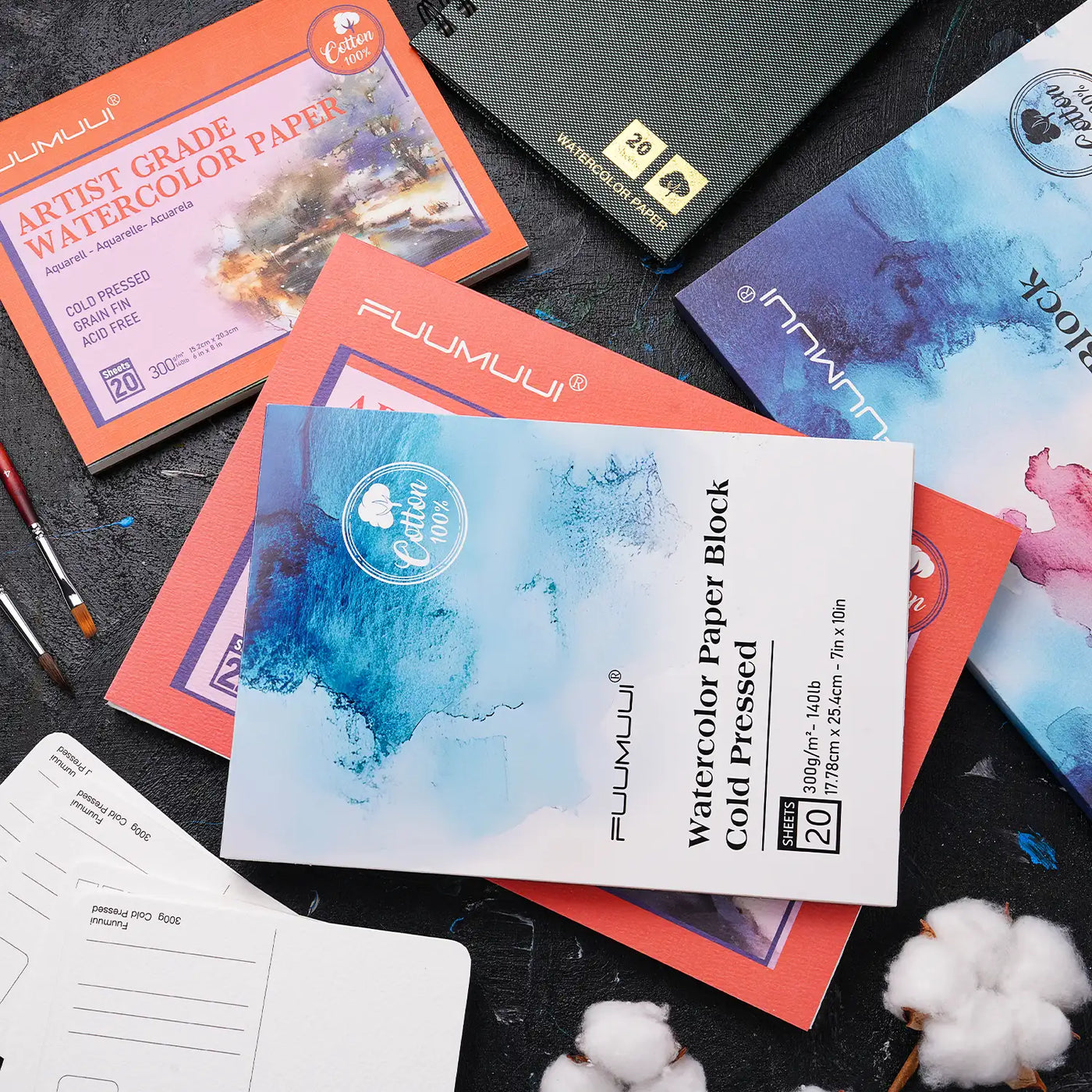
Choosing Acid-Free & 100% Cotton Paper
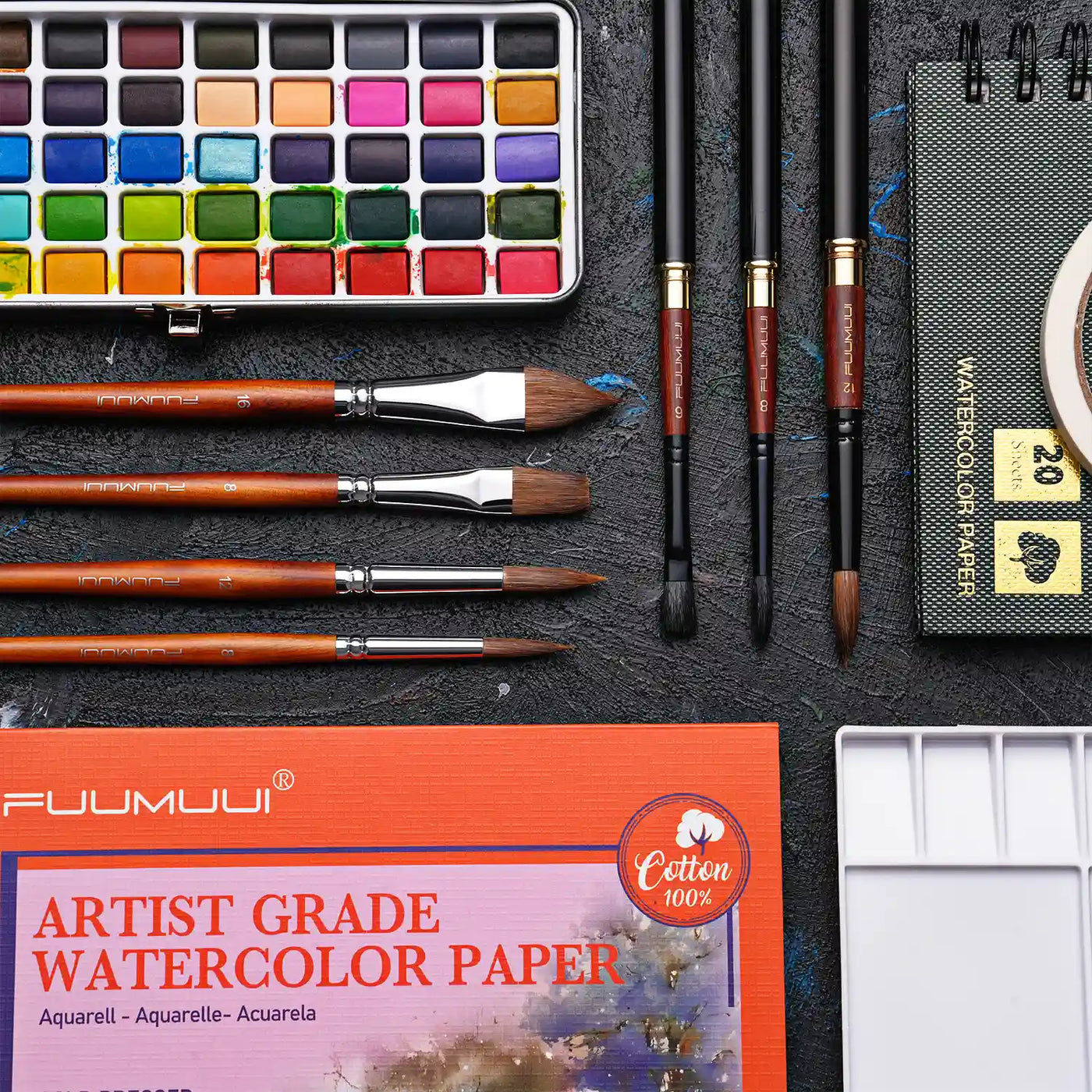
The paper you choose plays a major role in the longevity of a watercolor painting. Many inexpensive papers contain lignin, which breaks down over time and produces acids that cause yellowing, brittleness, and discoloration.
For artwork intended to last, look for:
- Acid-free watercolor paper
- pH-neutral paper
- 100% cotton watercolor paper
- Archival watercolor paper
Among these options, 100% cotton paper is widely considered the best choice for long-term preservation. Its durable fibers resist deterioration far better than standard wood-pulp papers, helping both the paper and pigments remain stable over time.
Using Professional Pigments with High Lightfastness
Not all watercolor pigments are equally resistant to fading. Professional watercolor manufacturers often use ASTM lightfastness ratings to indicate durability.
|
ASTM Rating |
Lightfastness |
|
ASTM I |
Excellent |
|
ASTM II |
Very Good |
|
ASTM III–V |
Fair to Poor |
If long-term preservation is important, choose pigments rated ASTM I or ASTM II whenever possible.
Tips: Fugitive colors such as Opera Rose, traditional Alizarin Crimson, and some fluorescent pigments fade more quickly than lightfast colors, making them less suitable for archival watercolor paintings.
Understanding UV Light & Photodegradation
Light is essential for viewing artwork, but it is also one of the most damaging factors in watercolor preservation.
- UV radiation damage: Ultraviolet rays carry enough energy to break down the chemical structure of pigments, leading to gradual color loss through a process known as photodegradation.
- Common exposure sources: Direct sunlight is the most harmful, but indirect sunlight and certain indoor lighting systems can also emit small amounts of UV light that contribute to watercolor fading over time.
- Cumulative effect: UV exposure is slow but continuous, and even low levels of light can accumulate damage when watercolor paintings are displayed for long periods.
Unlike dust or surface dirt, UV light damage is irreversible, and once pigments fade, their original vibrancy cannot be restored.
Using Framing as a Protective Layer
Proper framing does much more than improve presentation. A well-framed watercolor painting creates a protective barrier against environmental threats, including:
- UV exposure
- Dust accumulation
- Airborne pollutants
- Physical contact
- Moisture fluctuations
Think of framing as creating a controlled micro-environment around the artwork. Combined with archival materials, it can significantly extend the lifespan of watercolor paintings.
How to Prevent Watercolor Paintings from Fading
Maintain Stable Temperature and Humidity
Environmental stability plays an important role in preservation. Extreme heat can accelerate chemical reactions, while excessive humidity may encourage mold growth and paper distortion.
Ideal conditions include:
|
Factor |
Recommended Range |
|
Temperature |
18-22°C (65-72°F) |
|
Relative Humidity |
40-60% |
|
Light |
Indirect |
|
Ventilation |
Good airflow |
To maintain these conditions, avoid displaying watercolor paintings near radiators, fireplaces, heating vents, air conditioners, bathrooms, or kitchens, where temperature and humidity can fluctuate significantly. For long-term preservation, consistency matters more than perfect numbers.
Control UV & Light Exposure
Reducing light exposure is one of the most effective ways to preserve watercolor paintings and slow the fading process.
- Avoid direct sunlight: Keep watercolor paintings away from windows or other areas where they may receive prolonged direct sun exposure.
- Choose the right display location: Display artwork on interior walls whenever possible to reduce exposure to both direct and indirect UV light.
- Use protective measures: Install UV-filtering window film, close curtains or blinds during the brightest hours of the day, and rotate displayed artwork periodically to minimize cumulative light damage.
Even highly lightfast pigments can fade over time, so limiting exposure to strong light sources remains an essential part of watercolor preservation.
Reducing Exposure to Dust, Smoke & Pollutants
Airborne contaminants can gradually affect the appearance and longevity of watercolor paintings.
- Limit exposure to smoke: Keep artwork away from smoking areas, as smoke residues can stain both the paper and framing materials over time.
- Reduce dust accumulation: Dust particles can trap moisture and pollutants, so cleaning frames regularly helps maintain a healthier environment for the artwork.
- Maintain clean indoor air: Good ventilation and air filtration can reduce airborne pollutants that may contribute to the gradual deterioration of watercolor paintings.
While these factors are less damaging than UV light, their effects can become noticeable after years of continuous exposure.
Storage Solutions for Your Watercolor Paintings
Proper storage is essential for preserving watercolor paintings, especially those that are not currently on display.
Frame Watercolor Paintings for Long-Term Preservation
For finished artwork, proper framing remains one of the most effective preservation methods.

- Use archival framing materials: Choose acid-free mat boards and archival backing boards to prevent yellowing and chemical deterioration.
- Add UV protection: UV-filtering glass or acrylic helps reduce light damage and slow watercolor fading.
- Create proper spacing: Keeping the artwork separated from the glazing helps prevent moisture buildup and surface damage.
Museum glass offers some of the highest levels of UV protection available and is often a worthwhile investment for valuable original watercolor paintings.
Proper Storage for Unframed Artworks
Not every watercolor painting needs immediate framing, but proper storage is still essential.
- Use archival materials: Store artwork in archival sleeves or acid-free folders to protect it from dust, moisture, and pollutants.
- Store artwork flat: Flat storage helps prevent creases, curling, and unnecessary stress on the paper.
- Choose a stable environment: Keep watercolor paintings in a cool, dry location away from excessive heat or humidity.
Avoid attics, garages, and basements, where temperature and humidity fluctuations can accelerate deterioration.
Creating Digital Backup & Archival Records
Documentation is an often-overlooked part of watercolor preservation.
- Create a visual record: High-resolution scans preserve the artwork's original appearance.
- Support future needs: Digital copies can assist with insurance documentation, reproduction, and portfolio management.
- Monitor long-term changes: Comparing scans over time can help identify gradual fading or deterioration.
While a digital backup cannot replace the original artwork, it provides valuable protection against unexpected loss or damage.
To Seal or Not to Seal?
This question generates a surprising amount of debate among watercolor artists, but the answer depends on how the artwork will be displayed and preserved.
When Sealing Is Necessary
While framing remains the traditional method of protecting watercolor paintings, sealing may be useful in certain situations.

- Display without glass: A protective coating can help shield the surface when artwork is displayed without traditional glazing.
- Unconventional surfaces: Watercolor paintings created on wood panels, mixed-media surfaces, or other non-paper supports may benefit from sealing.
- Additional moisture resistance: Some artists use sealants to provide an extra layer of protection against humidity and environmental exposure.
For traditional paper-based watercolor paintings, archival framing is usually the preferred preservation method.
Choosing Fixative vs UV Varnish
Different protective products serve different purposes.
- Workable fixatives: These help stabilize loose pigment particles and reduce the risk of smudging.
- UV varnishes: These coatings can help reduce light-related damage and provide additional surface protection.
- Consider the trade-offs: Varnishes may alter the appearance of a watercolor painting and are more commonly used in mixed-media work than in traditional watercolor practice.
Always test any fixative or varnish before applying it to important artwork.
Using Cold Wax as an Alternative
Some contemporary artists choose cold wax as a non-traditional way to protect watercolor paintings.
- Adds a protective layer: Cold wax creates a soft barrier that can help protect the artwork from handling and environmental exposure.
- Allows display without glass: In some cases, it can eliminate the need for traditional glazing.
- Creates a unique finish: The wax can add texture and alter the surface appearance of the painting.
As cold wax changes the character of a traditional watercolor painting, it should be considered both a preservation option and an artistic choice.
FAQs about Watercolor Preservation
Q1: Do Watercolor Paintings Fade Over Time?
A: Yes. All artwork changes gradually over time. However, high-quality watercolor paintings created with lightfast pigments and archival materials can retain their appearance for many decades.
Q2: Can Watercolor Paintings Be Hung in Sunlight?
A: No. Direct sunlight is one of the fastest ways to cause watercolor fading. Even indirect sunlight should be limited whenever possible.
Q3: Does UV Glass Prevent Watercolor Fading?
A: UV glass significantly reduces harmful radiation but cannot eliminate it completely. It works best when combined with proper placement and controlled lighting conditions.
Q4: What Is the Best Paper for Archival Watercolor Painting?
A: The best choice is generally 100% cotton, acid-free watercolor paper made to archival standards. These papers provide superior stability and longevity.
Protect Your Watercolors for Years to Come
From choosing acid-free watercolor paper to using UV-protective framing, every preservation decision helps extend the life of your artwork. Small preventive measures today can make a lasting difference in how your watercolor paintings look decades from now.
Looking to improve your watercolor results from the very beginning? Start with high-quality materials and archival practices to give every painting the best chance of lasting for generations.

Consigue resultados impresionantes con nuestro papel de acuarela. Contamos con el mejor papel para acuarela: 100% algodón, prensado en frío...


