
Table of Contents
Key Takeaways
Verdict: Quality supplies are the foundation of watercolor art. In 2026, the focus remains on 100% cotton paper and professional-grade pigments to achieve vibrant, archival results.
- Paper is Priority: Always choose 300gsm (140lb) 100% cotton paper to handle multiple washes without warping.
- Paints: Use tubes for instant large washes and pans for portability and field sketching.
- Essential Tools: Opt for 4H pencils for light, erasable drafts and waterproof fine-liners for line-and-wash techniques.
In this post, we're diving into watercolor art materials, covering everything from the best paper to the must-have accessories in my studio and travel kit.
Recommended Drawing Tools for Watercolor
Choosing the Best Pencils for Watercolour
Many artists and urban sketchers prefer a 2B pencil, which produces nice, dark lines that are excellent for shading.

For watercolourists, however, I recommend a softer graphite rating like a 4H. This produces a lighter line that is less visible when painted over and can be easily erased without damaging the paper surface. Both 2B and 4H pencils are in my travel case and studio, as they work well together covering most sketching projects.
I'm a big fan of retractable pencils, as they keep a beautiful point and are excellent for fine details and crisp, sharp lines. An added bonus: no need to sharpen and minimal waste.
Traditional pencils are the backbone of every artist's art supplies, and for good reason - they are lightweight, affordable, and available in so many ratings of hardness and blackness. They are easy to sharpen with minimal mess and are excellent for shading and quickly covering large areas.
Graphite powder is also available; I do have some, but I have not tried it yet. I will share my findings when I do!
Essential Pens & Markers for Watercolourists

The choice now is greater than it has ever been - what a great time to be an artist! The traditional felt pen I used as a kid has definitely grown up. The market has a pen for every occasion and style, from brush pens to watercolour pens and everything in between.
I love using traditional ink and a nib pen in the studio; it feels so nostalgic to draw using traditional tools and methods. The choice of inks now available from all over the world is amazing; we are spoilt. In my travel kit, I carry a Sailor Fude pen and spare ink cartridges.
Black ink brush pens are a guilty pleasure; I cannot resist them. I love the intensity of the colour and the way the ink flows onto the paper - the lines are so fluid and graceful.
Fine liner pens are part of every urban sketcher's kit. They are perfect for watercolourists who do line and wash techniques; always double-check that they are waterproof. I use a white gel pen or white ink for adding highlights if required. Both are very useful for signing your art.
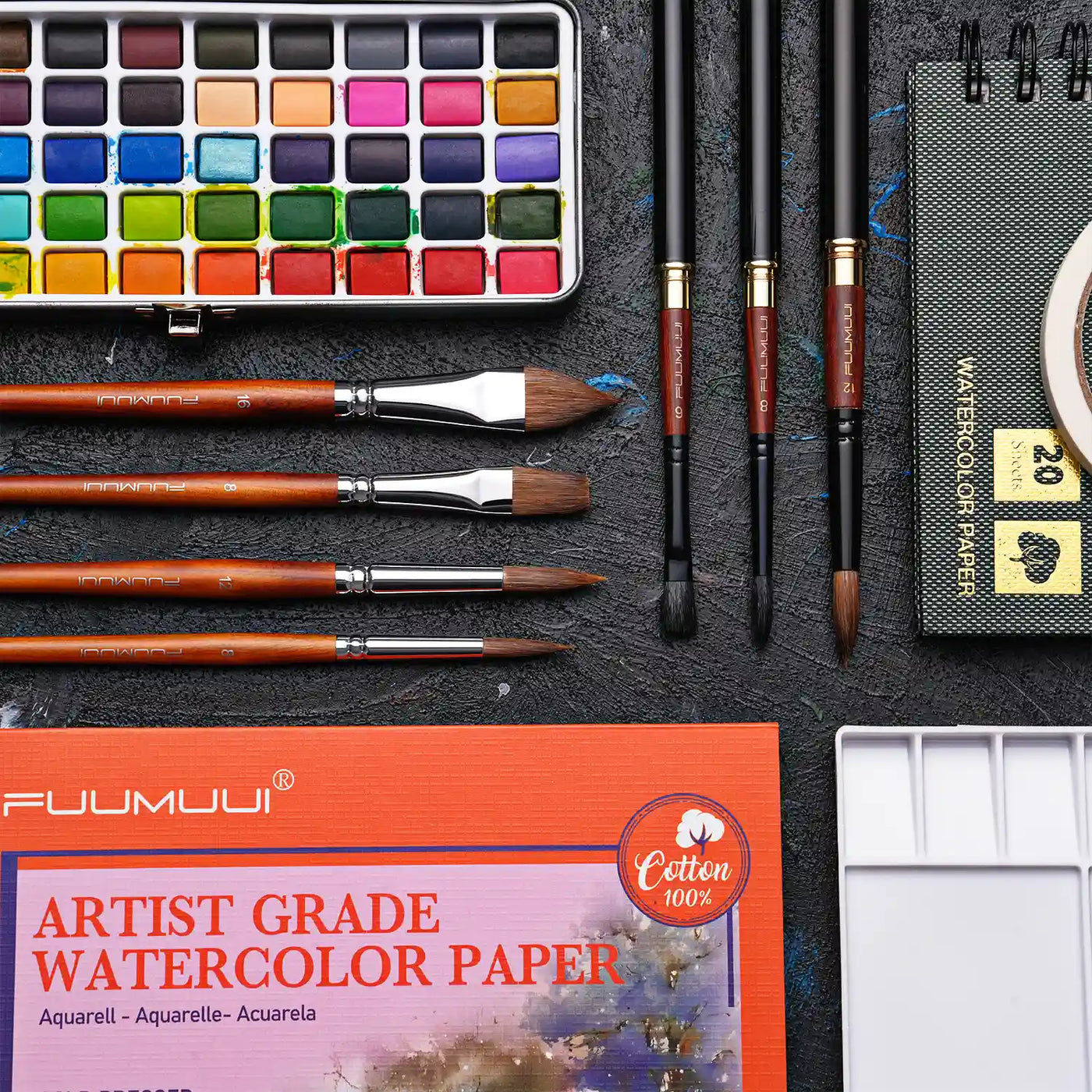
Selecting Watercolour Paper and Paint
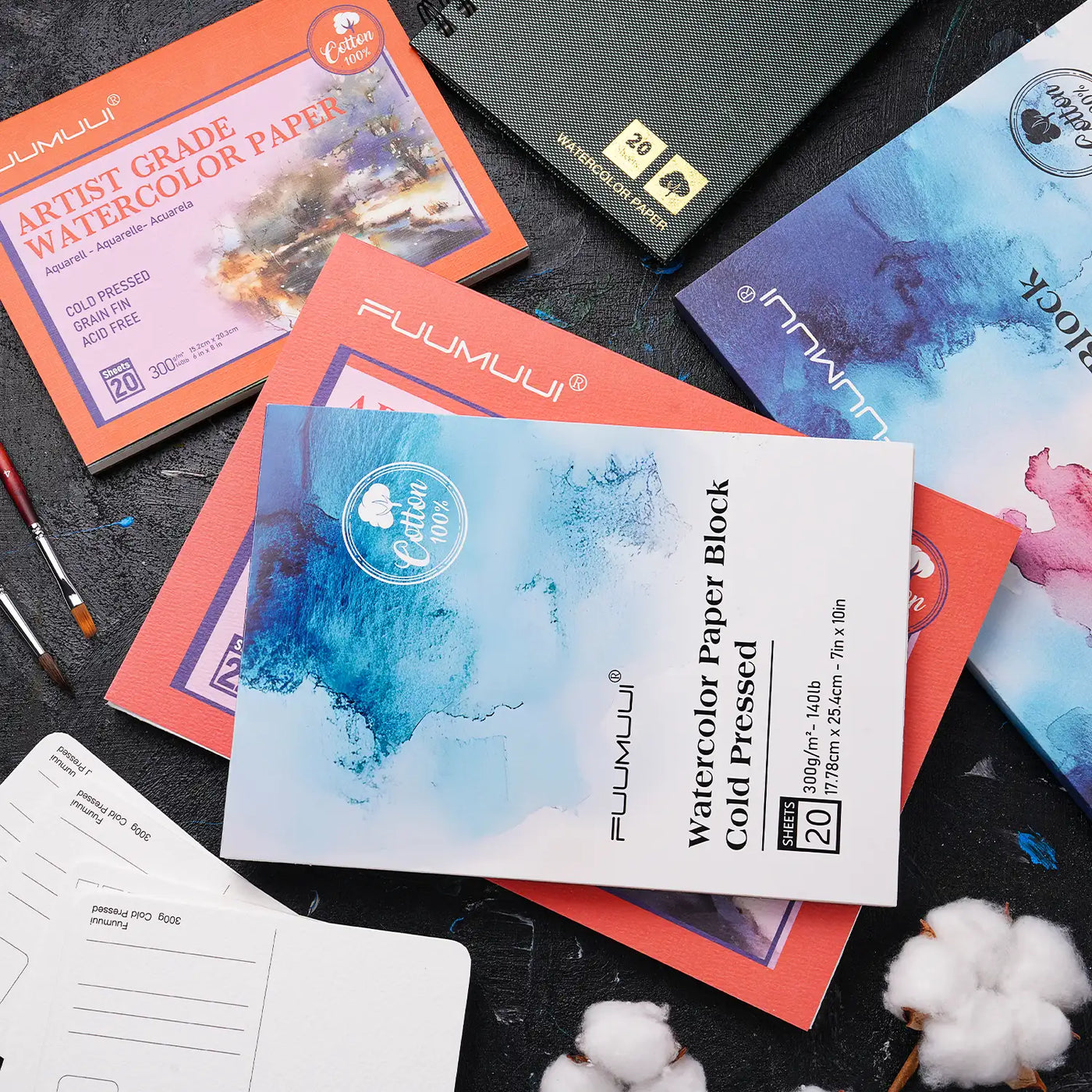
Best Watercolour Paper Types and Sizes

There are many brands of watercolour paper, all with unique properties and surface types. The joy of watercolour painting is finding the paper that suits your style, subject matter, and the level of detail required.
- Hot Pressed (HP): Very smooth. Ideal for detailed line work and scanning the finished art.
- Cold Pressed (CP/Not): A happy medium. Ideal for wet-on-wet techniques, but the slight texture can be harder for highly detailed work.
- Rough: Highly textured. Ideal for wet-on-wet styles and expressive brush strokes.
I like the Cold/Not surface for the majority of my paintings.
On a future, more illustrative project, I will use Hot Pressed paper, which is better suited for detailed work and is ideal for scanning the artwork when finished.
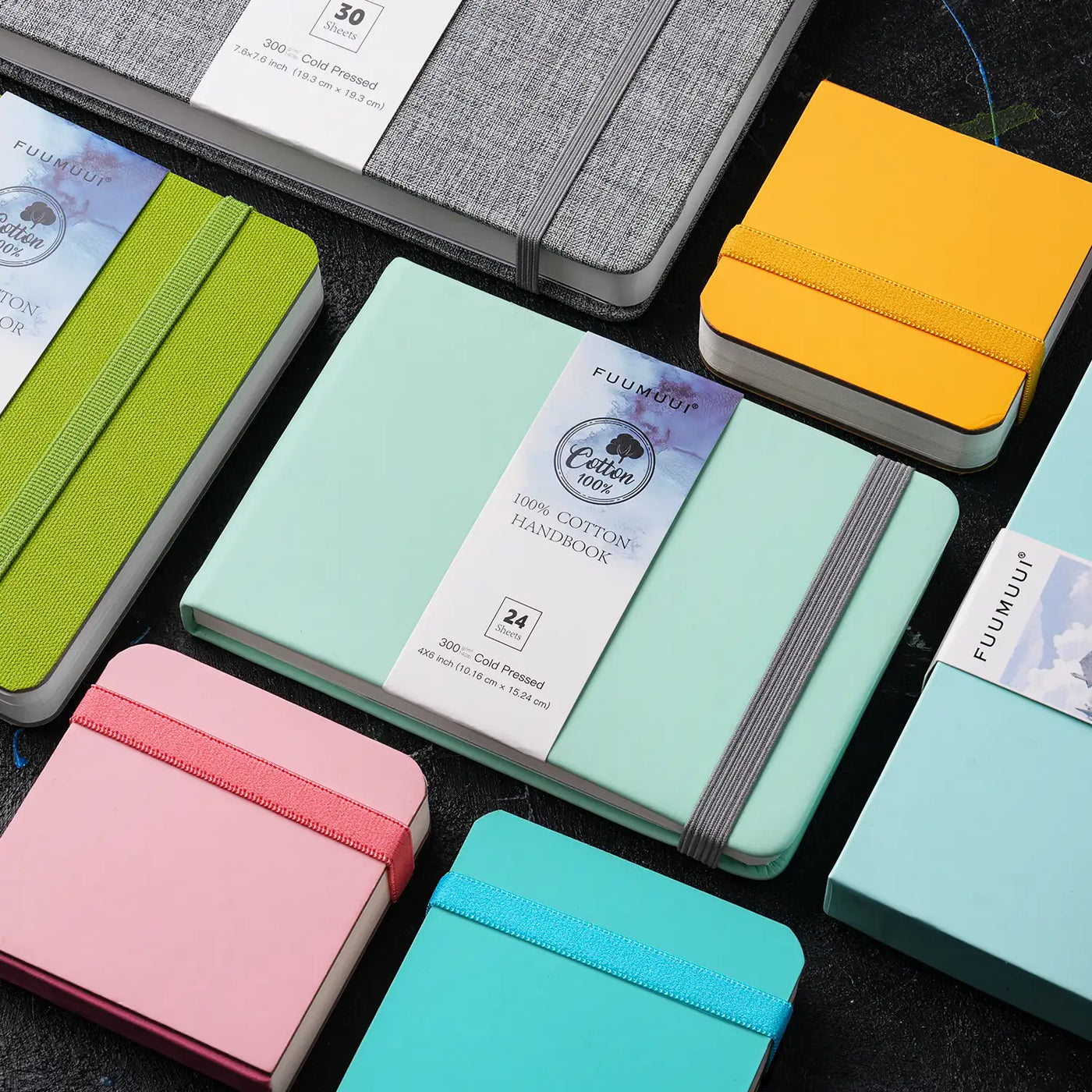
I love to paint on postcard-sized paper; it easily fits in my shoulder bag, and it takes up so little space on my desk when I paint in the studio. For larger paintings, I use a lot of water and washes, so I prefer to use watercolour blocks 24x32cm in size rather than loose sheets, which may need stretching. I do have some larger loose sheets, which I cut down to size as required.
$24.00$18.99
TIP: Always buy the best paper; 100% cotton is my recommendation.
Watercolour Paints: Pans vs. Tubes
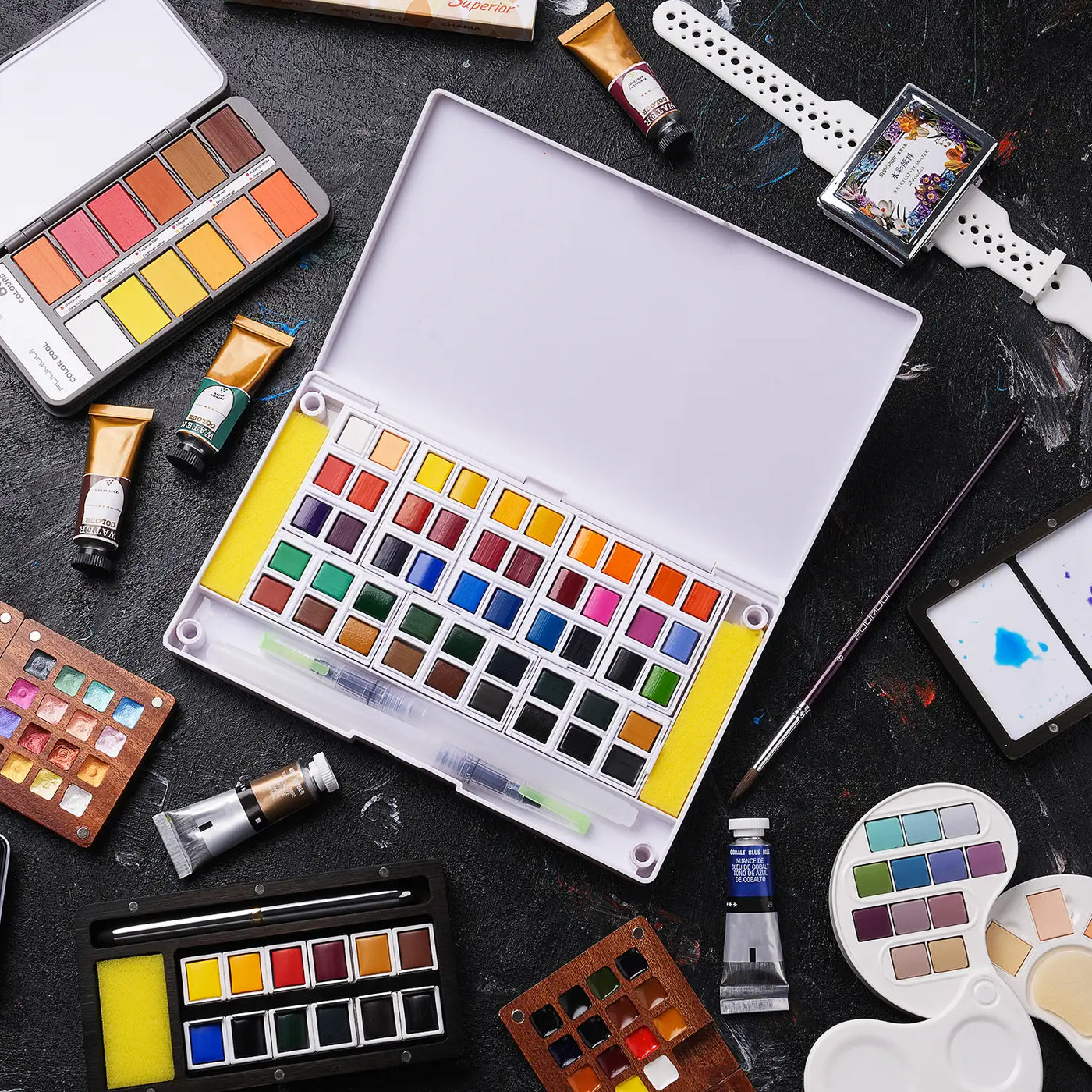
When I first became interested in watercolour painting, I was like a Magpie, picking up sets whenever I saw a deal or a new shiny tin. I didn't care if they were pans or tubes. Thankfully, the use-by dates on paints are very long!
When I started to paint, I found that they both offered something special. If you want to make a lot of colour for a wash, then using tube paint is perfect, as tube colour is an instant mix.
Pans need wetting before use for best results; a simple misting of water helps loosen the colour ready for painting. Pans are a great choice for travel.

Both pans and tubes are available from various manufacturers, who offer sets of paints aimed at beginners and professionals, complemented by a large selection of loose colours.
TIP: Choose professional quality paints. They may be slightly more expensive, but they last a long time and go a long way.
Recommendations for Beginners
If I were advising a beginner in watercolor, I would recommend tubes as these can be decanted into empty half or full pans - a win-win situation.
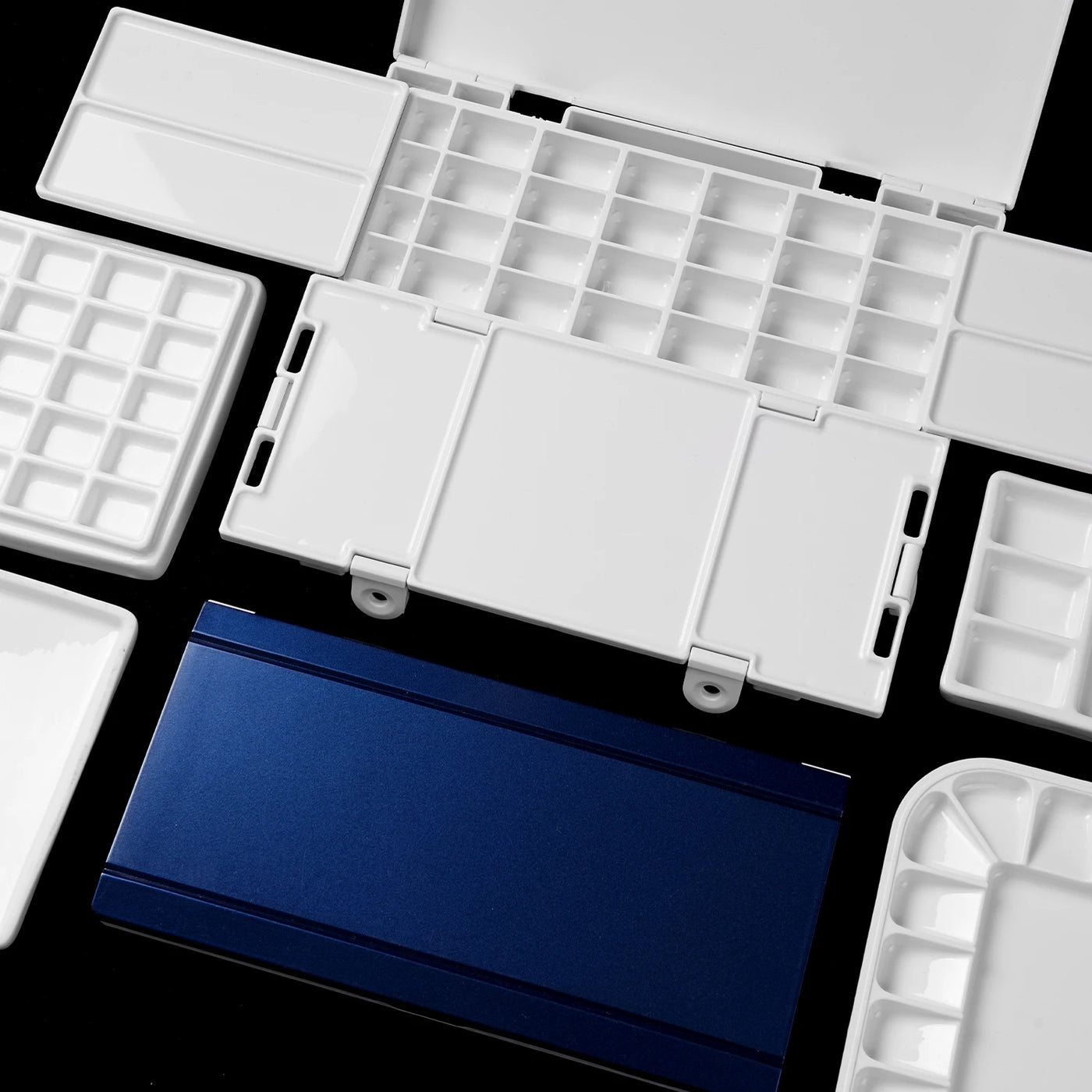
In my studio, I have a metal tray, upon which sit magnetised half pans of the colours I'm currently using. These are a mix of solid paint in pans and poured paint from tubes. I also have two more trays with all my other colours on them. This enables me to create bespoke palettes without any fuss; I can swap colours with ease or add new ones.
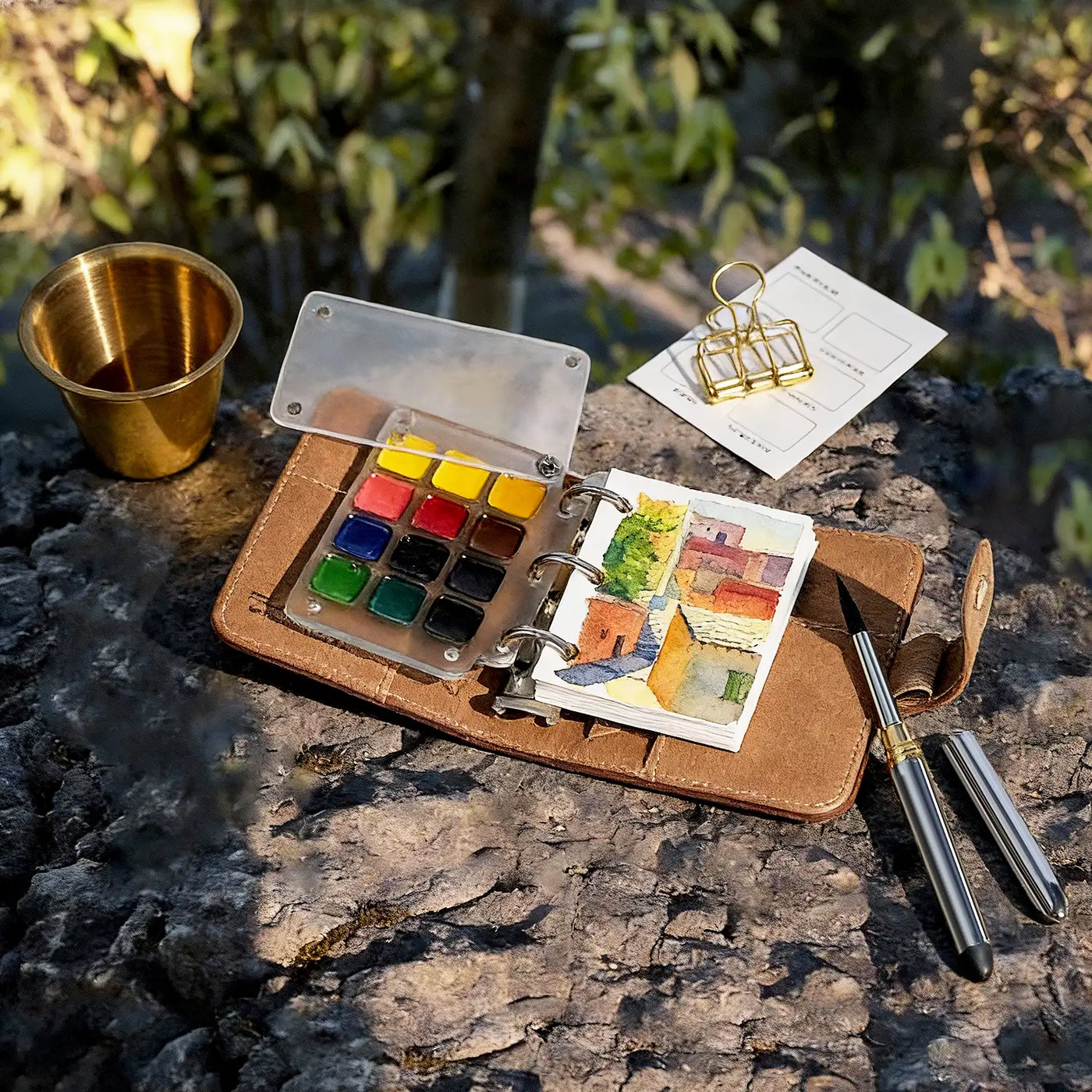
I use a magnetised palette system in my travel kit; again, I decanted selected colours from tube paints into the trays of various sizes. It's a very versatile system which takes up very little space, suiting both urban sketching and travel painting.
Choosing Watercolour Brushes for Every Style

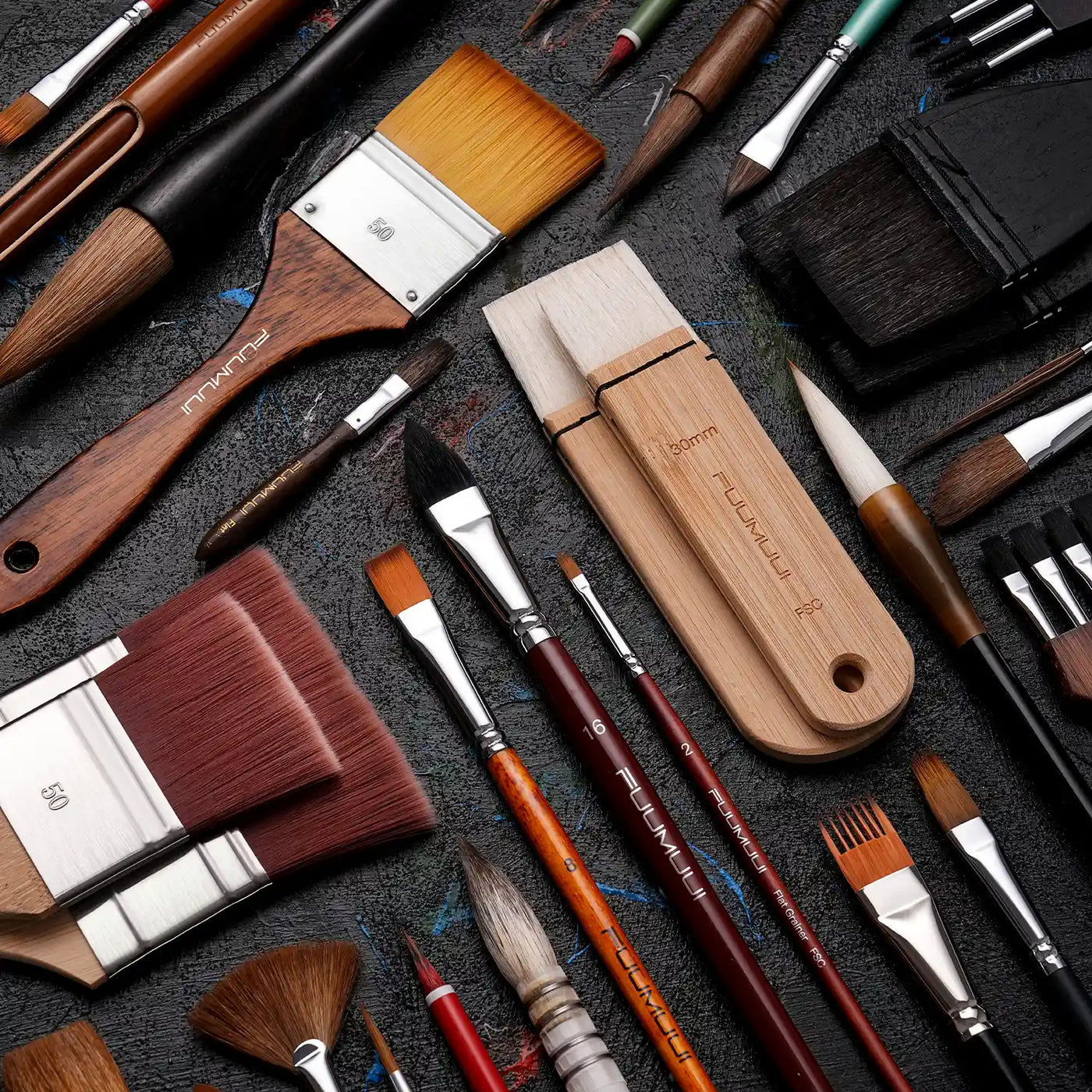
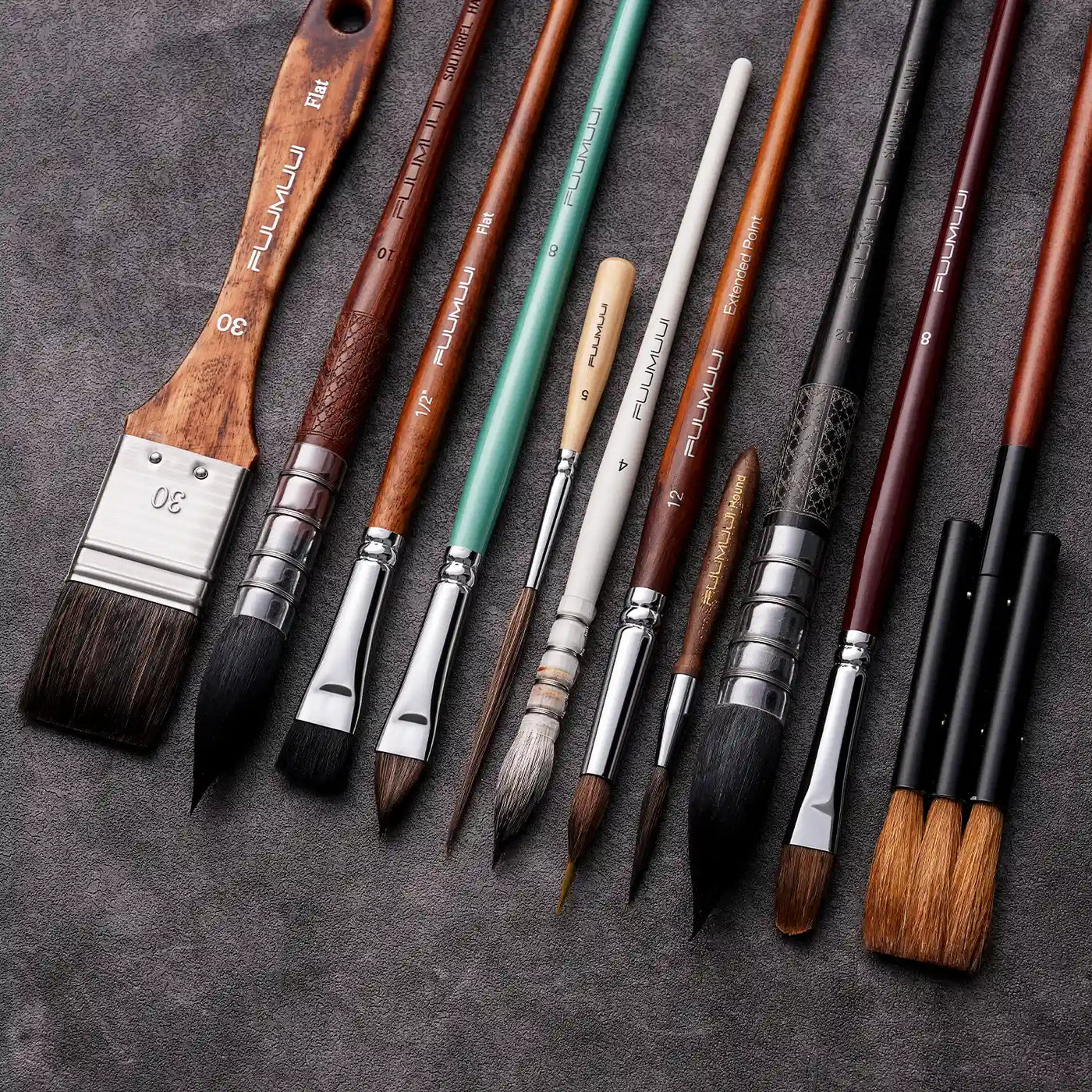
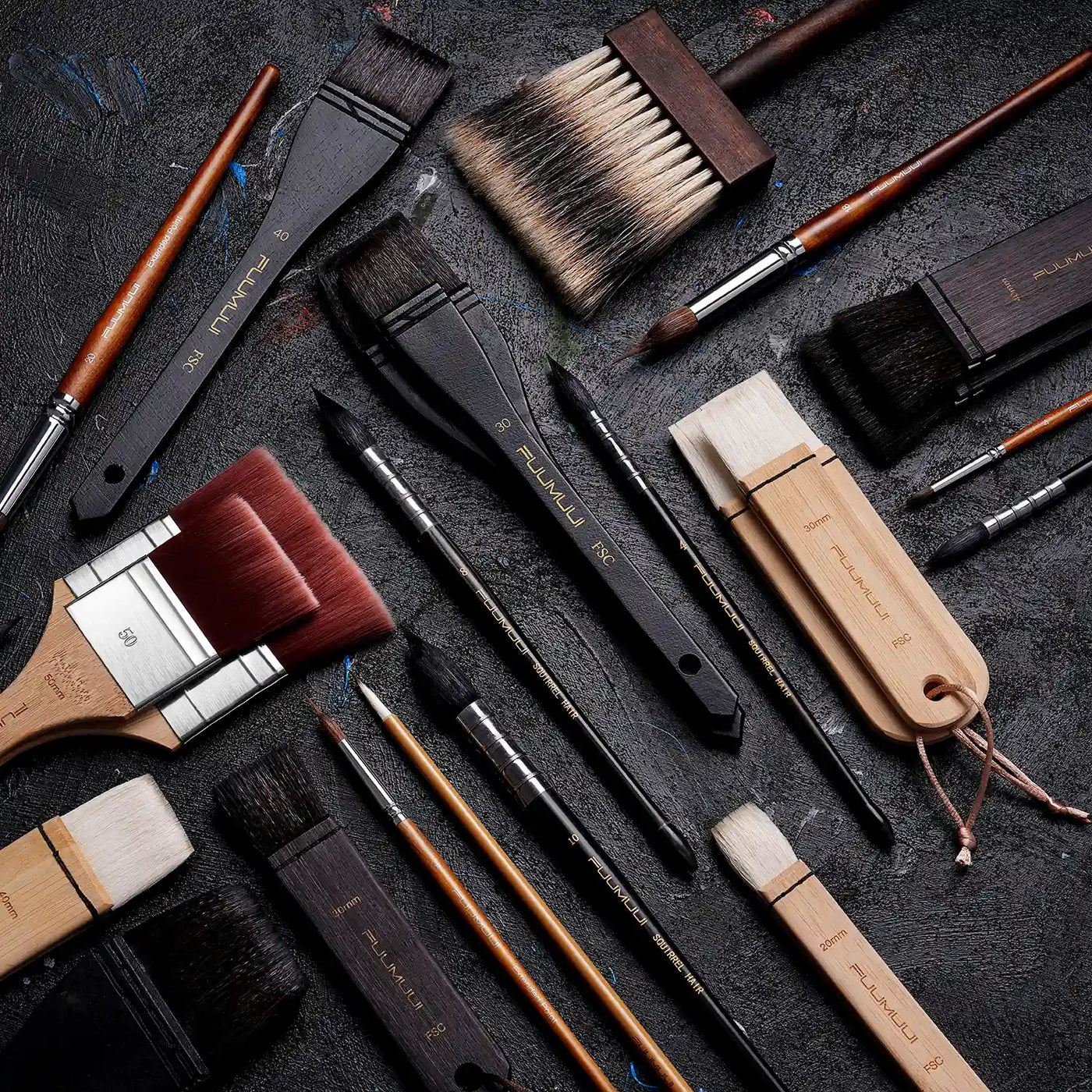
I love using all types of Watercolour brushes, synthetic and natural. Both are available in a variety of different shapes and styles.
Natural Hair vs. Synthetic Hair
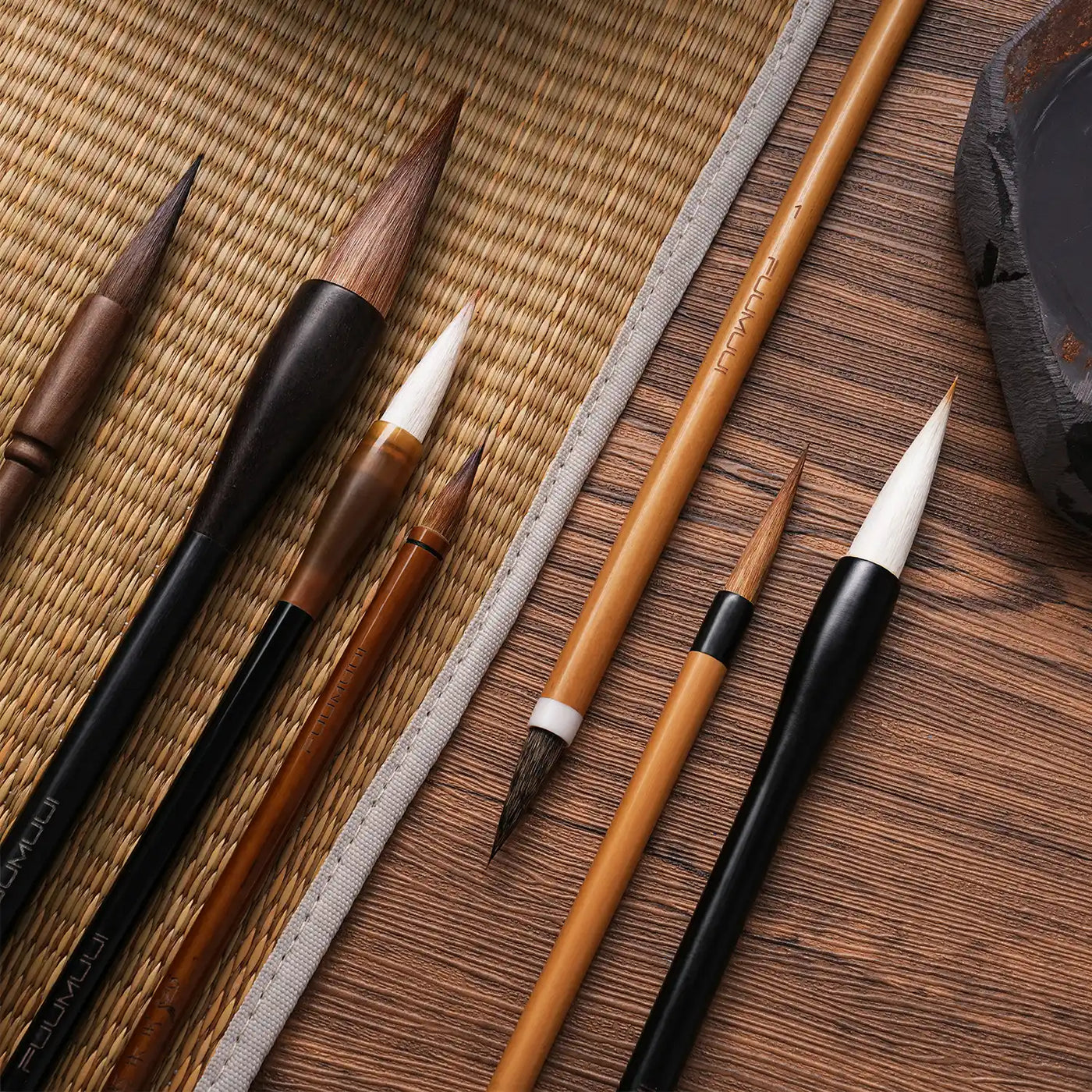
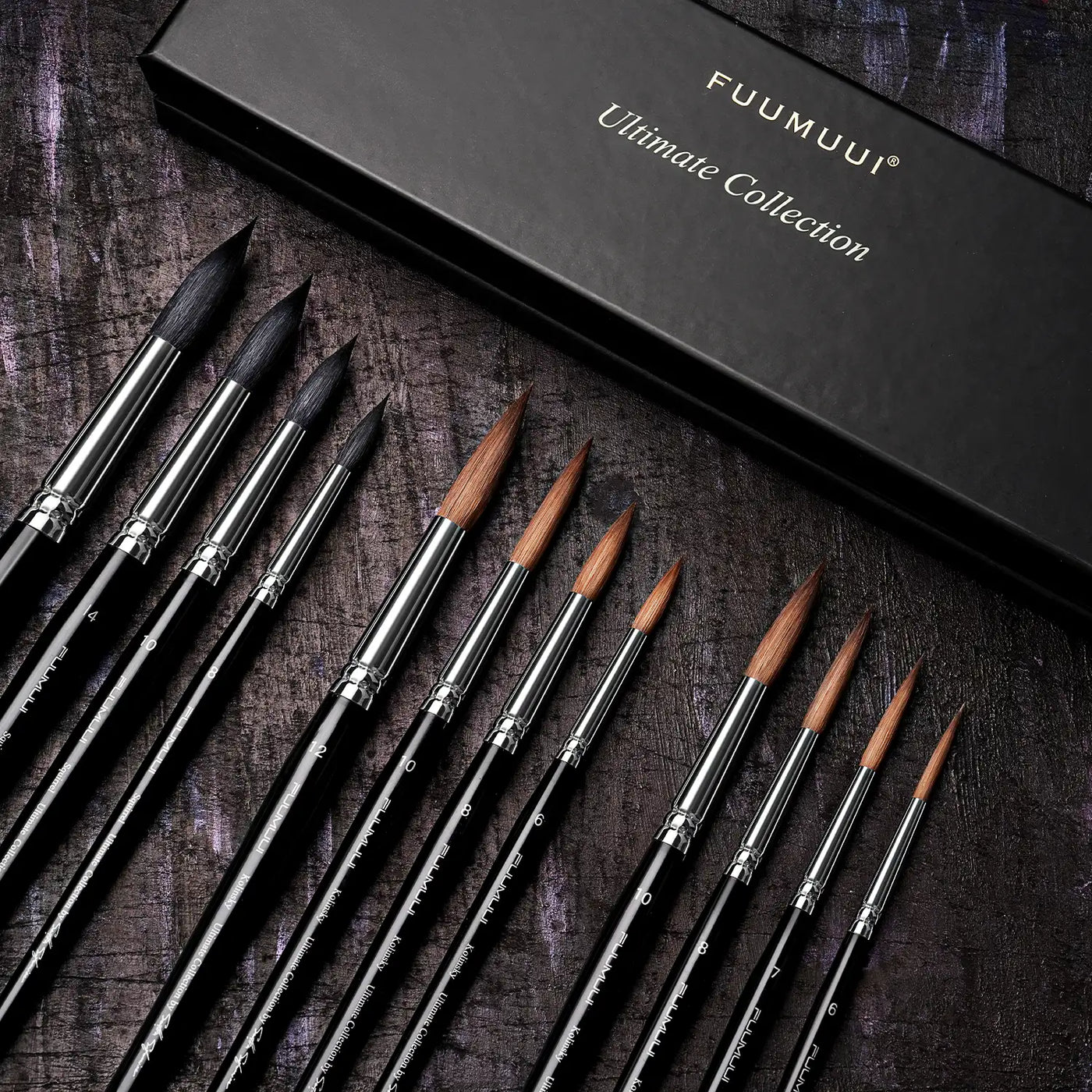
Natural or synthetic? This is a common question for beginners. In the past, natural hair was used to make brushes, like sable watercolour brushes. These are renowned for their capacity to retain a significant amount of pigment and water. But synthetic watercolor brushes have come a long way. They are a great option for beginning artists because they are strong, reasonably priced, and have great spring and snap.
Must-Have Brush Shapes
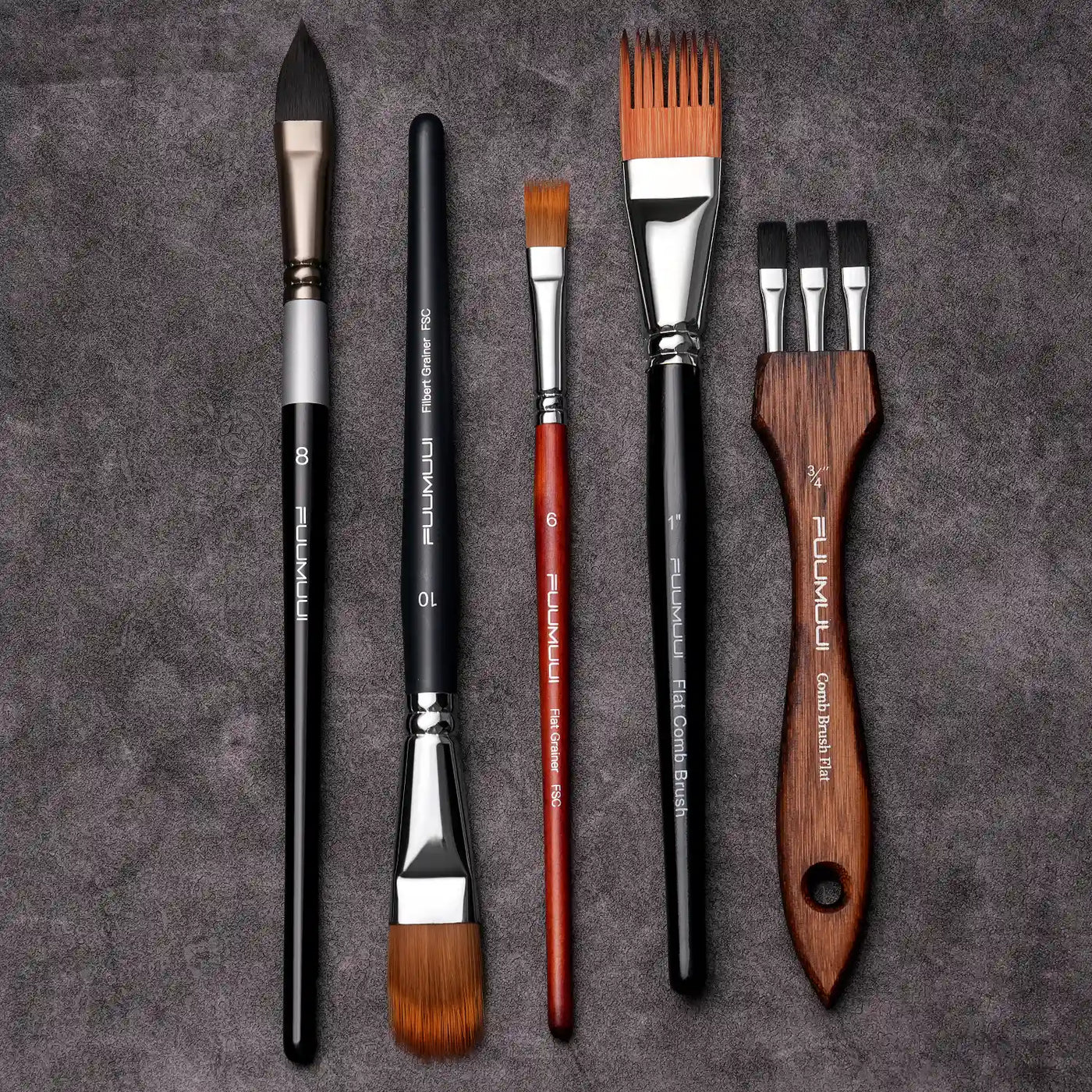
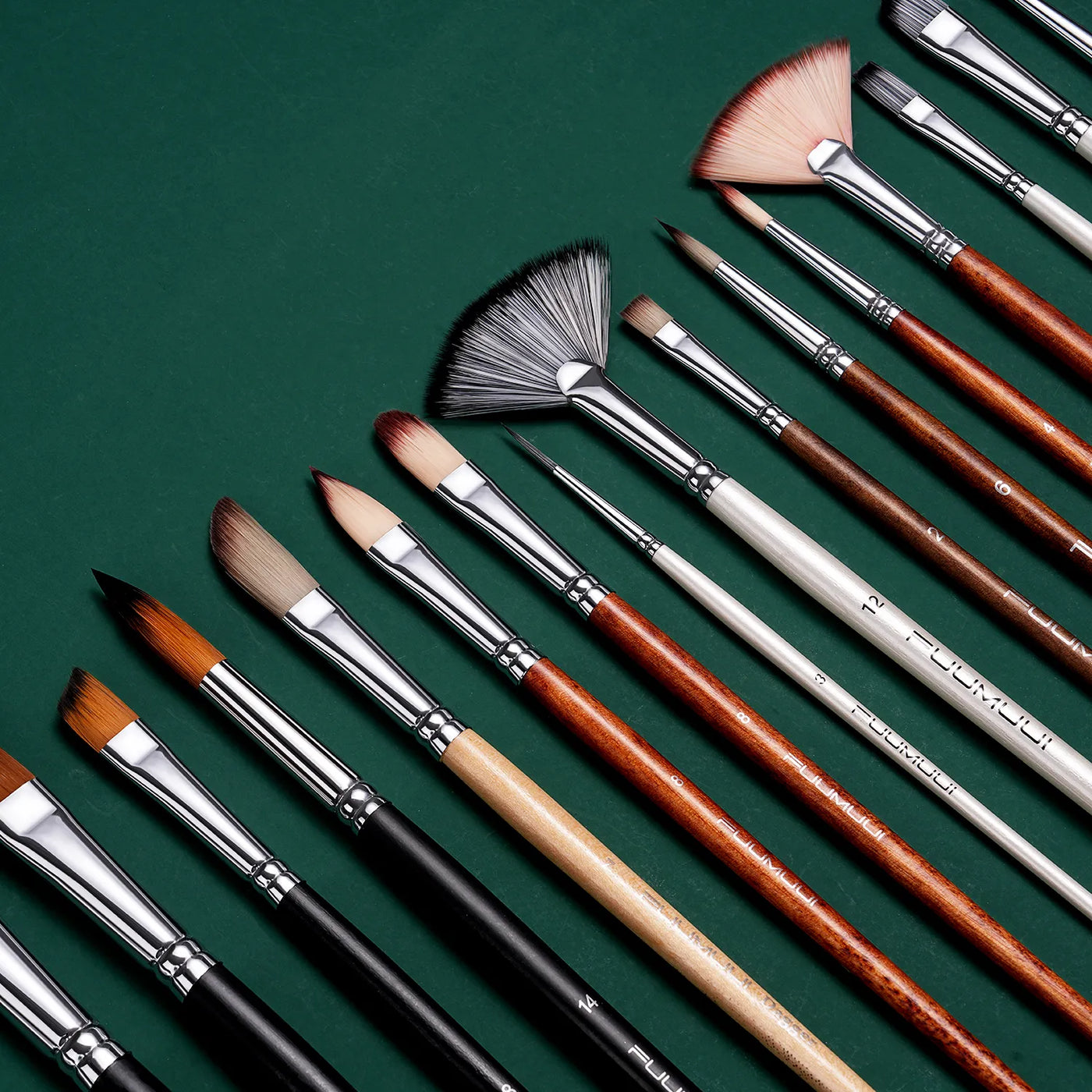
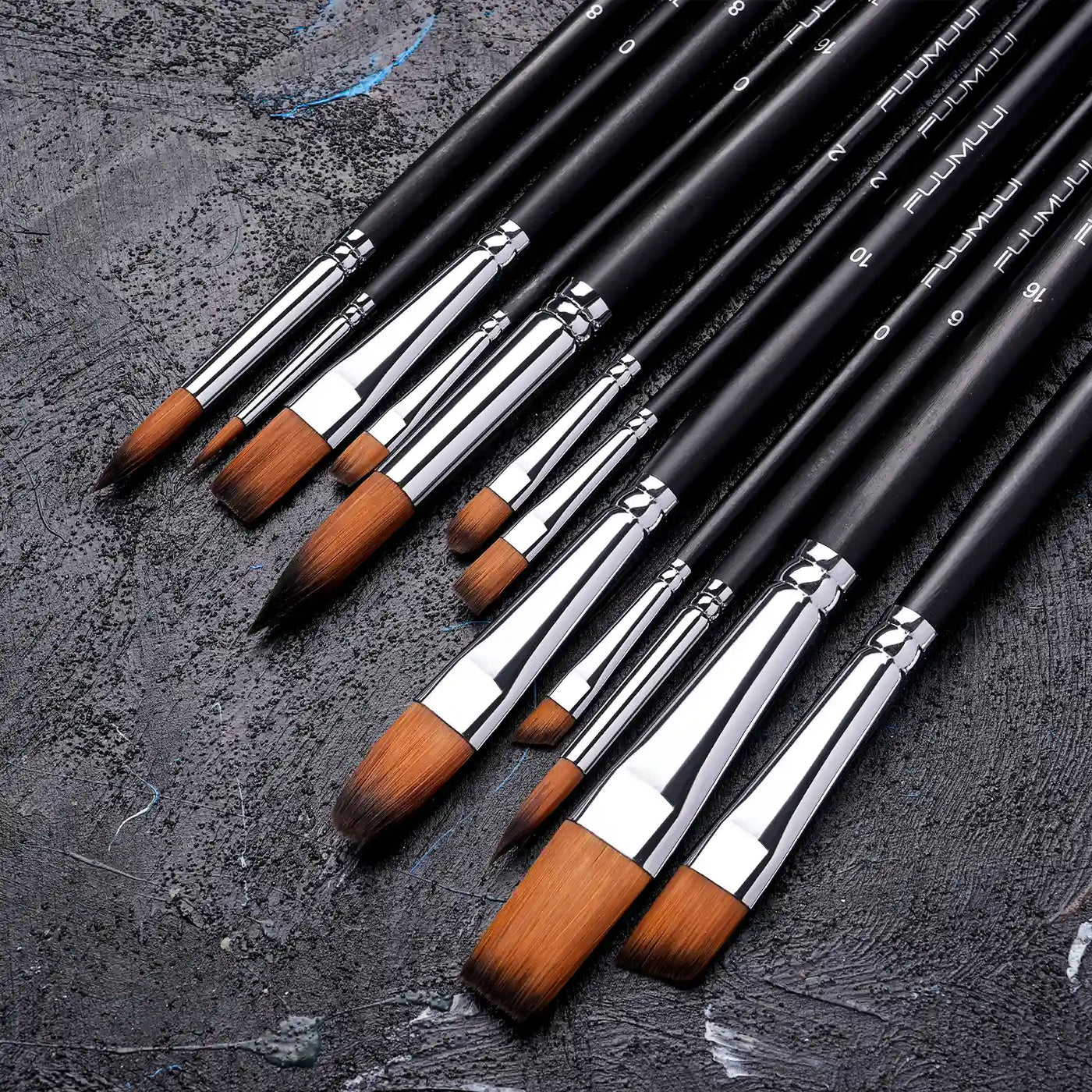
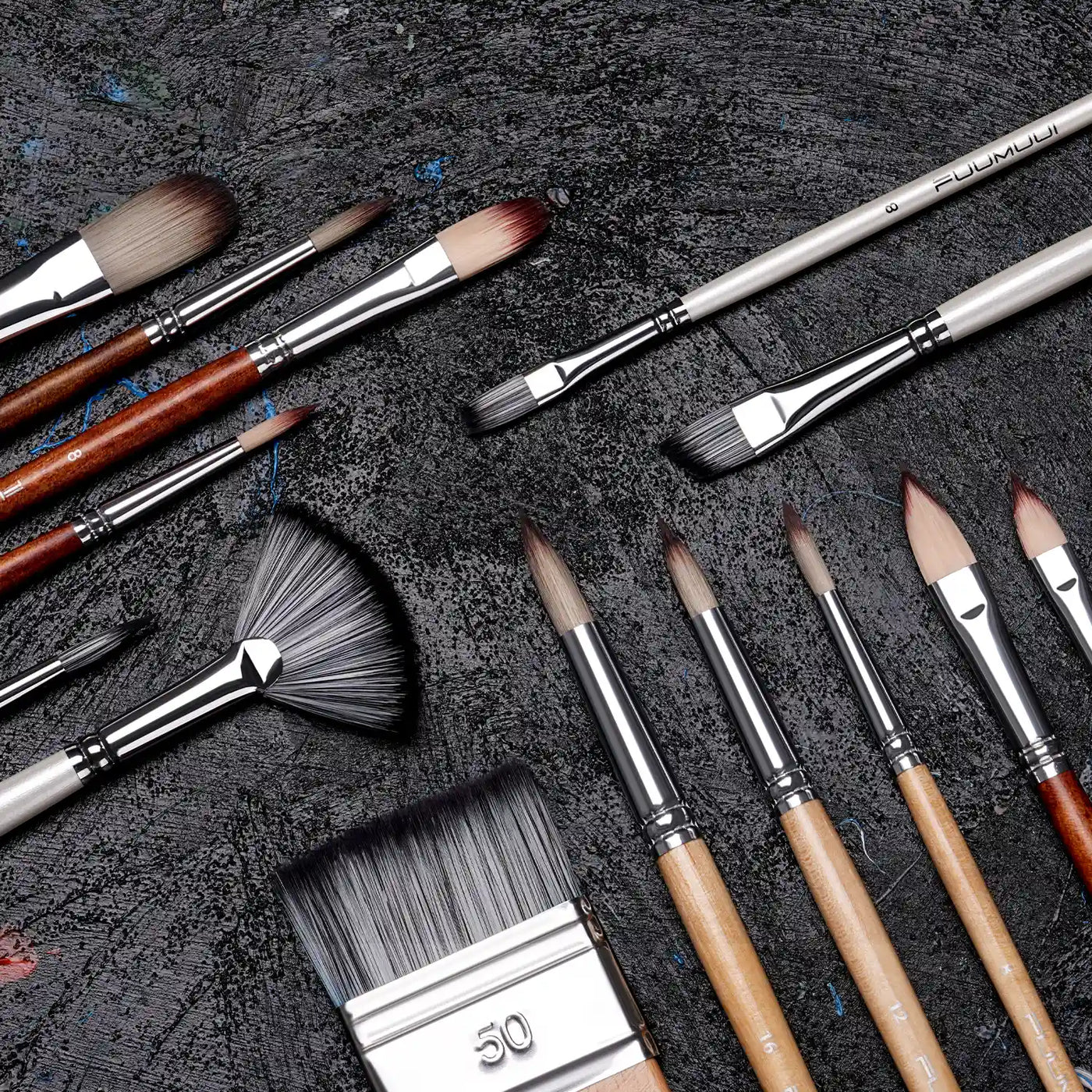
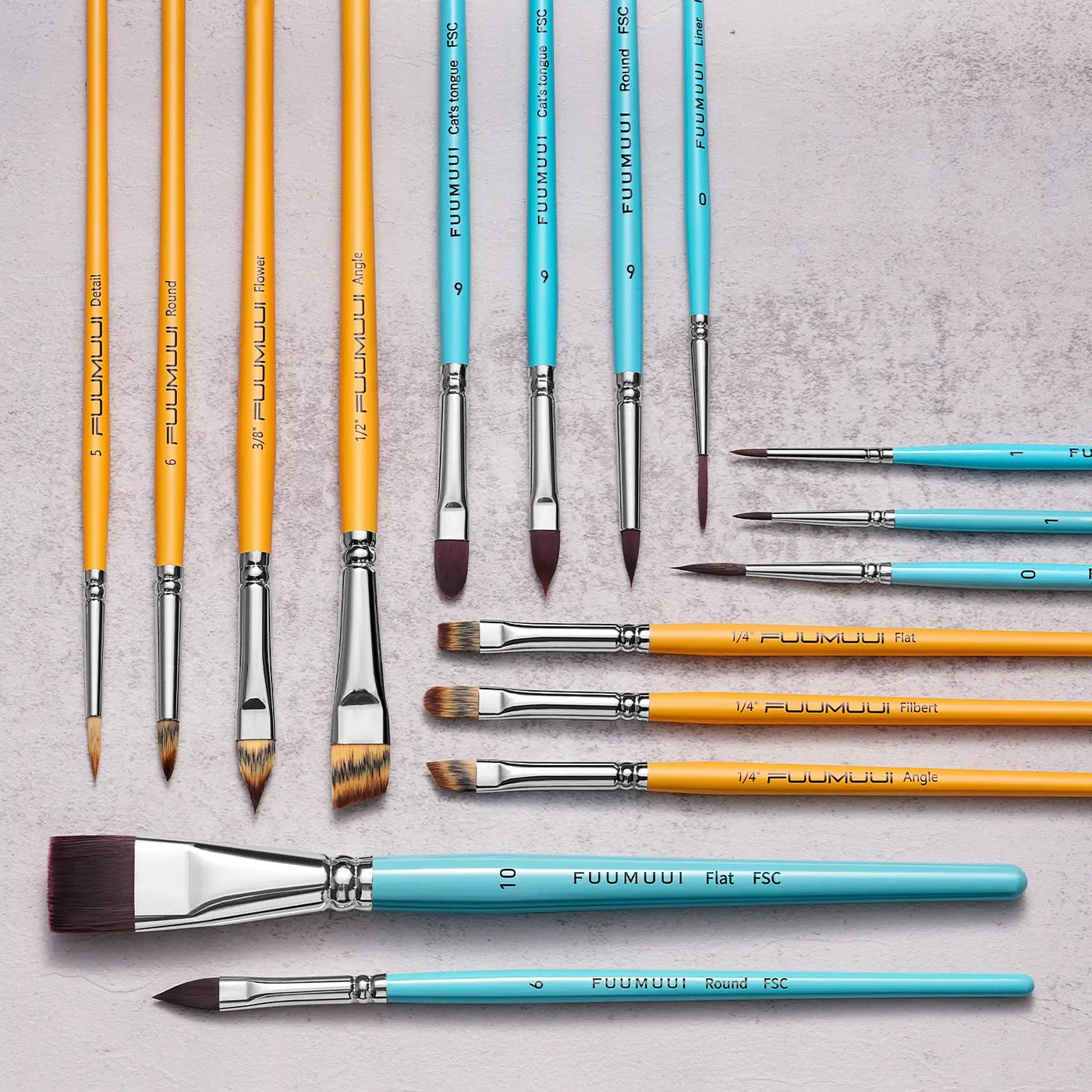
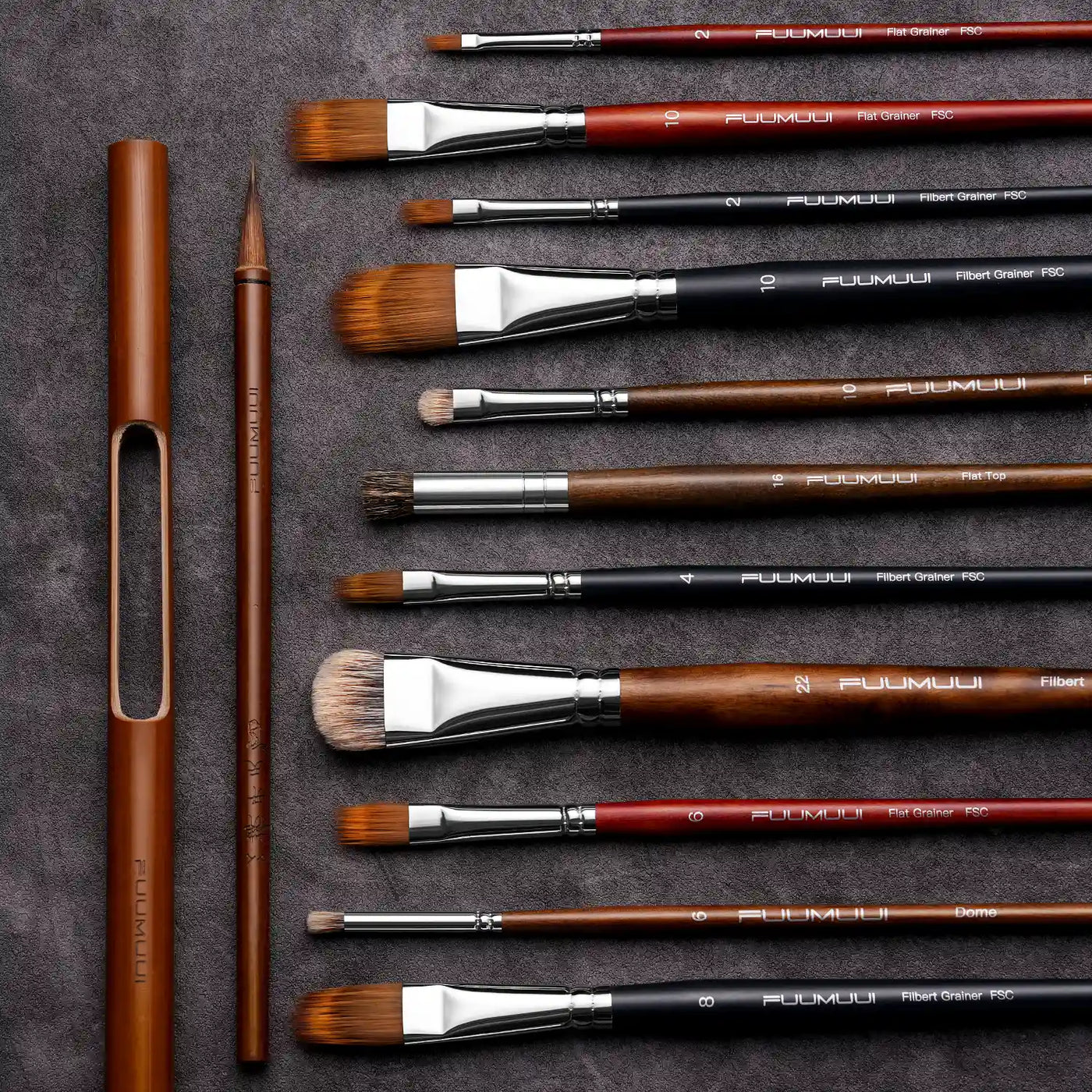
Start with two essential shapes. A round brush is your workhorse for most tasks—from fine lines to broad strokes. For producing sharp edges and washes, a flat brush works best.

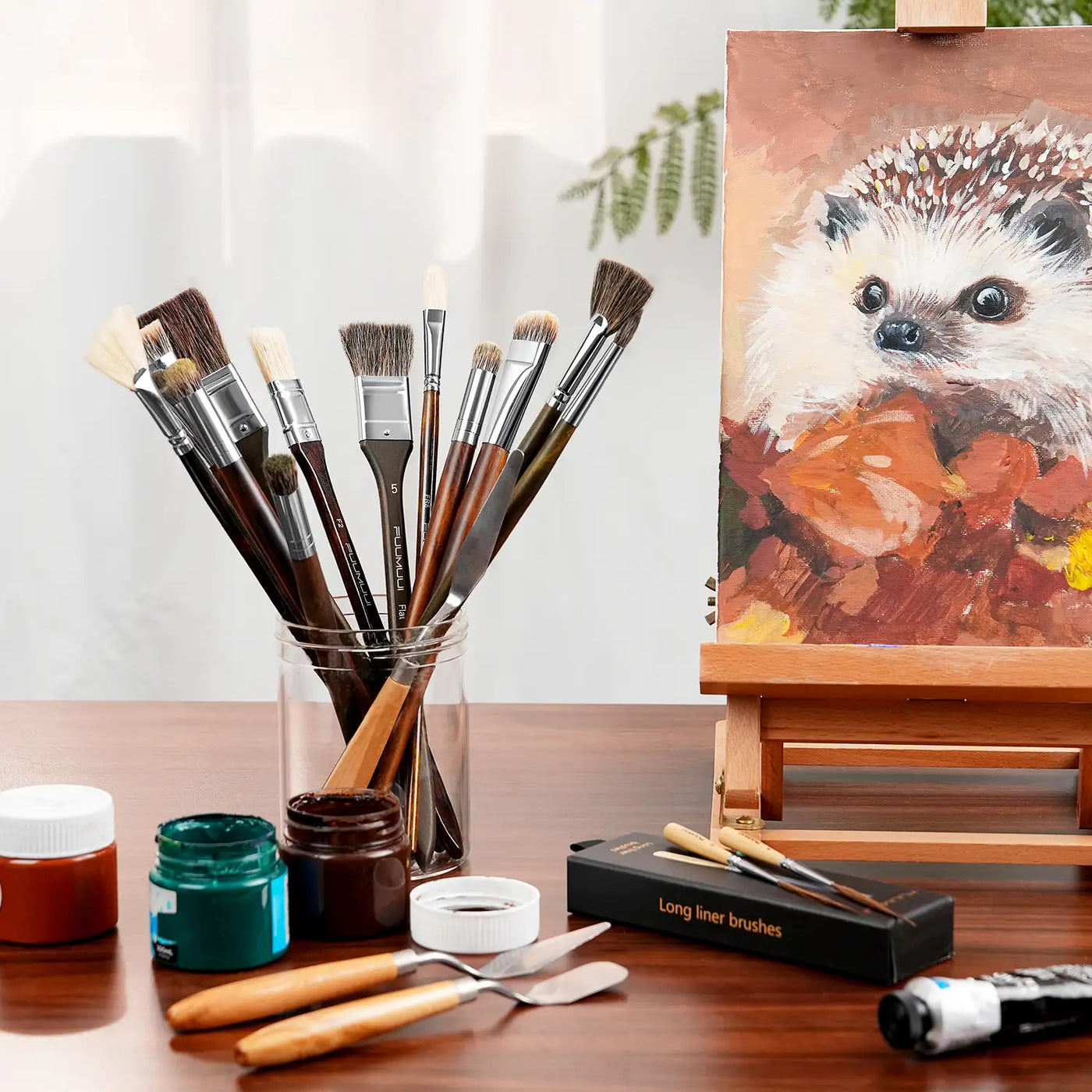
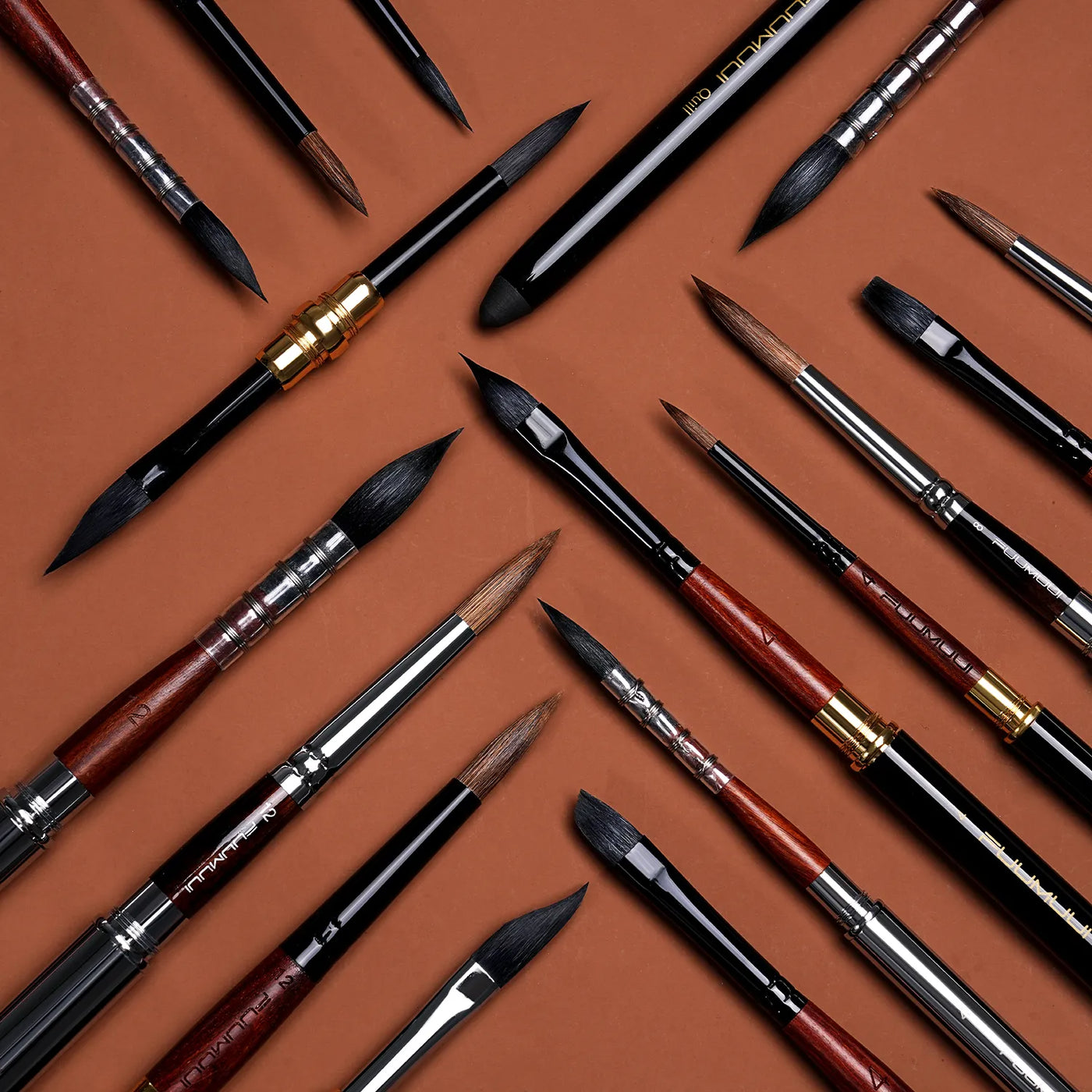
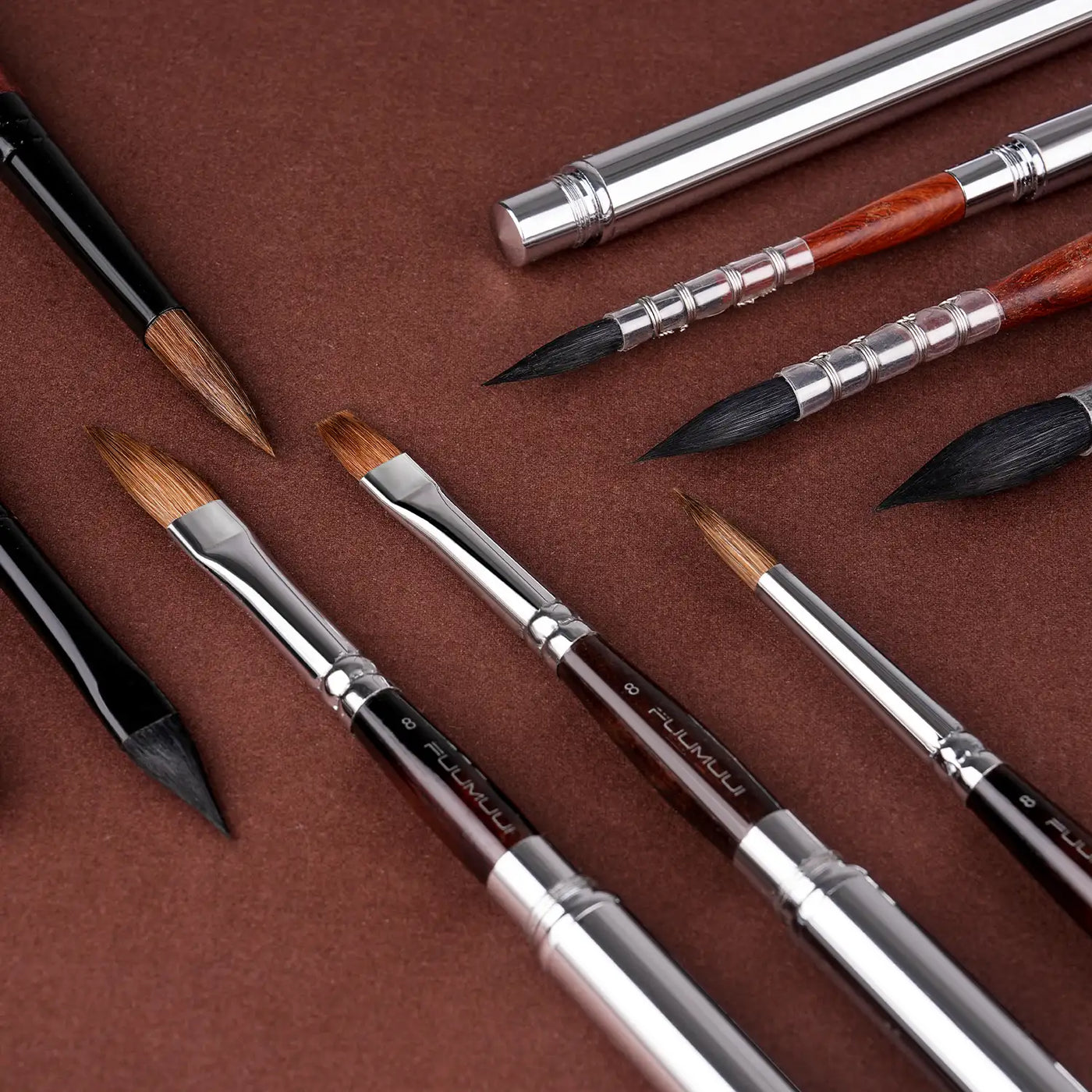
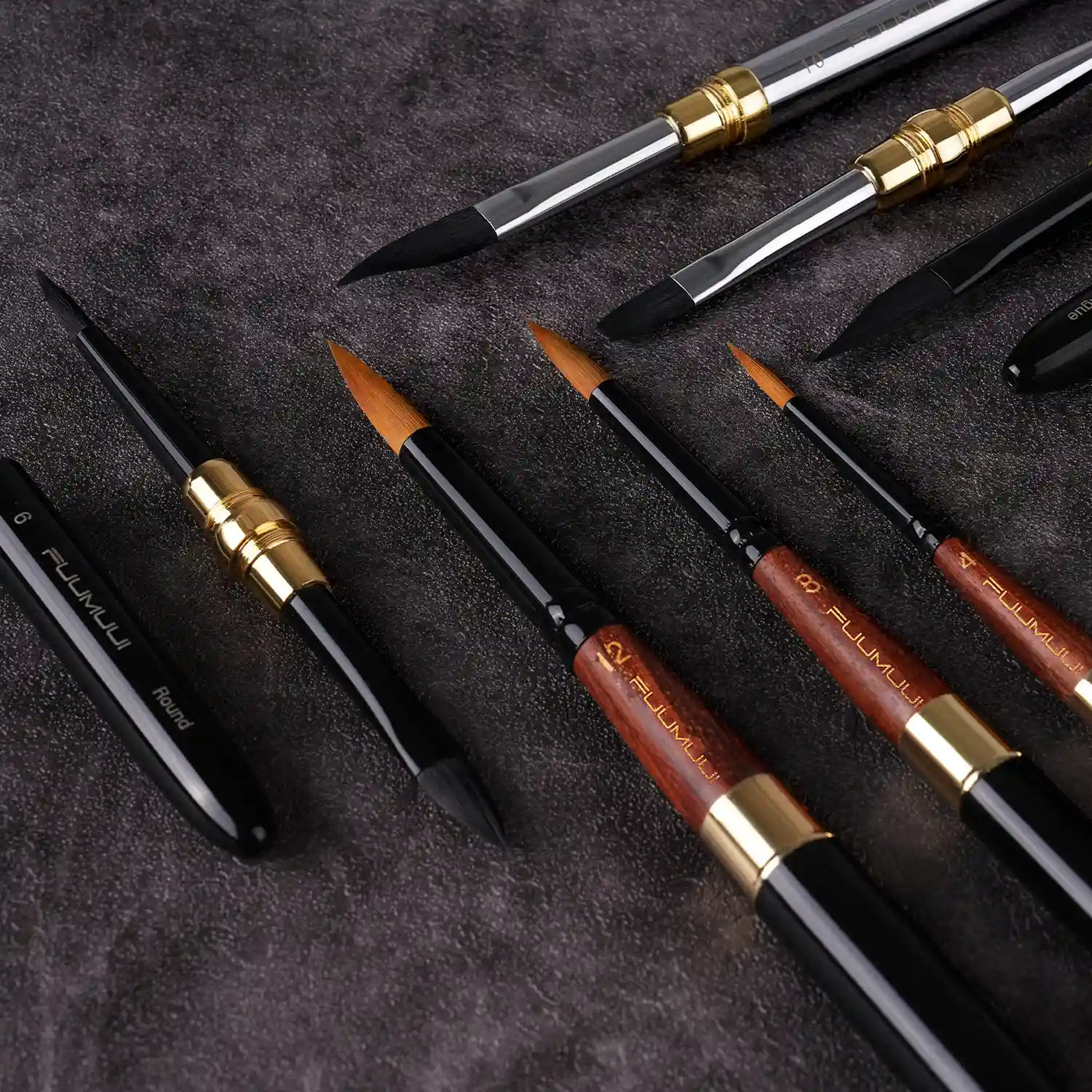
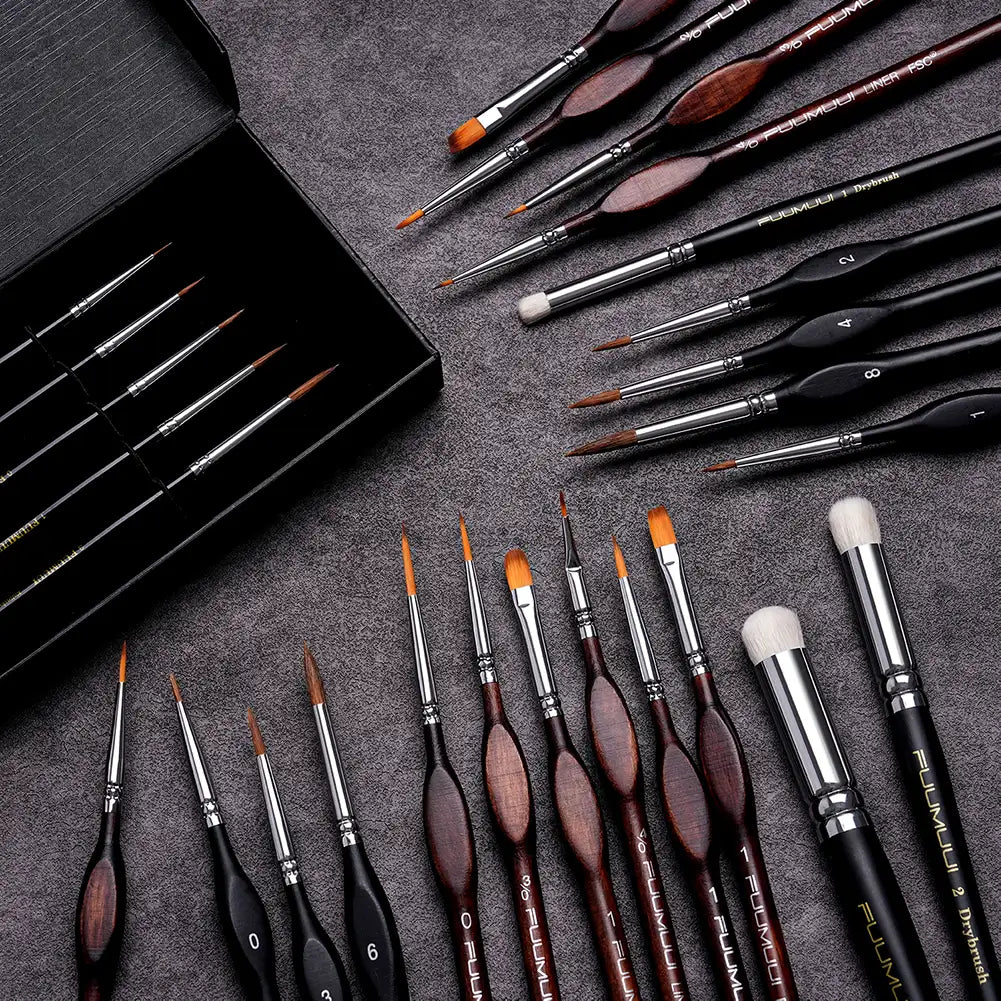
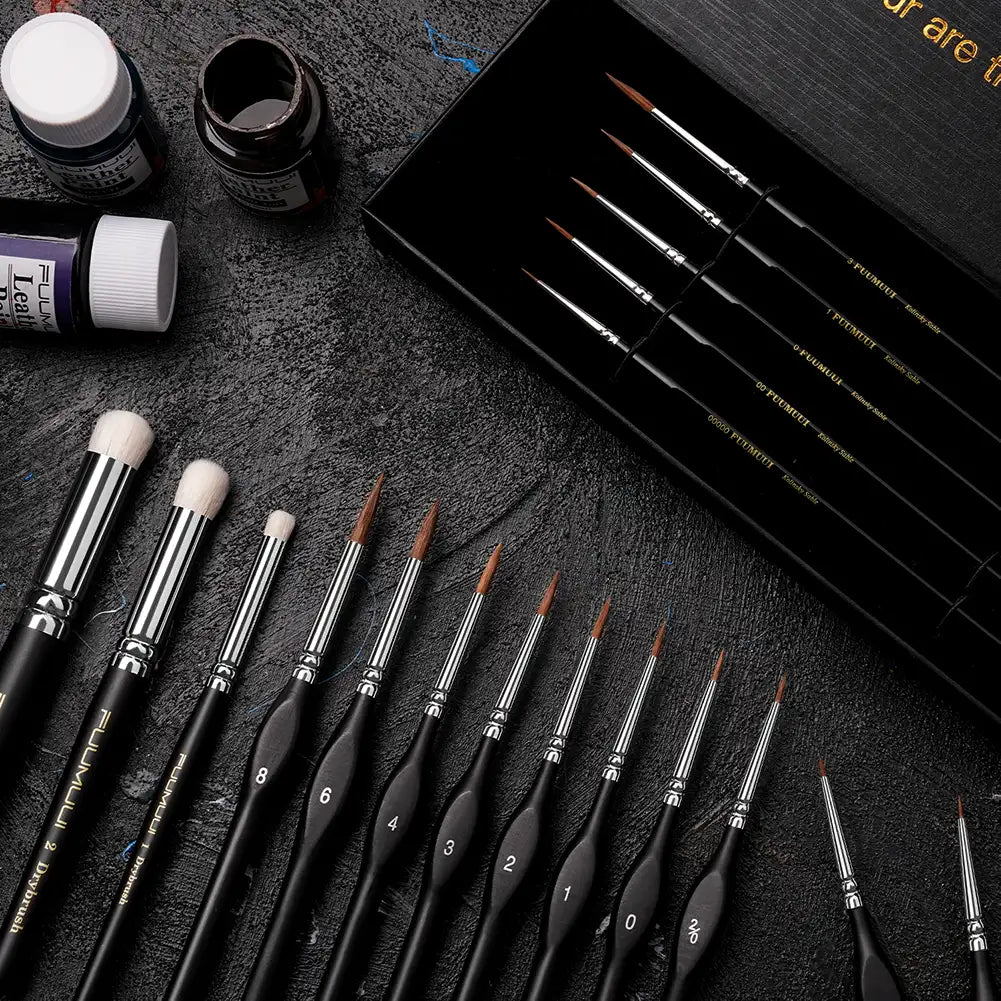
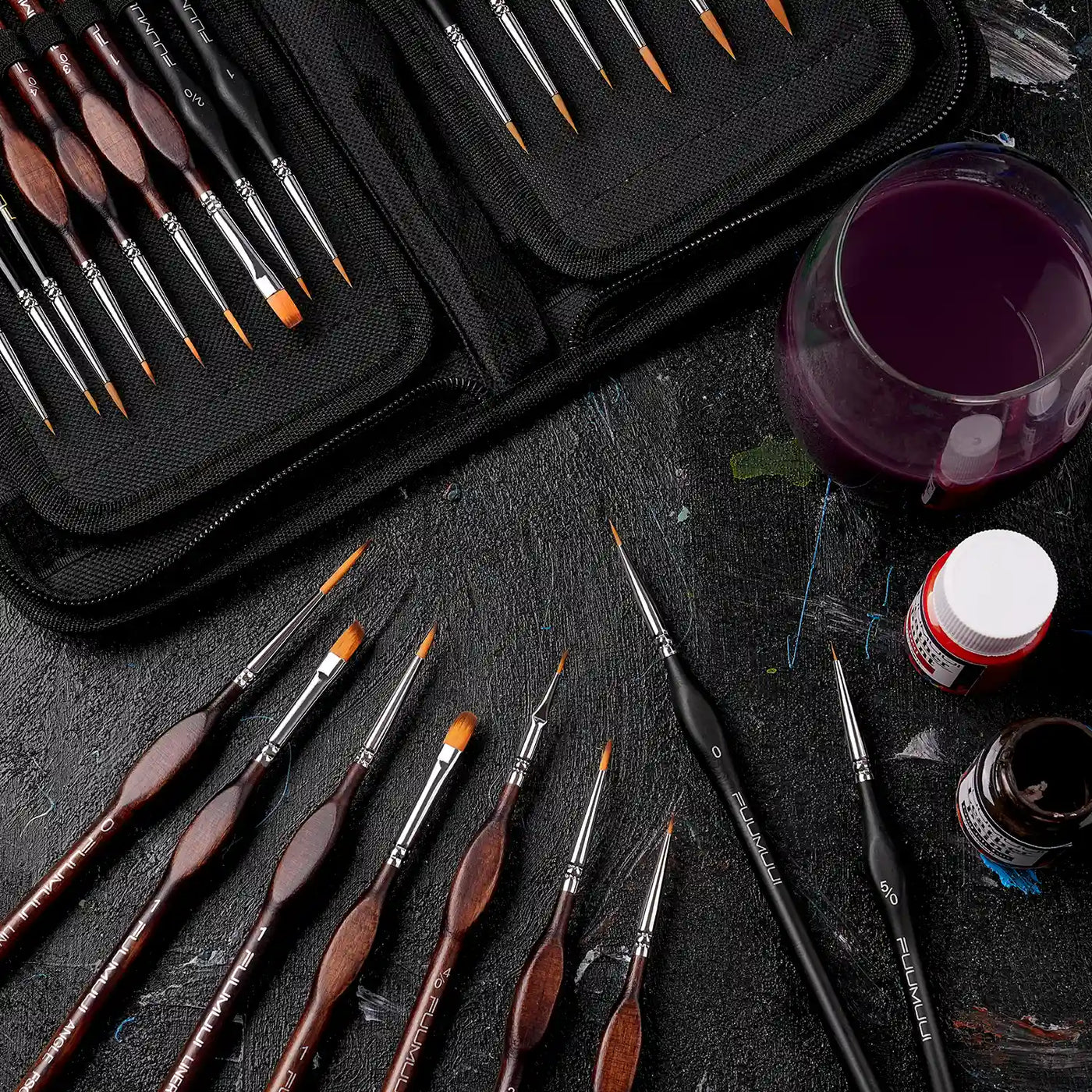
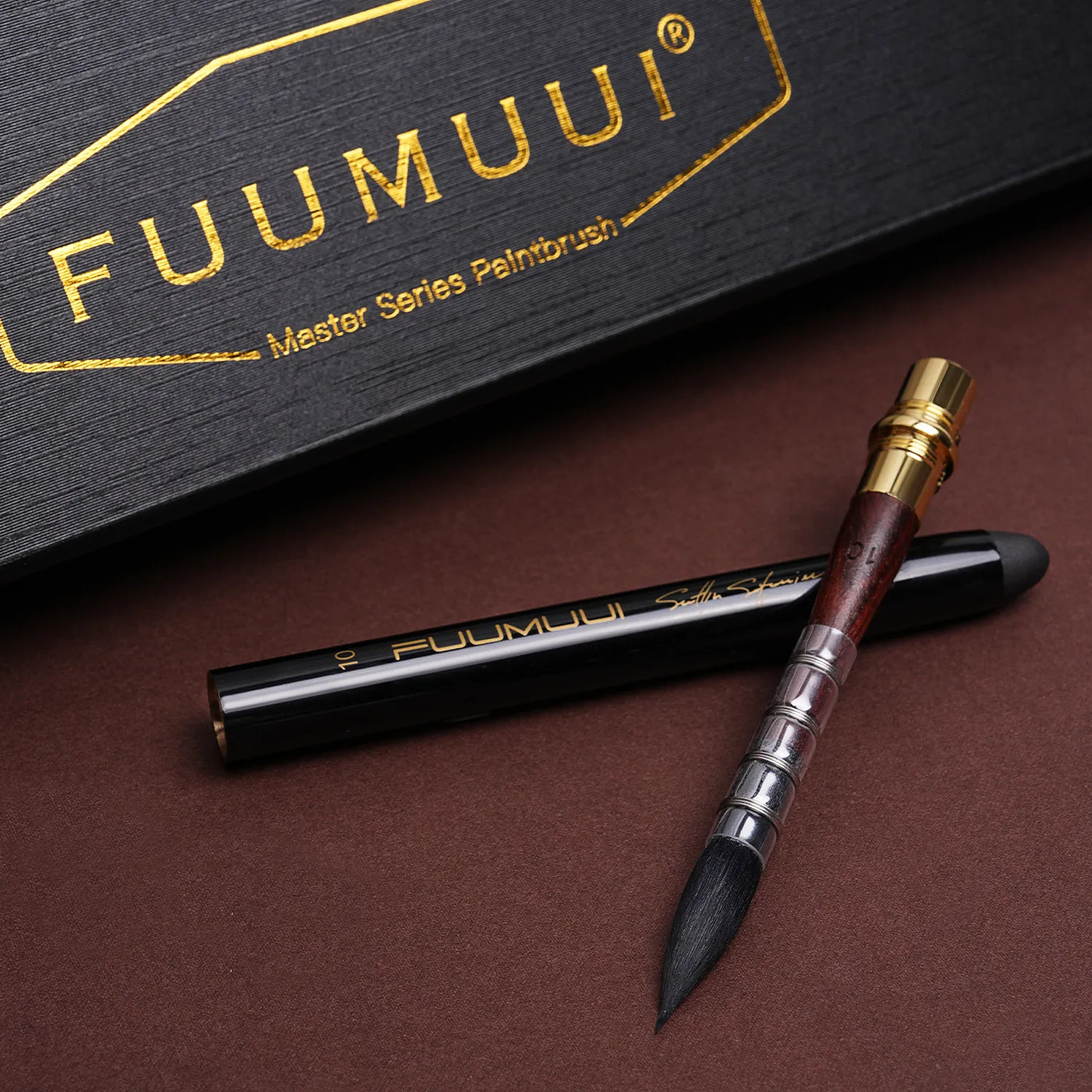
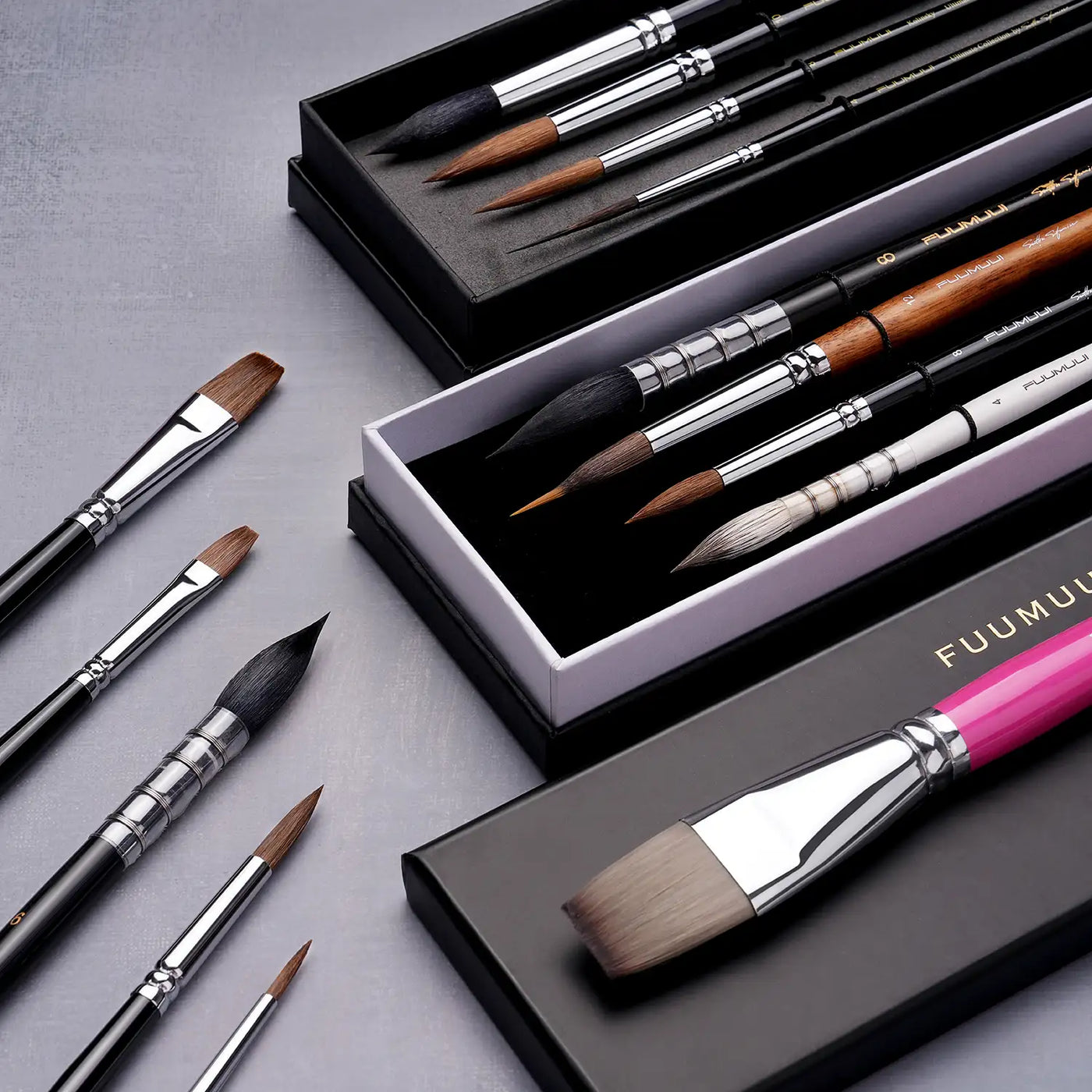
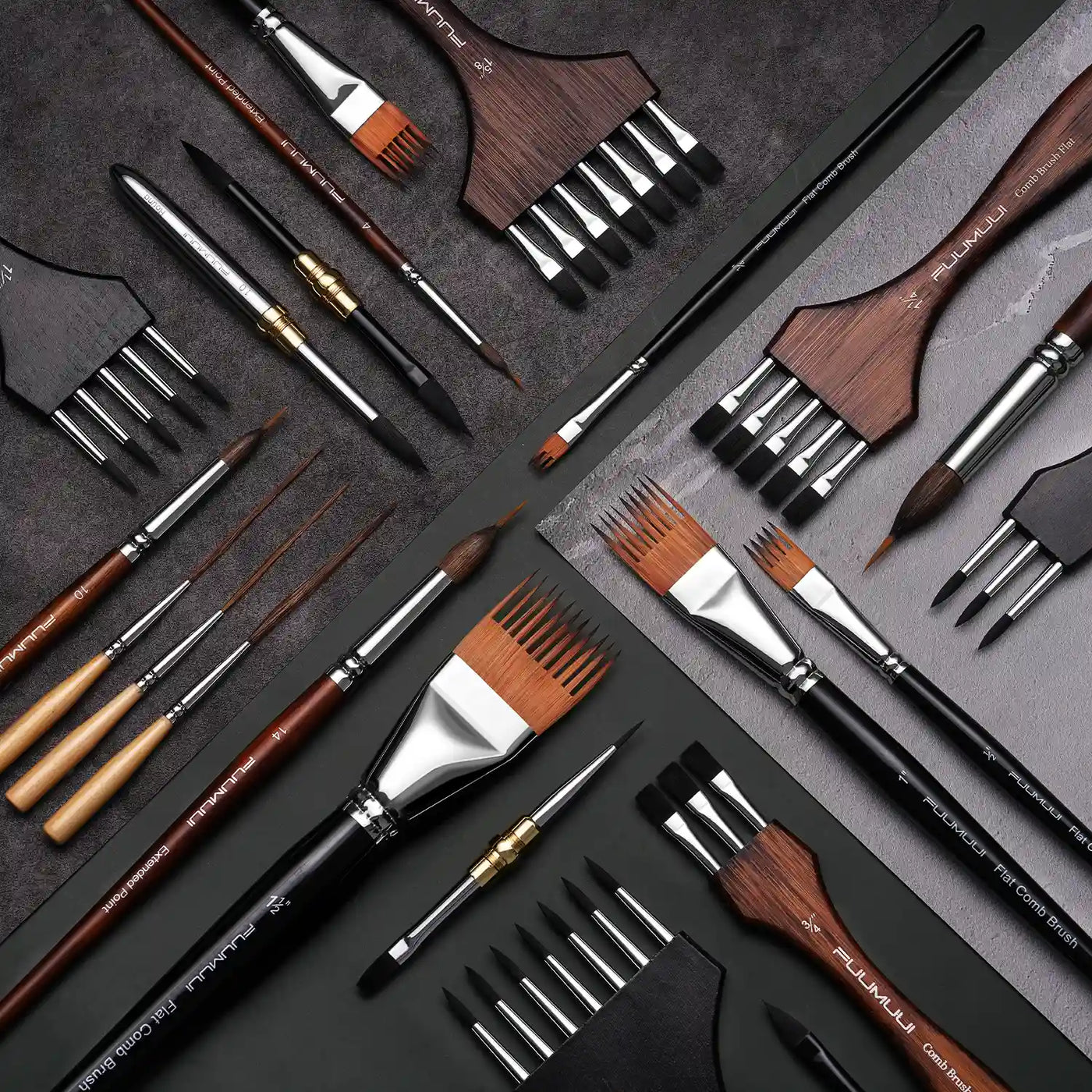
My favourite are my Fuumuui travel brushes.I have a beautiful set of four brushes in a protective wallet, which contains a dagger, a flat, and two round brushes. These are ideal for travel and studio work. I'm excited to try the new dual-tip travel brush set when it arrives.
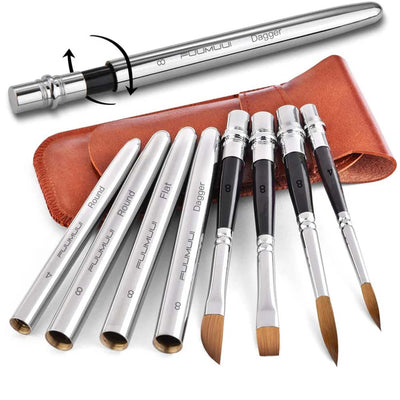
Like everything in life, brush choice is a matter of taste. Finding what shape and size suits you and the subject you paint is part of our journey as artists. Fuumuui offer an amazing range of brush sets suitable for all artists, with competitive prices and great quality.
Sharing My Essential Watercolour Accessories
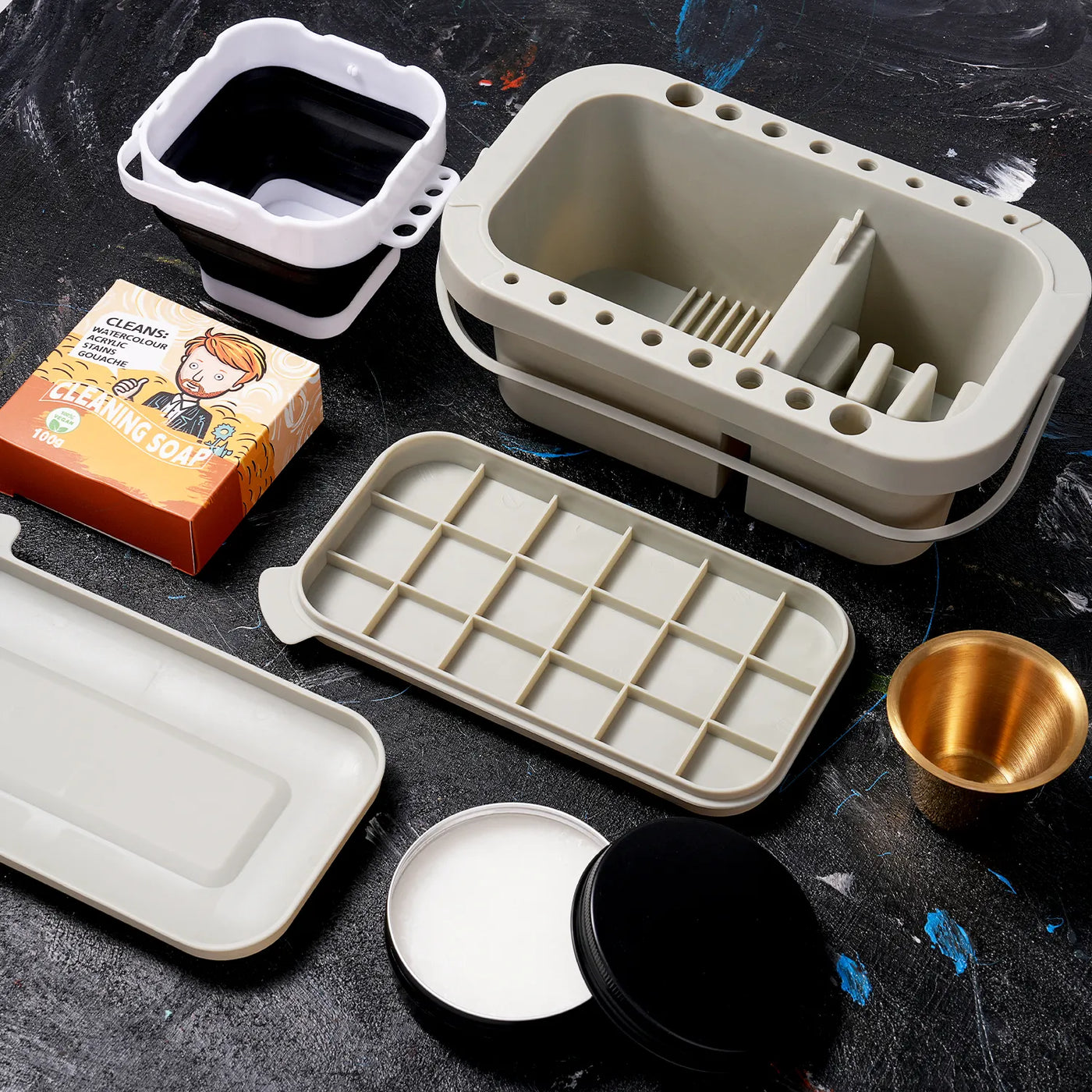
Artists, from experience, love to collect; I'm guilty of this! collecting beautiful jars and pots for my pencils, pens, and brushes, numerous water pots, and pencil sharpeners.
My must-have accessories for my kit include:
- A wad of kitchen towel or a packet of tissues.
- A collapsible water pot and a stainless steel one (space permitting).
- A folding ruler to help with angles.
- A small plumb bob (a weight on a piece of string) to ensure lines are vertical.
- A putty-type eraser.
- A small pen knife for scraping out paint and opening stubborn packets.
- Spare ink cartridges and retractable pencil leads.
- Any extra colours I couldn't fit onto my palette.
- A sketch pad and a normal black pen.
- Zip-lock bagsare great for protecting your art materials from dust and water.
Where I live in North Wales, it rains a lot, so I always carry a spare set of clothes. And a small first aid kit in case of emergency.
Ready to Start Your Watercolour Journey?
If this post is helpful to you, please share this guide with fellow artists who need an upgrade! Join me soon for my next post, where I'll take you further on my watercolour journey with Fuumuui artist brushes.


thank u john for the beautiful information i’m new to painting in watercolour that’s why i choose fuumuui
i’m ready to order now after reading ur great info
paola