



Table of Contents
Die wichtigsten Punkte
Fazit:Ein Pinsel ist ein durchdachtes Werkzeug, das aus drei entscheidenden Teilen besteht: demKopf (Haarbüschel),Zwinge und demGriff. Diesen Aufbau zu verstehen, ist entscheidend, um das richtige Werkzeug zu wählen und Schäden zu vermeiden.
- Der Kopf:DerBauchdient als Reservoir für Farbe, während die messerscharfeSpitzefeinste Details ausführt.
- Die Zwinge:Der Metallverbinder, der die Stabilität des Pinsels schützt. Achten Sie auf eine doppelte oder dreifacheEinkerbung, um wackelnde Griffe zu verhindern.
- Griff-Länge:Verwenden Siekurze Griffefür präzise Naharbeit (Aquarell) undlange Griffefür Staffeleiarbeit (Öl/Acryl).
Ich erinnere mich noch an mein erstes "professionelles" Pinselkauf.
Ich war eine arme Kunststudentin und gab mein Essensgeld für einen einzigen Kolinsky-Zobel-Rundpinsel aus. Ich behandelte ihn wie Gold. Aber davor? Ich kaufte billige Sortimente, die Haare über meine Leinwand verloren und wackelten wie ein lockerer Zahn.
Jahrelang gab ich meinem mangelnden Können die Schuld. Ich dachte, ich hätte einfach nicht den "richtigen Griff".
Hier ist die Wahrheit:Es lag nicht an mir. Es lag am Aufbau meiner Werkzeuge.
Ein Pinsel ist mehr als nur ein Stab mit Haaren am Ende. Er ist ein technisches Wunderwerk, das darauf ausgelegt ist, Wasser zu speichern, sich perfekt zu spitz zu formen und mühelos in der Hand zu balancieren.
Wenn Sie denAufbau eines Pinselsnicht verstehen, können Sie nicht den richtigen wählen. Schlimmer noch, Sie könnten die, die Sie haben, ruinieren. Heute werden wir die Struktur eines Pinsels auseinandernehmen, um zu verstehen, was einen hochwertigen Pinsel so leistungsfähig macht.
Pinsel-Anatomie 101: Die drei wesentlichen Teile

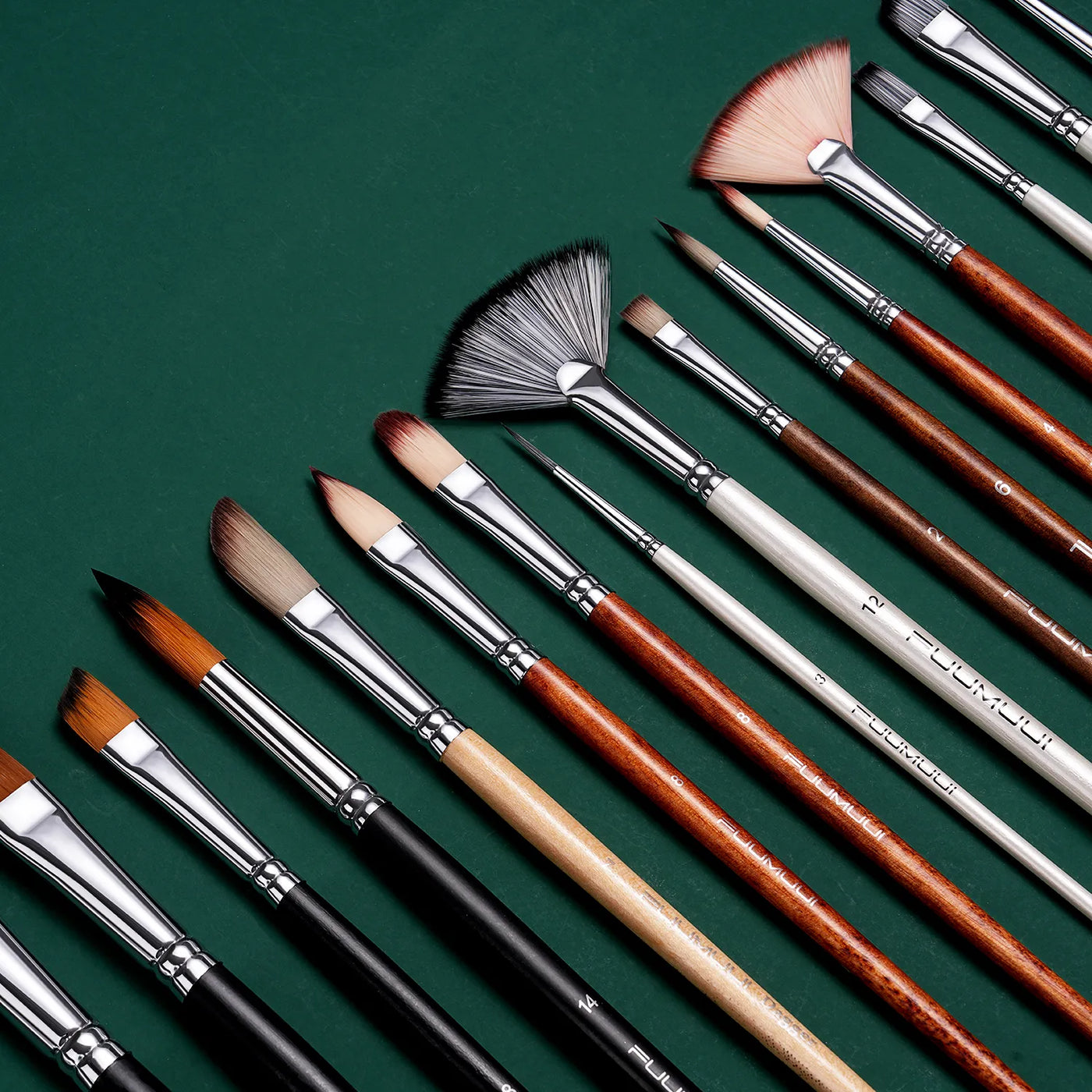
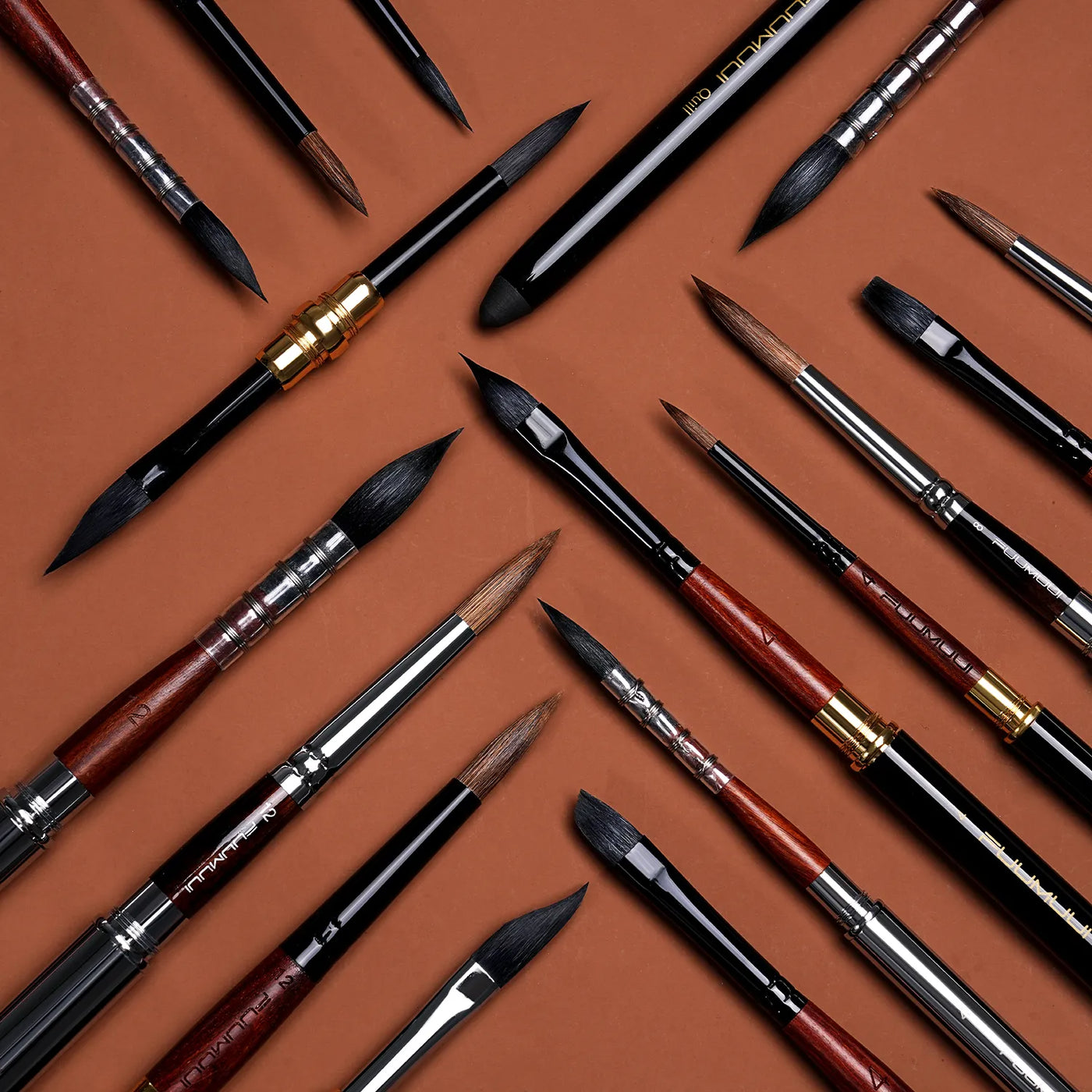
Bevor wir ins Detail gehen, schauen wir uns das große Ganze an. Jeder Pinsel, ob es sich um einen empfindlichenAquarellpinseloder ein robustesÖlmaler-Werkzeughandelt, besteht aus drei verschiedenen Teilen.
Das Zusammenspiel dieser drei Komponenten bestimmt die Qualität Ihres Strichs:
Der Kopf (Haarbüschel):Der Arbeitsbereich, der die Farbe hält und das Papier berührt.
Die Zwinge:Der Metallverbinder, der die Lücke zwischen den Haaren und dem Griff überbrückt.
Der Griff:Der Balancepunkt, der Sie mit dem Instrument verbindet.
Wenn eines davon versagt, versagt der gesamte Pinsel. Lassen Sie uns sie einzeln betrachten.
Der Pinselkopf: Haare, Borsten und der "Bauch"
Der "Kopf" des Pinsels ist normalerweise das, was wir zuerst betrachten. Künstler verwenden jedoch oft die Begriffe "Pinselhaare" und "Pinselborsten" synonym.Technisch gesehen sind sie unterschiedlich.
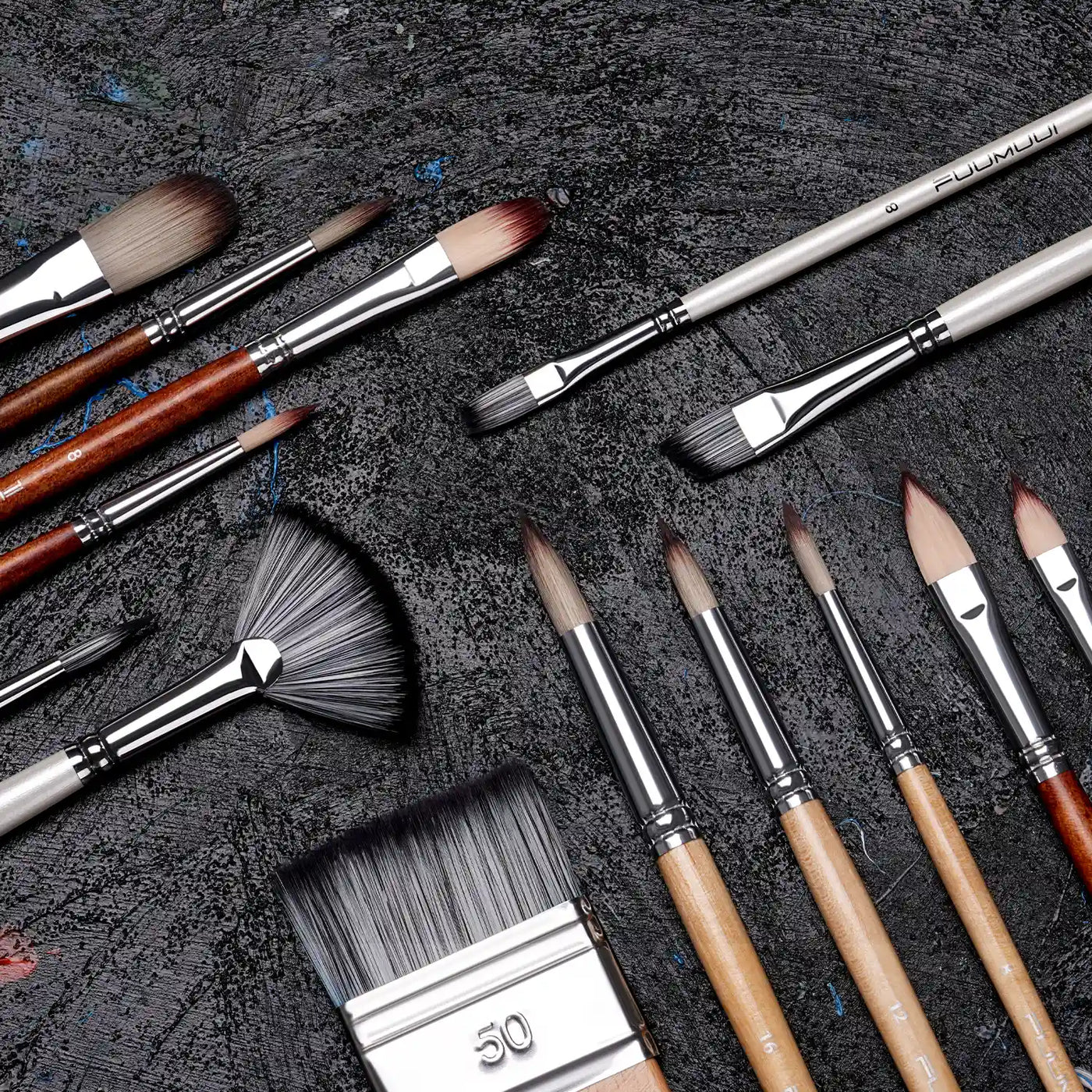
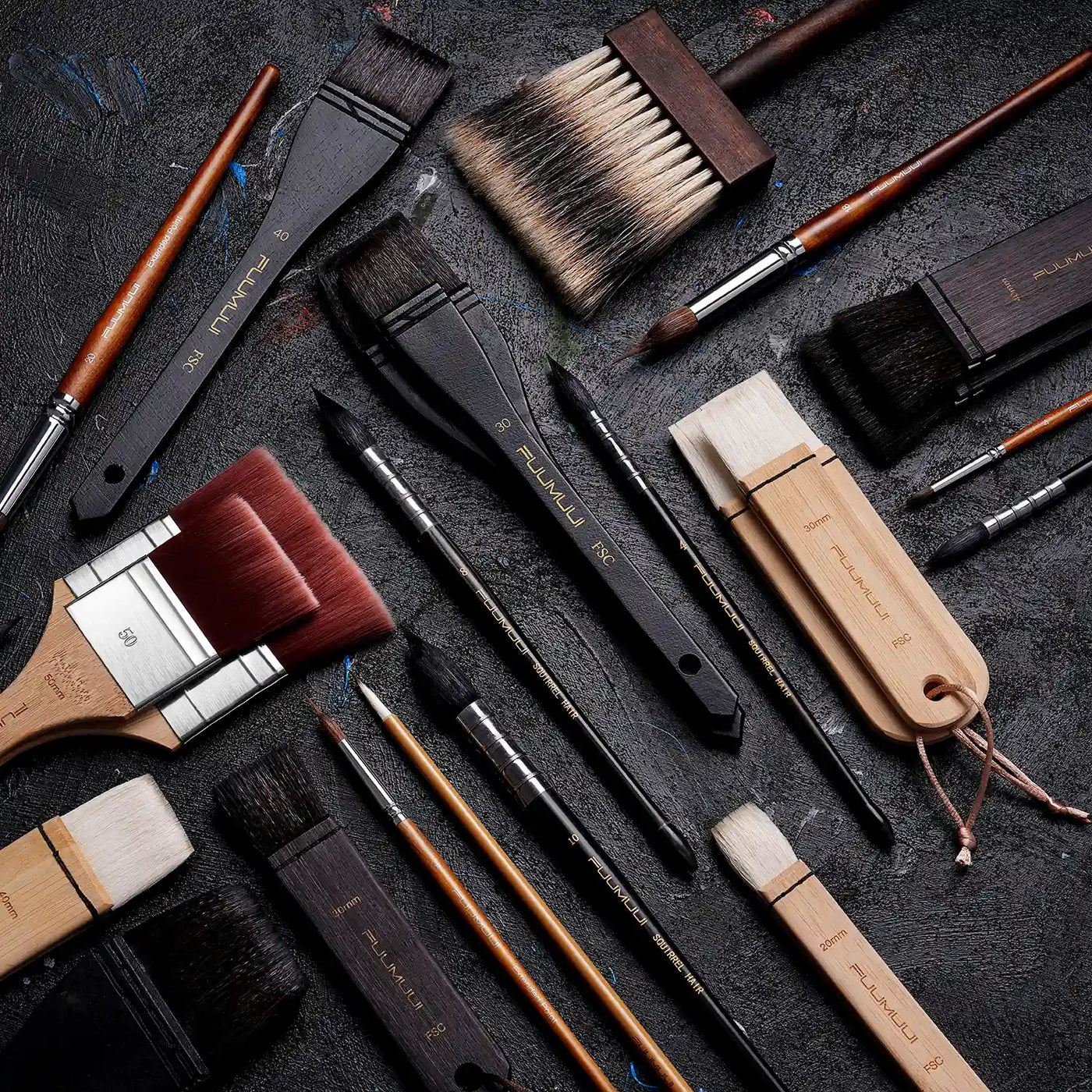
Haare:Bezieht sich normalerweise auf weiche Filamente (natürlich oder synthetisch). Diese sind ideal für Aquarell und glatte Acrylfarben. Sie haben eine feine Spitze und halten viel Wasser.
Borsten:Bezieht sich auf steife, grobe Strähnen (oft Schweineborsten). Diese sind für dickflüssige Acryl- und Ölfarben konzipiert, bei denen Sie Textur oder sichtbare Pinselstriche hinterlassen möchten.
Die Mikrostruktur des Haarbüschels
Die Form des Pinselkopfes ist nicht zufällig. Sie hat ihre eigene Mikroanatomie:
-
Die Spitze (Tip):Dies ist das äußerste Ende des Pinsels. Bei einem Rundpinsel muss diese messerscharf sein. Wenn SieDetails im Gemäldebenötigen, ist die Integrität der Spitze alles. Wenn die Haare nach außen abstehen, verlieren Sie die Kontrolle.
- Der Bauch des Pinsels:Dies ist der dickste Teil des Pinselkopfes, normalerweise in der Mitte oder im unteren Drittel. Stellen Sie sich den Bauch als Reservoir vor.
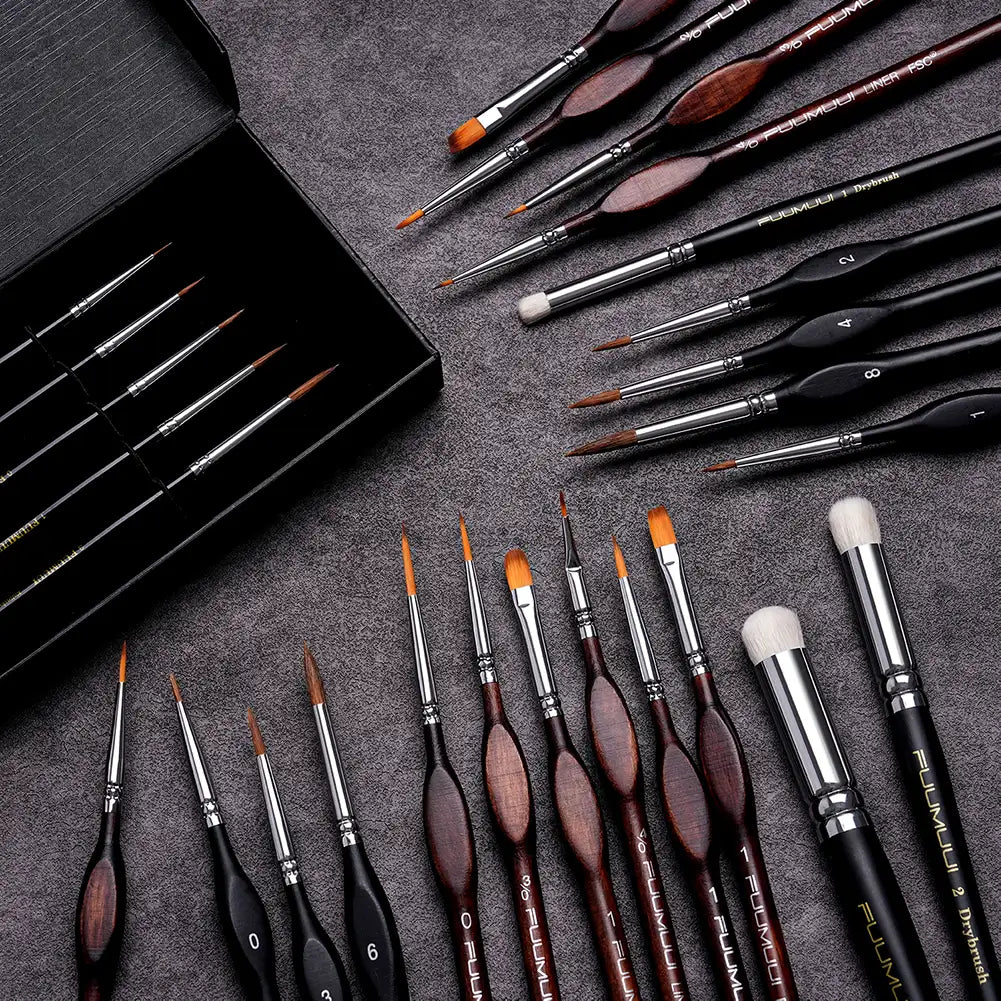
Standard-Linerpinsel leiden oft unter einem häufigen anatomischen Fehler: Sie sind zu dünn, um genug Farbe zu halten. Wir alle kennen das – man versucht, einen langen, eleganten Baumast zu malen, und der Pinsel läuft mitten im Strich trocken. Das unterbricht Ihren kreativen Fluss.

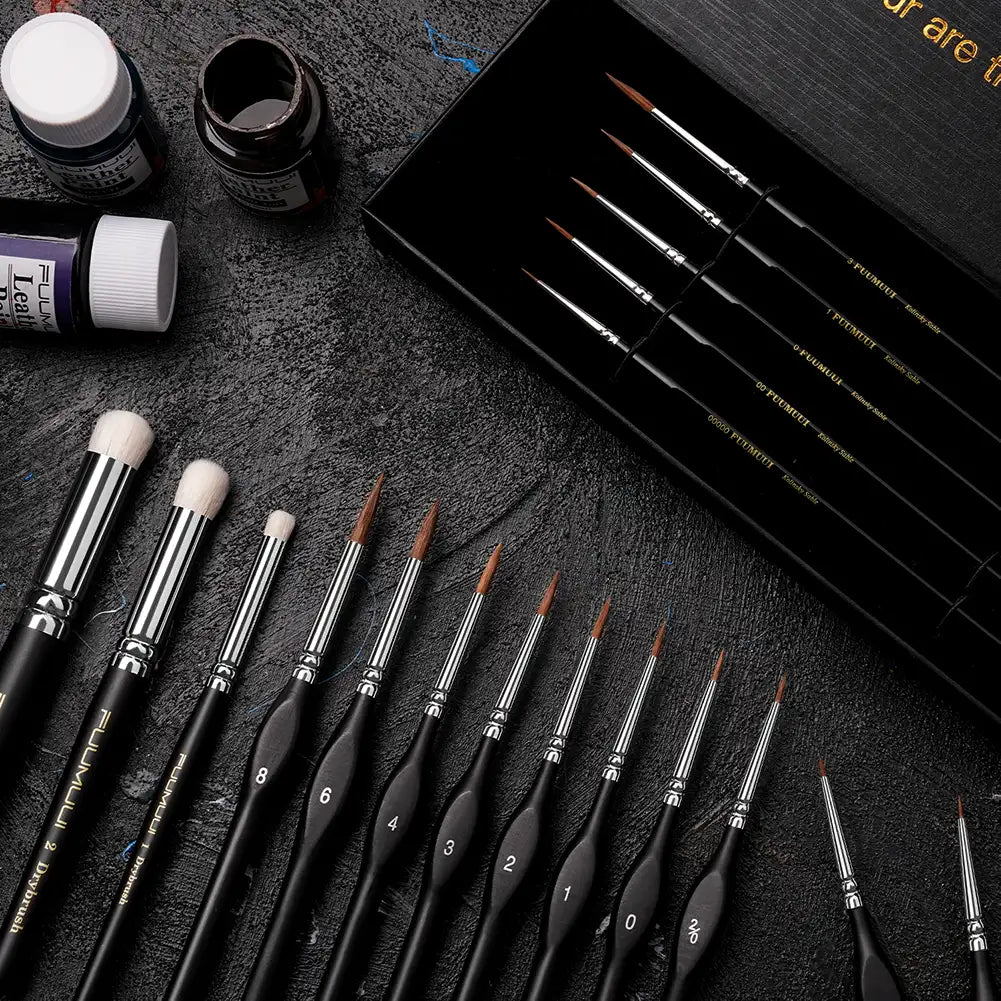
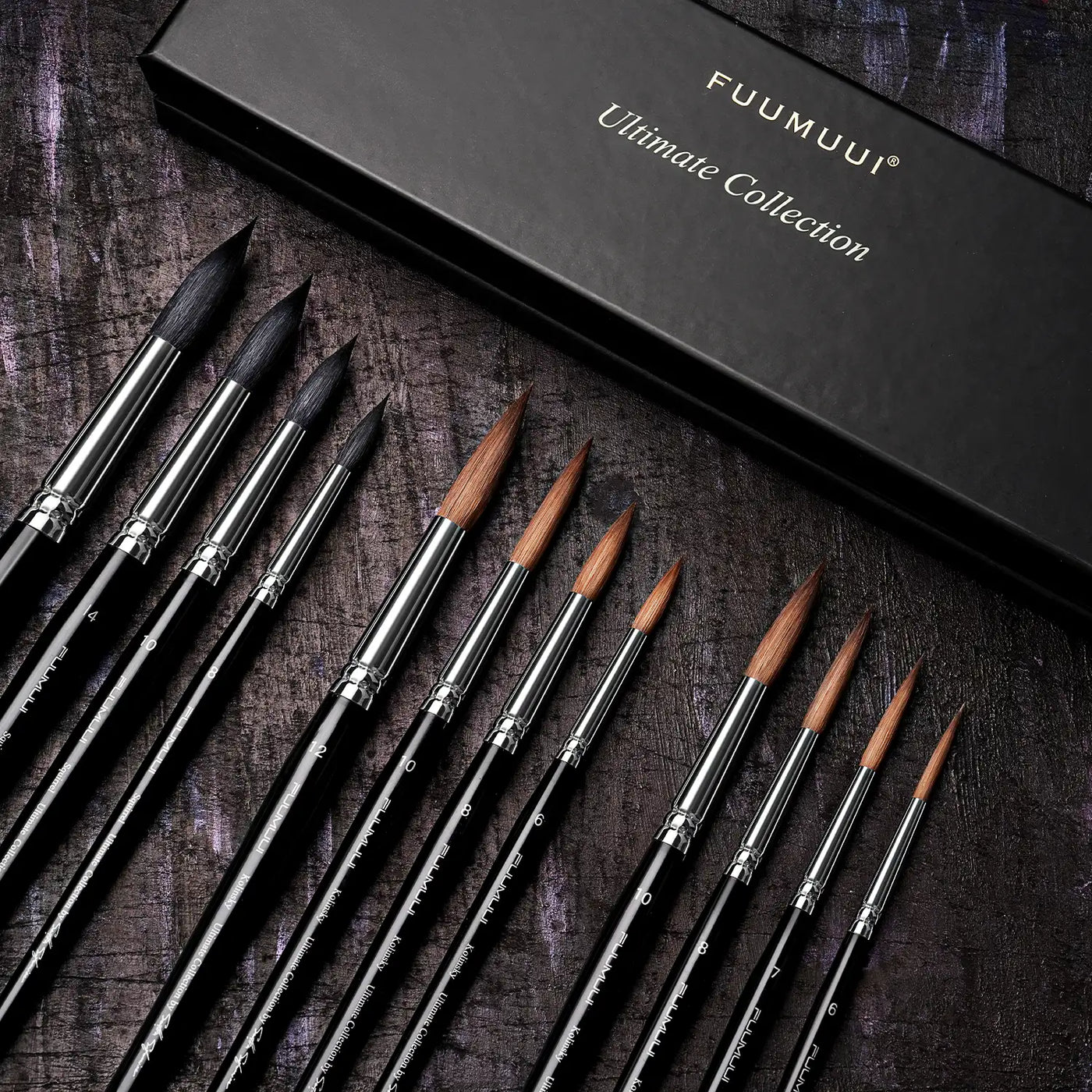
Innovation in der Anatomie:Um dies zu lösen, haben wir in unseremProfessionellen Zobel-Spitzenpinsel-Seteine hybride Lösung entwickelt. Durch die Kombination einesZobelhaar-Bauchs (das Reservoir) mit einer verlängerten, nadelscharfen synthetischen Spitze haben wir die Physik des Pinsels verändert. Diese einzigartige Anatomie hält eine große Menge Farbe im Bauch und führt sie kontinuierlich zur Spitze. So können Sie aufwendige Details wie lange Gräser oder Blattadern malen, ohne ständig zurück zur Palette zu greifen.

- Der Ansatz:Dies ist der Teil der Haare, der in der Metallzwinge verschwindet.
Profitipp:Lassen Sie Farbe niemals in der Nähe des Ansatzes trocknen. Wenn Farbe hier trocknet, drückt sie die Haare auseinander, und Ihr Pinsel wird nie wieder eine scharfe Spitze bilden. Sie müssen ihnmit professionellen Methoden reinigen.
-
Der Rückschlag (Federung):Dies ist kein physischer Teil, sondern eine kritische Eigenschaft. "Rückschlag" bezieht sich darauf, wie schnell die Borsten nach dem Biegen gegen das Papier in ihre ursprüngliche gerade Form zurückkehren. Ein Pinsel mit gutem Rückschlag gibt Ihnen unglaubliche Kontrolle.
Natürliche vs. synthetische Pinselhaare: Die richtigen Filamente wählen
Jahrhunderte lang verließen sich Künstler auf Tiere.Natürliche Haare(wie Kolinsky-Zobel, Eichhörnchen oder Ochse) haben eine Geheimwaffe: mikroskopische Schuppen.
Wenn Sie natürliche Haare unter dem Mikroskop betrachten, sehen sie aus wie ein Tannenzapfen. Diese Schuppen fangen Wasser ein, was natürlichen Pinseln eine erstaunliche Aufnahmekapazität verleiht.
Synthetische Fasern, typischerweise aus Nylon oder Taklon, waren früher die "billige" Option.Aber die Technologie hat sich geändert.
Heute werden hochwertigesynthetische Pinselhaaremit mikroskopischen Texturen entwickelt, um diese natürlichen Schuppen nachzuahmen. Das bedeutet, Sie können die Wasseraufnahme eines natürlichen Pinsels mit der Haltbarkeit (und dem tierversuchsfreien Status) eines synthetischen erhalten. Wir sehen auch einen Anstieg beisynthetischen Mischungen– Pinseln, die natürliche Haare für Weichheit mitsynthetischen Filamentenfür Haltbarkeit kombinieren.
Die Pinselzwinge: Der unbesungene Held der Stabilität
Wenn die Borsten das Herz des Pinsels sind, ist die Zwinge das Skelett.
Sie hält alles zusammen.
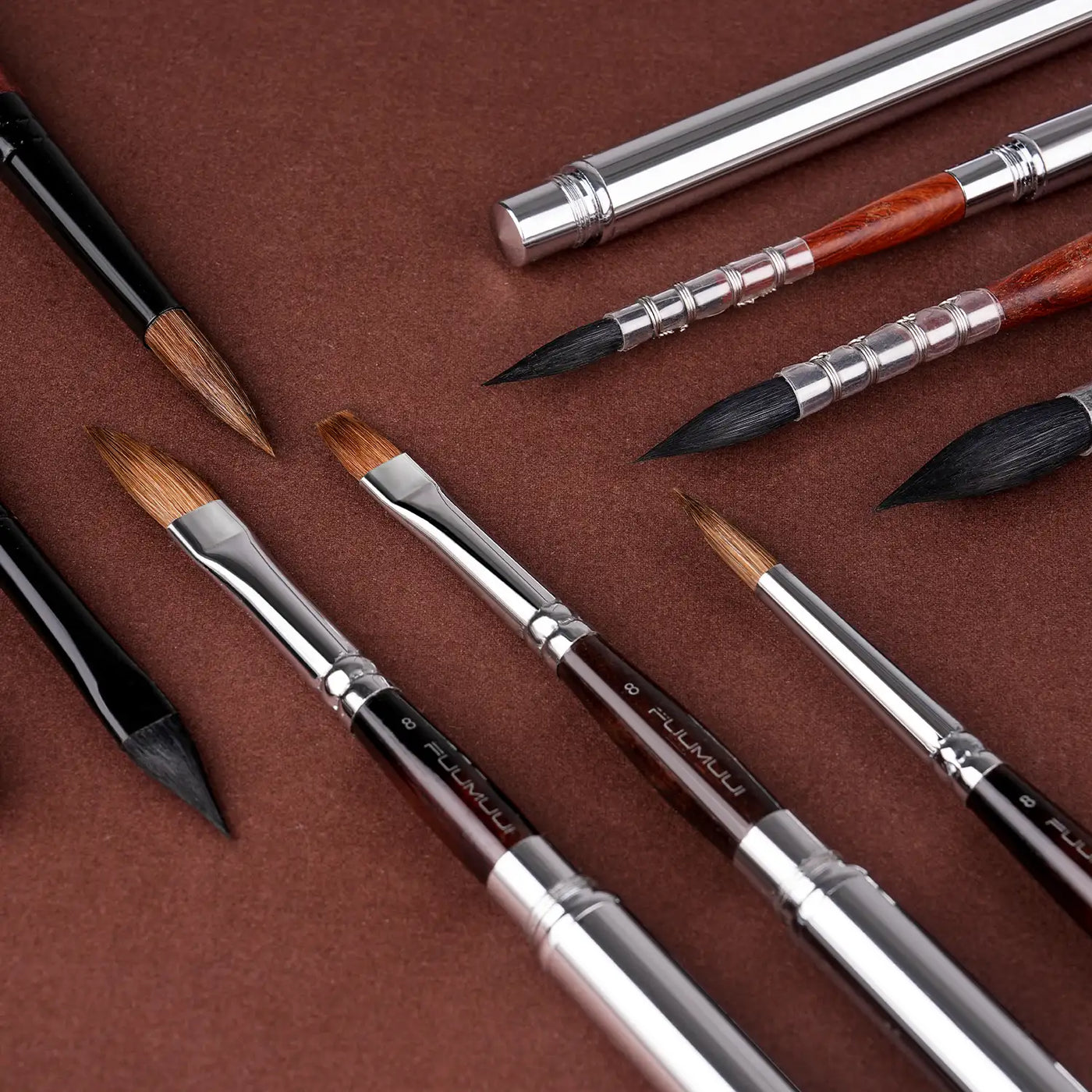
Die Zwinge besteht fast immer aus Metall – typischerweise vernickeltem Messing, Aluminium oder manchmal vergoldet in hochwertigen Sets.
Warum ist das Material wichtig?
Wenn Sie Aquarellist sind, ist Ihr Pinsel ständig nass.Billige Zinnzwingen rosten.
Rost sieht nicht nur schlecht aus; er kann in Ihre Farbe eindringen und Ihr Kunstwerk ruinieren. Achten Sie immer aufnahtlose, rostbeständige Zwingen.
Die Pinsel-Einkerbung: Warum Ihr Griff wackelt
Haben Sie jemals einen Pinsel aufgehoben, angefangen zu malen und gespürt, wie der Kopf am Griff klickt oder wackelt?
Es ist ärgerlich.
Dies geschieht aufgrund einer schlechten Einkerbung.
Die Einkerbung ist die physische Vertiefung, wo die Maschine (oder der Handwerker) die Metallzwinge in den Holzgriff gepresst hat.
-
Einfache Einkerbung:Häufig bei Budget-Pinseln. Sie lockert sich oft mit der Zeit.
-
Doppelte oder dreifache Einkerbung:Das ist, was Sie wollen.
Premium-Pinselverwenden eine tiefe doppelte oder dreifache Einkerbung, um die Komponenten physisch miteinander zu verbinden.
Die Lehre:Wenn die Zwinge wie ein glattes Rohr ohne Vertiefungen aussieht, legen Sie sie zurück ins Regal. Sie wird brechen.
Pinselgriff-Typen: Balance, Länge und Ergonomie
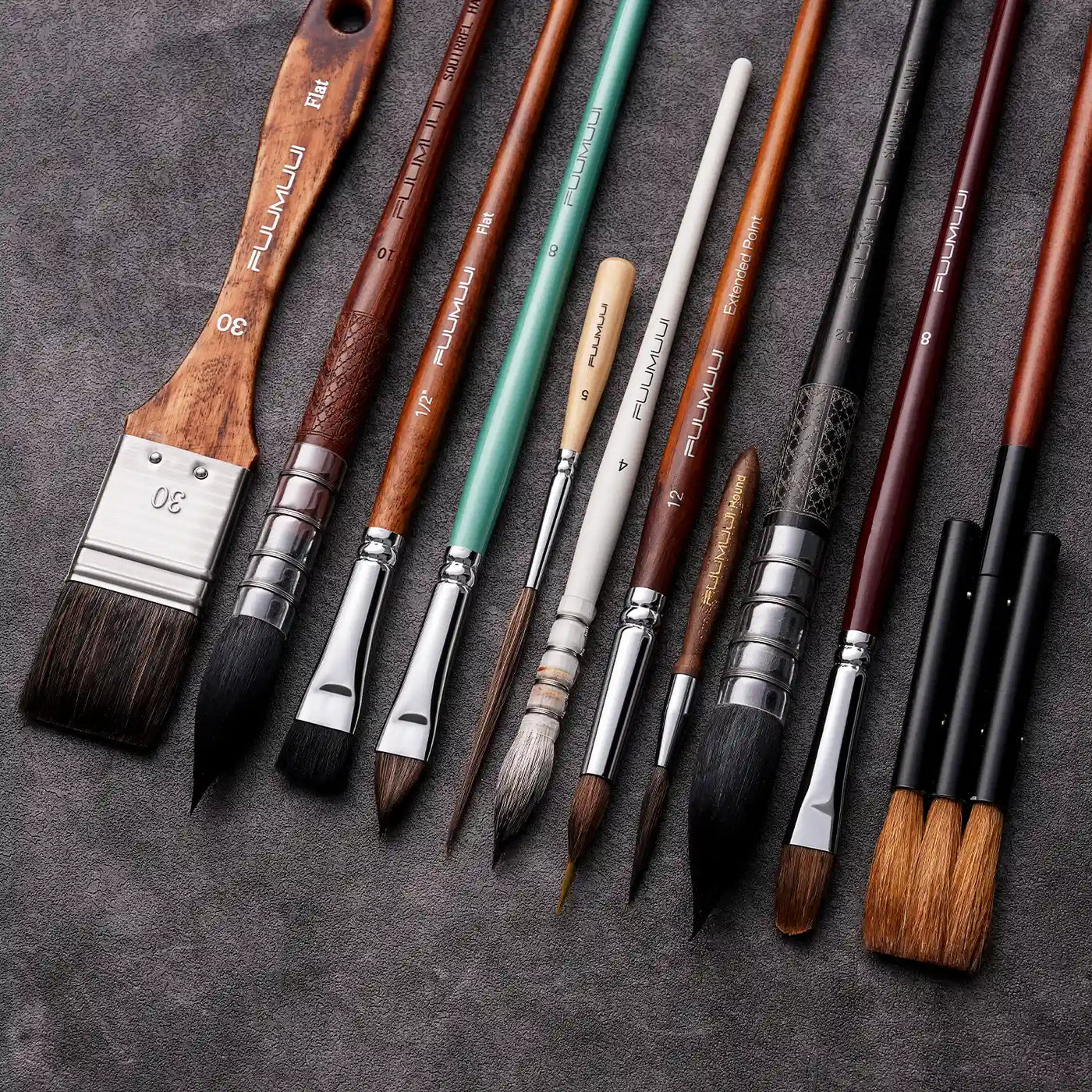
DerPinselgriffwird oft übersehen, aber er bestimmt, wie Sie malen. Griffe lassen sich im Allgemeinen basierend auf der Länge in zwei Kategorien einteilen.
Kurze Griffe vs. lange Griffe
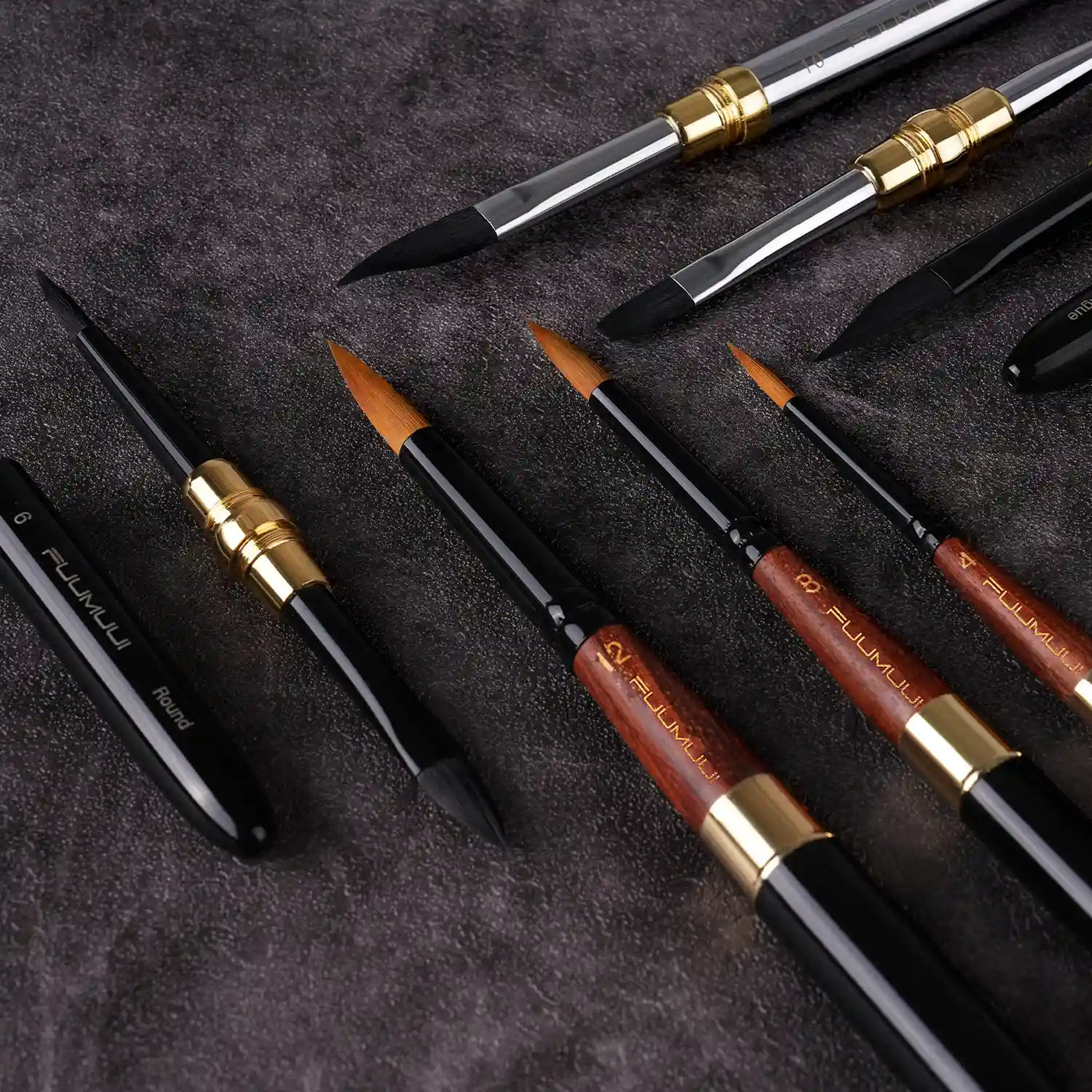
Kurze Griffe:Entworfen fürAquarellund Detailarbeit. Wenn Sie Aquarell malen, arbeiten Sie normalerweise auf einer flachen Oberfläche (einem Tisch), und Ihr Gesicht ist nah am Papier. Ein kurzer Griff gibt Ihnen Präzision, wie das Halten eines Stifts.
Lange Griffe:Entworfen fürÖl- und Acryl-Maler, die an einerStaffeleiarbeiten. Wenn Sie auf einer vertikalen Leinwand arbeiten, müssen Sie zurücktreten, um die gesamte Komposition zu sehen. Der lange Griff ermöglicht es Ihnen, aus Armlänge zu malen.
Der Reisegriff
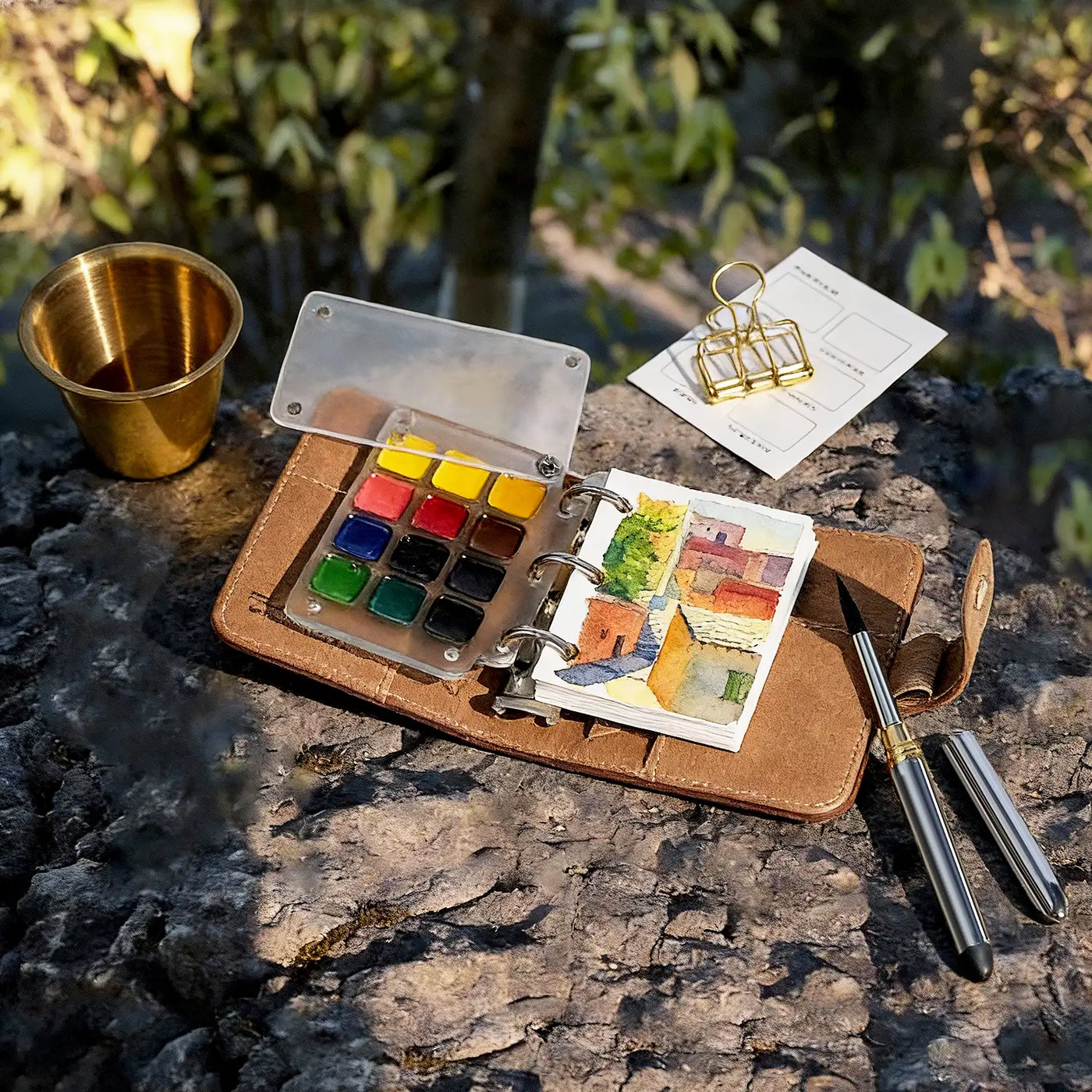
Für Urban Sketcher gibt es einen dritten Typ: denReisepinsel.
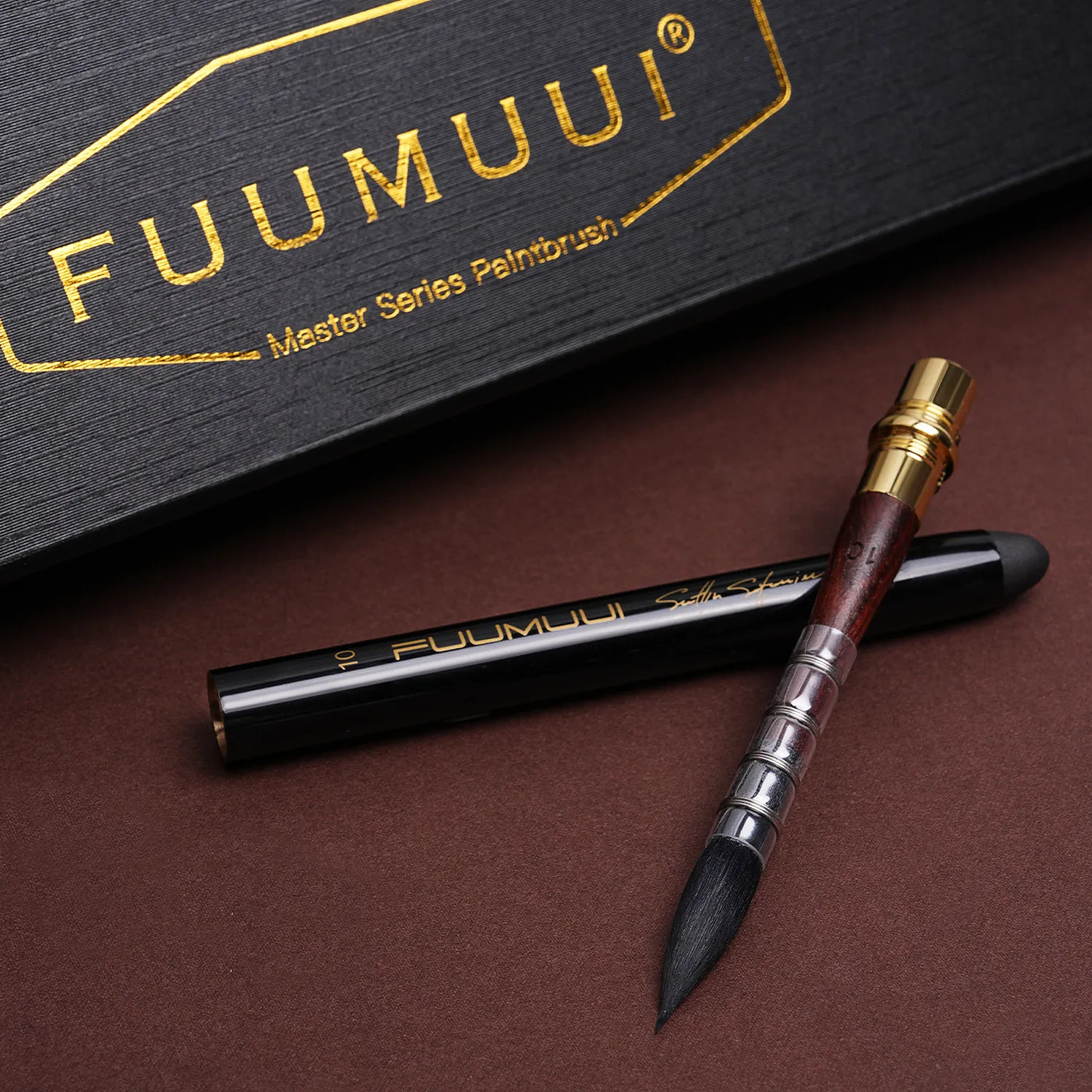
Der Reisegriff & Die "Überall kreativ sein"-Philosophie Für Urban Sketcher und Pleinair-Künstler ist die Philosophie einfach: Die Welt ist Ihr Studio. Traditionelle Reisepinsel zwingen jedoch oft zu einem Kompromiss zwischen Portabilität und Vielfalt. Normalerweise entspricht ein Griff einer Pinselspitze, was Ihr Werkzeugset einschränkt.

Den Rahmen sprengen:Wir erkannten, dass die Anatomie eines Griffs verschwendeter Raum war. Warum nur ein Ende nutzen?Das Doppelspitzen-Reiseaquarellpinsel-Setdefiniert neu, was ein portables Set leisten kann. Durch die Entwicklung eines umkehrbaren Griffs, der an beiden Enden einen Pinselkopf aufnimmt, schafften wir es, 6 vielseitige Pinselspitzen auf nur 3 Griffen unterzubringen.

Der Klebepfropfen: Die versteckte Komponente, die Haarausfall verhindert
Es gibt einen Teil der Anatomie, den Sie nicht sehen können.
In der Zwinge befindet sich ein Pfropfen aus Klebstoff, oftEpoxidharz. Dies ist es, was die Borsten tatsächlich zusammenhält.
Hier ist eine beunruhigende Tatsache:Die Haare Ihres Pinsels erstrecken sich normalerweise bis zur Hälfte in die Metallzwinge hinein. Sie hören nicht einfach am Rand auf.
Der Klebepfropfen verankert diese Haare.
Wenn Sie aggressive Lösungsmittel (wie Terpentin) verwenden oder Ihren Pinsel in heißem Wasser einweichen lassen, können Sie diesen Kleber auflösen oder aufweichen.
Sobald der Klebepfropfen beschädigt ist, beginnt Ihr Pinsel, Haarbüschel auf Ihr Meisterwerk zu verlieren.
Wie Struktur die Form definiert: Von Rundpinseln zu Riggerpinseln
Jetzt, da Sie die Teile kennen, können Sie sehen, wie die Pinselstruktur die Leistung beeinflusst. Die Art und Weise, wie der Pinselhersteller die Haare in der Zwinge anordnet, bestimmt die Form.
-
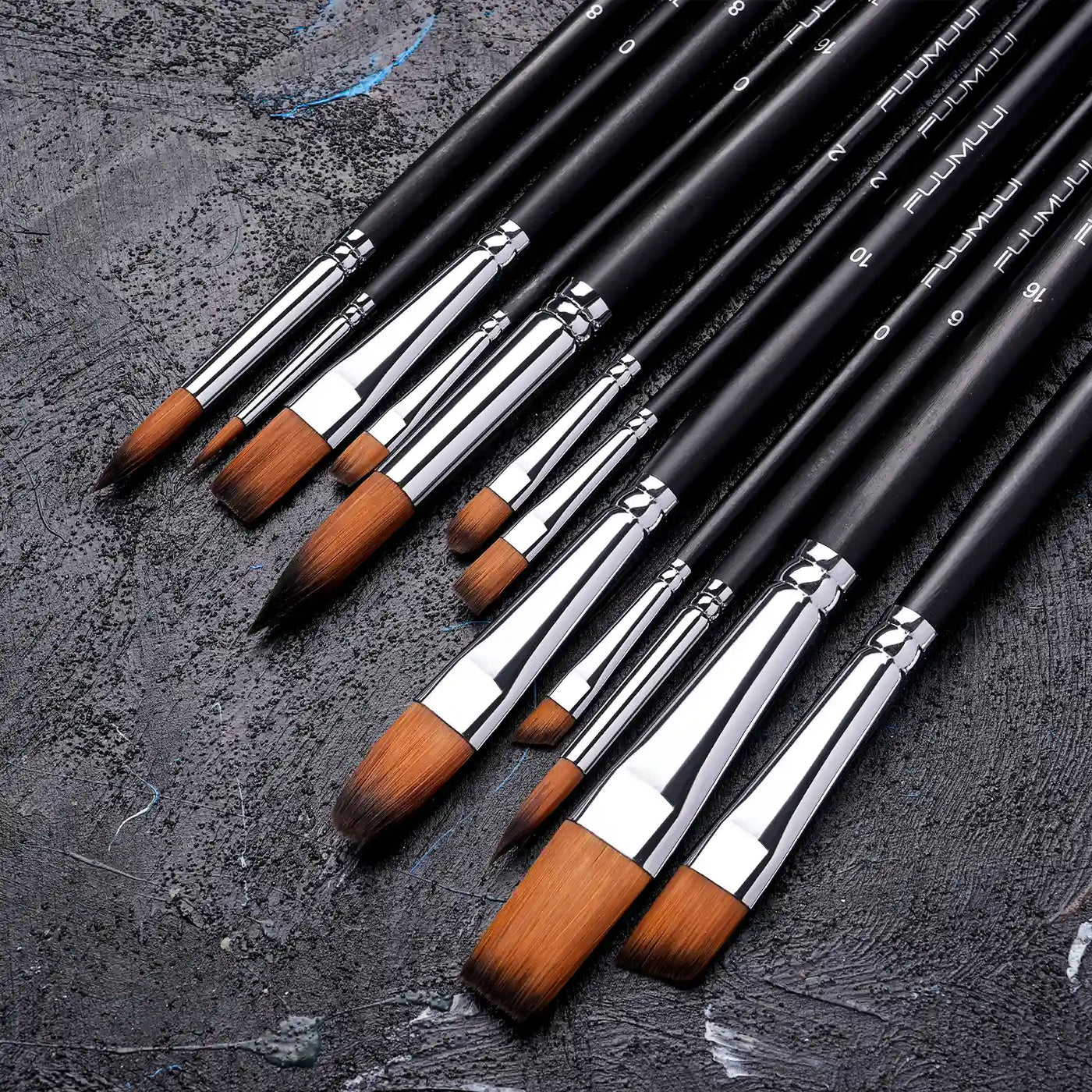
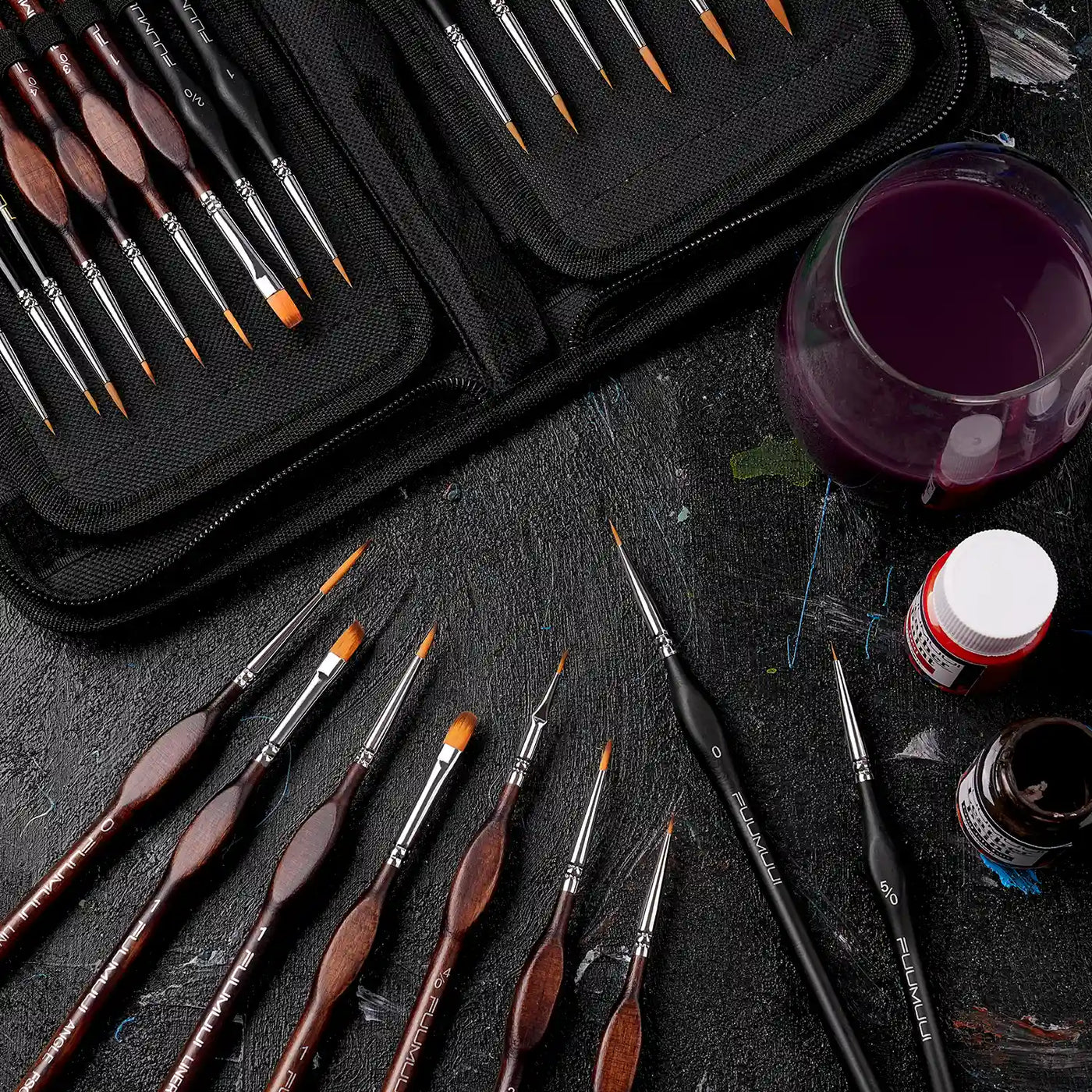
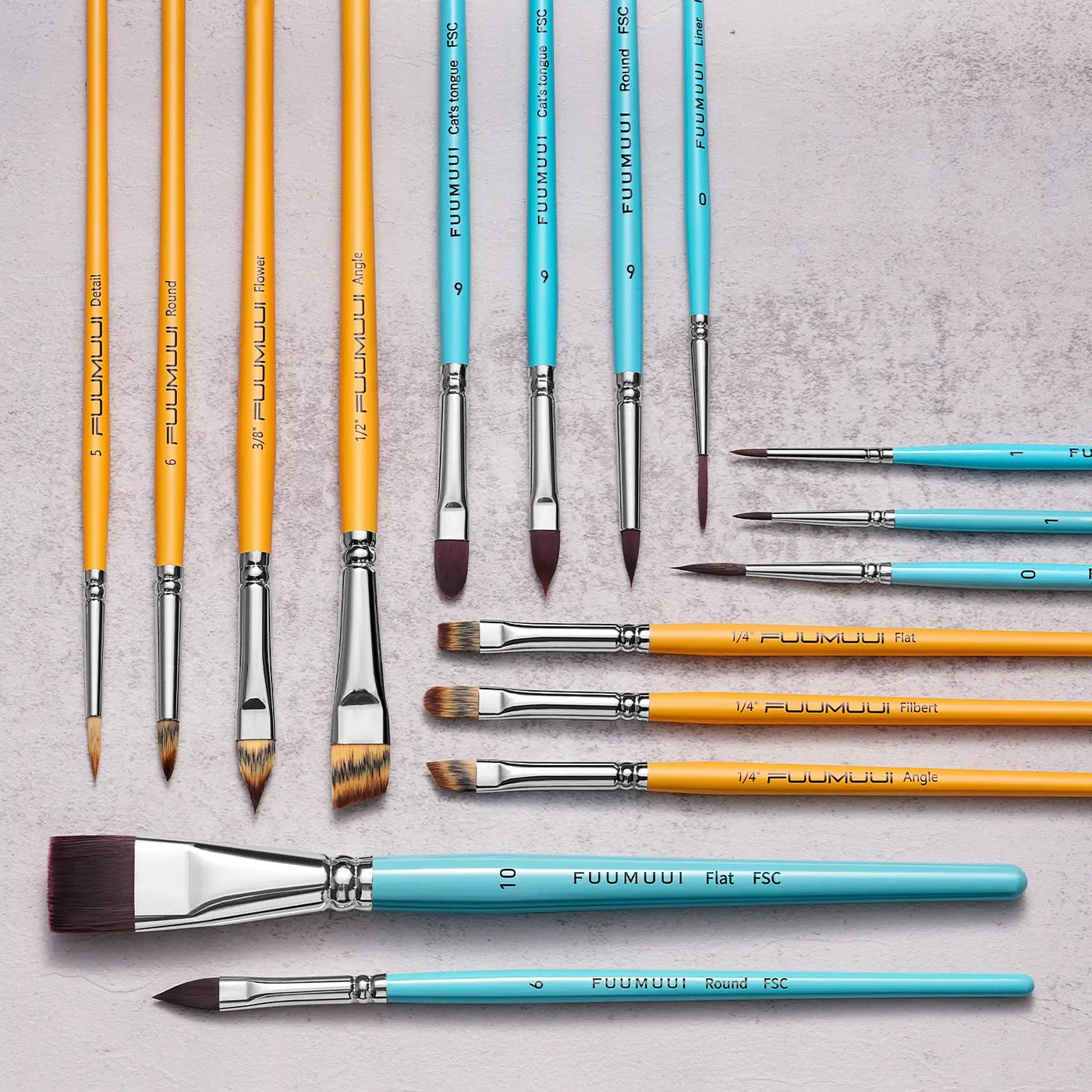
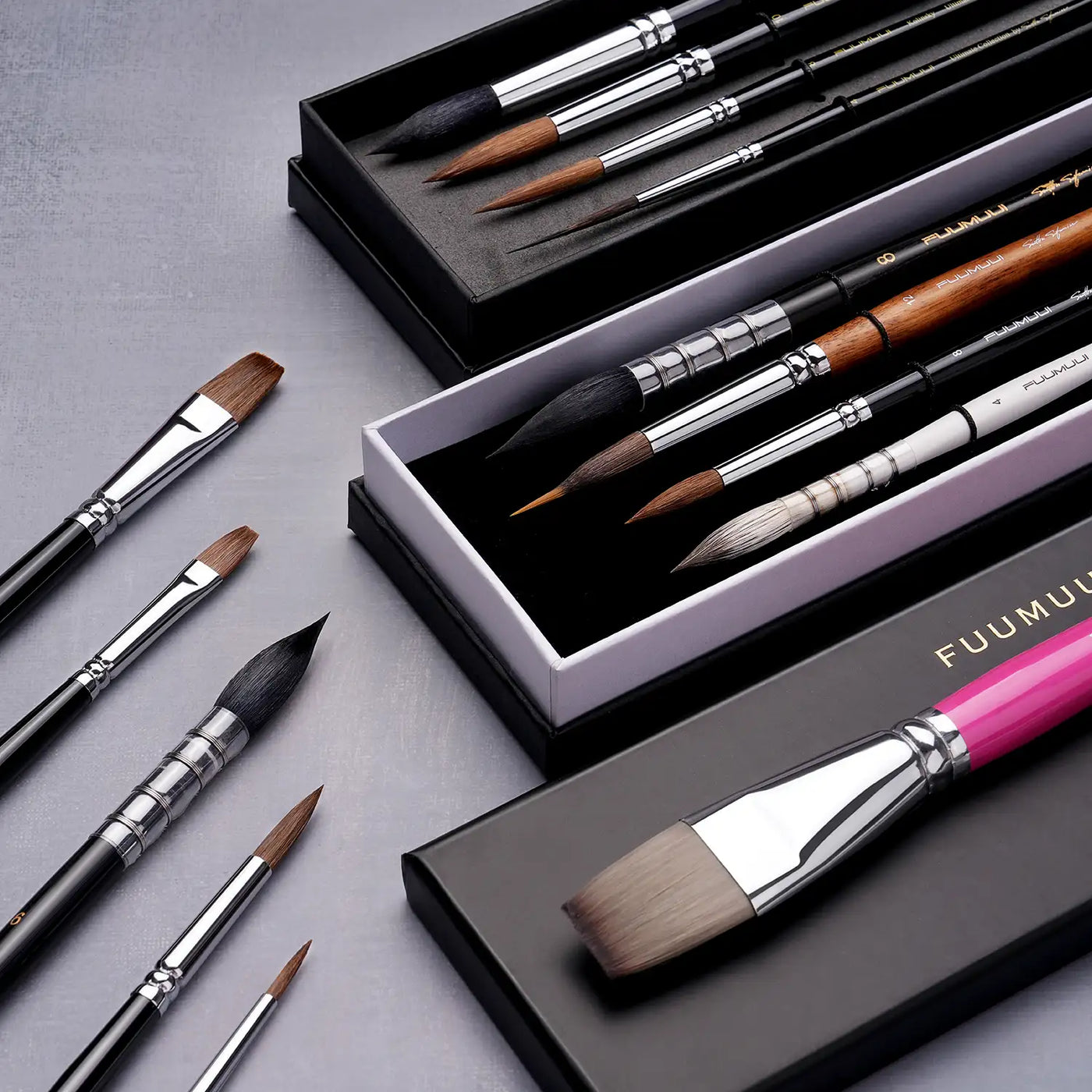
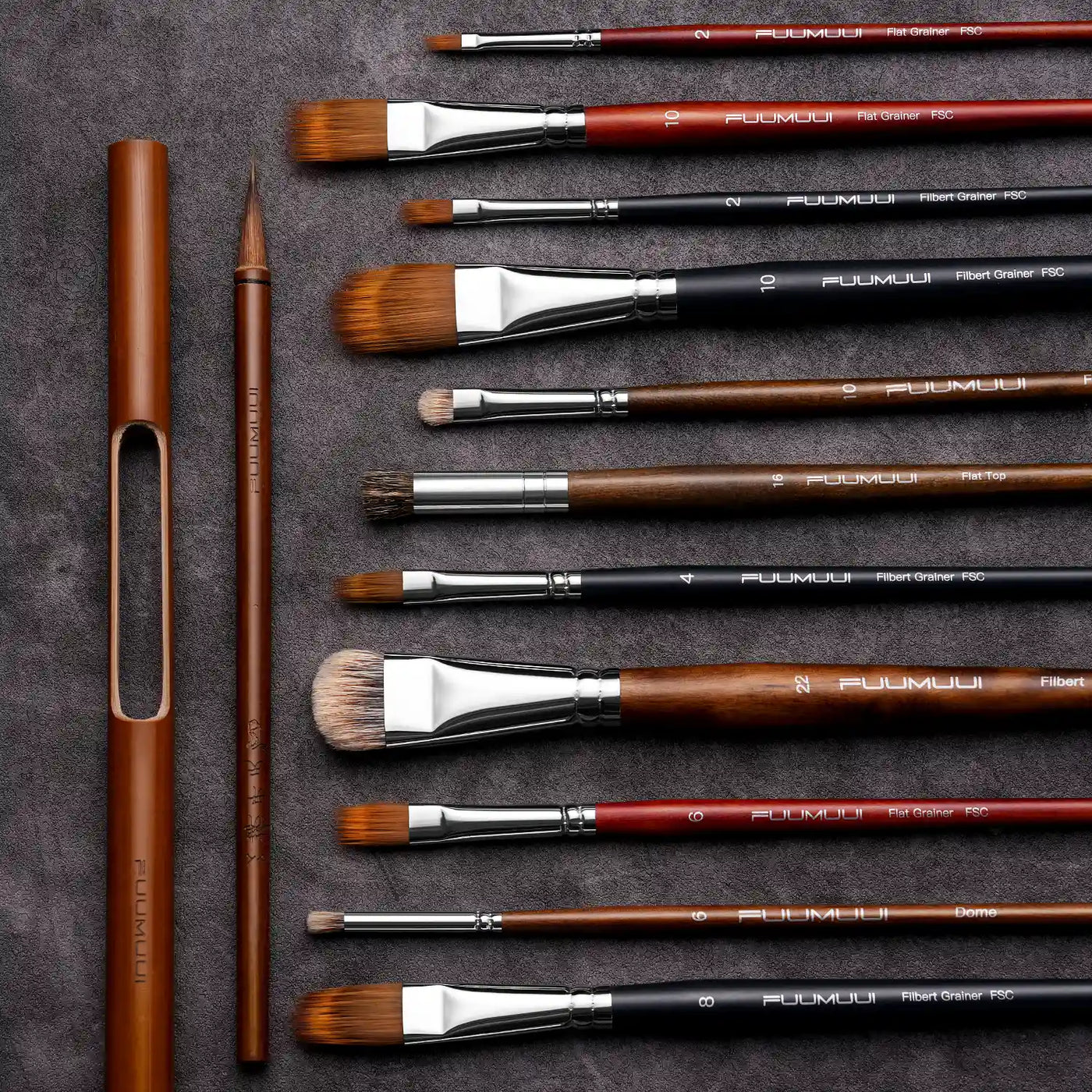
Rundpinsel:Die Haare sind in einem perfekten Kreis gepackt. Die Anatomie verjüngt sich zu einer Spitze. Dies ist Ihr vielseitiges Werkzeug.
-
Flachpinsel:Die Zwinge ist am Ende abgeflacht, was die Haare in eine quadratische Kante zwingt. Diese Anatomie ist perfekt für architektonische Linien.
-
Filbertpinsel:Eine flache Zwinge mit einem abgerundeten Haarprofil. Dies ahmt die Form eines Fingers nach und erzeugt weiche, organische Übergänge.
-
Riggerpinsel:Diese haben eine extra lange Haar-Anatomie. Die zusätzliche Länge absorbiert Handzittern, sodass Sie lange, gerade Linien für Schiffsrigging oder Baumäste ziehen können.
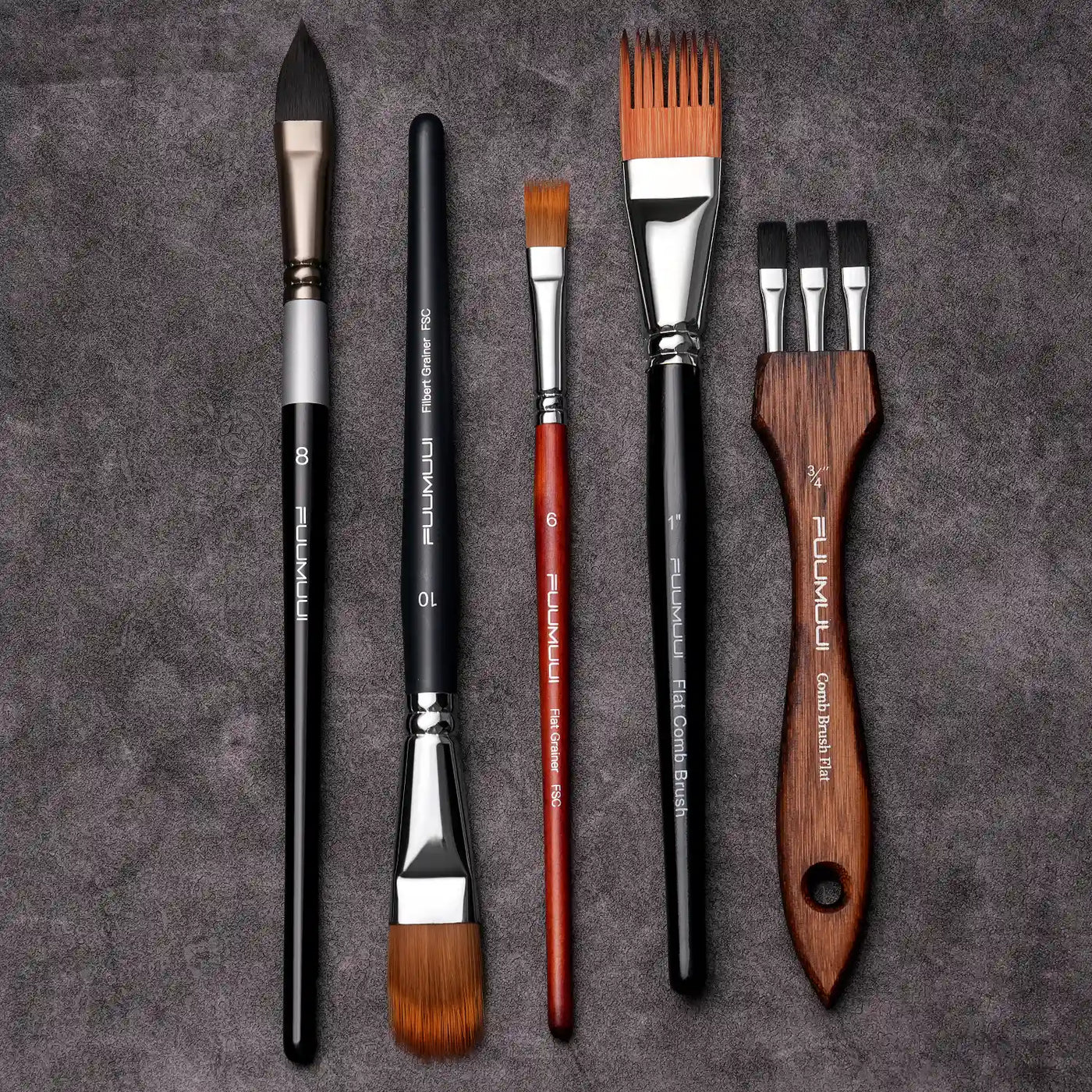
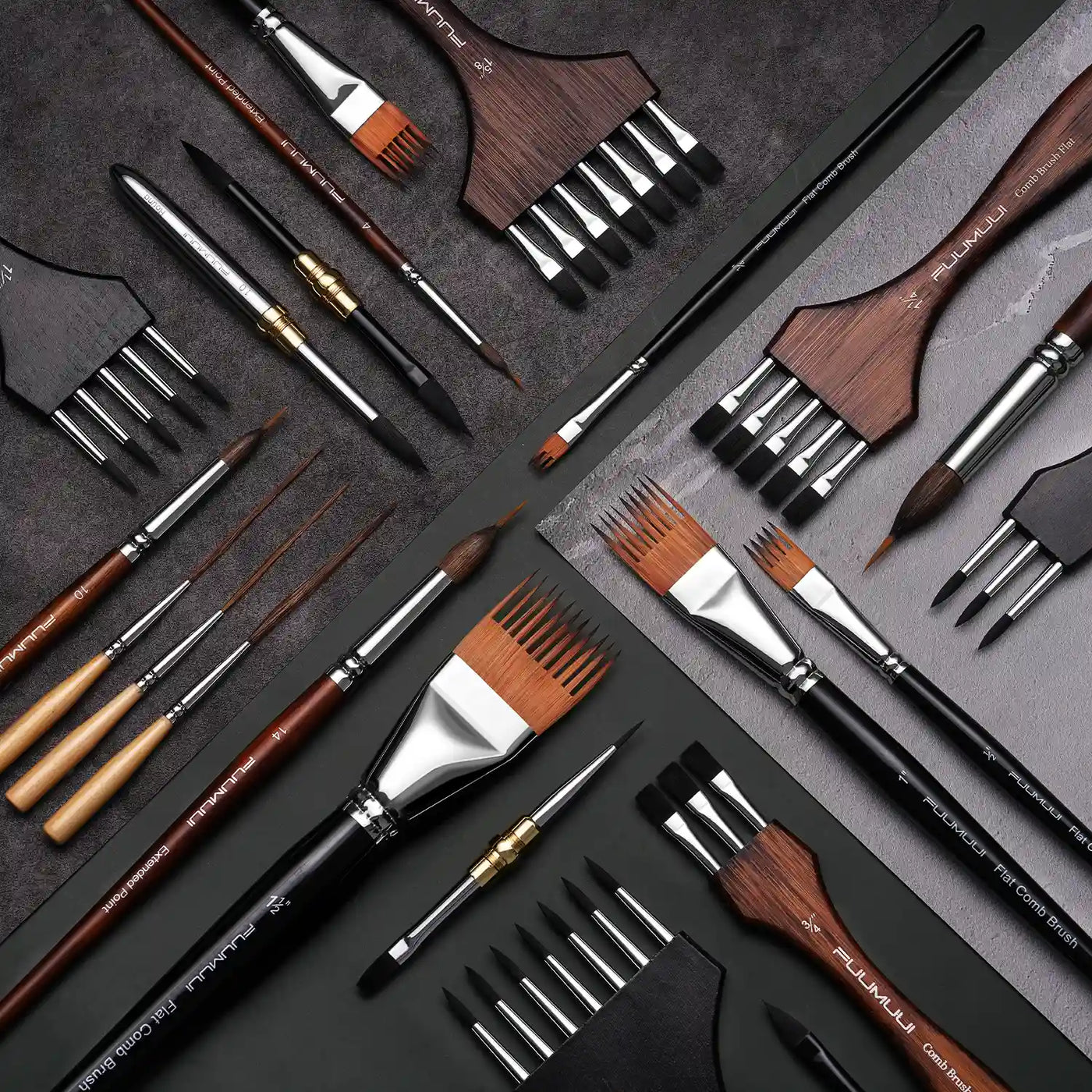
Spezial-Innovatoren:Der Grainer (Kamm) Manchmal reichen standardmäßige anatomische Formen (Rund- und Flachpinsel) nicht aus. Künstler verbringen oft Stunden damit, einzelne Striche zu wiederholen, um Texturen wie Tierfell, Vogelfedern oder Wiesen zu schaffen.

Der Textur-Hack:Um diese Monotonie zu durchbrechen, haben wir die traditionelle flache Zwinge modifiziert, um denGrainer-Pinsel (Flachkamm)zu schaffen. Durch das sorgfältige Anordnen der Borsten in separate "Zähne" innerhalb der Anatomie des Kopfes wirkt dieses Werkzeug wie mehrere Pinsel in einem. Ein einziger Strich erzeugt fünf oder zehn parallele, organische Linien. Es verwandelt eine mühsame Stunde des Fellmalens in wenige Minuten ausdrucksstarker Striche. Es ist ein perfektes Beispiel dafür, wie die Veränderung der Anatomie neue kreative Möglichkeiten eröffnen kann.

Anatomie-basierte Pflege: So halten Ihre Pinsel länger
Das Verständnis der Anatomie verändert, wie Sie Ihre Werkzeuge reinigen.
Da wir wissen, dassWasser + unversiegeltes Holz = QuellungundLösungsmittel + Kleber = Haarausfallbedeutet, können wir einfache Regeln befolgen.
- Schwerkraft ist Ihr Feind Lassen Sie einen Pinsel niemals mit nach oben zeigenden Borsten trocknen.
Die Schwerkraft zieht Wasser und Pigmente in die Zwinge. Dies lässt das Holz verrotten und lockert den Kleber.
-
Die Horizontale-Regel Lassen Sie Ihre Pinsel immer flach liegend trocknen, oder noch besser, mit den Köpfen leicht nach unten geneigt.
-
Zerdrücken Sie nicht die Spitze Lassen Sie einen Pinsel niemals auf seinem Kopf in einem Wasserglas stehen.
Sie drücken die sorgfältig geformte "Spitze" des Pinsels gegen den Boden des Glases. Dies wird die Borsten dauerhaft krümmen (wir nennen das "J-Haken").
Häufig gestellte Fragen zur Pinsel-Anatomie
F1: Was bedeuten die Zahlen auf Pinselgriffen?
A: Die Zahlen geben die Größe (Breite oder Dicke) des Pinselkopfes an. Im Allgemeinen sind niedrigere Zahlen (z.B. 0, 1, 2) fürfeine Details, während höhere Zahlen (z.B. 10, 12, 20) für breite Lavierungen sind. Allerdings gibt eskeinen einheitlichen Industriestandard. Eine Größe #6 einer Marke kann sich von einer #6 einer anderen Marke unterscheiden, also überprüfen Sie immer die spezifischen Maße.
F2: Warum sind einige Pinselgriffe lang und andere kurz?
A: Es hängt vom Malstil ab.Kurze Griffesind für Aquarell und Detailarbeit konzipiert, bei denen der Künstler nah am Papier sitzt, um Präzision zu erreichen.Lange Griffesind für Öl- und Acrylkünstler ausgeglichen, die an einer Staffelei arbeiten, sodass sie zurücktreten und aus Armlänge malen können.
F3: Wie repariere ich eine lockere oder wackelige Pinselzwinge?
A: Ein wackelnder Kopf bedeutet normalerweise, dass der Holzgriff aufgrund von Luftfeuchtigkeitsänderungen geschrumpft ist.Weichen Sie ihn nicht in Wasser ein, um das Holz auszudehnen – dies schädigt das Holz weiter. Stattdessen geben Sie einen Tropfen Sekundenkleber oder Epoxidharz auf die Naht, wo die Metallzwinge auf das Holz trifft, um die Verbindung wieder zu sichern.
F4: Was ist der "Bauch" eines Pinsels und warum ist er wichtig?
A: Der "Bauch" ist der breiteste Teil der Borsten und dient als Reservoir für Farbe und Wasser. Ein Pinsel mit einem ausgeprägten Bauch (wie ein Kolinsky-Zobel-Rundpinsel) ermöglicht es Ihnen, lange, kontinuierliche Striche zu malen, ohne ständig nachzuladen, was für flüssige Aquarelltechniken entscheidend ist.
F5: Warum verliert mein neuer Pinsel Haare?
A: Geringer Haarausfall ist bei einem brandneuen Pinsel normal (genannt "anfänglicher Haarausfall"), da lose Haare aus der Herstellung herausfallen. Wenn der Haarausfall jedoch anhält, kann dies darauf hindeuten, dass der Klebepfropfen in der Zwinge beschädigt wurde, oft durch die Verwendung aggressiver Lösungsmittel oder das Einweichen des Pinsels in heißem Wasser.
Heben Sie Ihre Kunst mit überlegener Handwerkskunst auf ein neues Niveau
Wenn Sie einen Pinsel in die Hand nehmen, geben Sie dem Handwerker, der ihn hergestellt hat, die Hand.
Das Verständnis der Anatomie eines Pinsels– vom Rückschlag der synthetischen Fasern bis zur dreifachen Einkerbung der Zwinge – befähigt Sie, bessere Entscheidungen zu treffen.
Bereit, Ihr Werkzeugset zu verbessern? Entdecken Sie unsere Kollektion vonprofessionellen Pinseln, um den Unterschied zu spüren, den ein gut konstruiertes Werkzeug in Ihrer Hand macht.

Bereit zum Erstellen? Sehen Sie sich unsere hochwertigen Aquarellpinsel und professionellen Aquarellpinselsets an. Egal, ob Sie Anfänger oder Profi sind,...


