
Table of Contents
Key Takeaways
Verdict: Chinese watercolor painting embraces simplicity, balance, and emotion. Through expressive brushwork, negative space, and thoughtful color layering, a simple flower vase can become a meaningful artwork.
- Artistic Inspiration: Explore the minimalist style of Bada Shanren (Zhu Da), where simple forms and natural imperfections create quiet elegance.
- Core Techniques: Practice brush pressure control, wet-on-dry layering, and wet-on-wet blending to shape delicate orchids and textured ceramic forms.
- Main Supplies: Use fan-shaped watercolor paper, fine-tip and round brushes, with Magenta, Ultramarine Blue, Turquoise Cobalt Blue, and green accents.
A simple composition can hold a world of emotion. In this lesson of When East Meets West in Watercolor, Fuumuui and watercolor artist Coral Ye Chen explore the quiet beauty of Chinese-inspired watercolor painting through a delicate flower vase and orchid composition.
Inspired by the artistic spirit of Bada Shanren (Zhu Da), this flower vase watercolor tutorial combines traditional Chinese freehand aesthetics with modern watercolor techniques. Follow along as we bring simple brushwork and flowing colors together to create expressive artwork on fan-shaped watercolor paper.
The Inspiration Behind the Chinese Watercolor Painting: Bada Shanren's Legacy
Bada Shanren: A Master of Minimalist Expression
Bada Shanren (Zhu Da) was a descendant of the Ming imperial family who turned to painting after experiencing dramatic changes in his life. Through simple forms and expressive brushwork, he developed a distinctive minimalist style filled with quiet strength and emotional depth.
His artistic language can be seen through:
- Minimalist Expression: Using sparse brushstrokes and empty space (Liu Bai) to create powerful visual emotions.
- Symbolic Subjects: Depicting animals and plants with unique expressions, often suggesting distance, reflection, and quiet pride.
- Lasting Influence: Becoming one of the most influential figures in the Xieyi (freehand) tradition of Chinese painting.
Our Creative Interpretation: The Vase and Orchid
In this lesson, artist Coral Ye Chen draws inspiration from Bada Shanren’s flower vase compositions, transforming his ideas of simplicity, symbolism, and balance into a modern flower vase watercolor painting.

The vase’s natural imperfections, the orchid’s graceful lines, and the use of expressive brushwork reflect the quiet elegance of traditional Chinese aesthetics.
Painted on fan-shaped watercolor paper, this tutorial brings timeless artistic ideas into a contemporary watercolor practice.
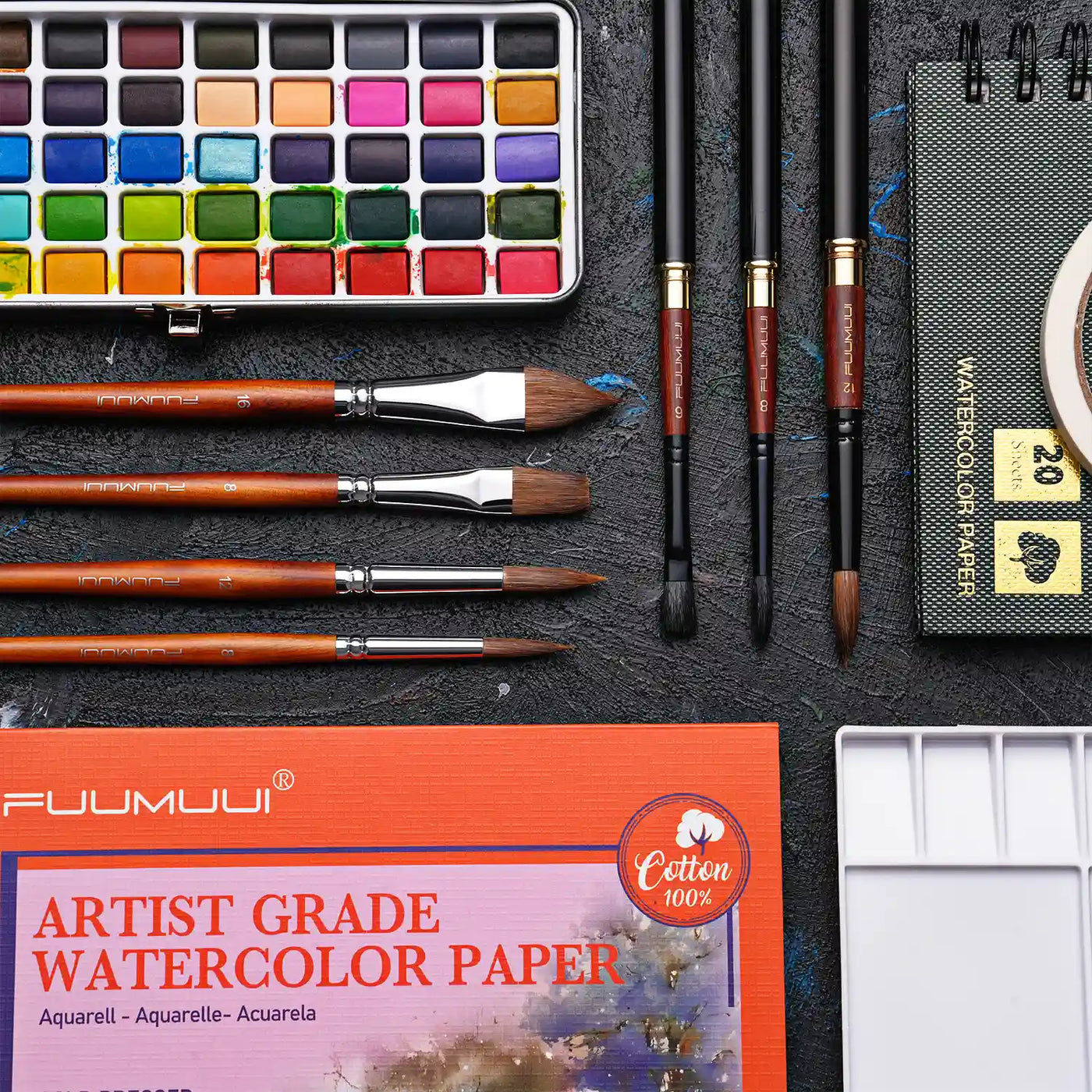
The Toolkit for Your Watercolor Painting
Before we begin, let’s prepare the materials for this Chinese-inspired watercolor painting.
-
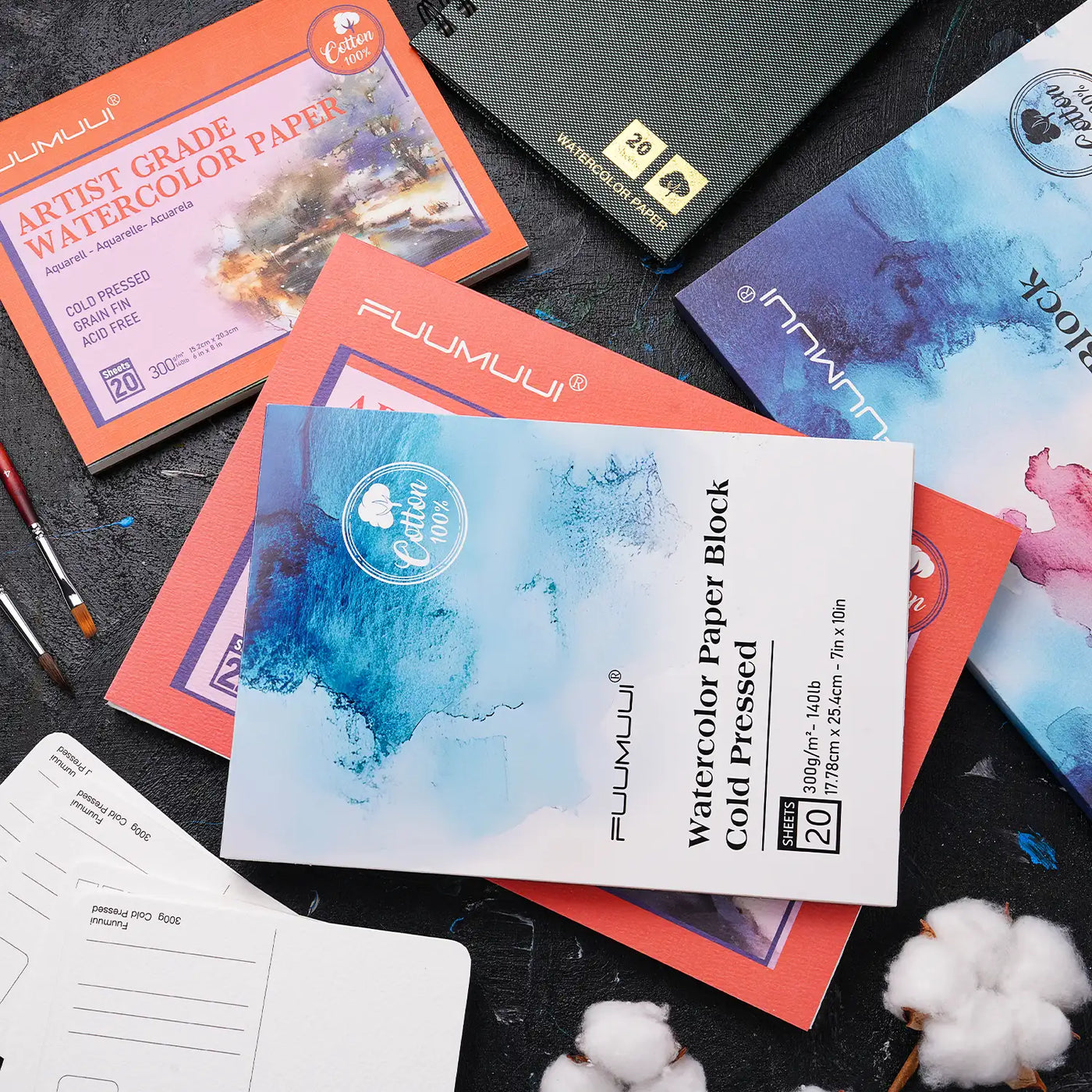
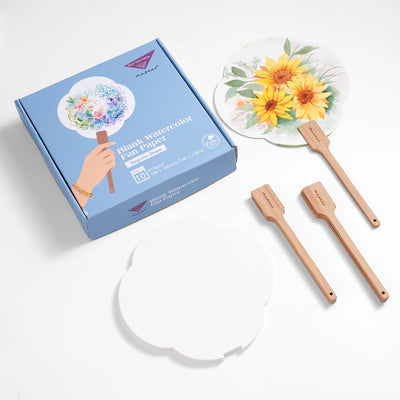
Fan-Shaped Watercolor Paper: Inspired by traditional Chinese fans, this unique paper shape adds a special touch and allows the finished artwork to become a decorative fan or handmade gift.
-
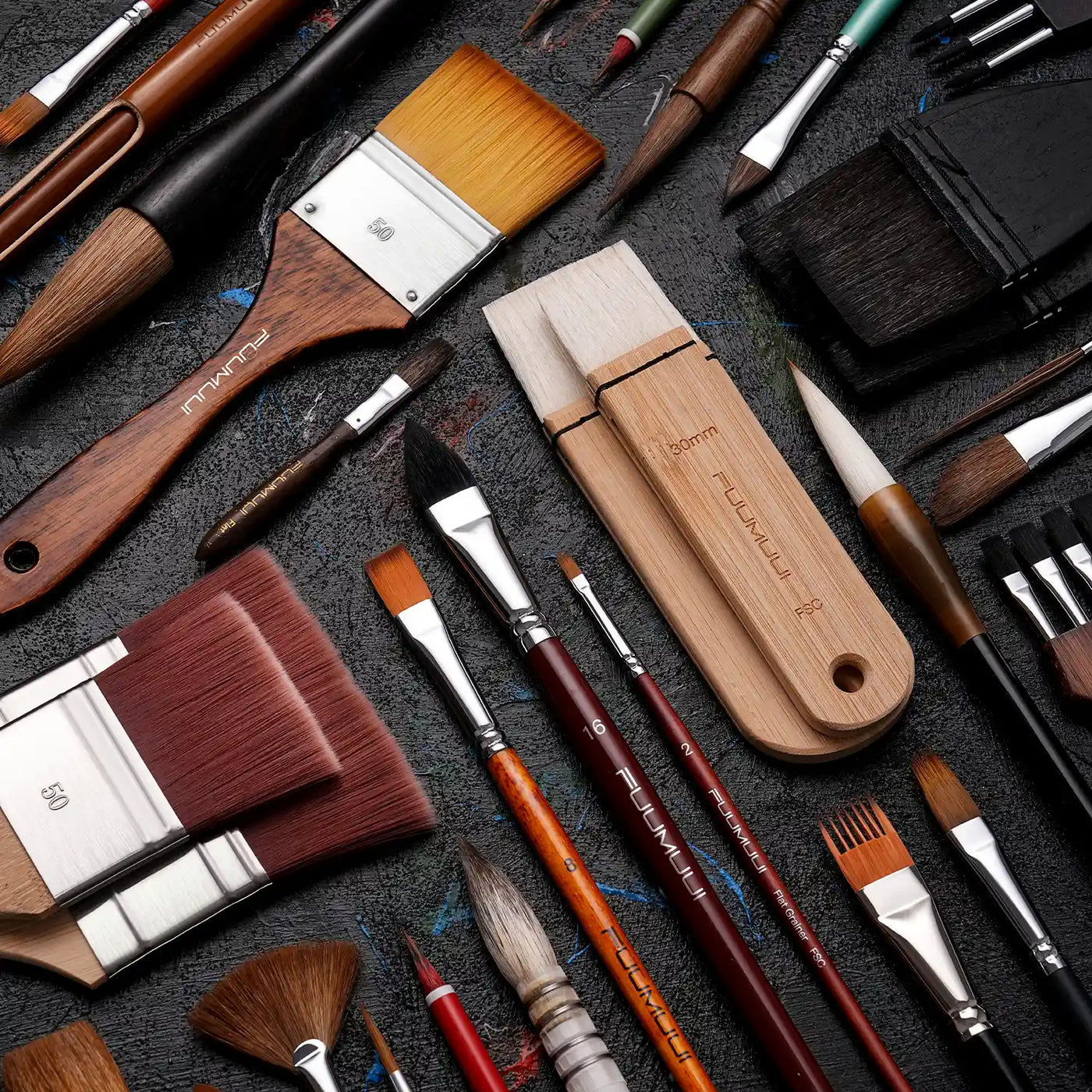
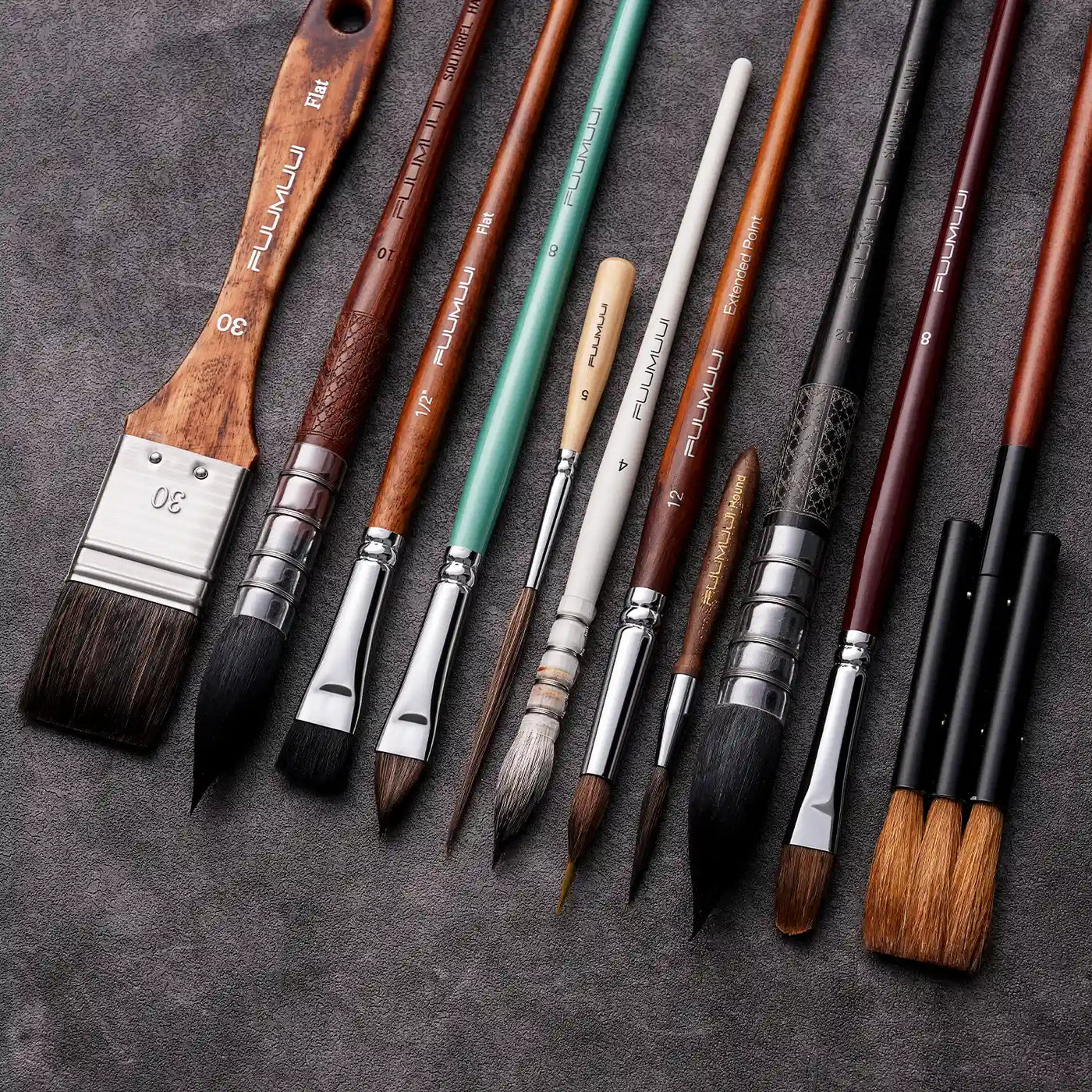
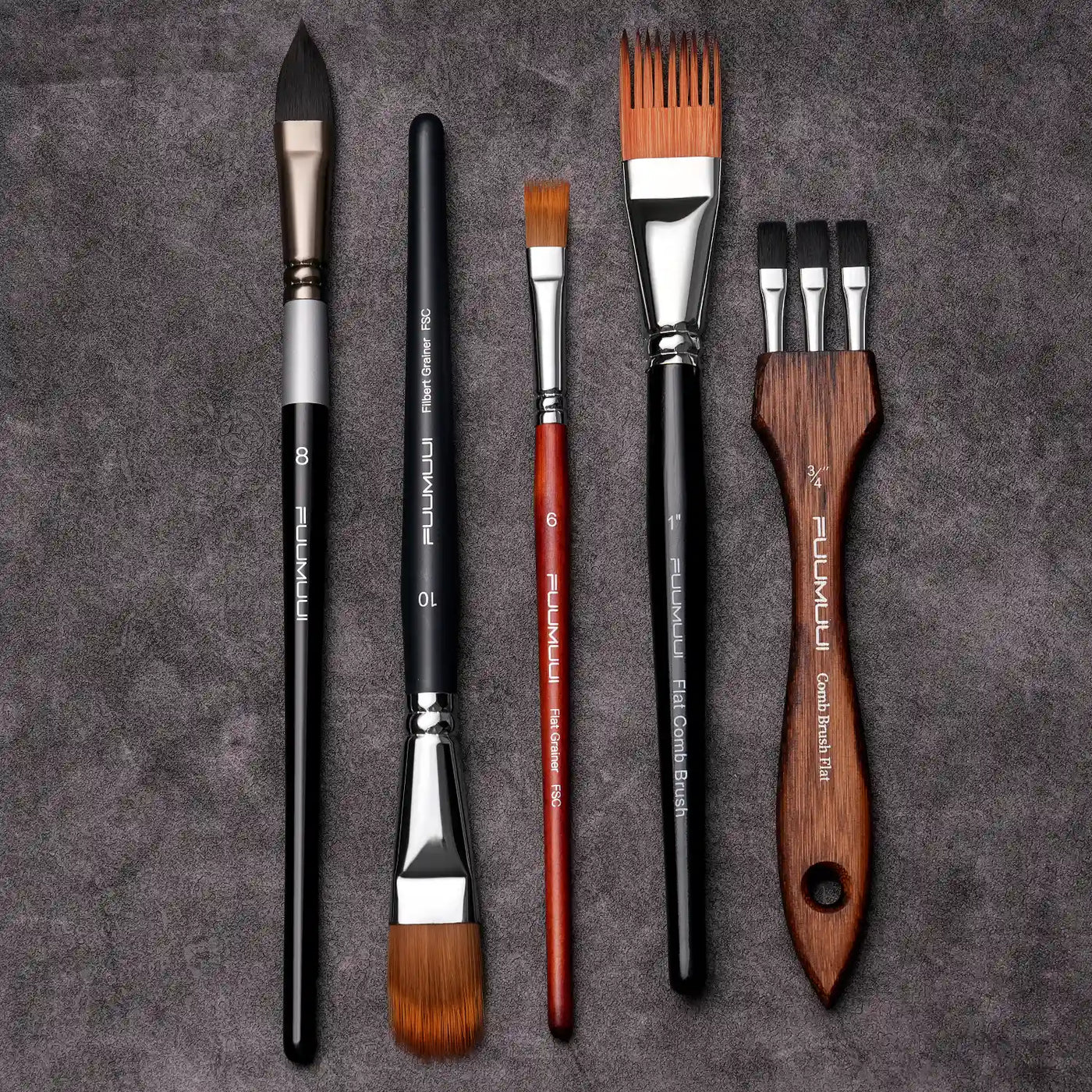
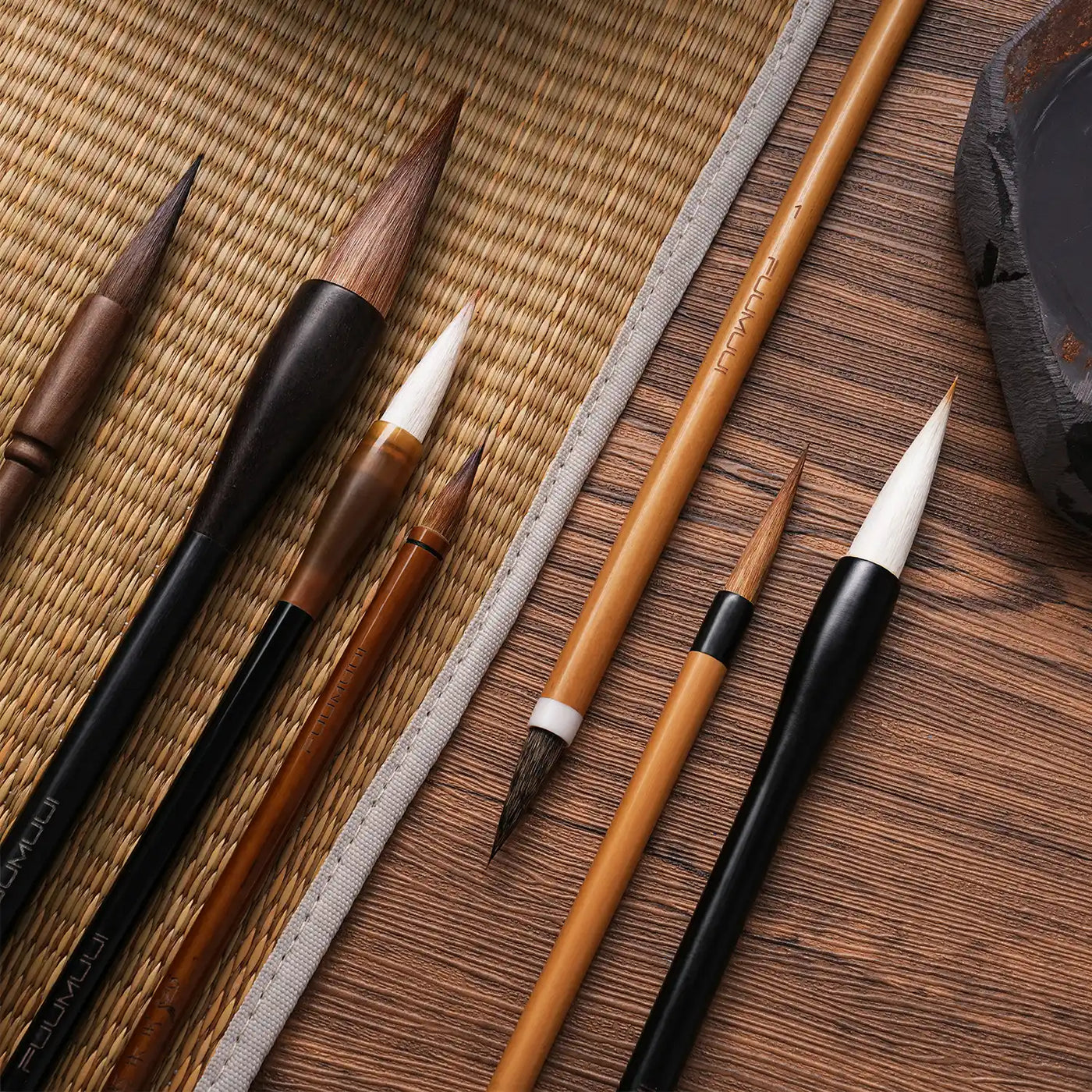
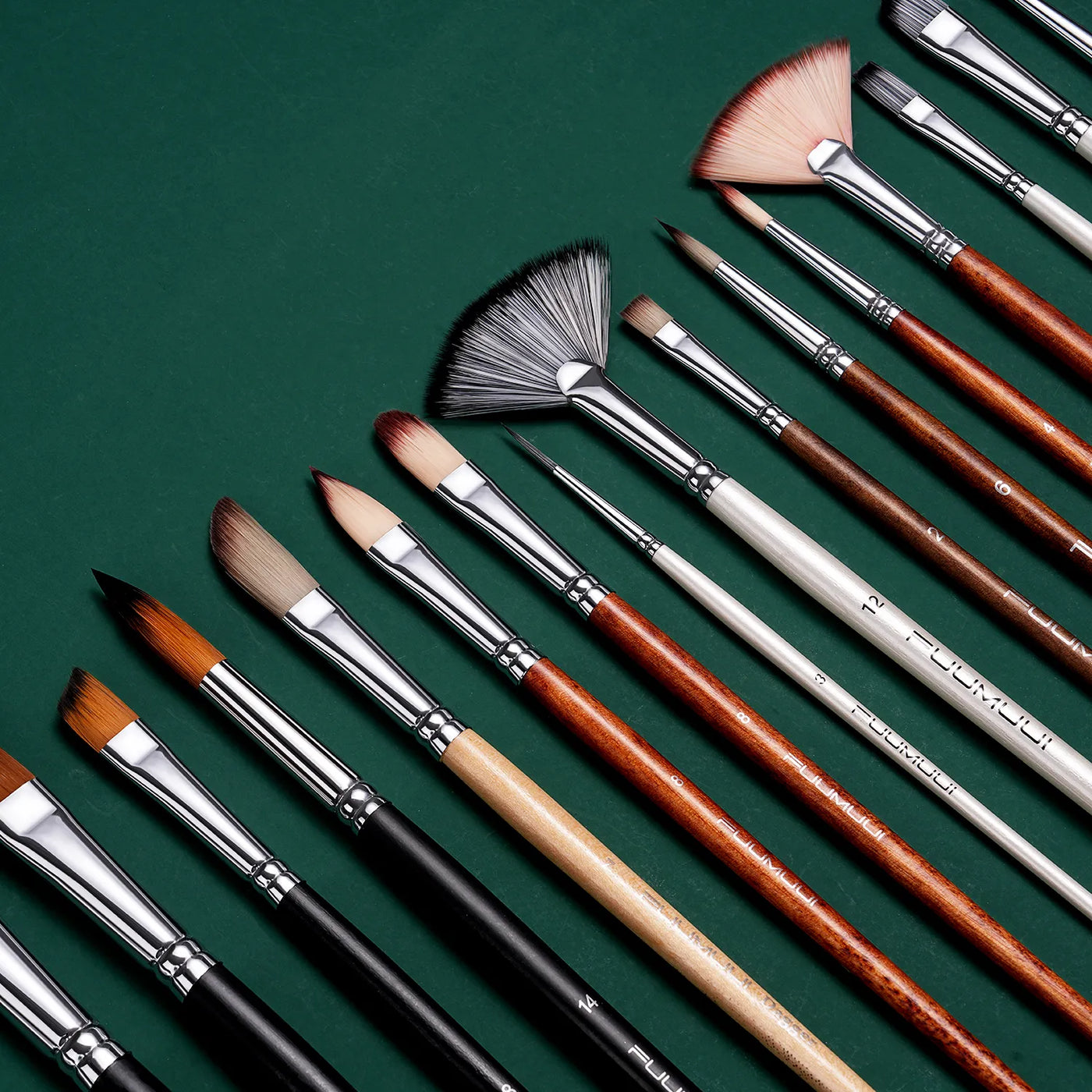
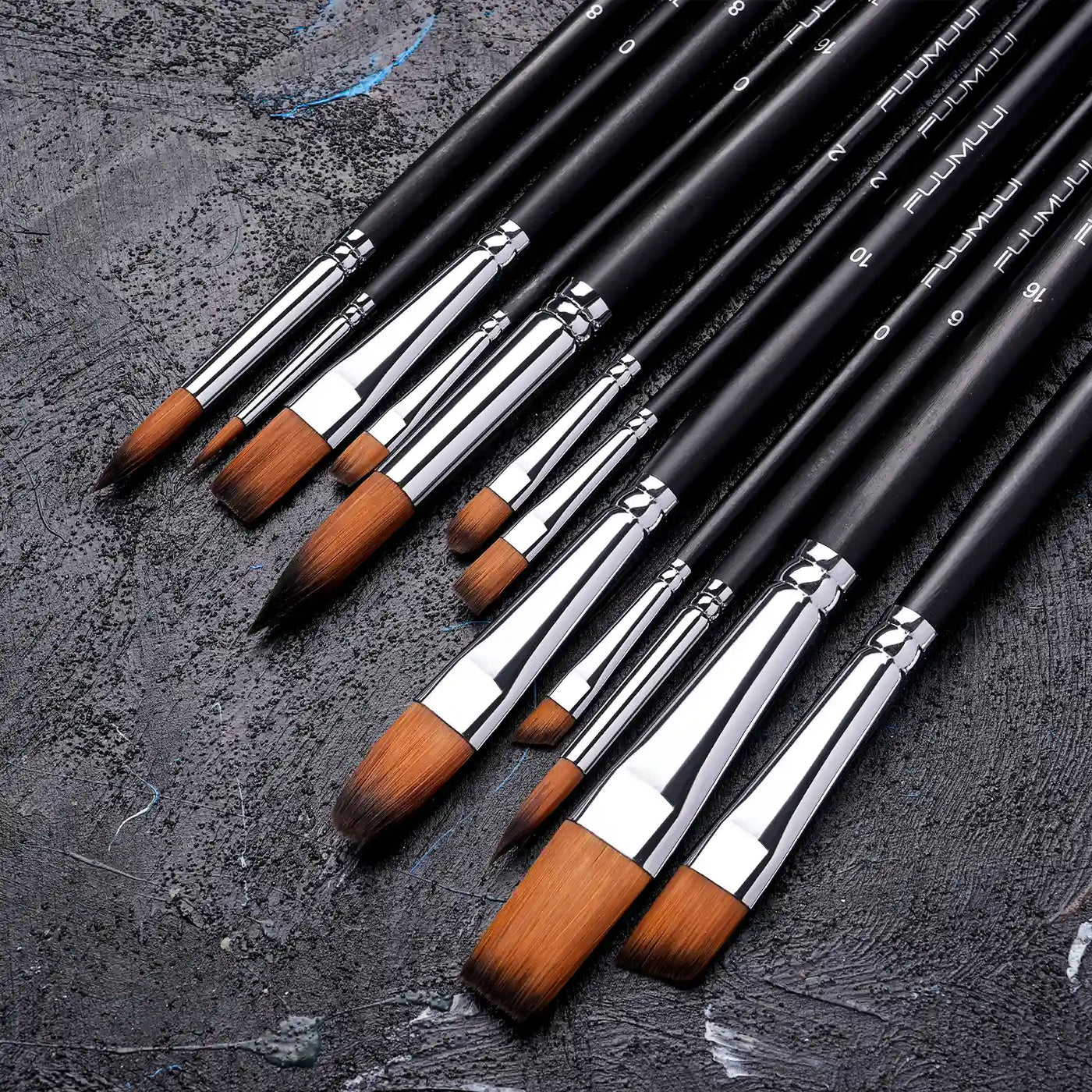
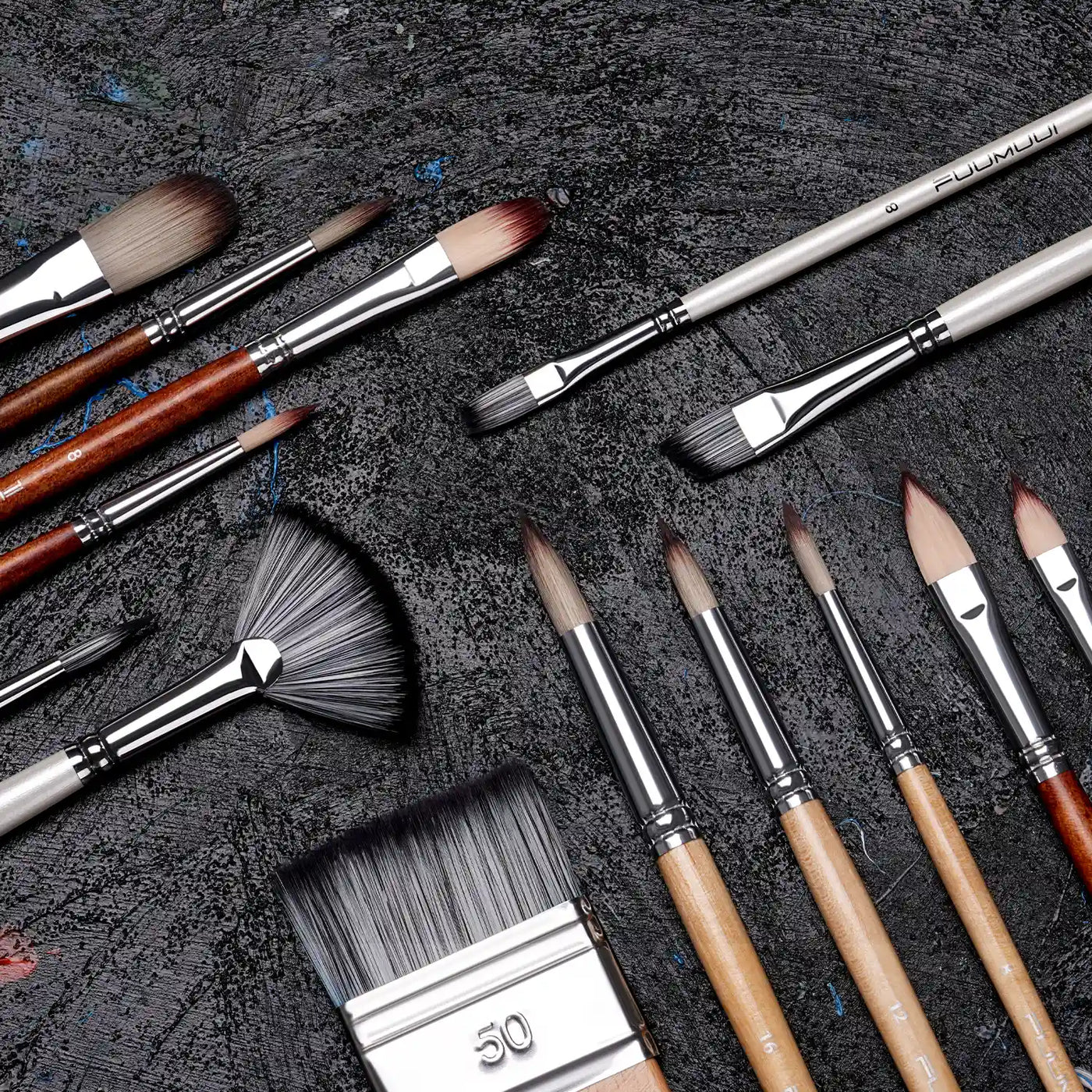
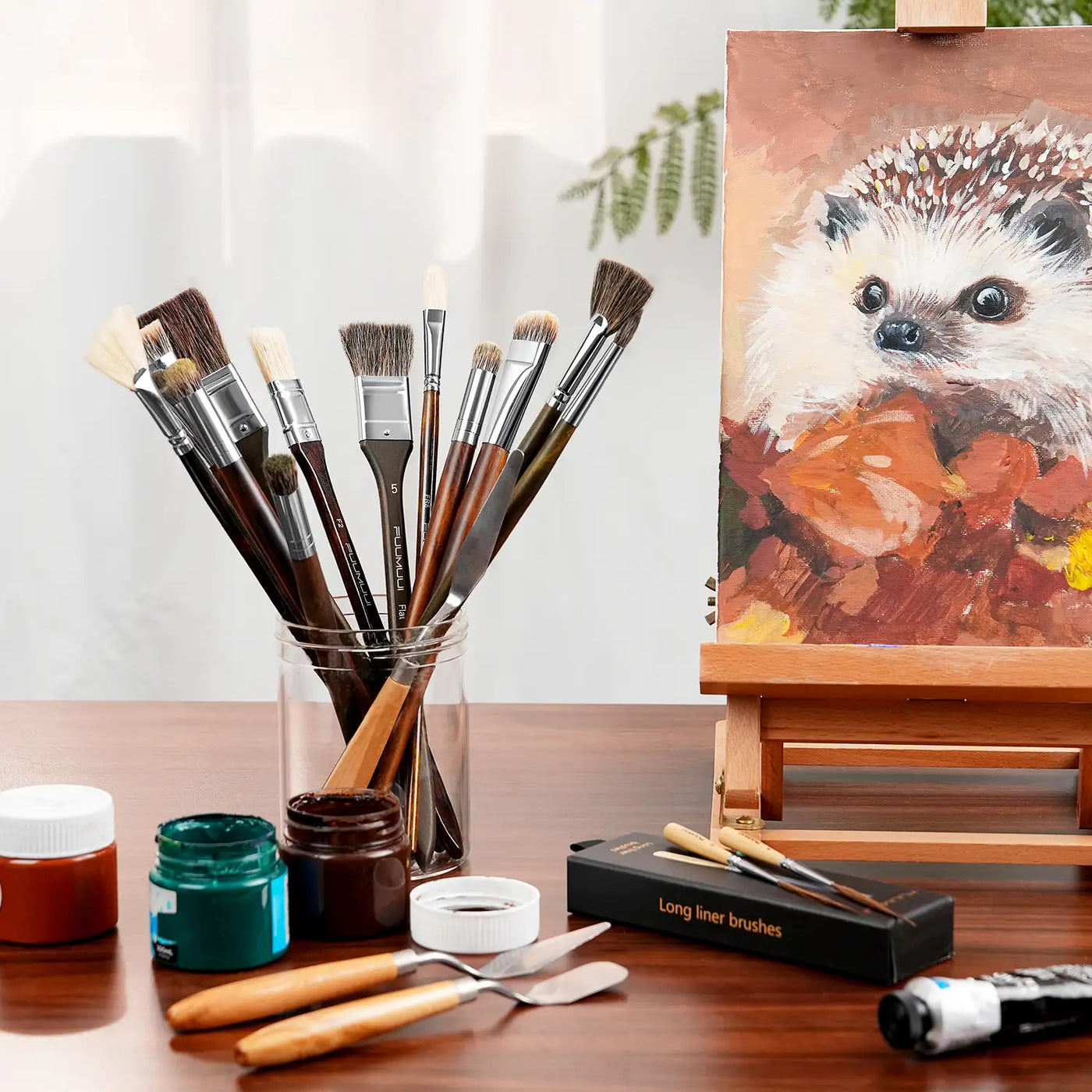
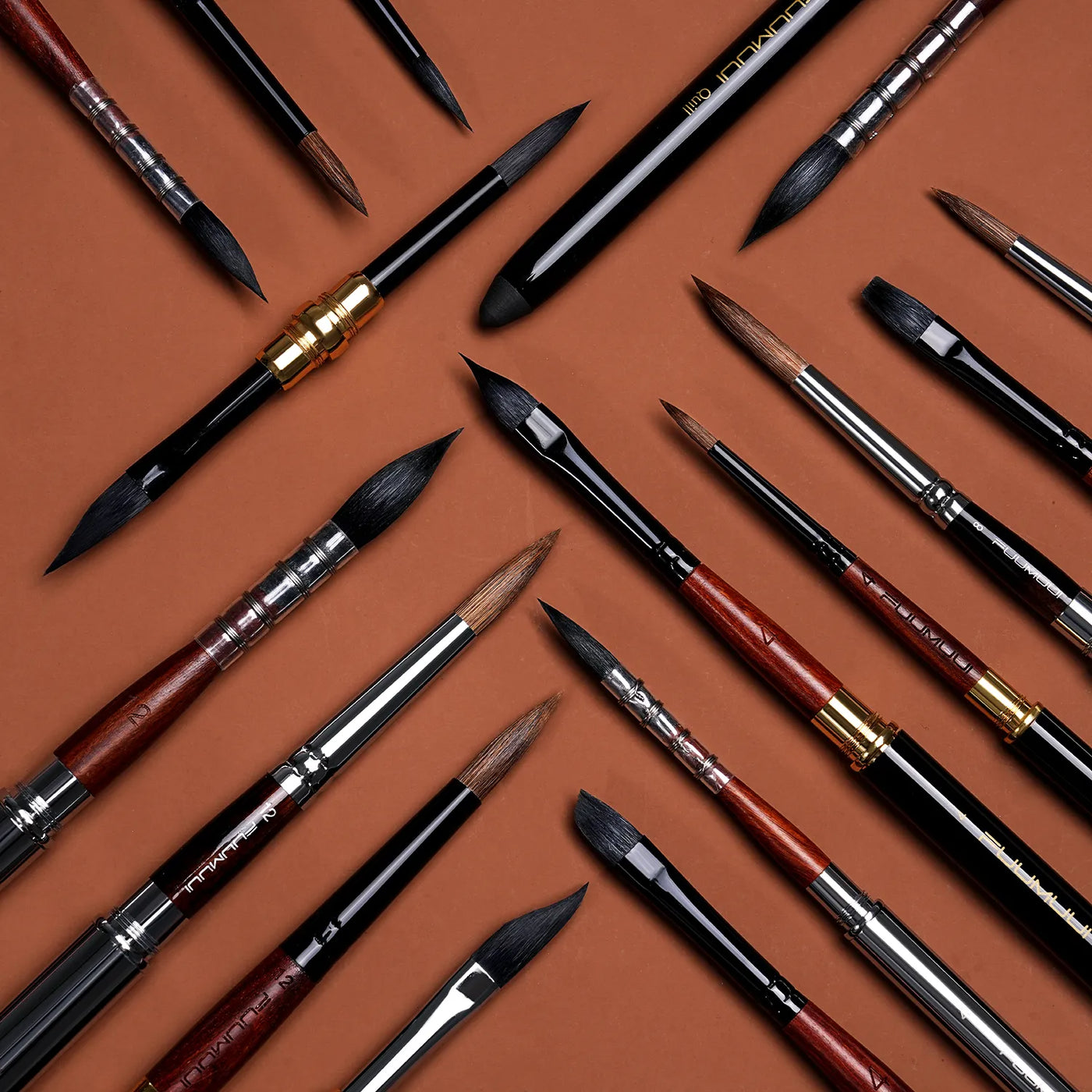
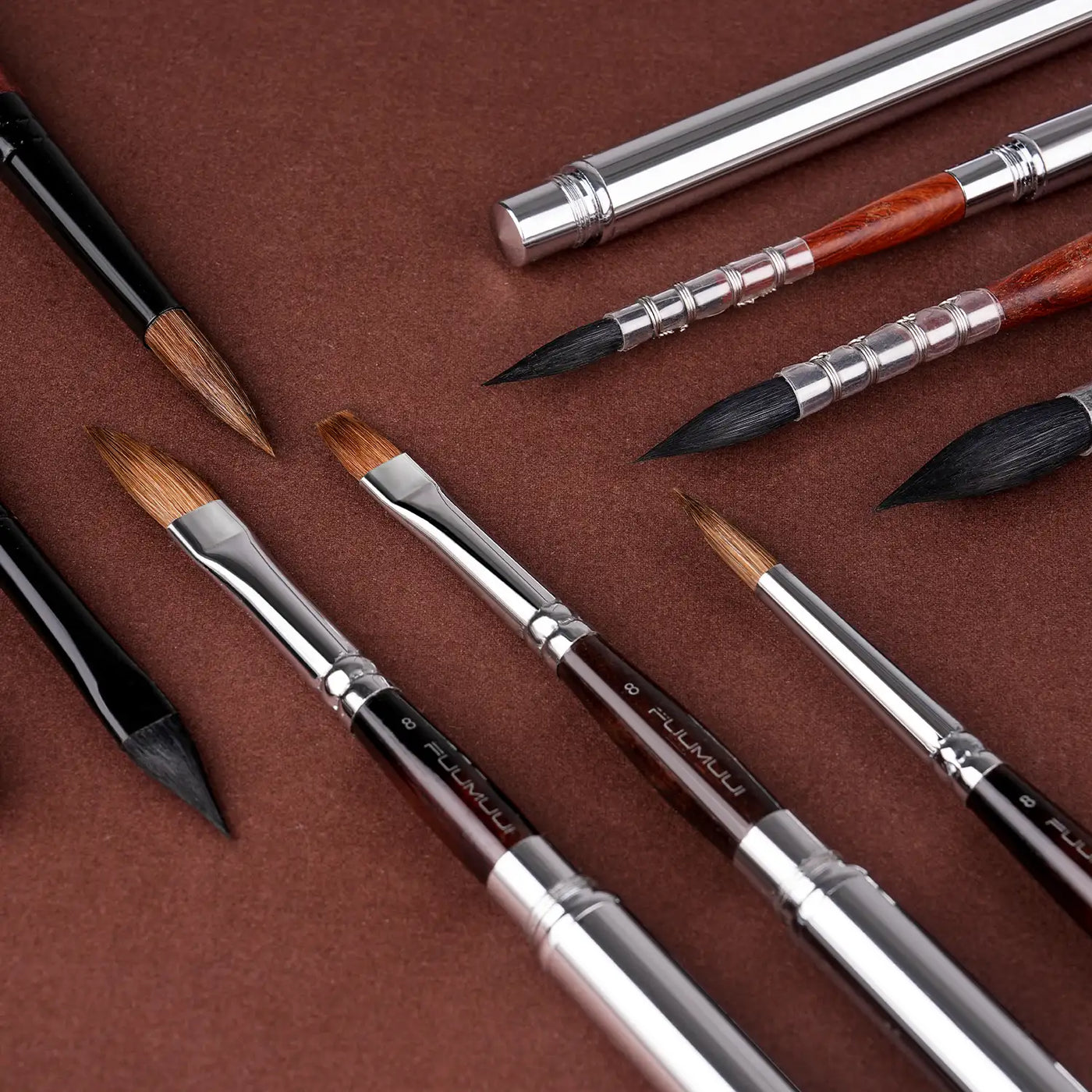
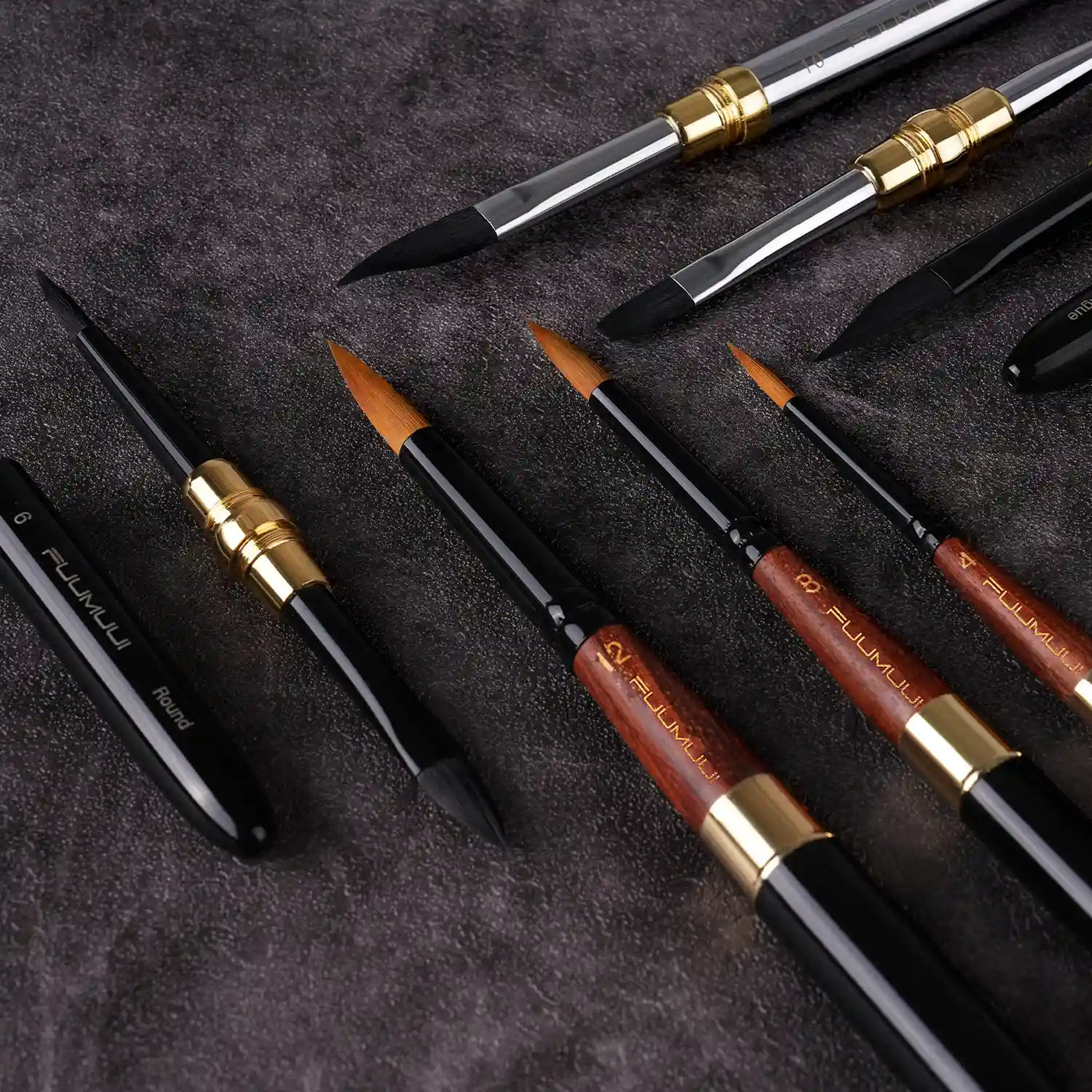
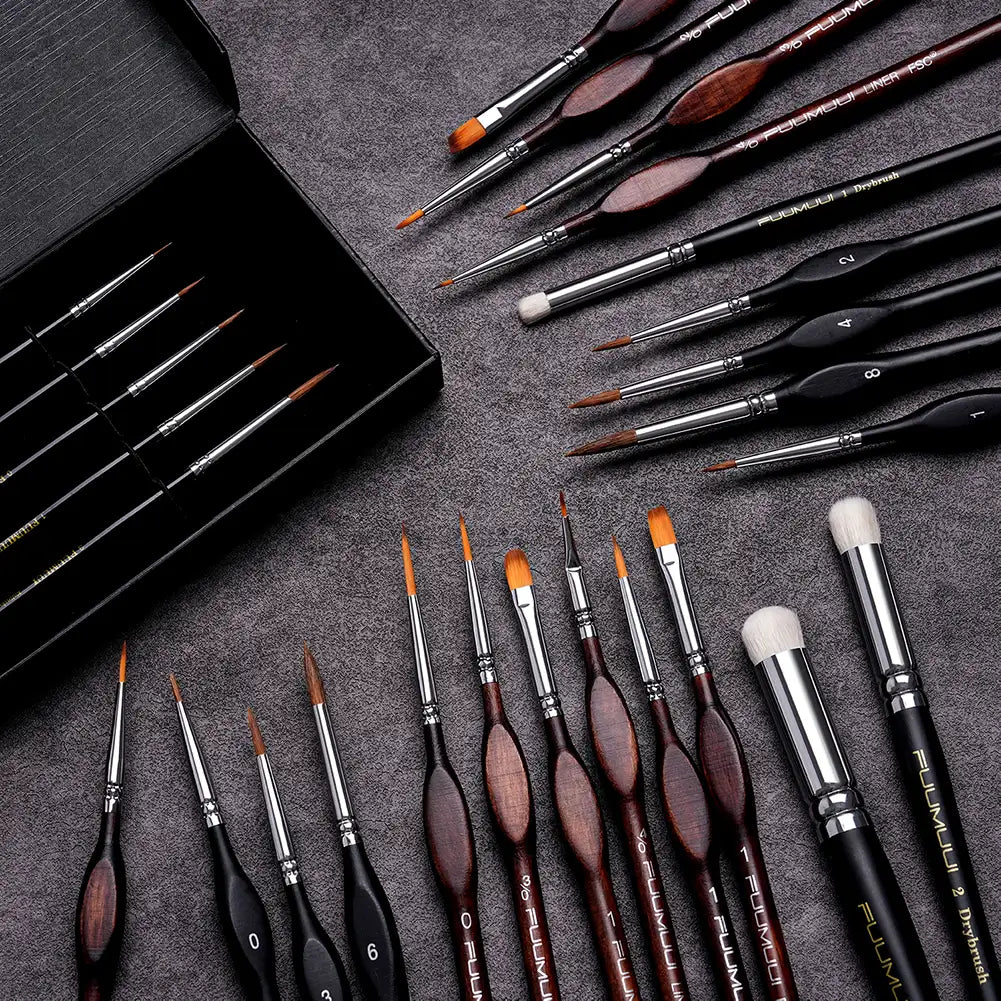
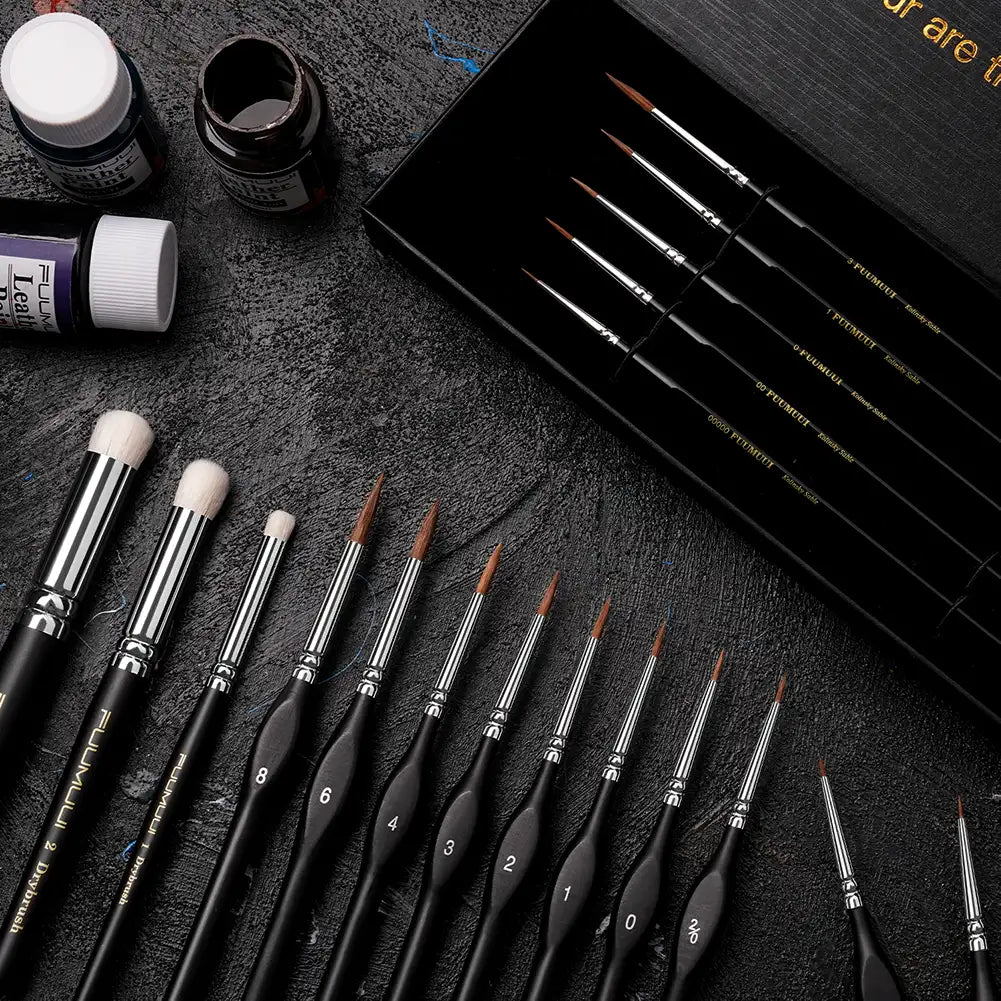
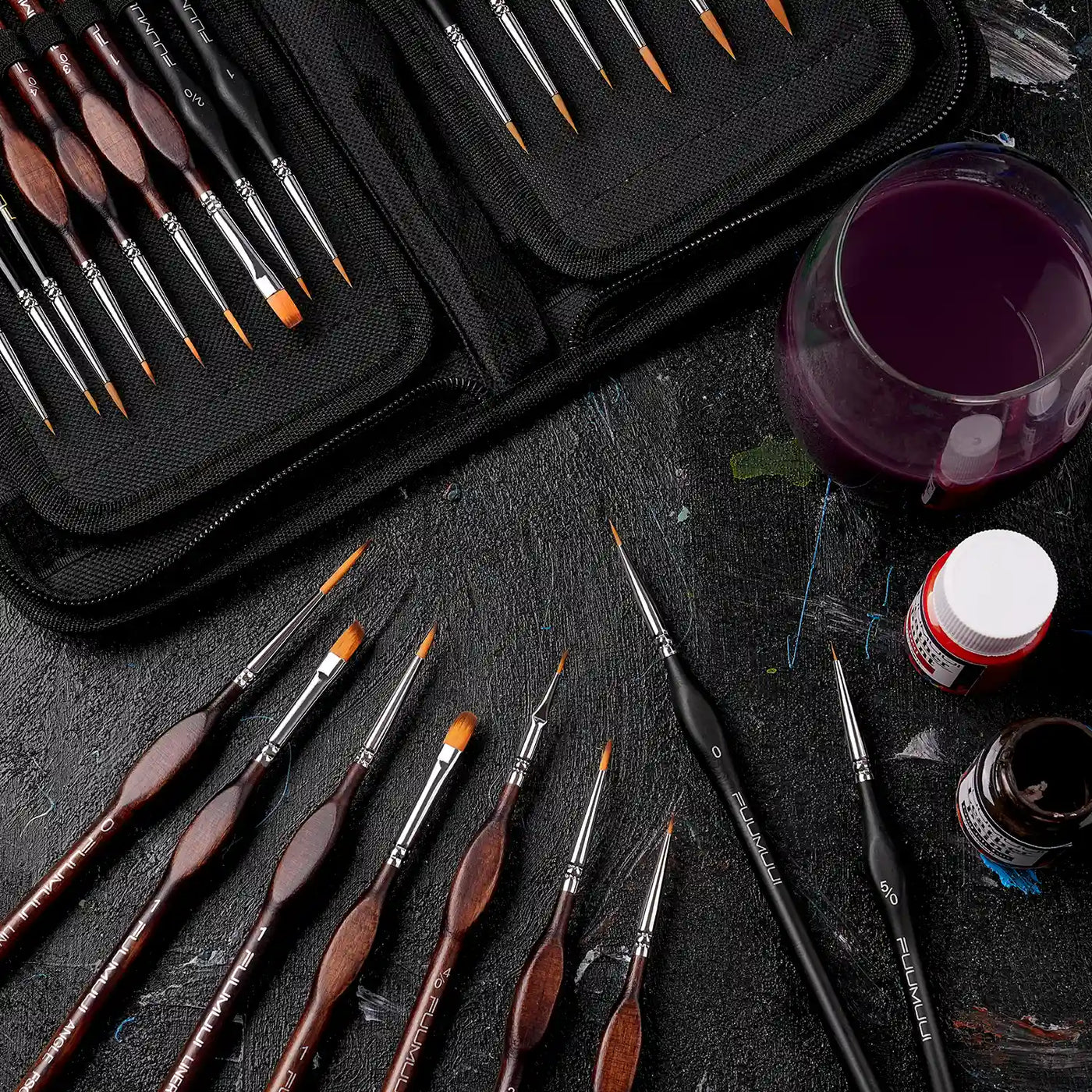
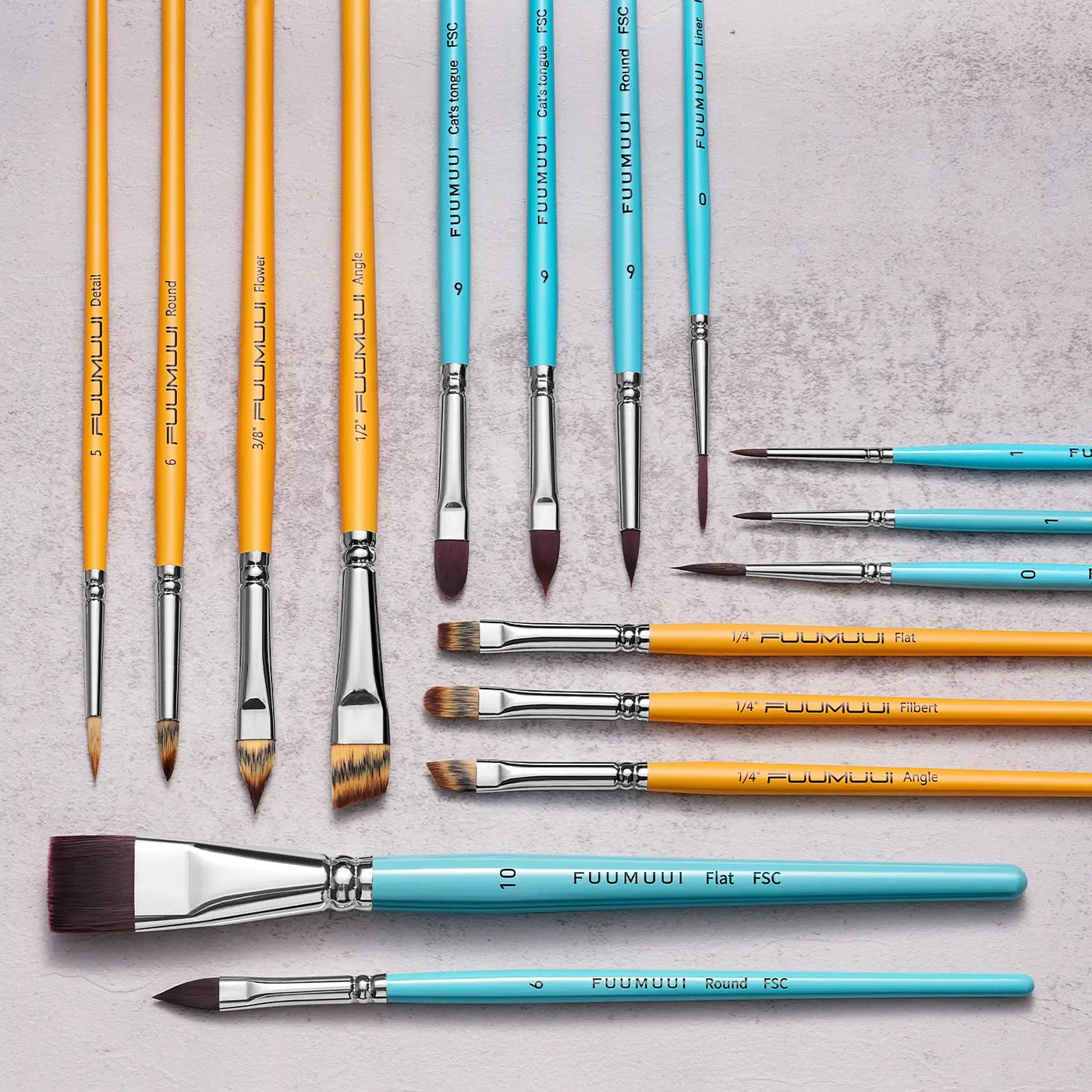
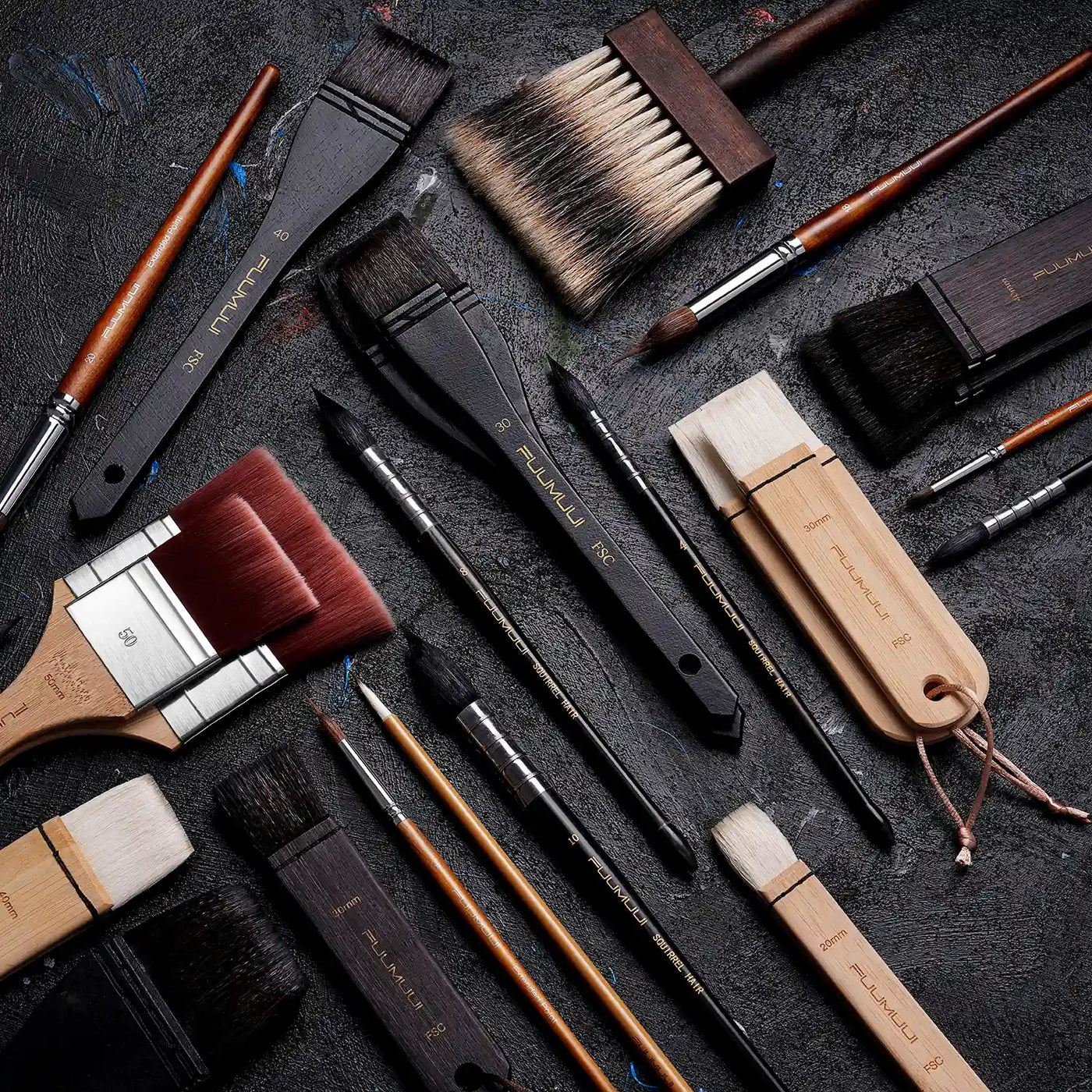
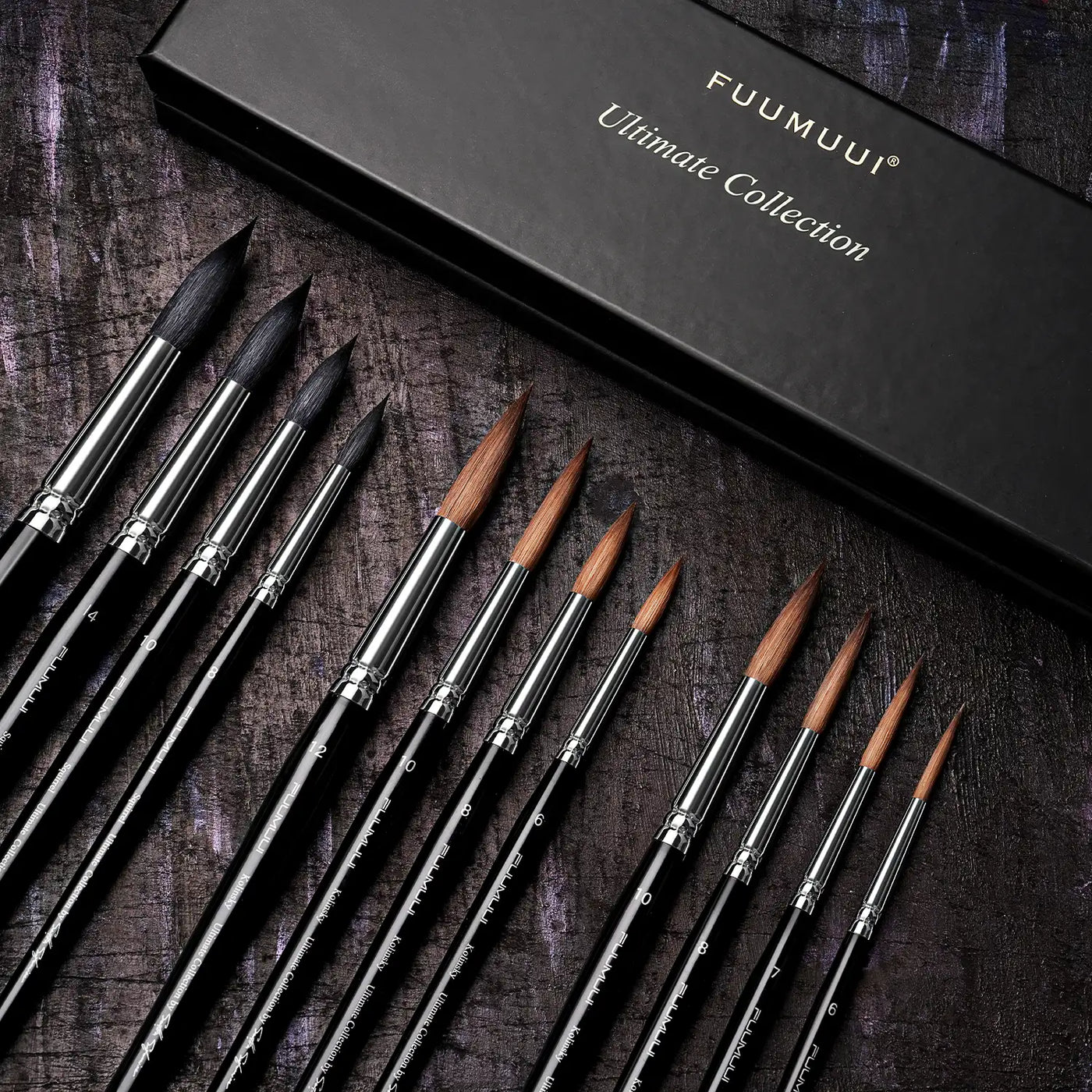
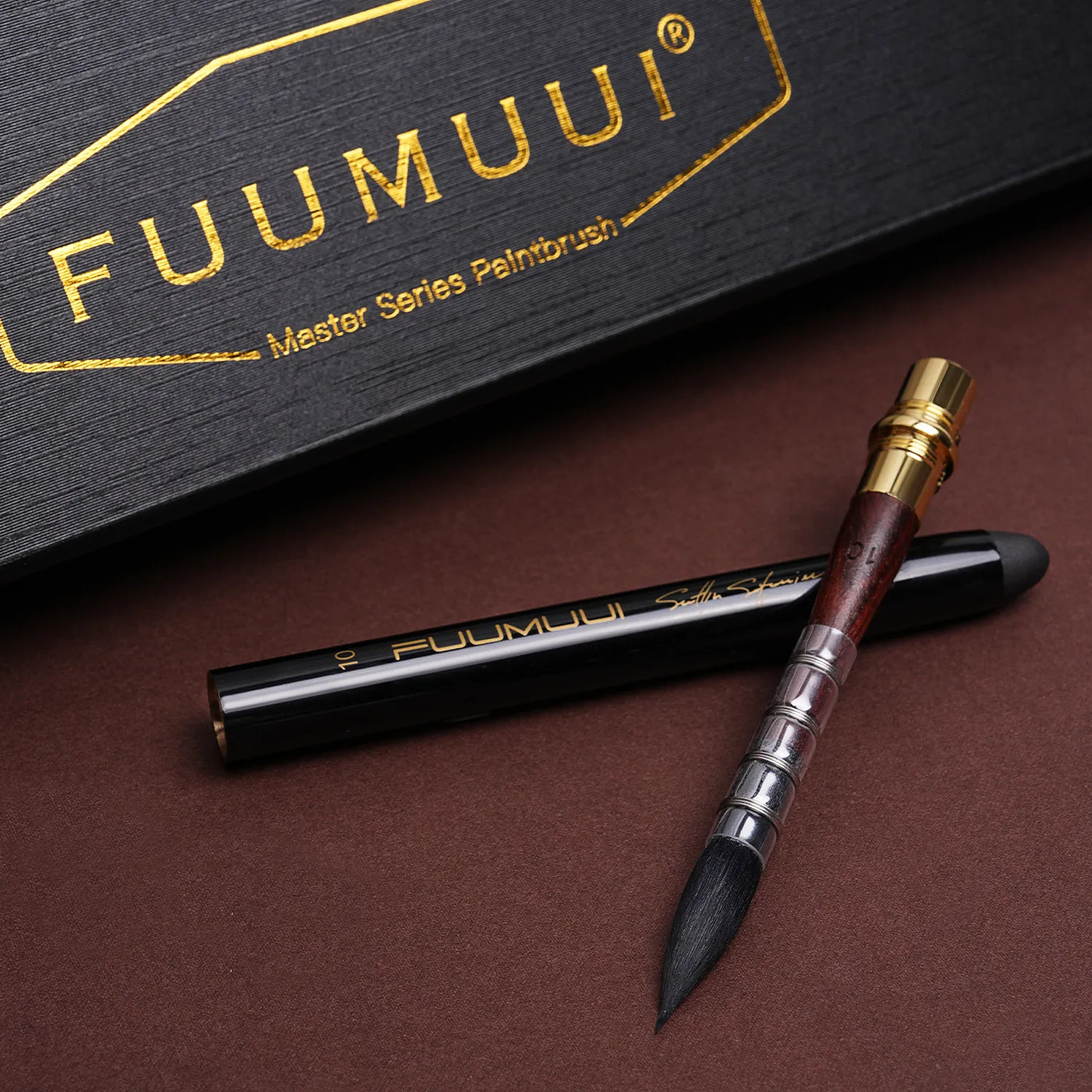
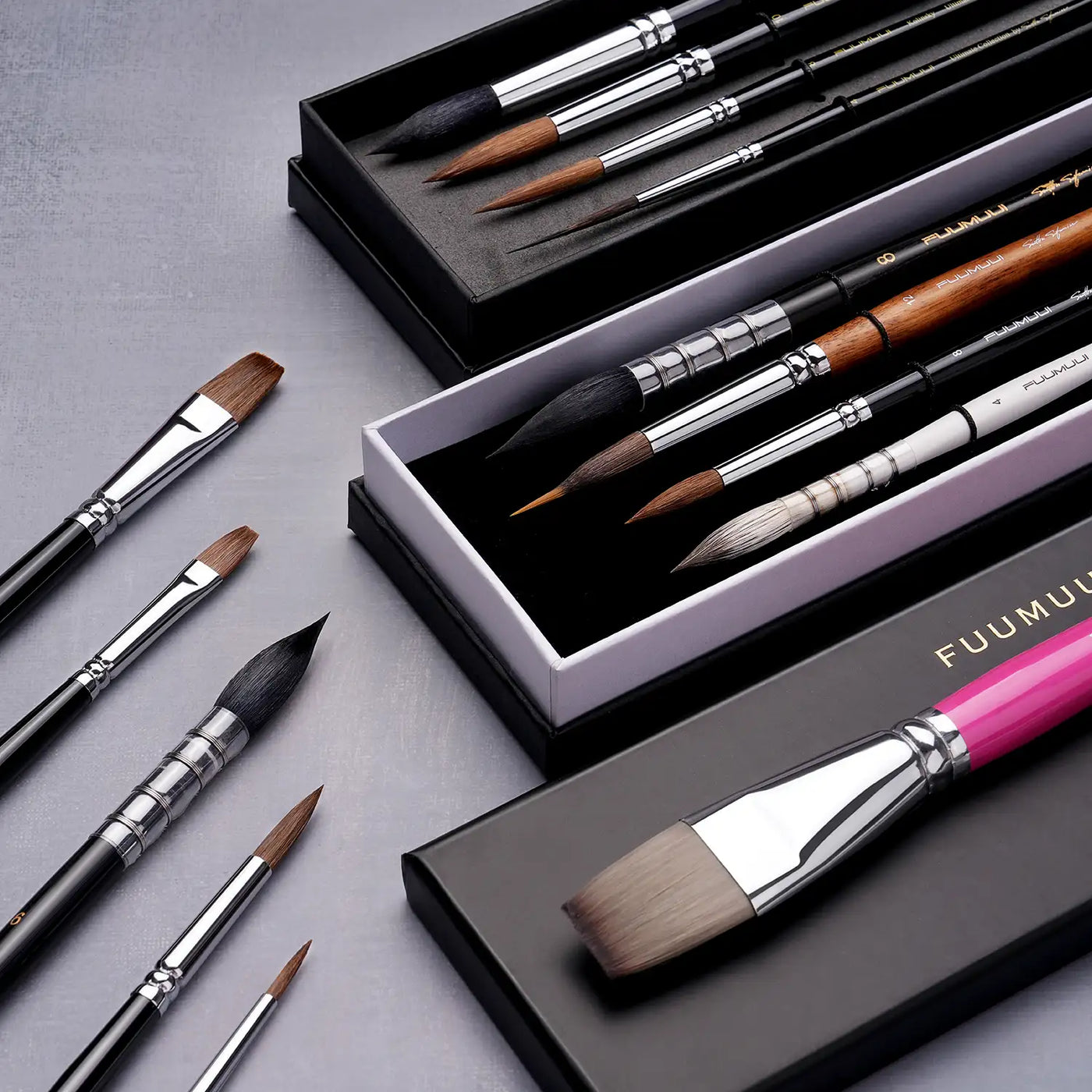
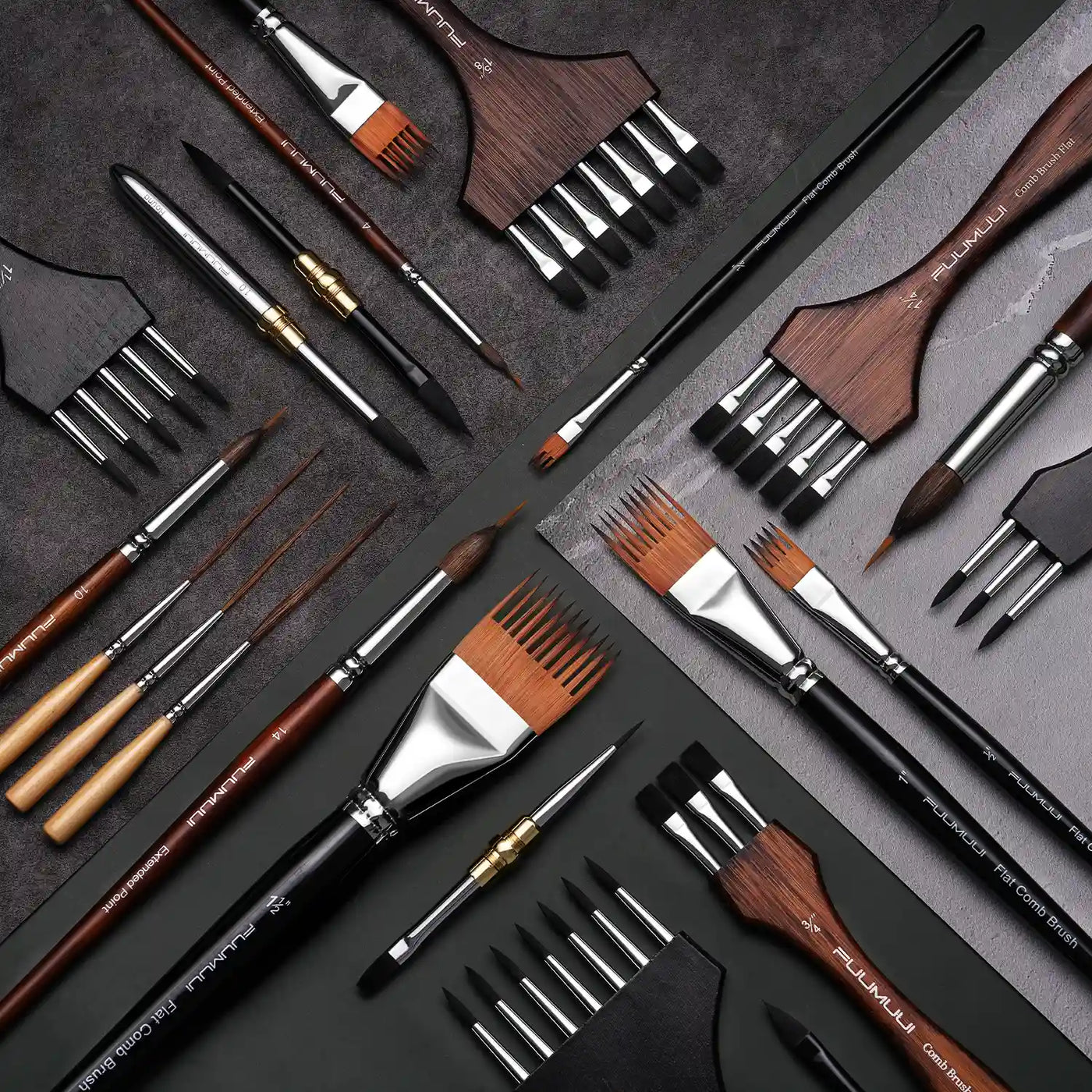
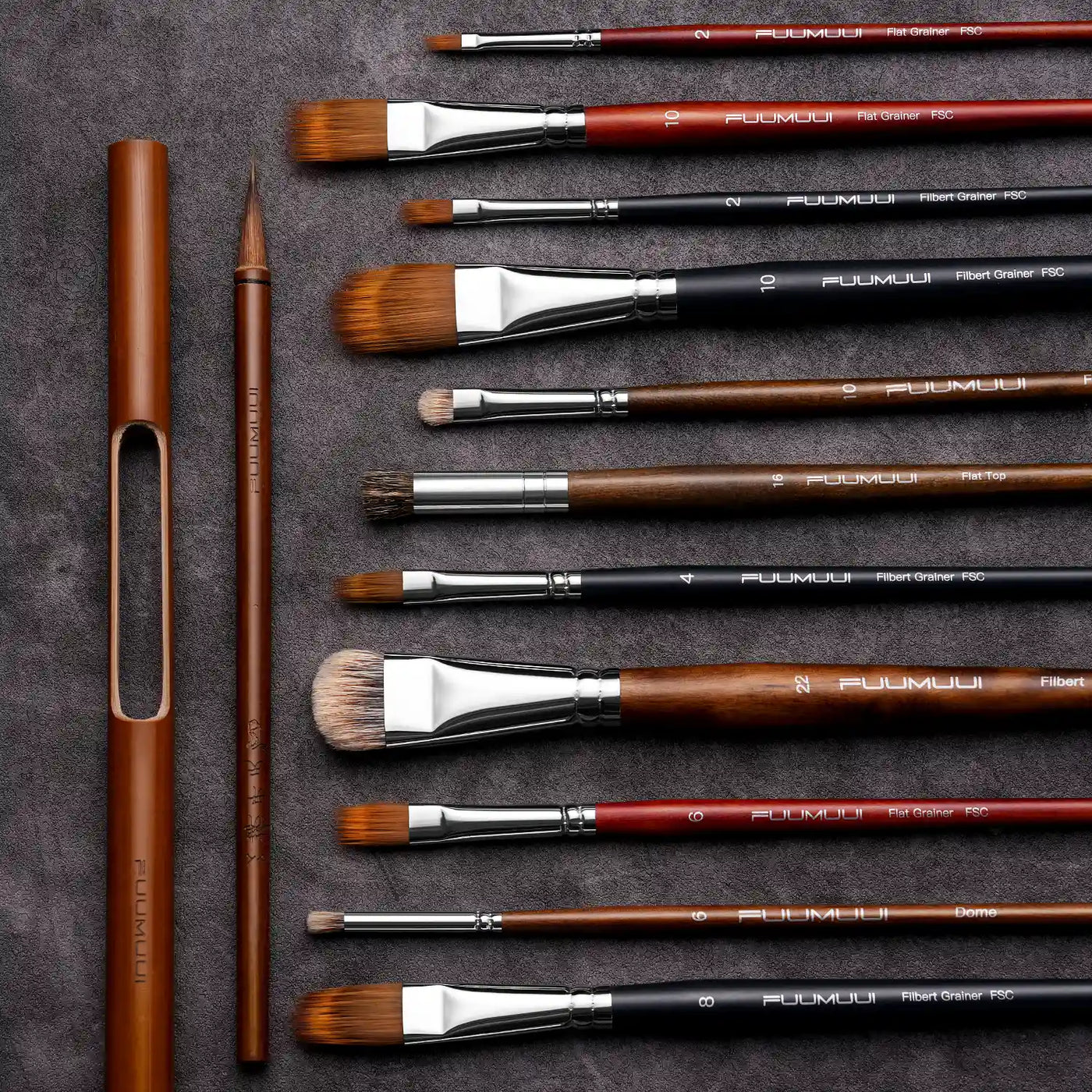
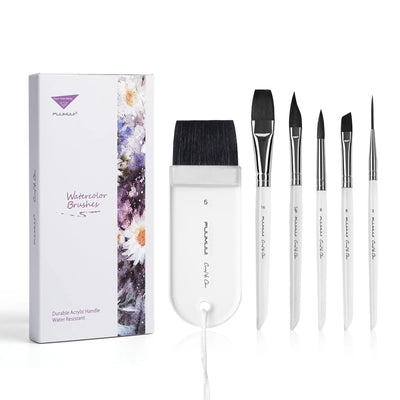
Brushes: Liner brush for delicate details and stems; pointed round brush for smooth washes and color blending.
-
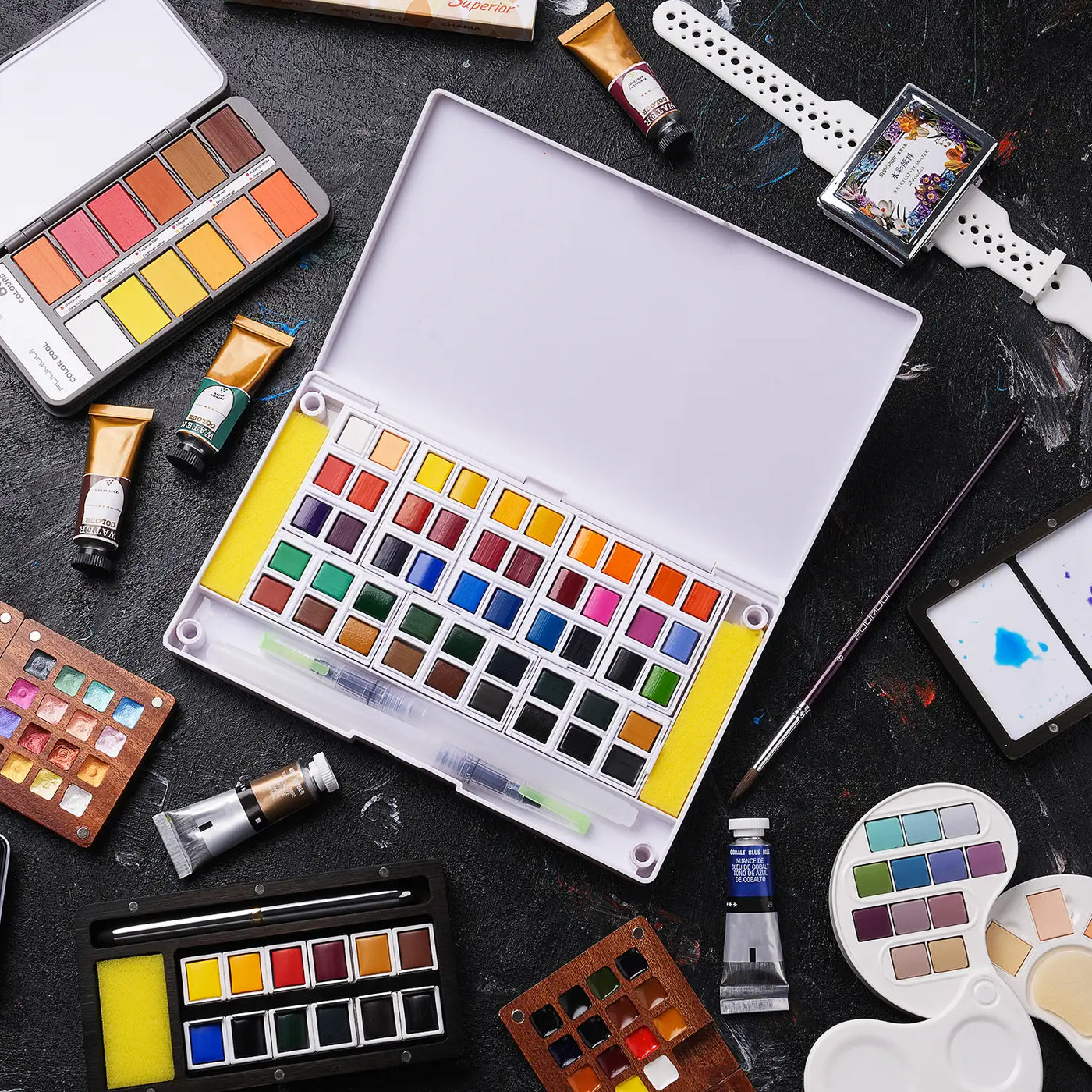
Watercolors: Magenta for the orchid, Ultramarine and Cobalt Turquoise for creating the vase and harmonious color layers.
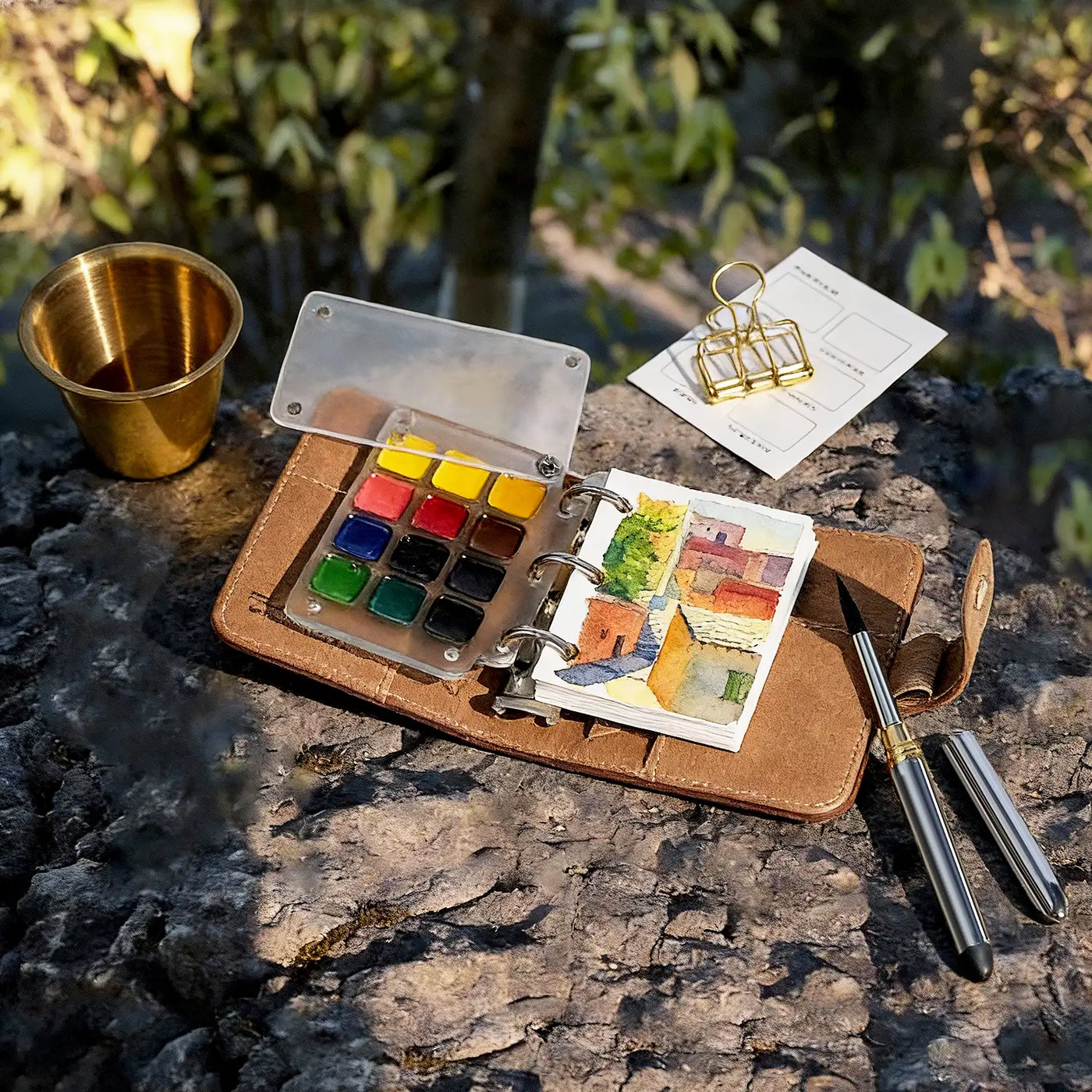
 Kreativ sein, wo immer Sie sind, mit einem Premium-Aquarellfarben-Set. Wir führen die besten professionellen Paletten und Mini-Reisesets. Hohe Pigmentierung trifft...

Step-by-Step Tutorial: Painting Your Colorful Flower Vase
Inspired by Bada Shanren’s flower vase compositions, we break down this flower vase watercolor painting into simple, guided steps. From the delicate orchid to the textured vase, each stage captures the beauty of expressive brushwork.
You can follow the detailed steps below or watch our tutorial video to see the painting process in action.
Step 1: Sketching the Orchid and Stems

Begin by painting the orchid flowers and stems using a fine-tip brush with Magenta watercolor.
Rather than drawing every detail, focus on the movement and rhythm of the plant. In Chinese freehand painting, the gesture of a line is often more important than perfect accuracy.
Leave enough negative space around the orchid to create a calm and balanced composition.
Step 2: Outlining the Vase

Next, draw the outline of the vase directly beneath the orchid.
Create a narrower opening and a wider base to suggest a traditional handmade porcelain form. Avoid perfect symmetry — small imperfections help bring a natural and artistic feeling to the shape.
Keep the outline simple, following the minimalist spirit of Bada Shanren’s artwork.
Step 3: Base Wash for the Vase

Apply the first layer of watercolor to build the vase’s foundation.
Using a medium brush, create a loose wash of Ultramarine Blue across the vase body. Leave small areas of white paper untouched to create natural highlights and a soft porcelain appearance.
Building the color through transparent layers helps create depth while preserving the delicate quality of watercolor.
Step 4: Creating Depth and Texture

While the base wash is still slightly damp, introduce Turquoise Cobalt Blue using a wet-on-wet technique.
Allow the pigments to flow and blend naturally on the paper. The soft transitions between cool tones add depth while capturing the quiet elegance of aged glazed ceramic.
Step 5: Adding Porcelain Details

Once the vase is dry, add delicate crackle lines inspired by traditional ceramic textures.
Use a fine-tip liner brush to create controlled details. These subtle marks enhance the character of the vase without overwhelming the simple composition.
In Chinese watercolor painting, restraint is often more powerful than excessive decoration.
Step 6: Refining the Composition

At this stage, observe the relationship between the warm orchid and cool vase. Add a subtle touch of green near the bottleneck to gently connect these two elements.
Strengthen important lines, balance the contrast, and soften harsh edges with a clean damp brush. Step back occasionally to make sure every element works together in harmony.
Step 7: Adding Your Personal Seal

The final step is adding your signature and personalized seal.
Traditional Chinese paintings often include an artist’s seal as part of the artwork itself. Choose a quiet corner of your fan-shaped watercolor paper and add a small red seal inspired by traditional Chinese artist stamps.
This final detail completes the painting while transforming your creation into a personal, finished piece of art.
FAQ About Chinese Watercolor Painting
Q1: Is This Flower Vase Watercolor Tutorial Suitable for Beginners?
A: Yes. This flower vase watercolor tutorial is suitable for beginners who want to explore Chinese-inspired watercolor painting. The focus is on expressive brushwork, color balance, and composition rather than perfect details.
Q2: Can I Use Regular Watercolor Paper Instead of Fan-Shaped Paper?
A: Yes. While fan-shaped watercolor paper adds a traditional touch to the artwork, regular watercolor paper can also be used. Focus on maintaining balanced composition and enough negative space around the vase and orchid.
Q3: What Should I Do If My Colors Become Too Muddy?
A: Avoid mixing too many colors at once and build your painting with transparent layers. Allow each wash to dry before adding more details to keep the colors fresh and clear.
Q4: How Can I Make My Vase Look More Dimensional?
A: Use layered watercolor washes to build depth, leave small areas of white paper for highlights, and add darker details selectively. The contrast between soft colors and controlled lines will help create a more realistic porcelain effect.
Your Creative Journey Continues
We hope this lesson encourages you to discover new possibilities in Chinese-inspired watercolor painting. Whether you follow Coral Ye Chen’s steps or create your own interpretation, every brushstroke is a chance to express your personal story.
Share your finished artwork with us by tagging @FUUMUUI, and explore more watercolor inspiration through our Instagram and YouTube.


