
Table of Contents
Key Takeaways
Verdict: Traditional Chinese watercolor (Xieyi) focuses on capturing spirit rather than realism. Through expressive strokes, thoughtful negative space, and mindful brushwork, a simple fan-shaped paper can become a meaningful artwork.
- Artistic Inspiration: Explore the minimalist style of Bada Shanren (Zhu Da), where emotion is expressed through symbolic subjects like the signature "upward-looking" bird and intentional negative space.
- Core Techniques: Master essential watercolor methods, including press-and-lift brushwork for organic volume and dry brush (Feibai) for expressive, weathered rock textures.
- Main Supplies: Fan-shaped watercolor paper, versatile round watercolor brushes, dark watercolor pigment, and cool blue accents.
A few simple brushstrokes can tell a story. In this lesson of When East Meets West in Watercolor, Fuumuui and watercolor artist Coral Ye Chen explore the beauty of Chinese-inspired watercolor painting through expressive birds and rocks.
Inspired by the works of Bada Shanren (Zhu Da), this lesson combines traditional Chinese painting ideas with modern watercolor techniques, showing how emotion can be captured through simple forms, brush control, and thoughtful composition.
The Inspiration Behind the Chinese Watercolor Painting
Bada Shanren’s Artistic Style
Bada Shanren (Zhu Da), a renowned artist from the late Ming and early Qing period, is celebrated for his minimalist style and emotional expression. After the fall of the Ming dynasty, he used painting to convey feelings that could not be expressed through words.
His paintings often feature birds and fish with distinctive upward-looking eyes, creating a unique sense of distance and quiet observation. Rather than simply depicting animals, his subjects carry symbolic meaning and reflect the artist’s inner emotions.
This artistic approach became the inspiration for this Chinese watercolor painting lesson. Instead of focusing on realistic details, the goal is to explore how simple brushstrokes can create atmosphere, personality, and emotion.
The Beauty of Minimalist Brushwork
One of the most important ideas in traditional Chinese painting is the power of simplicity. Artists use fewer elements to create a stronger visual impression through:
- Expressive brushstrokes: Simple lines and marks can convey movement, personality, and emotion.
- Limited color palettes: Subtle colors help highlight the mood and balance of the artwork.
- Negative space: The intentional use of empty areas allows the viewer’s imagination to complete the scene and creates a sense of harmony.
In this lesson, Coral Ye Chen demonstrates how a few carefully placed strokes can create meaningful images. The bird’s posture, the direction of its eyes, and the texture of the rock work together to tell a quiet yet powerful visual story.
The Toolkit: Preparing for Your Watercolor Painting
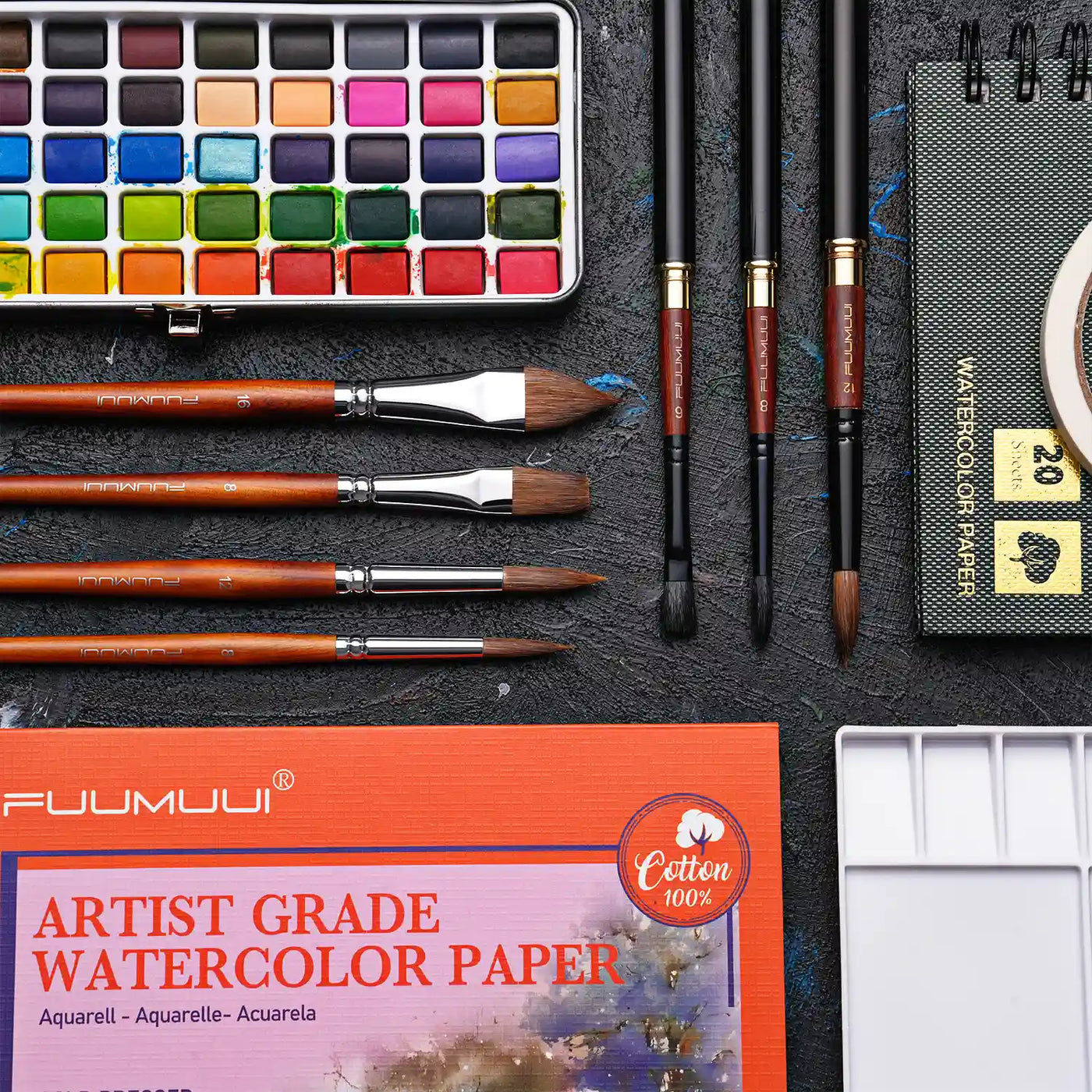
Before we begin, let’s prepare the materials for this Chinese-inspired watercolor painting.
- Fan-Shaped Watercolor Paper: Inspired by traditional Chinese round fans, this unique paper shape adds a traditional touch while creating new possibilities for composition and negative space.
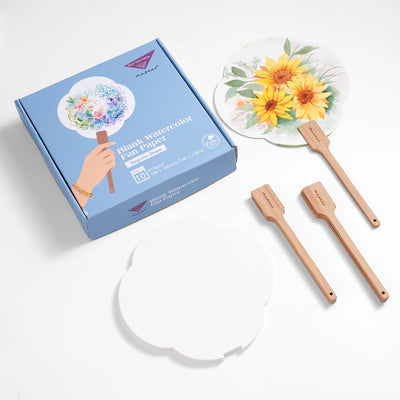
Once finished, the painting can be turned into a decorative fan, making it both an artwork and a meaningful handmade gift.
Step-by-Step Tutorial: Painting the Bird
Inspired by Bada Shanren’s bird-and-rock compositions, we break down this fan-shaped artwork into two parts. First, we bring the solitary bird to life—focusing on its distinctive expression and feather textures.
You can follow the detailed steps below or watch our tutorial video to see the painting process in action.
Step 1: Capturing the Bird’s Expression

Start with the defining feature of Bada Shanren’s bird paintings: the expressive eye. Load the fine tip of your brush with dark pigment. Carefully place a small dot for the pupil toward the top of the eye, then add a light, clean circular outline.
Artist Tip: Placing the pupil high within the eye circle immediately recreates Bada Shanren’s signature "upward gaze," giving your bird an aloof, introspective character before you even paint the body.
Step 2: Building the Base with Controlled Brushwork

To shape the bird’s body, use the press-and-lift technique to create soft and natural forms.
Load your round brush with a light color wash, then gently press the belly of the brush onto the paper to create the body shape. Slowly lift the brush as you move downward to form a lighter, tapered tail.
This simple movement allows the watercolor to flow naturally while maintaining transparency and softness.
Step 3: Adding Details with Minimal Strokes

While the base layer is still damp, add a higher concentration of dark pigment to the wing tips and tail ends. Let the color blend naturally into the wet paper to create soft, feather-like gradients.
Finish with a few swift strokes for the beak and slender legs. In Xieyi painting, knowing when to stop is just as important as knowing where to paint.
Step-by-Step Tutorial: Painting Rocks with Dry Brush Technique
Now that our bird is resting on the fan paper, we will ground the composition by rendering the weathered rock using classic dry-brush methods.
Step 1: Creating Texture with Dry Brush

To capture the rough, aged surface of stone, master the dry brush technique (known as Feibai or "flying white" in Chinese painting). Dip your brush in pigment, then gently dab it onto a paper towel to remove excess moisture.
Sweep the side of the brush quickly across the paper. The dry bristles will skim the textured surface, leaving natural white gaps that perfectly mimic weathered stone grain.
Artist Tip: Avoid repainting over dry-brush areas. The beauty of this technique comes from spontaneous, unrepeatable textures.
Step 2: Building the Rock Form with Bold Strokes

Block out the main structure of the rock using swift, decisive movements. Shape the stone with angular, confident strokes rather than slow, careful painting.
Step 3: Adding Color Layers and Contrast

Once the main forms are complete, add a touch of cool blue to the bird’s body to create a subtle glow and add more depth to the colors.
Finally, use strong black pigment to define the darker areas of the rock, strengthening its structure and creating a balanced contrast between the bird and the stone.
Artist Tip: If you don’t have a Chinese name, you can write your English name and circle it to create your own personal seal. This simple detail adds a traditional touch while making the artwork uniquely yours.
Chinese Watercolor Painting FAQs
Q1: Is Chinese watercolor painting suitable for beginners?
A: Yes. Chinese-inspired watercolor art is beginner-friendly because it focuses on expressive brushwork, water control, and composition rather than complex details. Simple strokes can create artwork with personality and emotion.
Q2: What makes Bada Shanren’s painting style unique?
A: Bada Shanren’s style is known for minimalist brushwork, expressive subjects, and the use of empty space. His birds and rocks often convey emotion through simple forms and distinctive details like upward-looking eyes.
Q3: What brushes are used for Chinese watercolor painting?
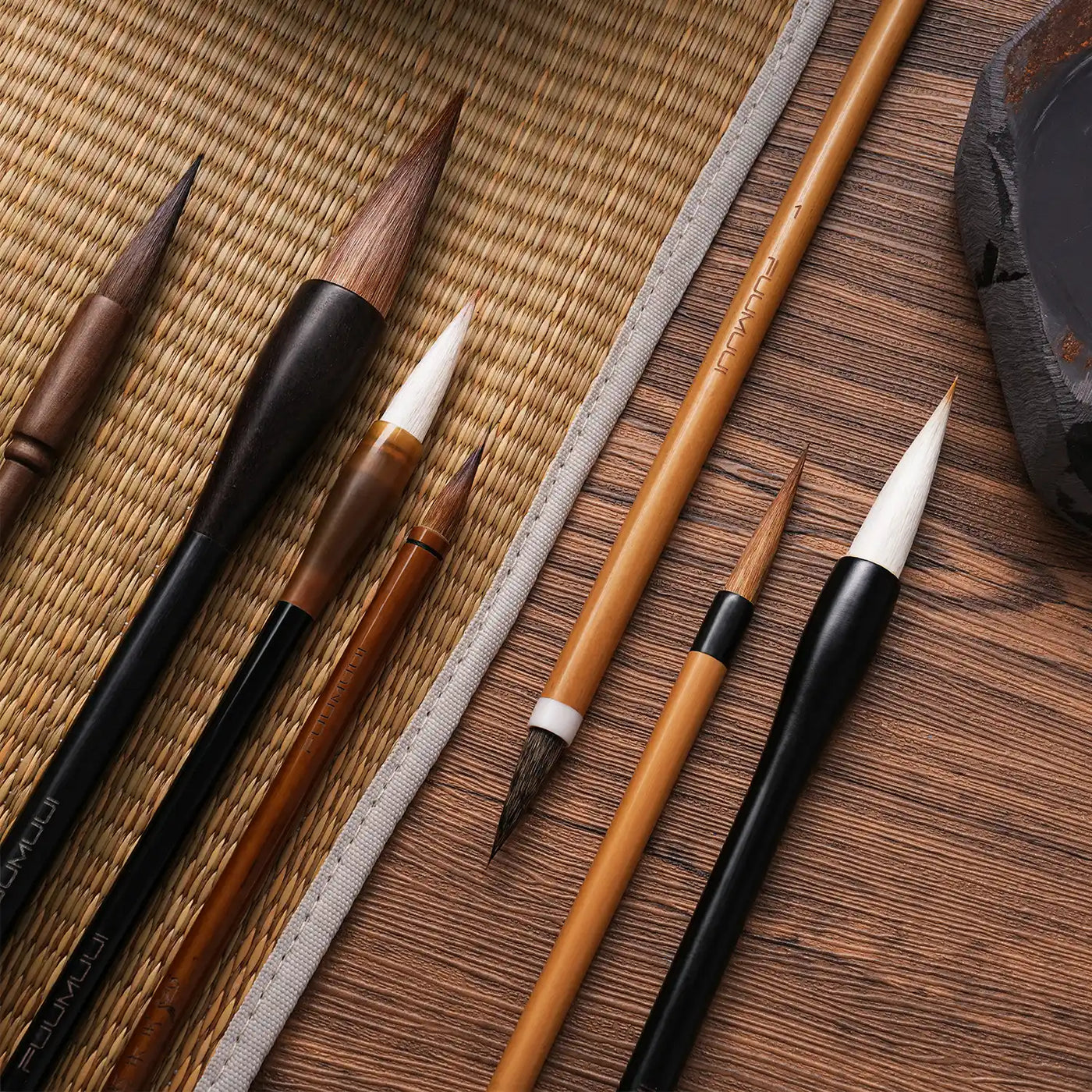
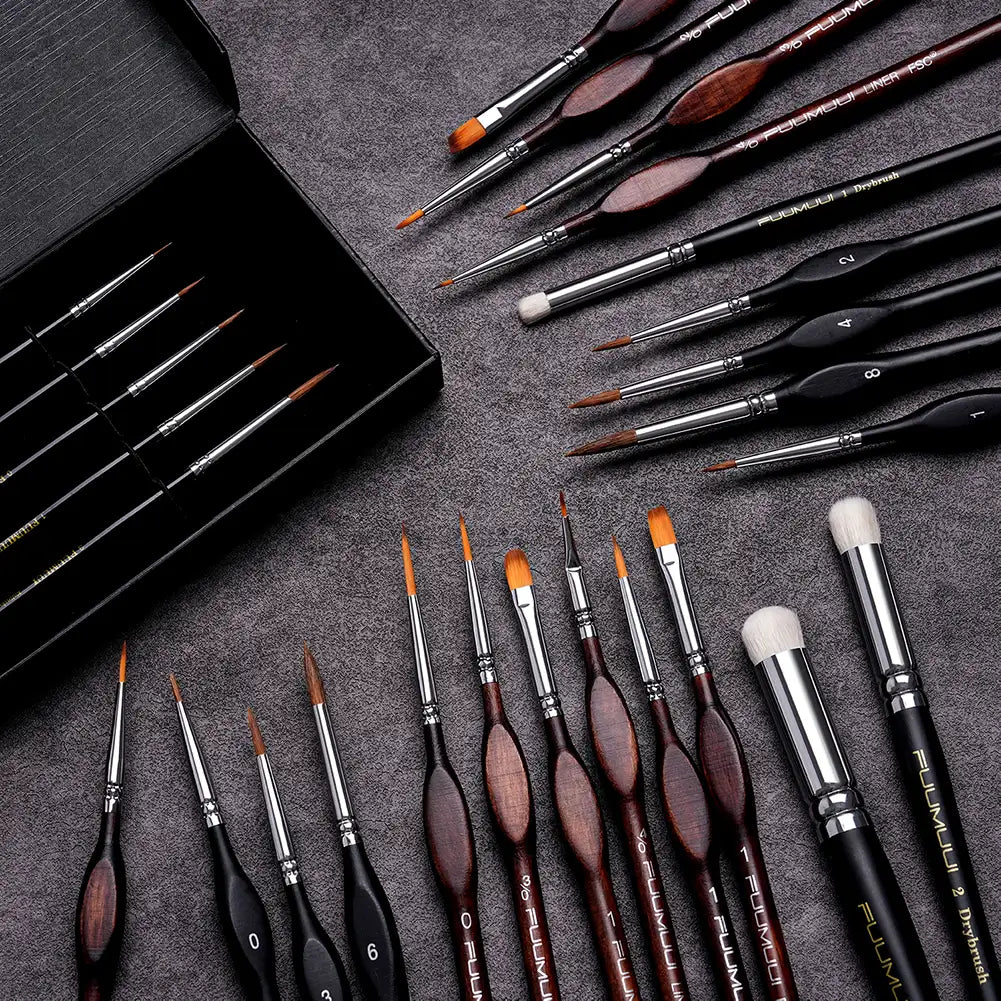
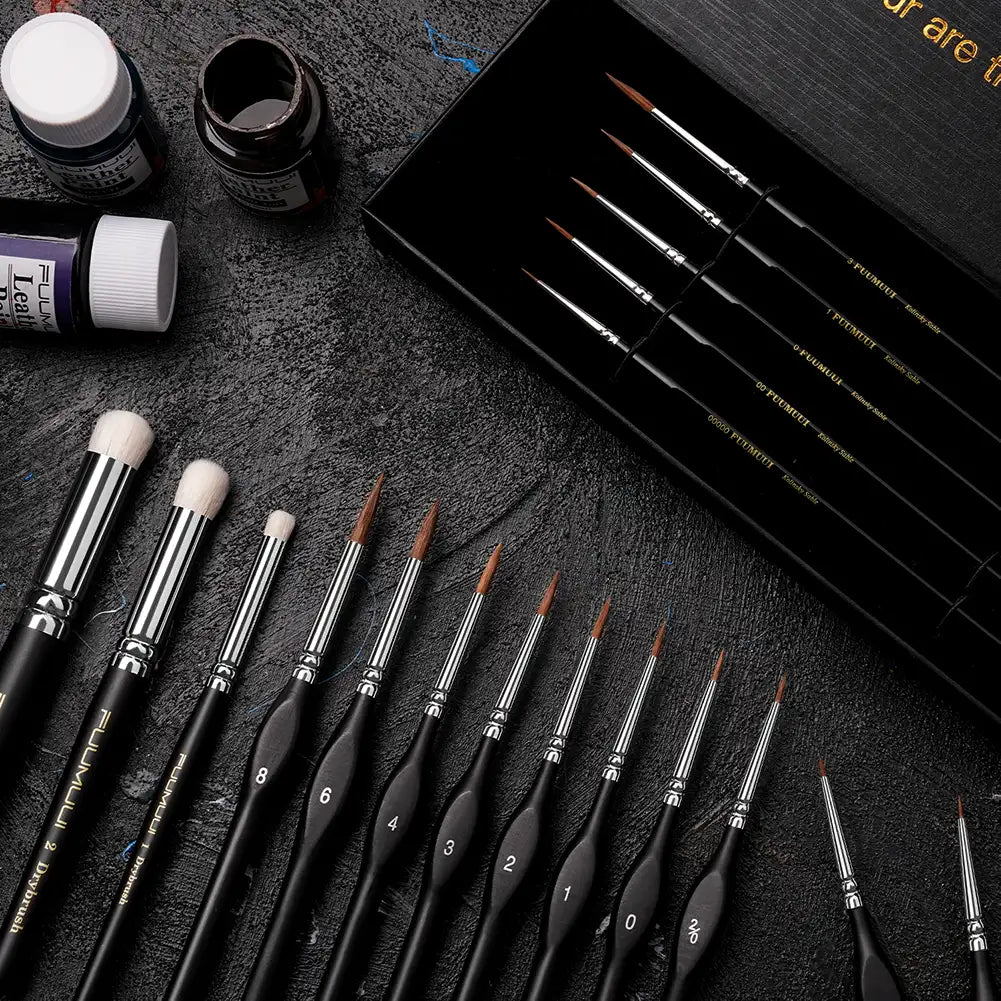
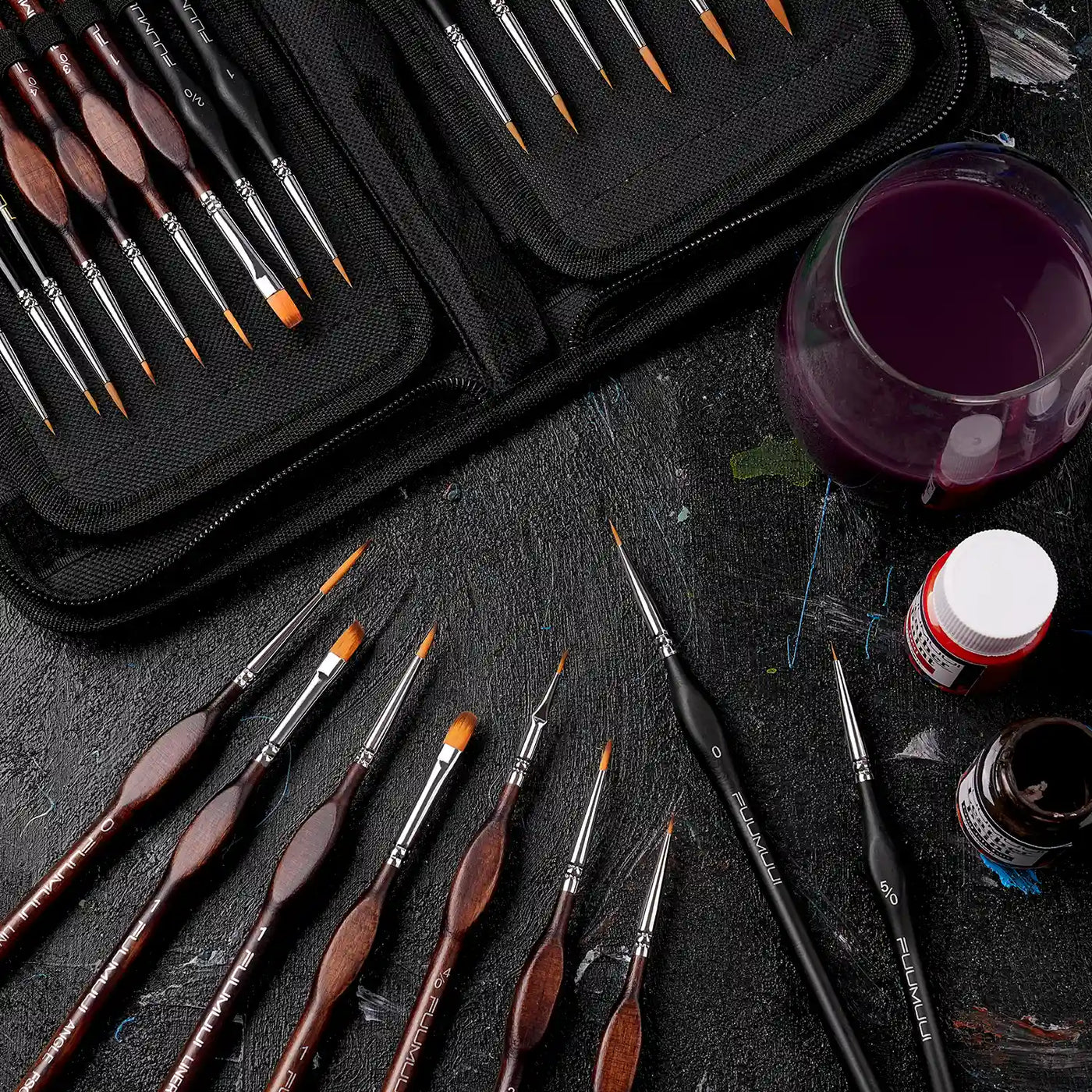
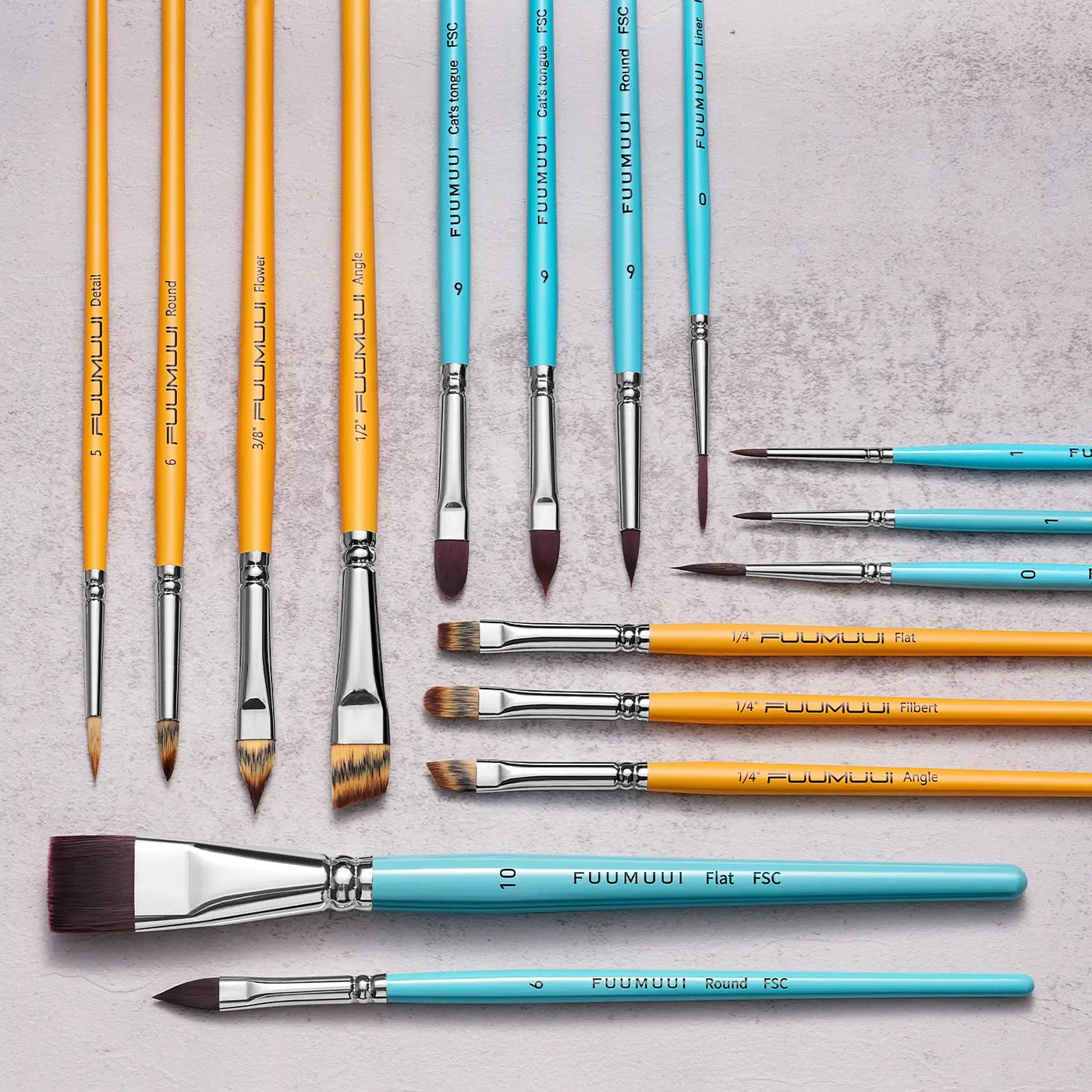
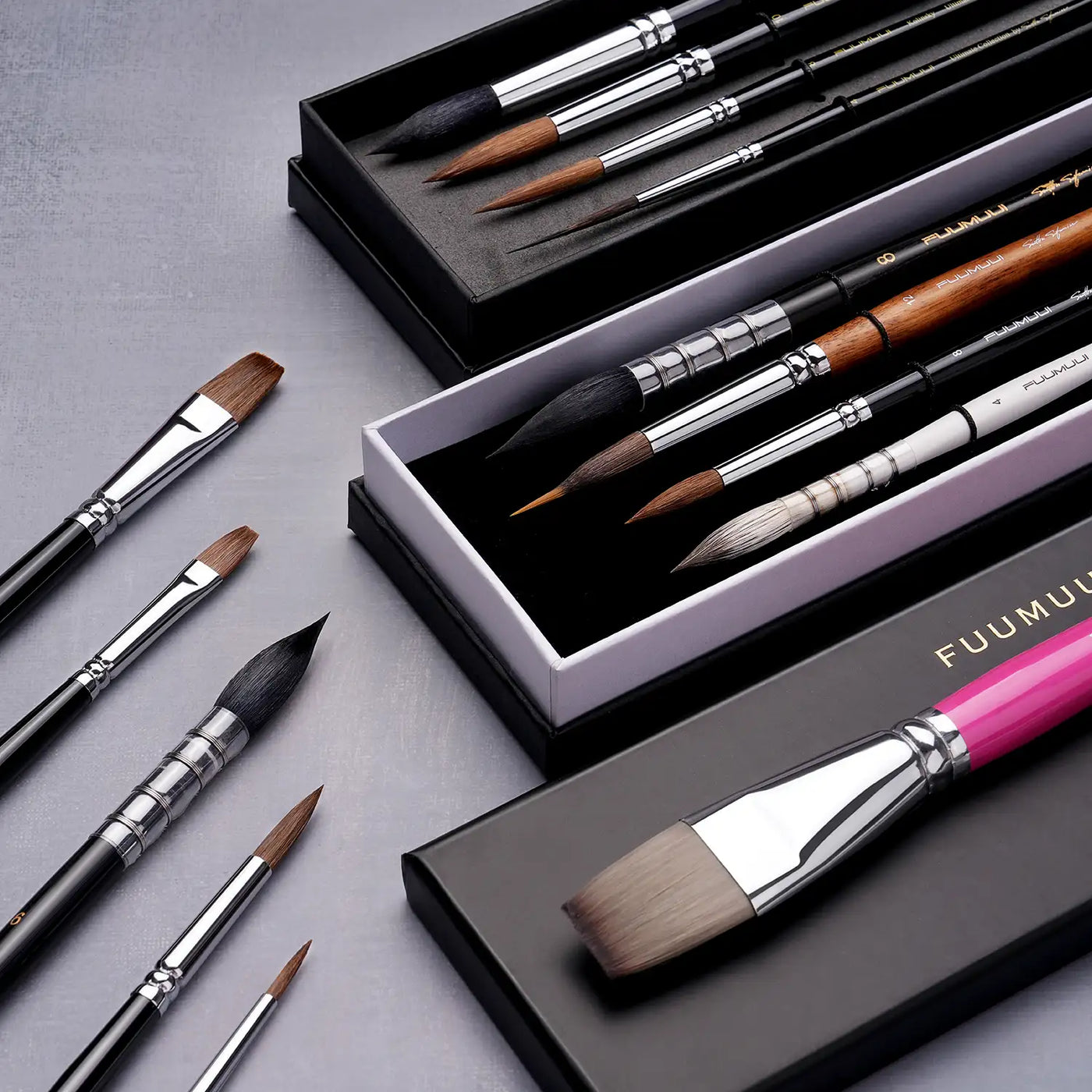
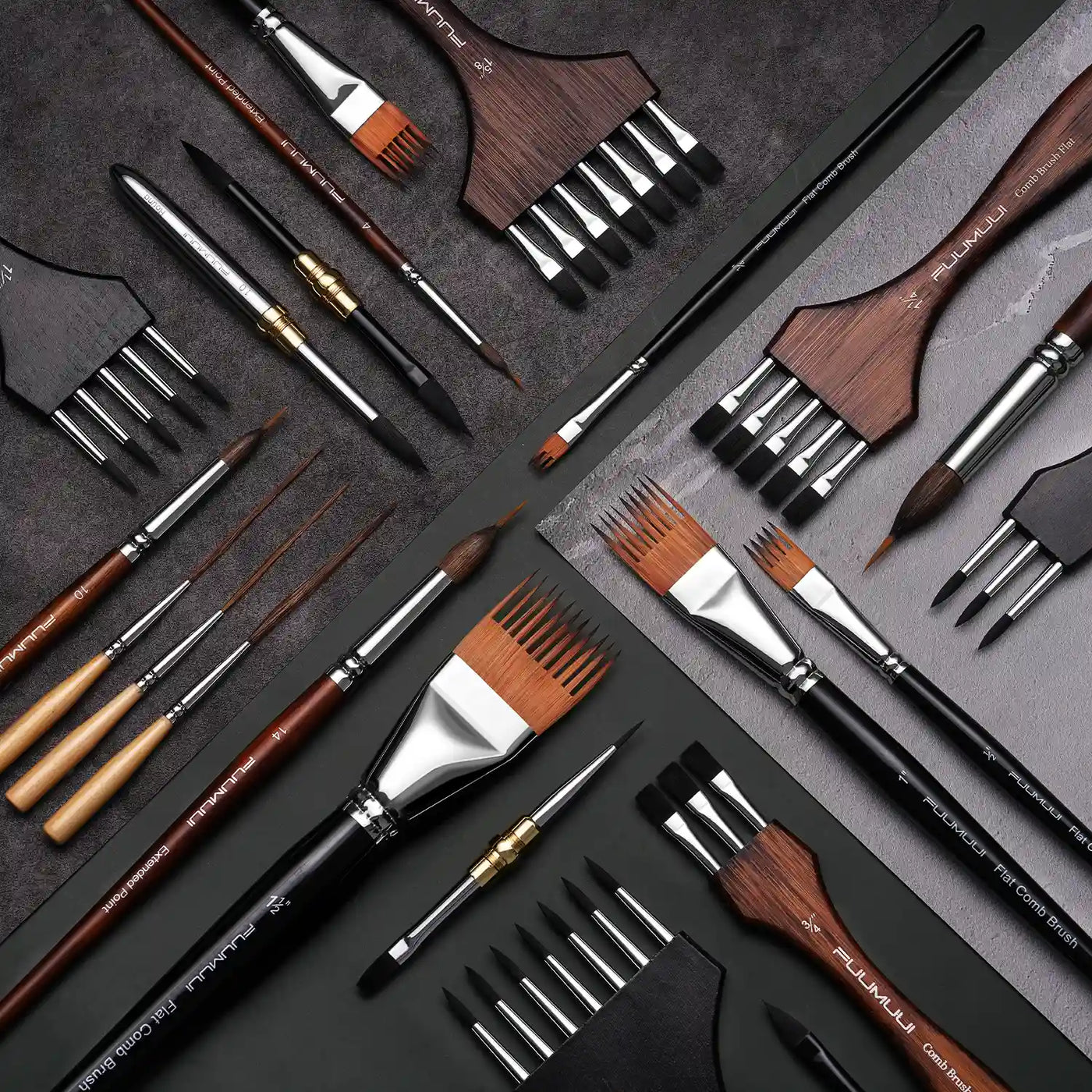
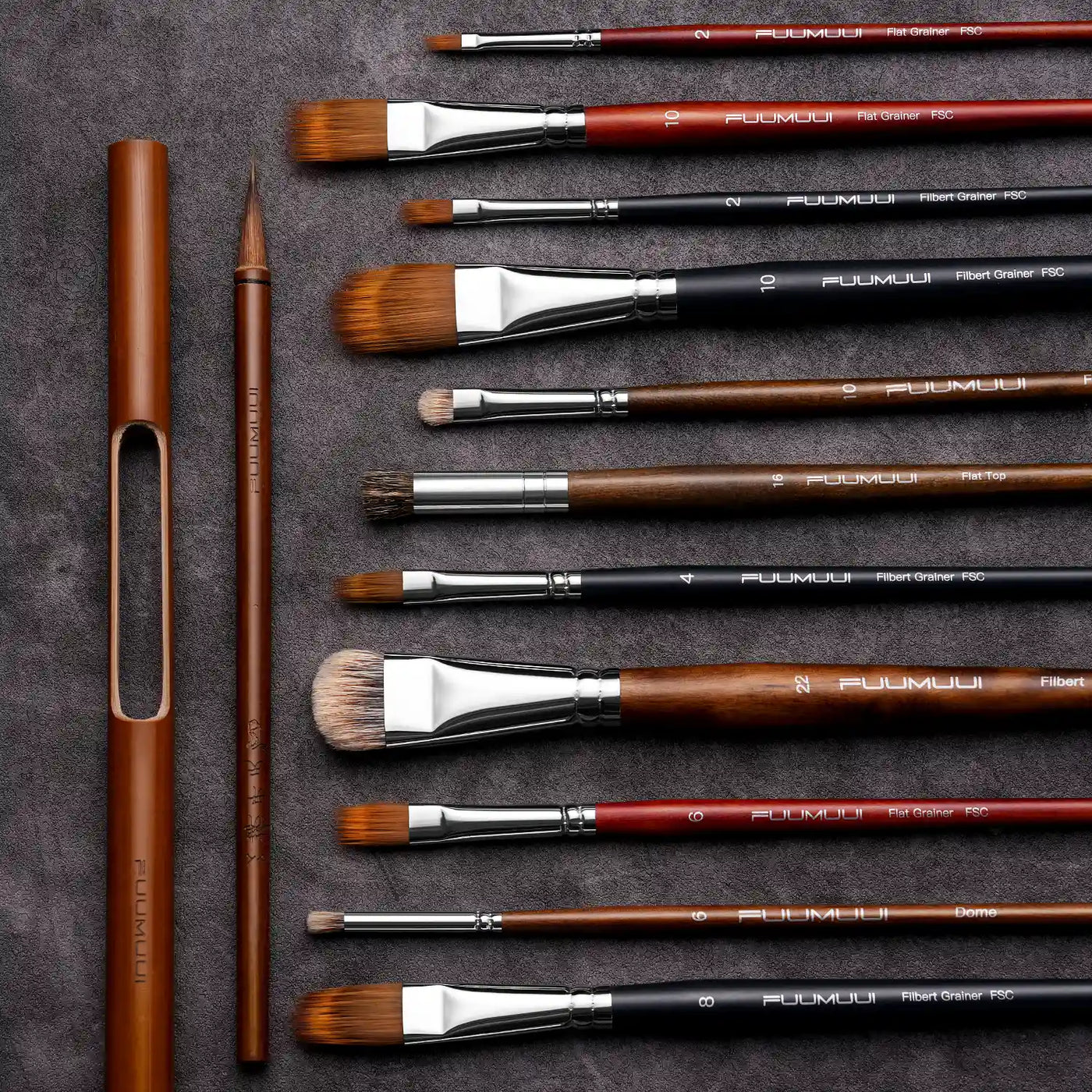
A: Chinese watercolor painting requires brushes that hold water well while maintaining a fine, responsive tip. Traditional calligraphy brushes can also be used for watercolor, offering expressive strokes and fluid brush control. A versatile round brush with good water retention helps create soft base washes, controlled lines, and textured dry-brush effects.
Q4: Can watercolor paintings be created on fan-shaped paper?
A: Yes. Fan-shaped watercolor paper adds a traditional touch while offering unique possibilities for composition and negative space. Finished paintings can also be turned into decorative fans or meaningful handmade gifts.
Explore More Watercolor Stories
Art is a continuous journey of self-expression and creative discovery. Through this Chinese-inspired watercolor painting, we hope to inspire you to explore new ways of expressing emotions through simple brushstrokes.
The journey of When East Meets West in Watercolor continues with more artistic stories and creative techniques. Keep exploring, creating, and bringing your own watercolor ideas to life.


