



Table of Contents
|
Brush Material |
Spring |
Water Capacity |
Ideal Use |
|---|---|---|---|
|
Synthetic |
High |
Medium |
Detail work & control |
|
Kolinsky Sable |
Medium–High |
Excellent |
Most watercolor techniques |
|
Synthetic Blend |
Medium |
Good |
Everyday painting |
|
Squirrel |
Low |
Excellent |
Large washes |
|
Goat Hair |
Very Low |
High |
Soft blending |
|
Hog Bristle |
Very High |
Poor |
Oil & acrylic |
When selecting a new paintbrush, most artists focus on head shape and size. However, the physical connection between your hand and the paper is actually governed by a quieter property: brush spring and snap.
In watercolor, where water control is everything, this dynamic is critical. If your brush doesn’t respond to your touch, even premium pigments can feel clumsy. Finding the right tool simply means matching its resistance to your personal style.
Understanding the Basics: What Is Brush "Spring"?
To put it simply, brush spring is a paintbrush’s ability to resist pressure and bounce back to its original shape. While many artists often use "spring" and "snap" interchangeably, they refer to slightly different parts of the same physical action.

- Brush spring is the resistance you feel when you press the bristles down on the paper. It acts as the structural "backbone" of the brush.
- Brush snap refers to the speed of shape recovery. When you lift the bristles, brush snap determines how quickly they pop back into their unified form.
A brush with good snap pulls the tip back into a sharp point after a wide stroke, letting you transition instantly from washes to fine details. Together, brush spring and snap dictate this physical feedback. A brush with poor shape recovery will lag, while a responsive one feels like an extension of your own hand.
How Different Bristle Materials Affect Brush Spring
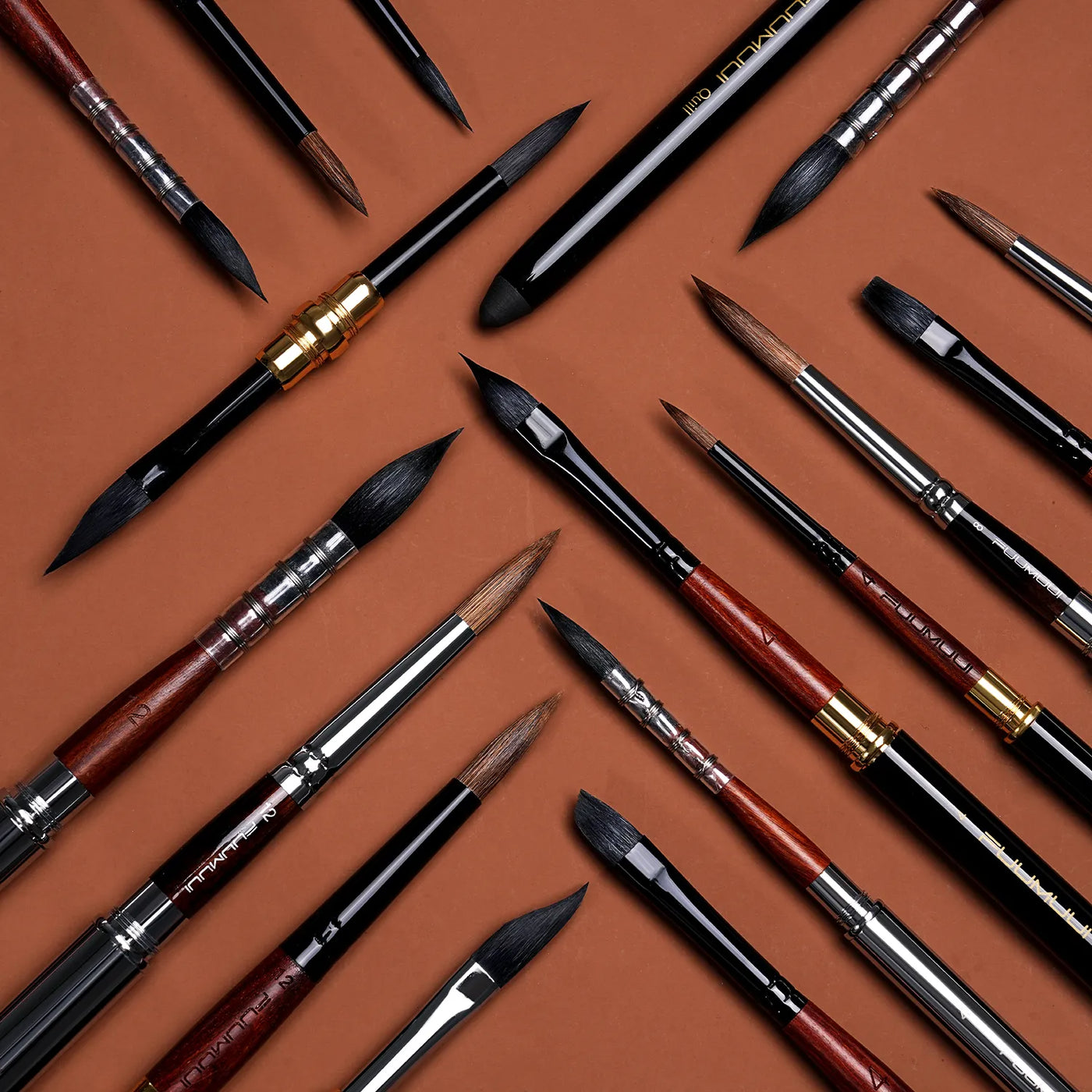
The physical makeup of your bristles dictates how a brush behaves under pressure. When evaluating different paint brushes, understanding bristle materials is the first step toward predicting how they will perform.
Synthetic Fibers for Consistent and Reliable Snap
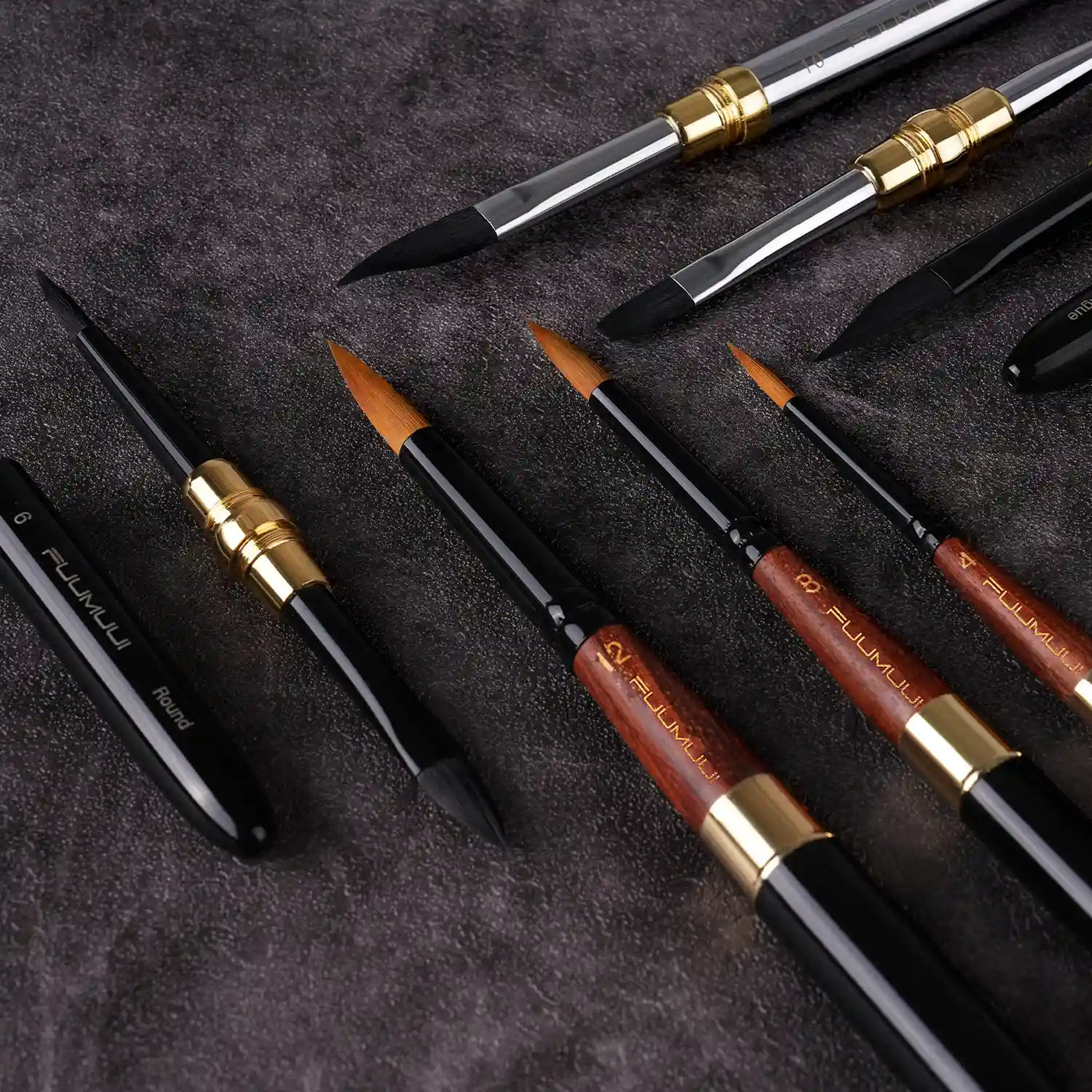
Synthetic brushes, usually made of nylon or polyester, are a great choice if you value consistency and structure in your workflow:
- Because synthetic filaments do not absorb water, they maintain their exact spring and shape even during long, wet painting sessions.
- Each stroke feels highly predictable, meaning you do not have to constantly adjust your hand pressure to compensate for a changing brush shape.
- They hold up well against rough paper textures, making them reliable tools when you are practicing repetitive detailing or line work.
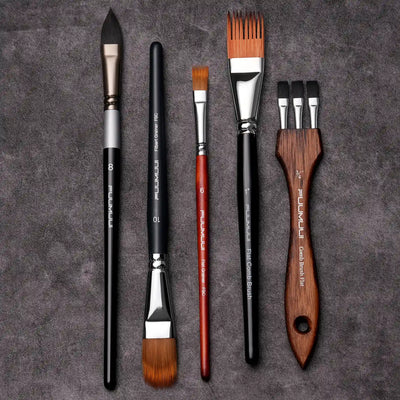
Diese Kollektion umfasst synthetische Aquarellpinsel, die hauptsächlich aus synthetischem Eichhörnchenhaar hergestellt werden. Diese Pinselsets bieten verschiedene Formen, darunter spitz zulaufende...
Natural Hair for Organic Flow
Natural hairs offer a softer, more intuitive painting experience, though their behavior varies depending on the animal source:
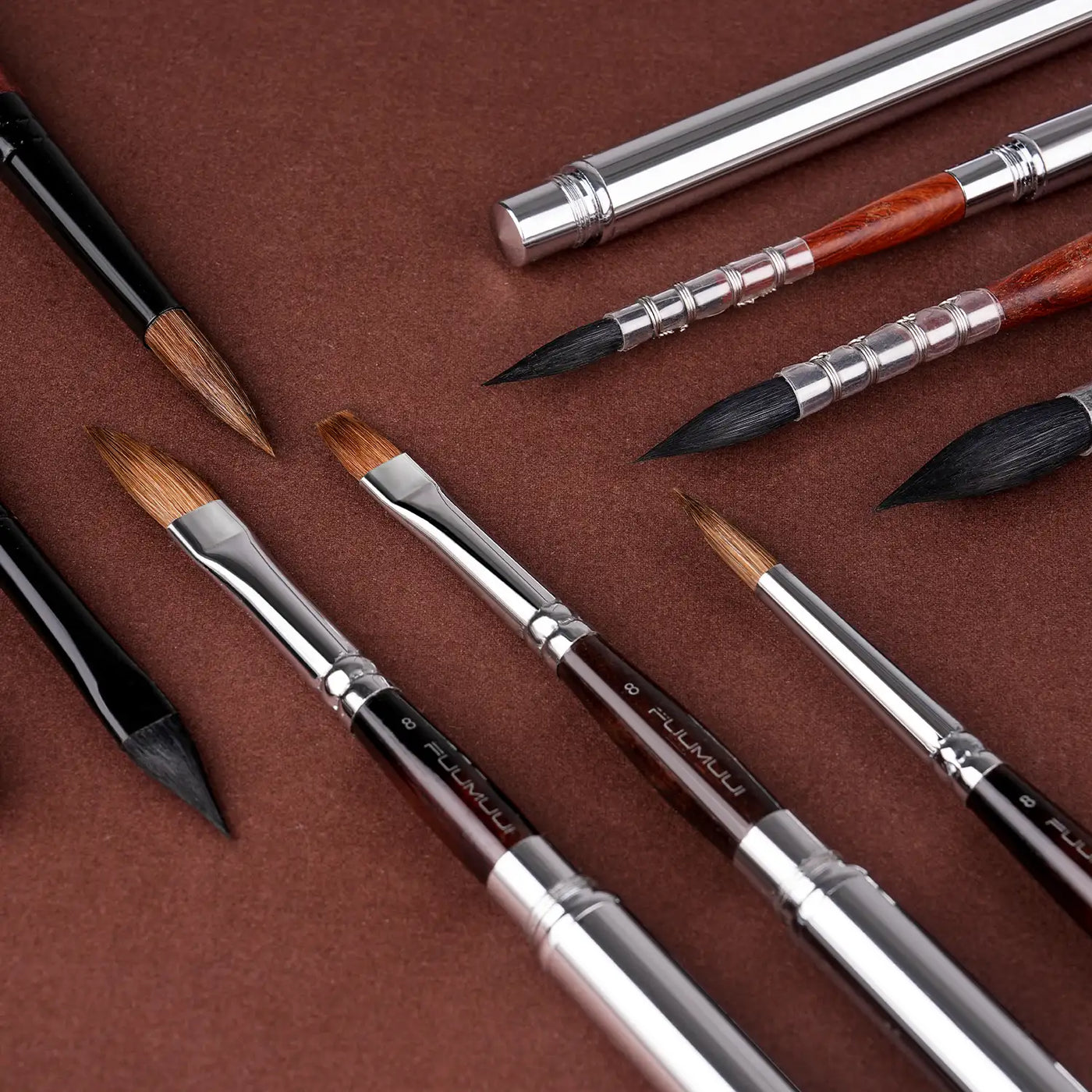
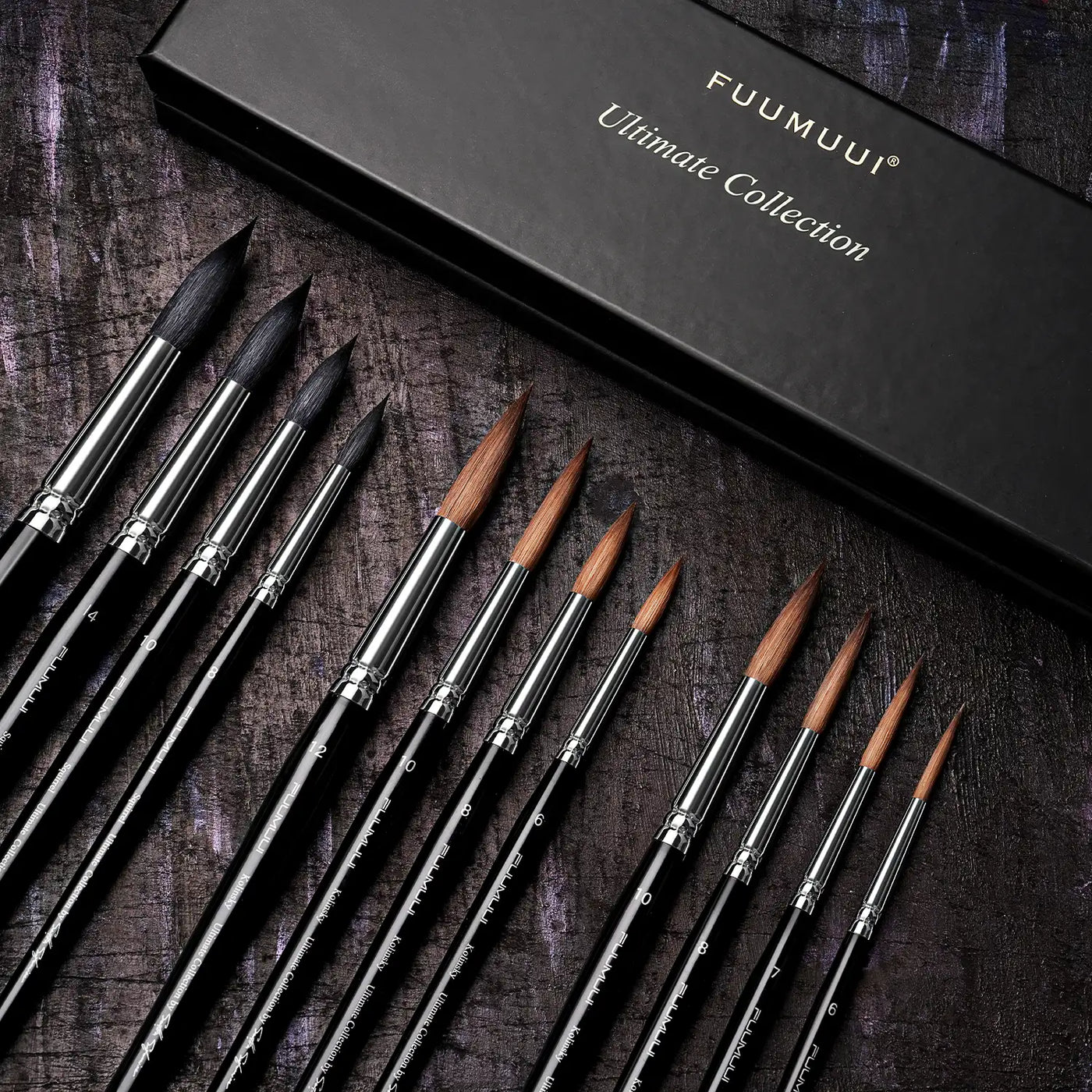
- Kolinsky sable provides a beautiful middle ground, giving you a generous water reservoir in the belly while snapping back to a sharp point for detail.
- Hog bristle is stiff and tough, designed primarily to push heavy paints rather than hold the delicate water loads needed for watercolor.
- Squirrel and goat hair are incredibly soft and floppy, offering almost no spring but allowing you to lay down effortless, sweeping washes without disturbing the paper.
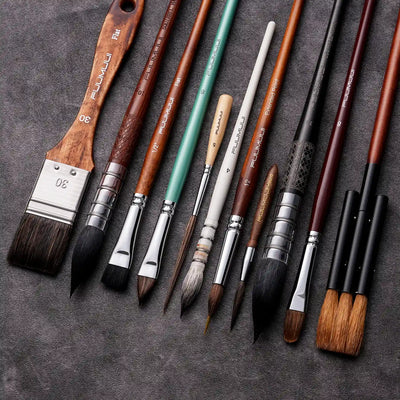
Kaufe Premium-Aquarellpinsel aus Naturhaar für überlegene Kontrolle. Unsere Kollektion umfasst Kolinsky-Zobel-Pinsel und weiche Aquarellpinsel aus Eichhörnchenhaar, die von Profis bevorzugt...
Synthetic Blends for a Balanced Performance
If you are torn between natural and synthetic brushes, synthetic blends are designed to bridge that gap:
- These brushes mix stiff synthetic fibers with soft natural hairs to give you both a reliable spring and a generous water reservoir.
- They mimic the gentle yield of natural hair, recovering their shape predictably so you do not feel like you are fighting the brush.
- Pure sable can be a major financial investment, so blends offer a practical way to enjoy that responsive feel on a modest budget.
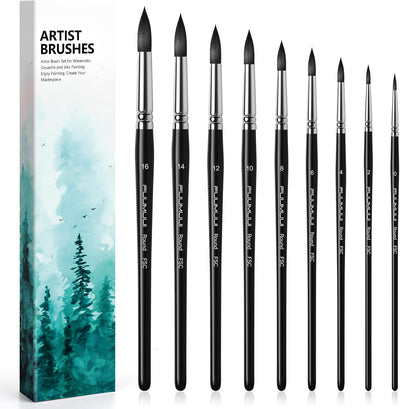
Fuumuui 9 Stück Fehhaar Runde Aquarell Pinsel Set
$36.00$24.99
Ultimately, no bristle material is objectively better. Each simply offers a different balance of spring, snap, water capacity, and painting feel.
How to Test Brush Spring Before You Buy
Evaluating a paintbrush's performance before bringing it to your studio will save you from investing in tools that do not suit your hands.
The Dry Flex Test
You can easily test the basic resiliency of a dry brush's backbone right in the art supply store:

- Hold the brush vertically and gently press the bristles against your hand or thumb until they bend slightly.
- Slowly release the pressure and watch how the fibers behave as you lift the brush.
- A responsive brush will immediately push back against your hand and return to its original shape as a single, unified unit.
The Wet Flick Test
For watercolor brushes, testing how the bristles behave when wet is the most accurate way to judge true snap recovery:

- Dip the brush in water to fully saturate the fibers, then lift it clear of the container.
- Give your wrist a gentle, quick flick to shake off the excess water.
- A high-quality brush will immediately pull its fibers back together to form a sharp, clean point without any stray hairs.
How to Evaluate Spring Online
When shopping for watercolor brushes online, you cannot physically test the bristles. However, you can still estimate the brush spring and snap by looking for a few key indicators in the product description:
- Bristle Composition: If you want a watercolor brush with high spring, look for pure synthetic fibers. For a balanced brush that holds water but still snaps back, look for synthetic-natural blends.
- Key Descriptive Terms: Pay attention to the product highlights. Descriptions that mention "crisp snap," "reliable shape recovery," or "sharp point retention" indicate a springier, more responsive brush.
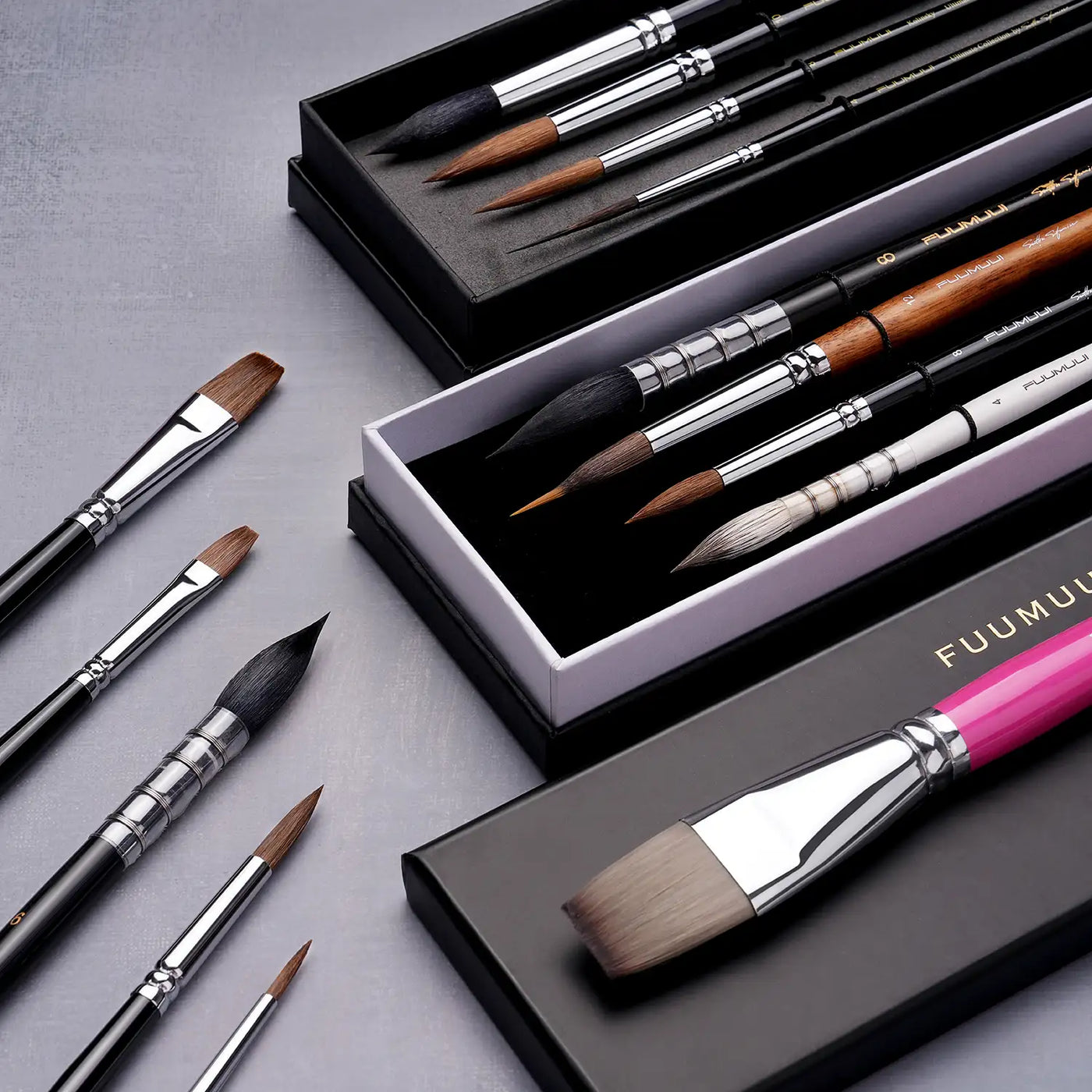
- Brush Shape and Purpose: Different brush shapes require varying levels of spring. Fine round brushes, liners, and riggers need more snap for detailed work, while mop and wash brushes prioritize water capacity.
Choosing the Right Brush Spring for Your Painting Style
We often search for the "perfect" brush, but the truth is that the right brush spring depends entirely on what you want to achieve on your paper. Your preferred painting techniques will naturally tell you whether you need a brush that fights back against your hand, or one that yields completely to your touch.
High Spring for Detail and Precision
Brushes with high spring and snap act like an extension of a fine pen, giving you absolute control over every micro-movement:
- They behave predictably under pressure, making them the classic choice for botanical illustration, tiny detail work, and dry-brush textures.
- Because the tip recovers its shape instantly, you can paint clean, sharp edges and maintain steady line weights without worrying about the bristles splitting mid-stroke.
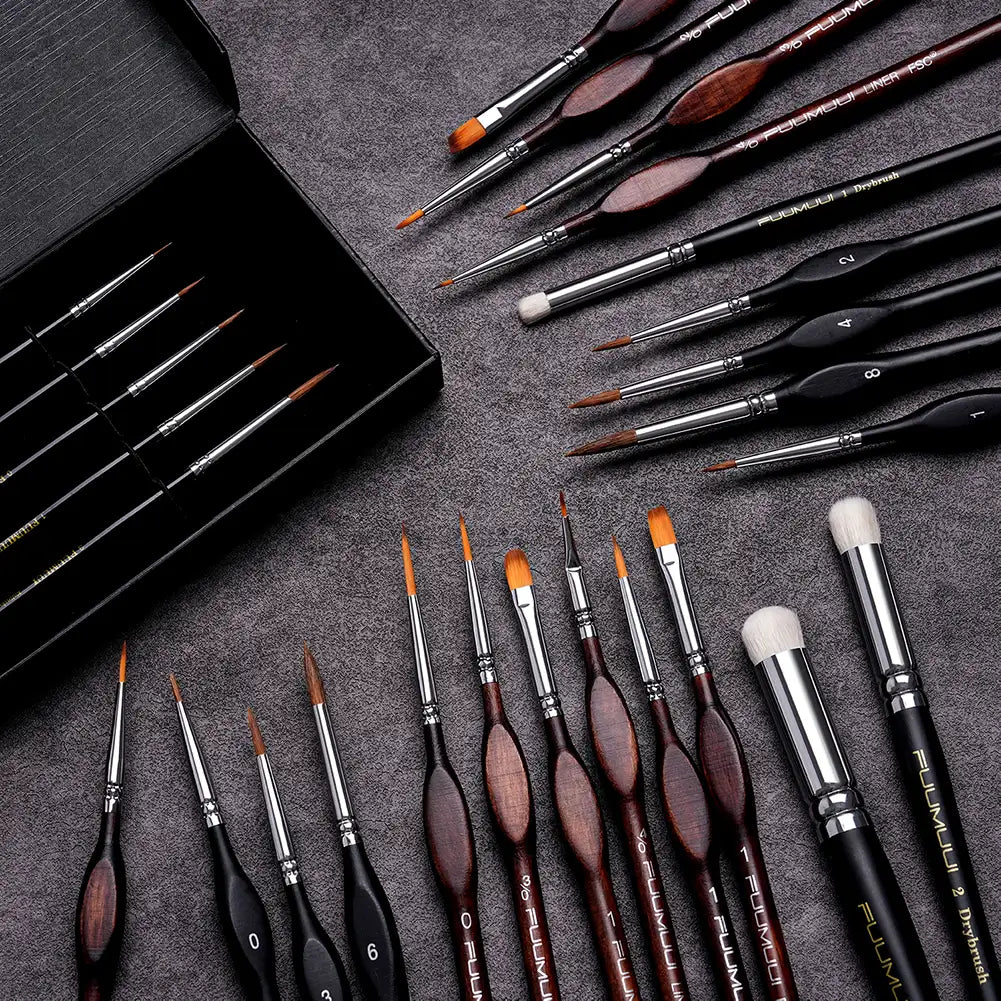
- This firm, responsive feedback is most commonly found in fine round brushes, liners, and rigger brushes.
Low Spring for Washing and Blending
Brushes with low spring are designed to let the water do the talking, perfect for expressive styles where fluidity is more important than hard structure:
- They are built for large washes, wet-on-wet rendering, and creating soft, breathing color transitions.
- Without stiff resistance pushing back against your hand, the brush glides smoothly over wet paper, leaving no harsh, mechanical-looking brush marks behind.
- You will most commonly find this soft, relaxed feel in large mop brushes, flat wash brushes, and quill brushes.
Finding the Perfect Brush for You
At the end of the day, watercolor brush selection is deeply personal. The ultimate test is not whether a brush has the highest spring or the softest feel—it is whether it complements the way you paint.
Many experienced artists keep several watercolor brushes with different levels of spring and snap, choosing each one based on the technique they want to achieve. A responsive synthetic brush may be perfect for crisp details, while a soft natural-hair brush excels at flowing washes.
Finding the right level of resistance will naturally lead to better brush control and a more enjoyable painting experience. Explore our curated watercolor brushes today to find the spring and snap that suits your style.

Bereit zum Erstellen? Sehen Sie sich unsere hochwertigen Aquarellpinsel und professionellen Aquarellpinselsets an. Egal, ob Sie Anfänger oder Profi sind,...


