

Table of Contents
Review Snapshot: Quick Verdict
Here’s a quick summary of my experience with the Fuumuui 3-in-1 Travel Watercolor Brushes, from the compact design to how the six brush heads perform on paper.
The Pros
- Six Brush Heads in One Set: Offers a range of brush shapes for washes, fine lines, and textured marks without packing six separate brushes.
- Versatile Brush Shapes: The Big Round and Flat brushes work well for larger areas, while the specialty tips offer more options for foliage, grass, and fine details.
- Compact Travel Design: Two metal handles, six brush heads, and a storage pouch make it easier to keep a sketching kit light and organized.
- Personal Favorite: The Dagger Brush stands out for its fine point and ability to create both delicate lines and broader strokes.
Things to Consider
- Getting Used to Each Tip: It may take some practice to find the best use for each of the six brush heads.
- A Compact Setup: The interchangeable design suits travel and urban sketching, though painters who prefer a separate full-length brush for every task may have different preferences.
When I go urban sketching, I like to have a few different brush shapes with me. A broad wash, a fine line around a window, or a few quick strokes for foliage can all call for a different brush. The challenge is fitting everything into a small sketching kit without carrying more than I need.
The Fuumuui 3-in-1 Travel Watercolor Brushes caught my eye because of their twist-apart design. I took them along on a few sketching trips to try out the different brush heads and see how they handled the marks I make most often.
What's in the Set?
What appealed to me was having six brush heads in just two handles. Rather than packing a separate brush for every task, I could bring a variety of shapes in one compact set.
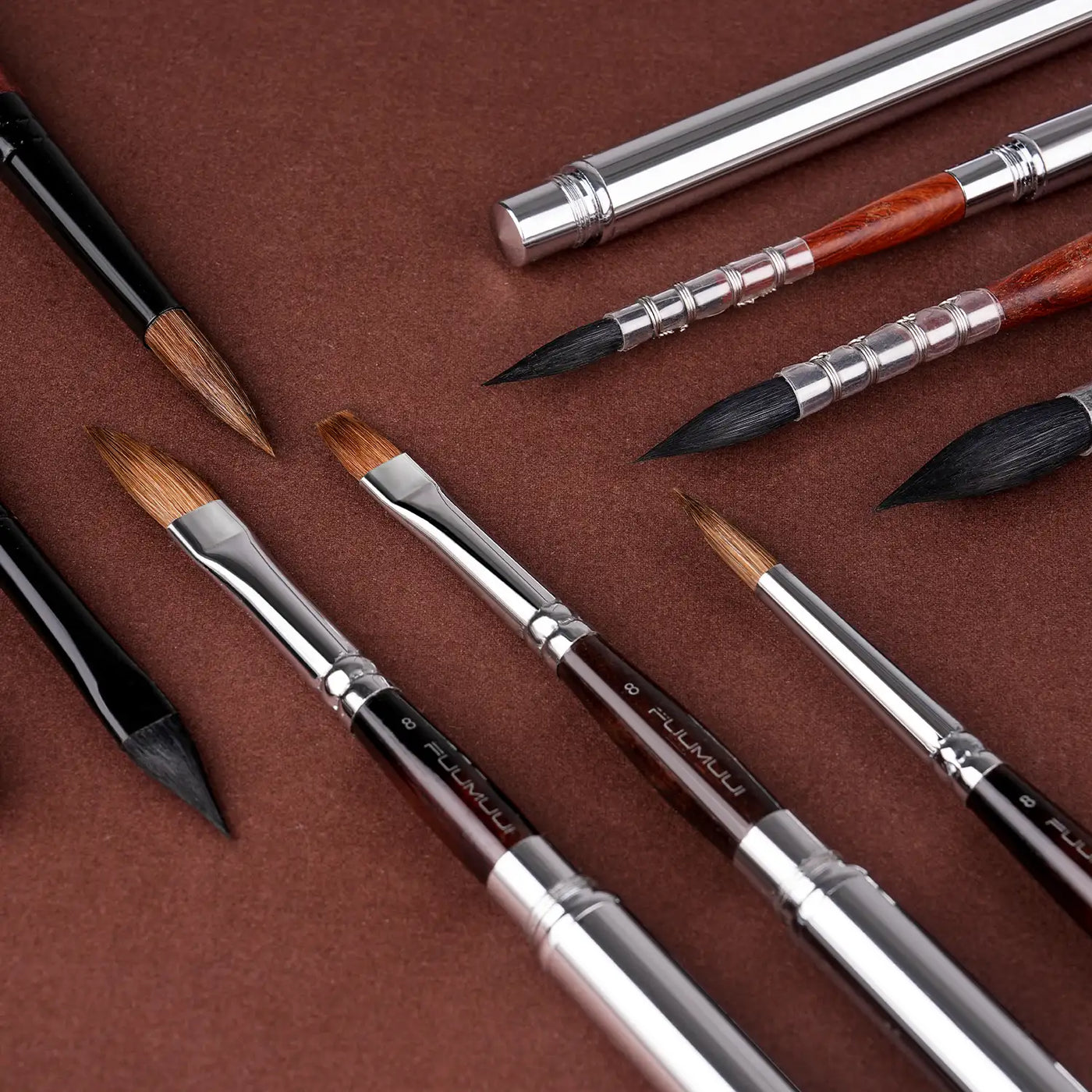
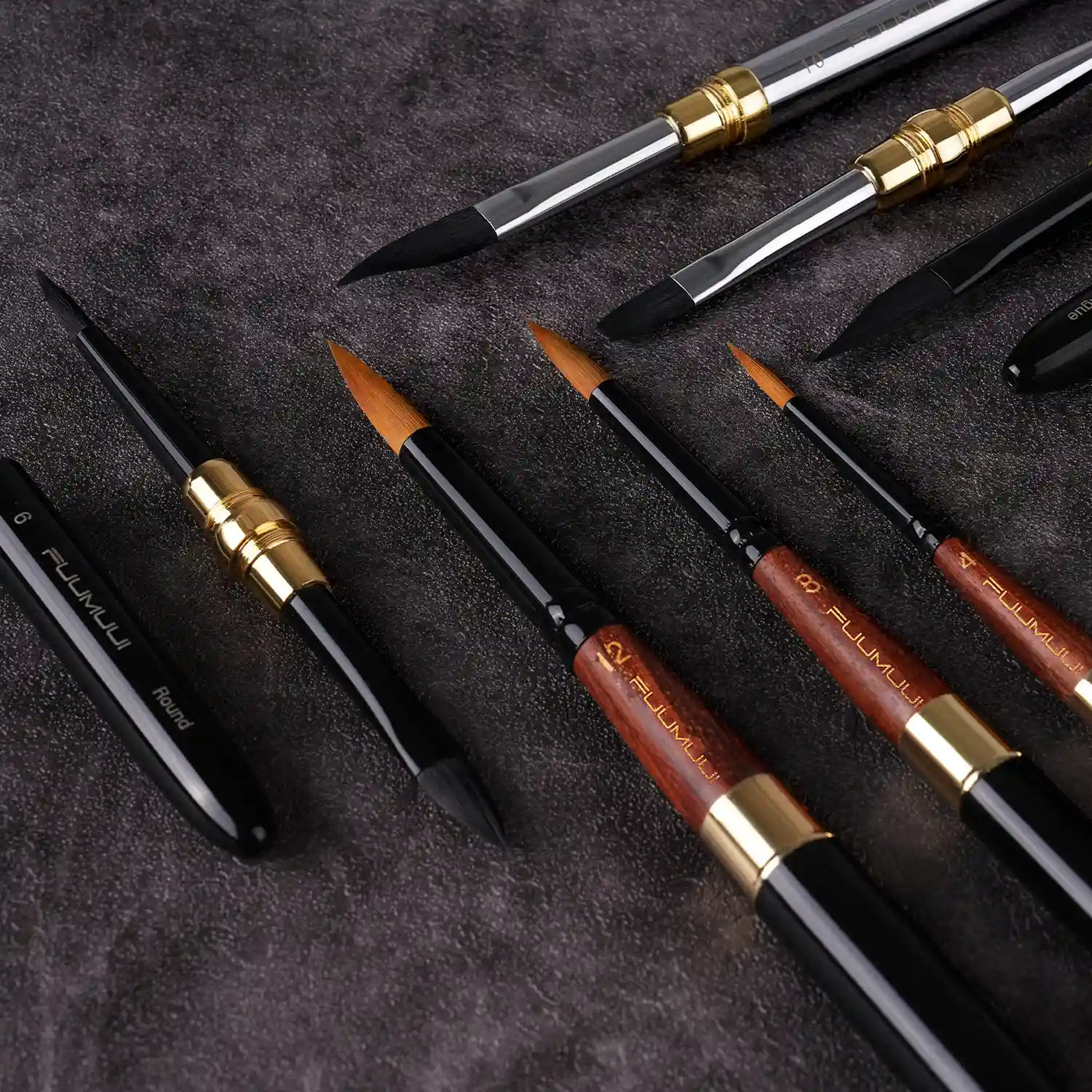
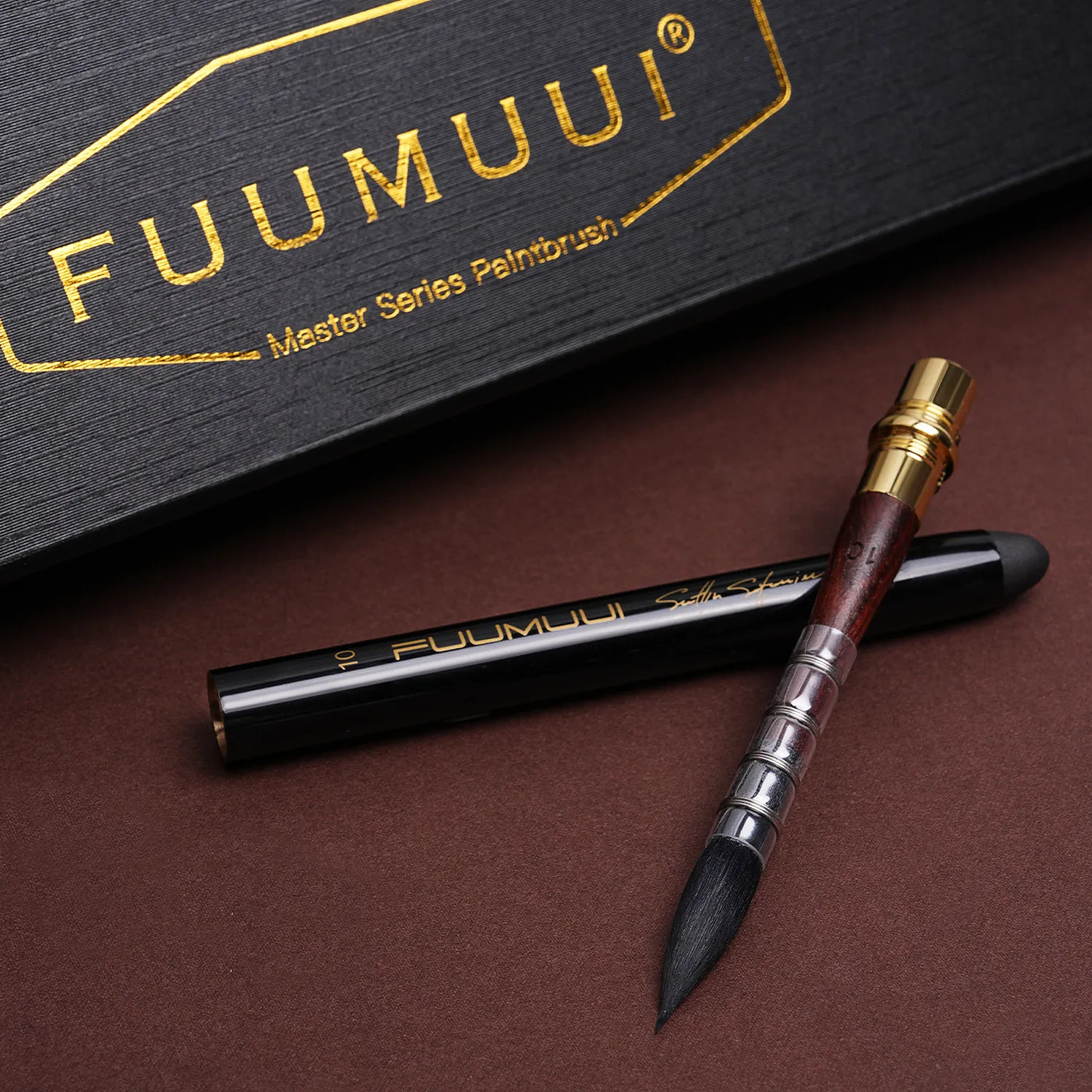
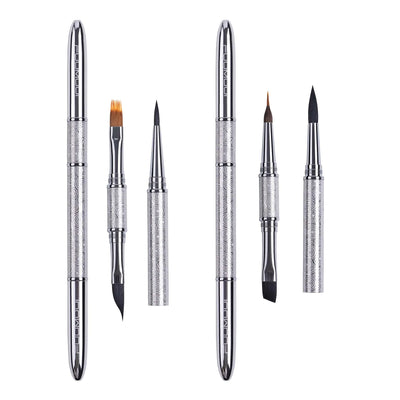
- Two metal handles: Each handle comes apart and can be fitted with different brush heads.
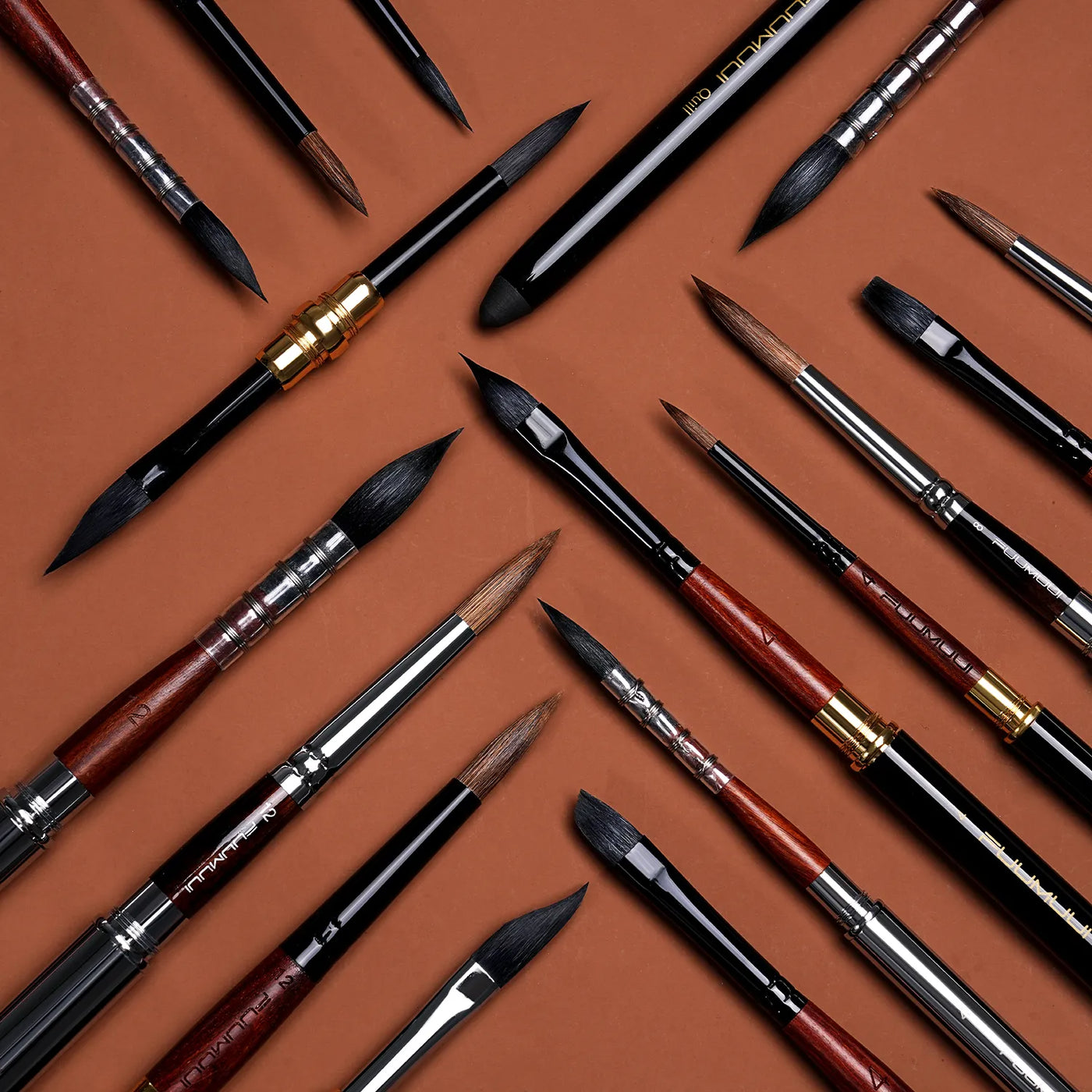
- Six brush heads: A mix of round, flat, and specialty brush shapes for washes, fine lines, and textured marks.
- Synthetic squirrel hair bristles: Made for watercolor painting, with an emphasis on water retention and a responsive tip.
- PU leather pouch: Keeps the handles and brush heads together when I'm heading out to paint.
Design and Portability

The twist-apart design is what makes this set interesting to me. The brush heads screw into the handles, so I can switch between them as I work and cover the ends when it's time to pack up. The connections feel secure in use, which matters when I'm trying to concentrate on a painting rather than fuss with my tools.
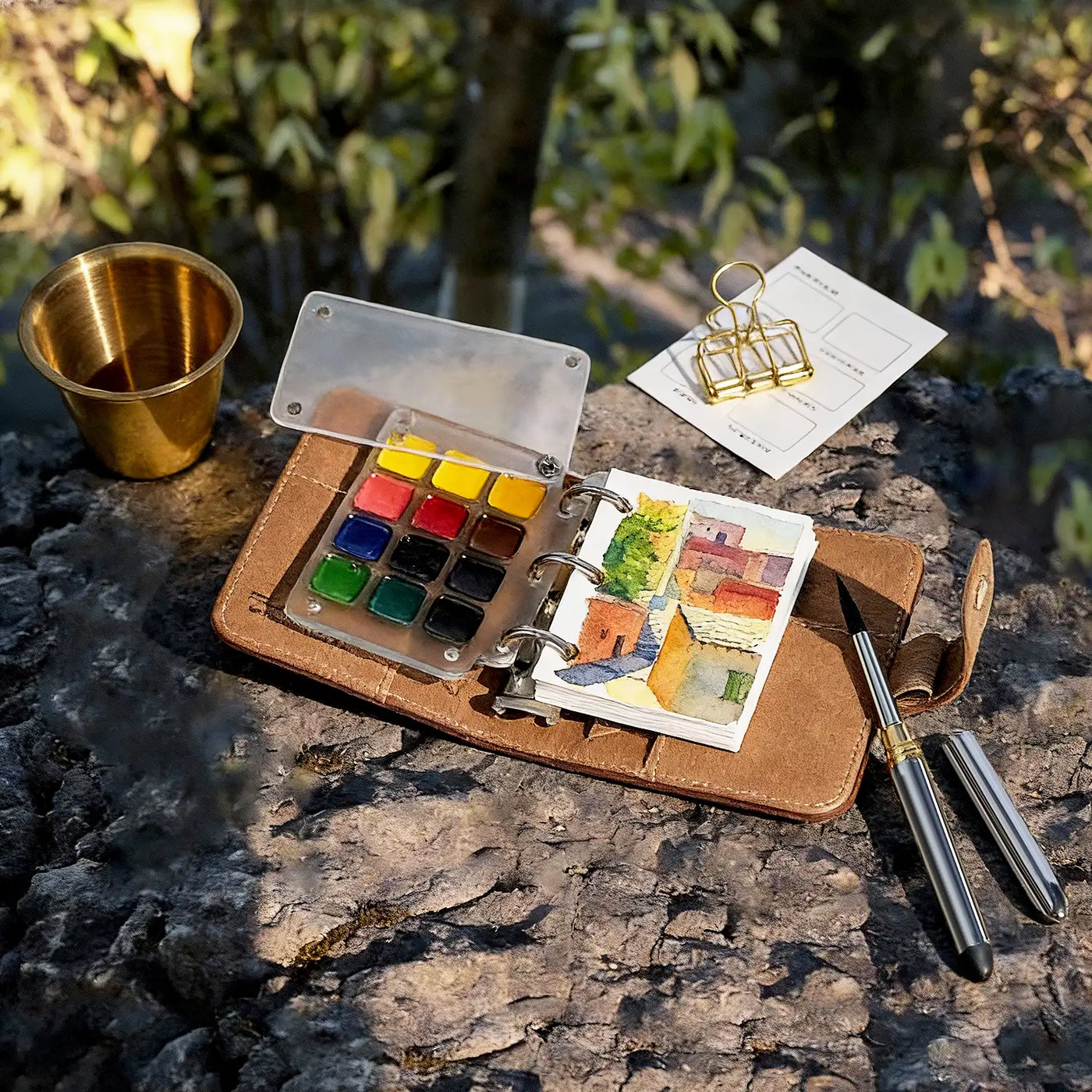
The whole set weighs 91.4 g, so it doesn't add much to my sketching bag. I can pack it alongside a small watercolor palette and sketchbook and still keep my setup fairly light. For painting outdoors, where I want to carry only what I'll actually use, that makes a difference.
Testing the Six Brush Heads for Watercolor Sketching
The real test for me is how each brush behaves on paper. When sketching a street scene, I might start with a loose wash for a building, pick out the windows, then turn to the trees or patches of grass around it. Each brush head has its own character, and some have become more appealing to me than others.
Filbert Grainer Brush

I reach for this brush when I want to suggest texture without painting every little detail. Its shaped tip makes it easy to lay down broken, irregular marks for grass or animal fur.
Rather than drawing each blade or strand, I can let a few quick strokes give the impression of texture. That suits the loose approach I often take when sketching outdoors.
Detail Round Brush

For smaller details, I like having a brush that lets me work with a lighter touch. The detail round is suited to fine lines and small marks, whether I'm picking out branches in a tree, defining a cloud's edges, or adding details to a busy part of a sketch.
It's the kind of brush I reach for when the larger shapes are already in place and I want to bring a little more definition to the scene.
Flat Brush

I often start a building with its larger shapes before moving on to the details. The flat brush works well for blocking in a wall or laying down a broad patch of color. I can then use its edge to add narrower marks, such as the lines of individual bricks.
I like being able to establish the main shape first without losing the option to work back into it.
Extended Point Brush

I find the extended point brush helpful when a sketch calls for longer, continuous lines. Its fuller belly holds paint while the elongated tip gives me more control over the stroke.
This is particularly handy for details that run across a larger area, where stopping repeatedly to reload the brush can interrupt the flow of a line.
Big Round Brush

The big round holds plenty of water and paint, which makes it a good choice for covering larger areas of a sketch. What I appreciate is the pointed tip: I can use the belly for a wash, then bring the brush upright to pick out a smaller shape or edge.
Being able to move between broad and narrow marks with the same brush helps me keep my painting process simple.
Dagger Brush

This is my favorite of the six brush heads. I like the fine point for drawing long, delicate lines, but the fuller belly also lets me carry enough paint through a stroke without constantly returning to the palette.
By changing the pressure and angle, I can vary the marks I make. For me, that balance between precision and a little more expressive movement is what makes this brush stand out.
Who Are These Brushes For?
I think this set makes the most sense for painters who enjoy working outside the studio and want a little variety without carrying a full brush roll.
- Urban Sketchers: If you paint buildings, streets, and the details around them, having different brush shapes at hand can make it easier to move from broad washes to windows, branches, and other small marks.
- Travel Journalers: For anyone who likes to paint in a café, on a trip, or during a walk around town, two handles and six brush heads are an easy way to keep a compact kit.
- Painters Who Like Experimenting with Marks: The specialty tips offer alternatives to a regular round brush, particularly when you're working on foliage, grass, and other textures.
Ready to Pack Light and Paint More?
After trying the different brush heads, I can see why this set would appeal to someone who paints on the go.
The Big Round and Flat brushes cover the broader parts of a sketch, while the smaller and specialty tips give me more options for lines and textures. The Dagger remains my personal favorite because of the range of marks I can get from it.
For me, the appeal of the 3-in-1 Travel Brush Set isn't simply having six brush heads in one set. It's being able to move through a sketch with a small selection of tools, without feeling that I need to bring my entire brush collection along.


