
Table of Contents
Key Takeaways
Verdict: Calligraphy brushes are excellent for watercolor, offering superior water holding capacity and razor-sharp points compared to Western brushes.
- Versatility: Unique design allows a single brush to handle both broad washes and fine details.
- Best Choice: Wolf hair offers snap for control; Mixed hair balances stiffness and absorbency for beginners.
- Technique: Hold vertically for precision lines or use the side for organic textures.
Years ago, I was wandering through a small art supply shop in San Francisco’s Chinatown when I saw a jar of bamboo-handled brushes. They looked nothing like the expensive Kolinsky sables I’d been trained to use.
I bought a medium-sized Chinese calligraphy brush on a whim, took it back to my studio, and dipped it into a pool of Ultramarine Blue.
The way it held water was unlike anything I’d felt before. It didn't just hold the paint; it danced with it. Since then, I am absolutely certain that calligraphy brush are very good for watercolor painting.
If you’ve been sticking to standard Western rounds, you are missing out on a world of expression. Let's look at why these ancient tools might be the best thing to happen to your 2026 painting practice.
The Anatomy of an Asian Calligraphy Brush
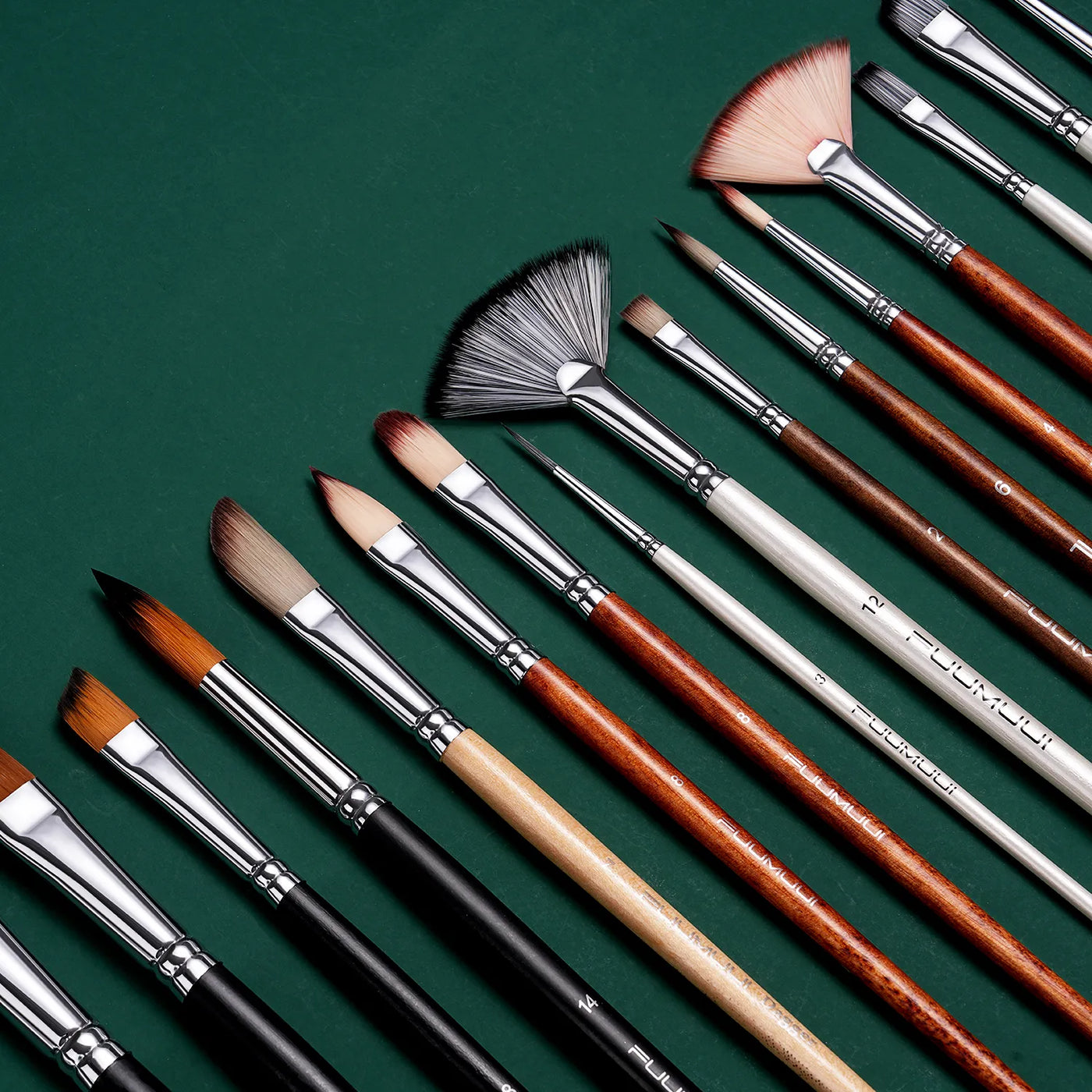
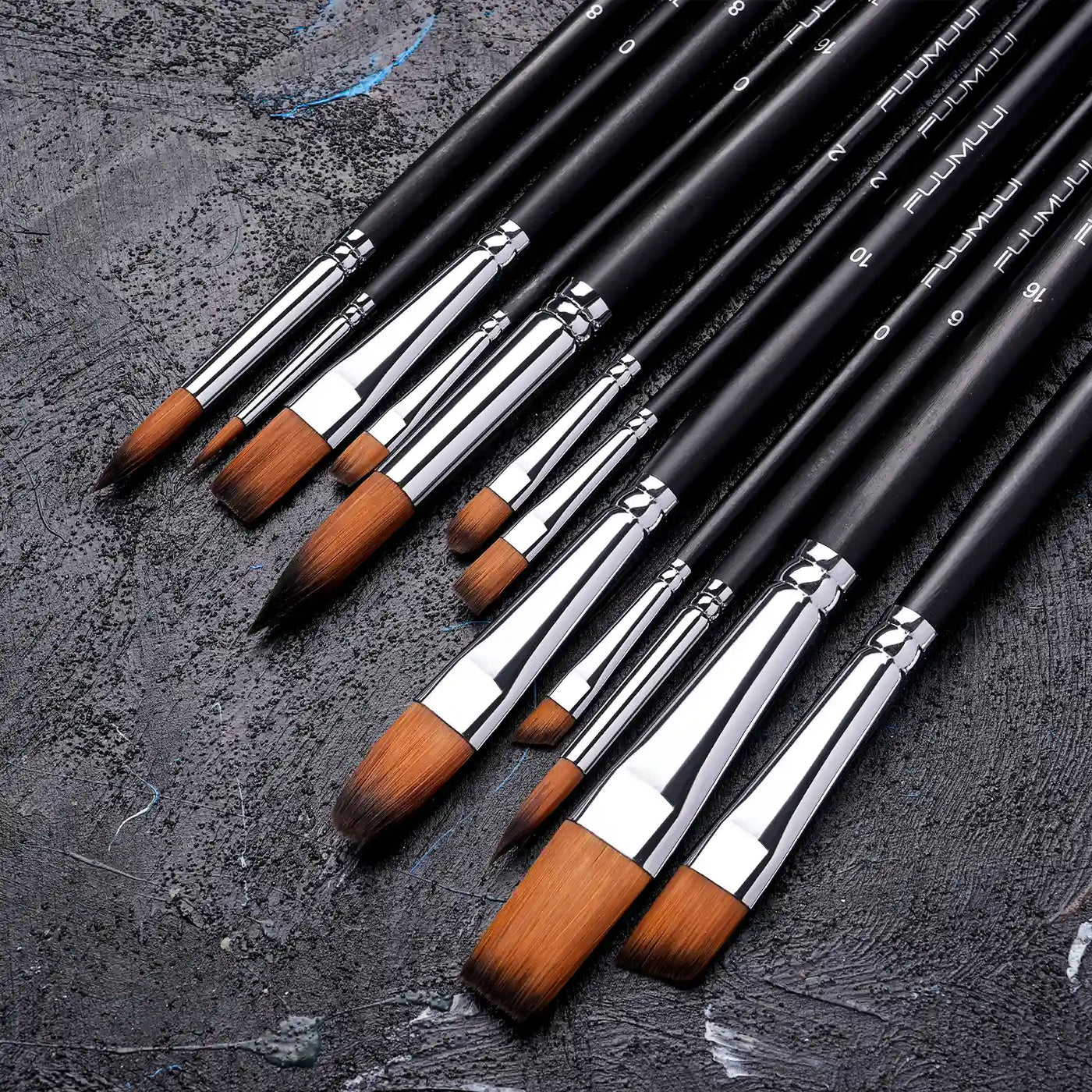
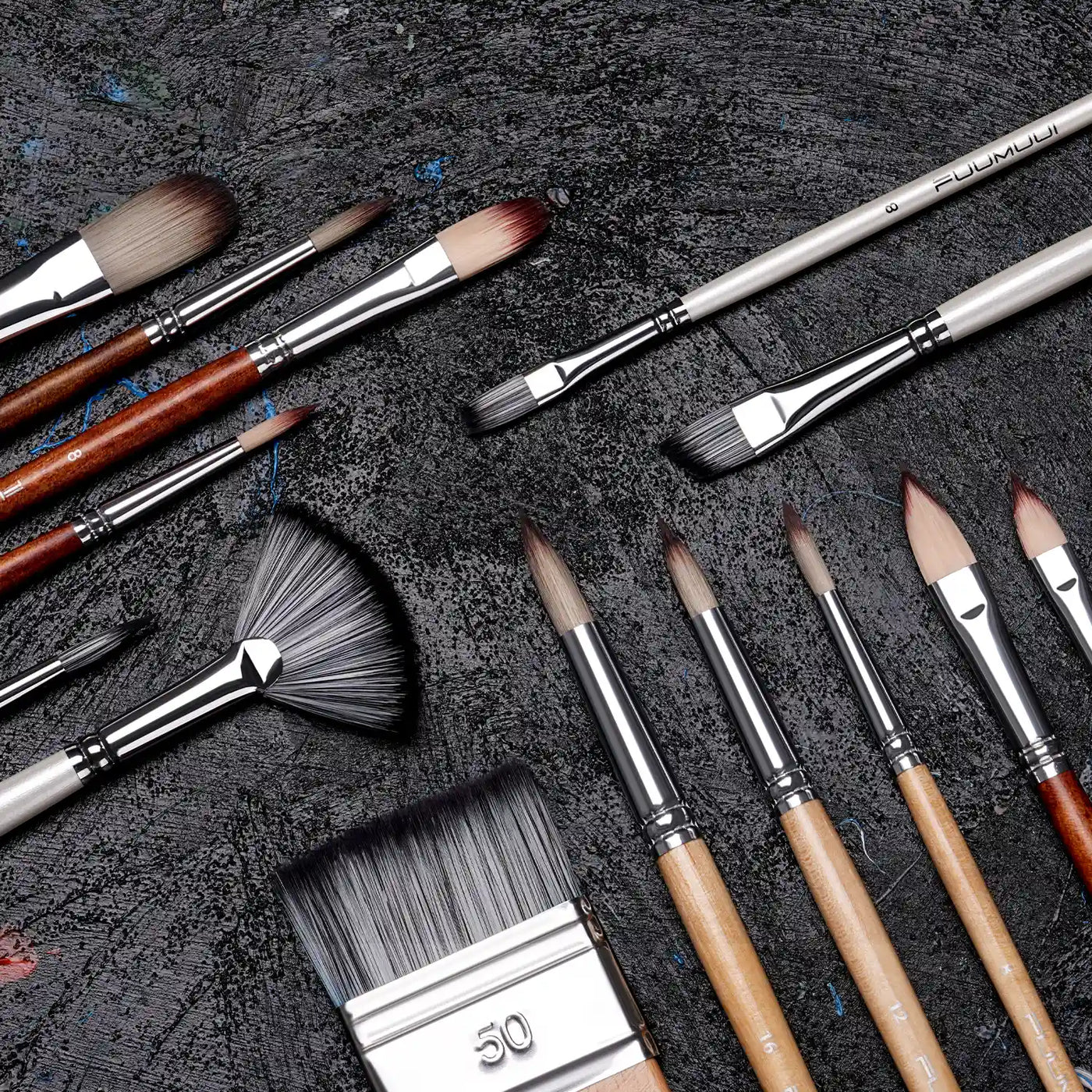
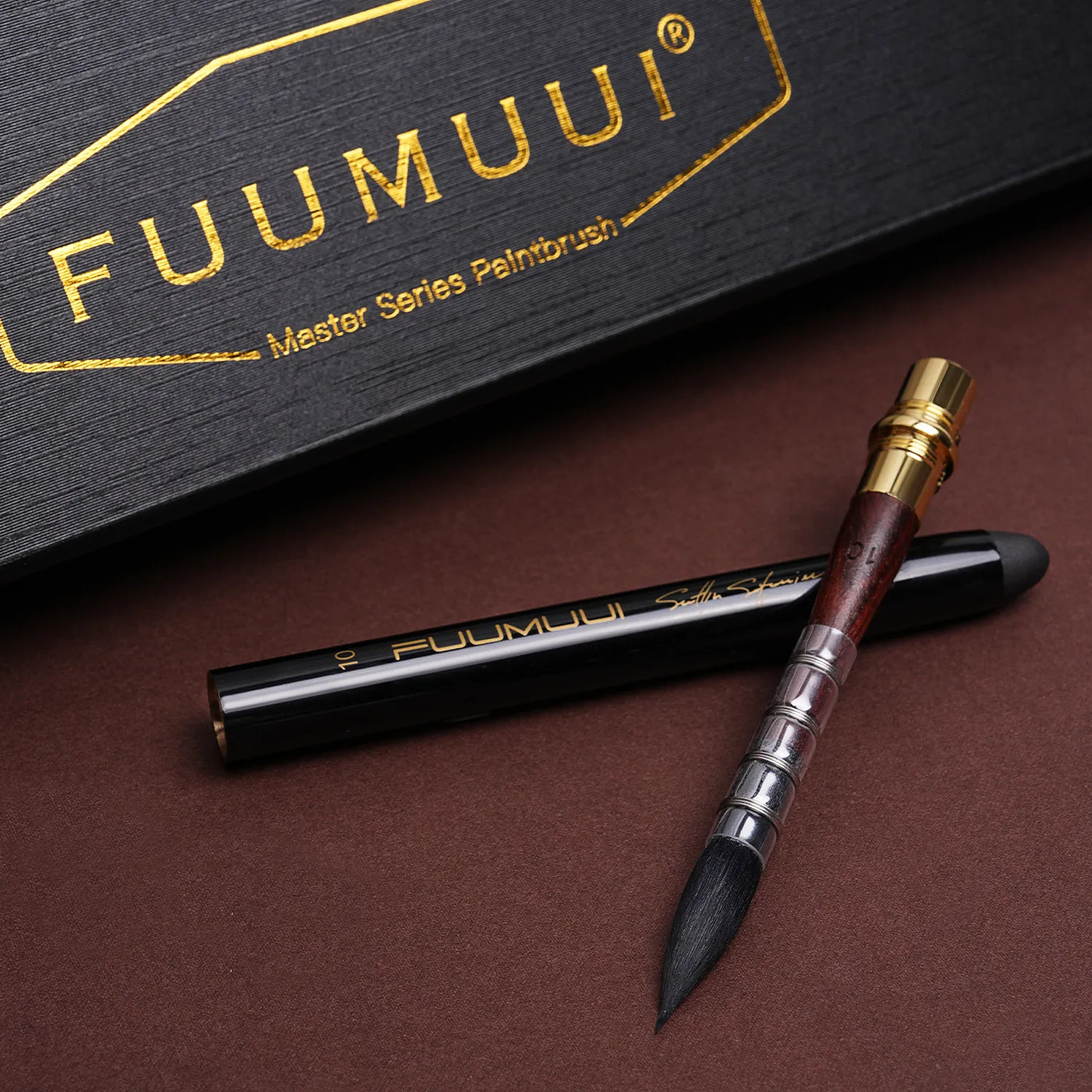
To understand why these tools work, we have to look at how they are built. A traditional Western watercolor brush are constructed using a metal ferrule to crimp the hair against a handle. This creates a specific type of tension and "snap."
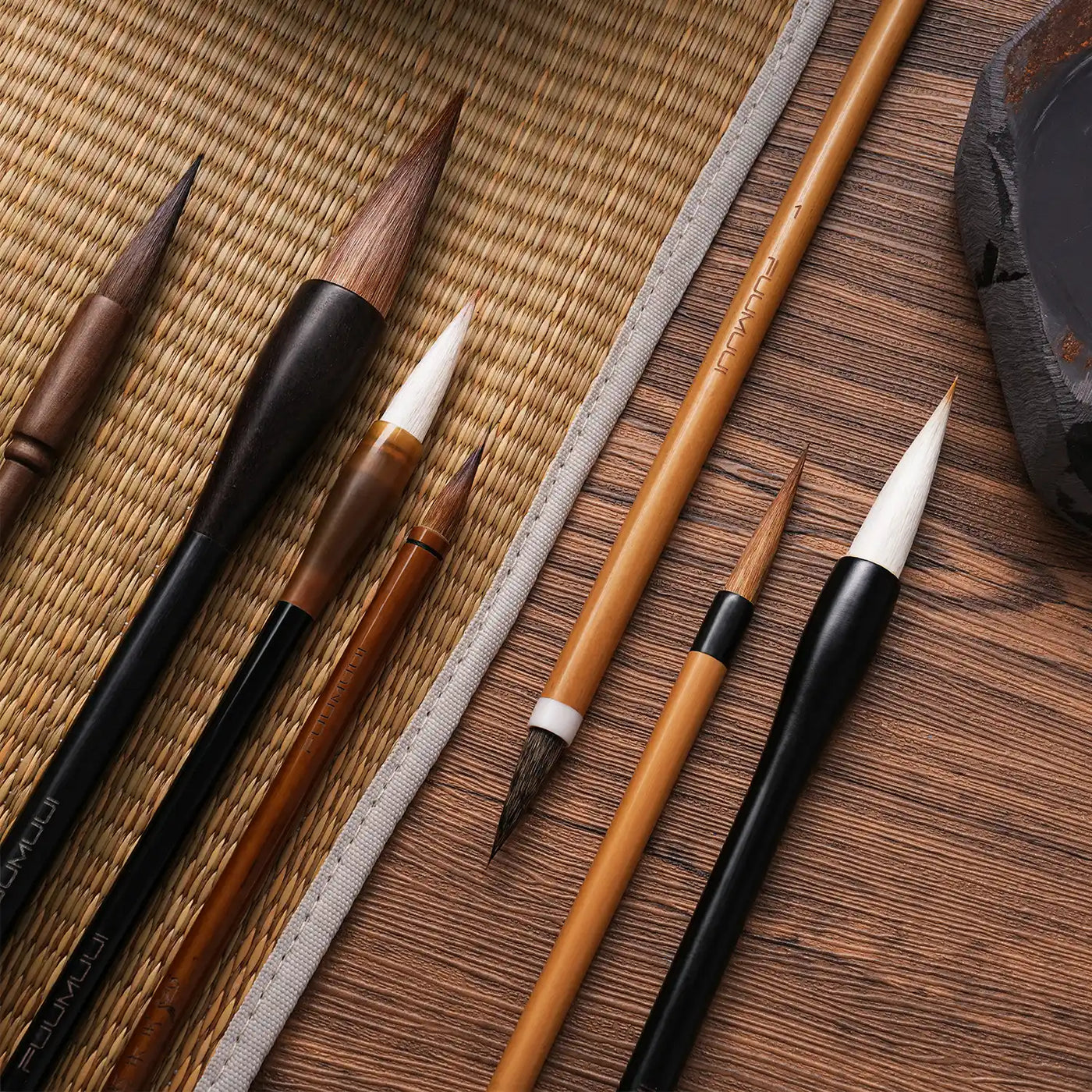
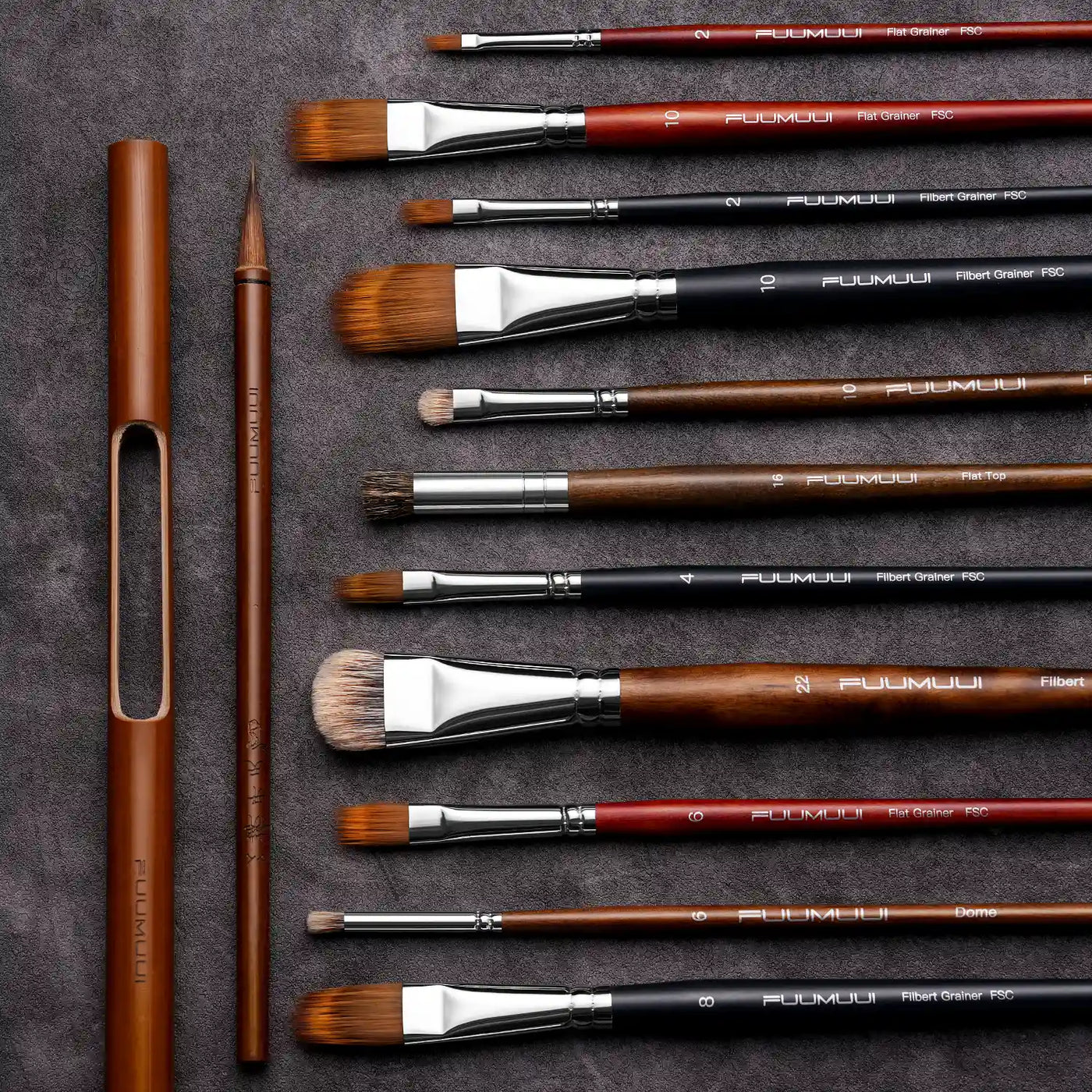
In contrast, an Asian calligraphy brush—whether it is a Chinese calligraphy brush or a Japanese calligraphy brush—is constructed by inserting the hair directly into a bamboo or wooden handle.

This design allows for a much larger "belly." The belly is the part of the brush that holds the water reservoir. Because there is no metal ferrule compressing the base of the hairs, the brush can hold a massive amount of pigment, allowing you to paint long, sweeping strokes without having to return to your palette every five seconds.
Why Calligraphy Brush Are Very Good for Watercolor Painting
You might be wondering, "If they were made for ink, why do they work for watercolor painting?" The answer lies in the versatility of the point.
The "One Brush" Philosophy

In traditional Chinese and Japanese art, a master often uses a single brush for an entire piece. This is possible because a high-quality calligraphy brush can create a line as thin as a hair and a wash as wide as a mountain.
Precision: The tapered point of a Chinese calligraphy brush is incredibly sharp.
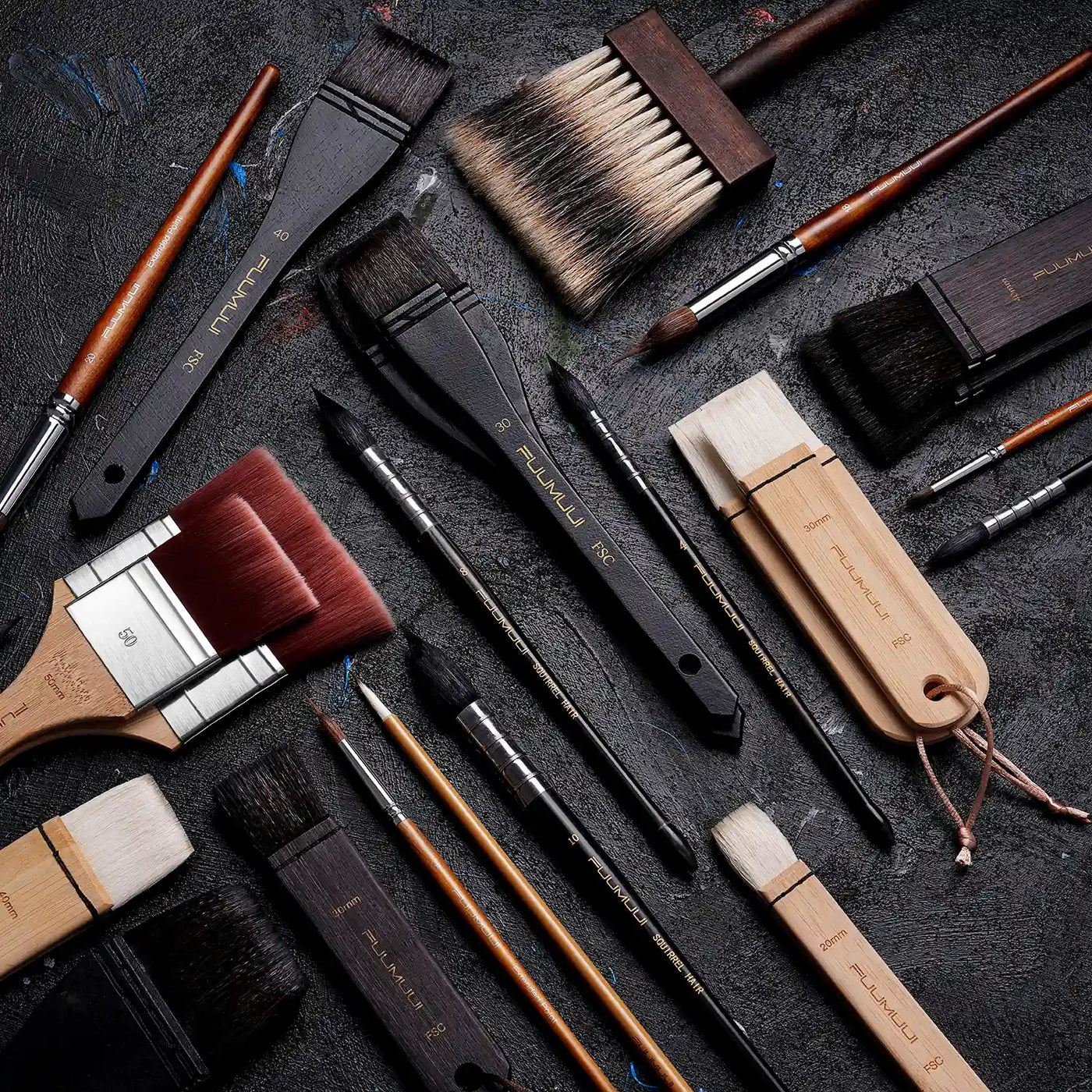
Capacity: The natural hair (often goat, wolf, or rabbit) acts like a sponge.
Expression: The long bristles allow for "dry brush" techniques that are nearly impossible with short-haired Western brushes.
When we talk about watercolor brushes, we usually talk about control. But sometimes, we need a tool that offers a bit of "chaos"—a brush that responds to the slightest change in hand pressure or angle.
Choosing Your Hair Type: Wolf, Goat, or Mixed?
Not all calligraphy brushes are created equal. Depending on your style of watercolor painting, you’ll want to choose the right hair.

Wolf Hair (Stiff)
Despite the name, "wolf" hair is actually often weasel or mink. These brushes are stiff and resilient. They have a great "snap," meaning they return to their original shape quickly. If you do a lot of architectural painting or fine detail, a wolf-hair calligraphy brush is your best bet.
Goat Hair (Soft)
Goat hair is incredibly soft and holds the most water. It doesn't have much "snap," so it can be harder to control for beginners. However, for soft skies, misty mountains, and atmospheric glazes, it is unparalleled.

Mixed Hair (The Best of Both Worlds)
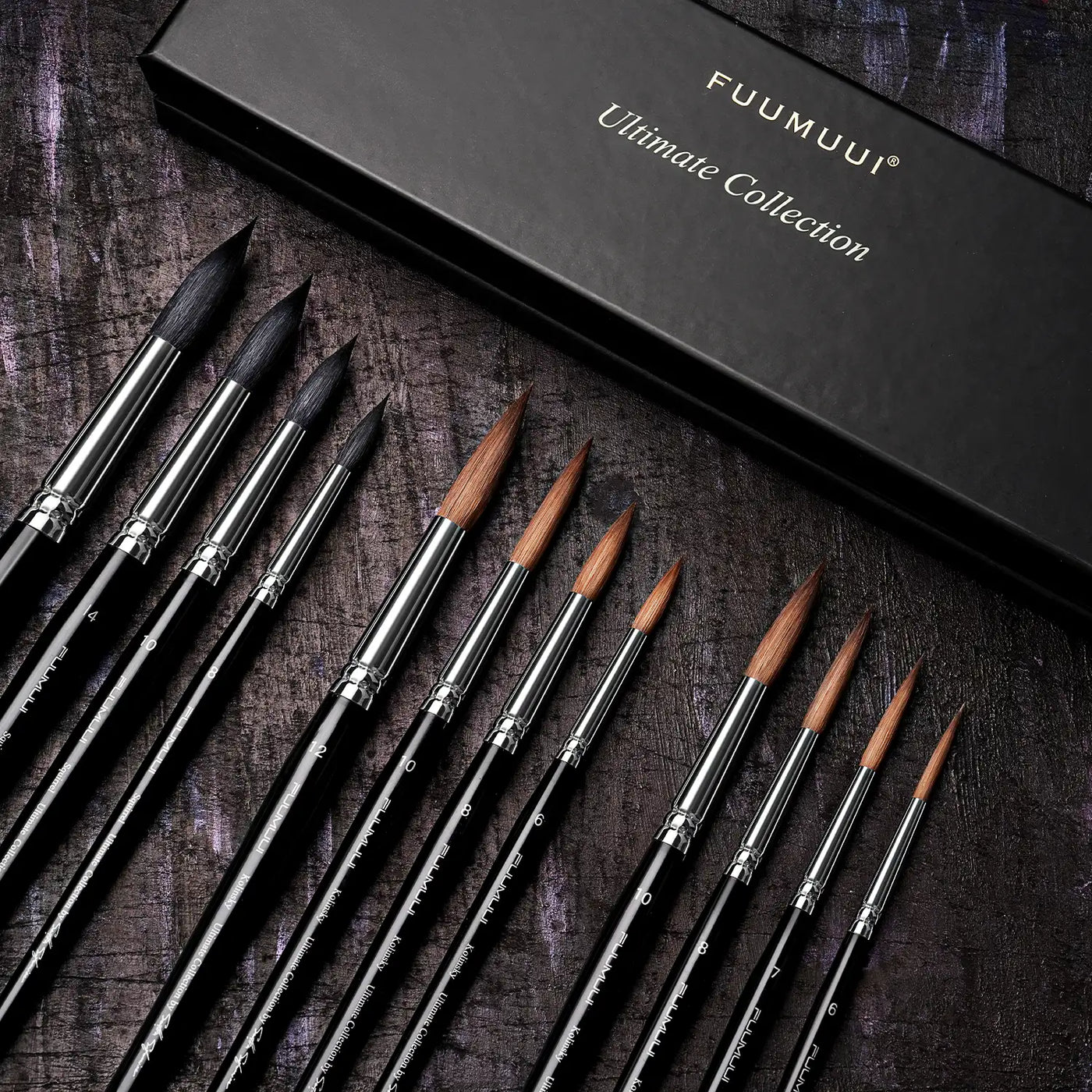
Most artists I know prefer a mixed hair calligraphy brush. These usually have a stiff inner core (wolf or rabbit) surrounded by a soft outer layer (goat). This gives you the water capacity of a soft brush with the pointing ability of a stiff one.
The history of these materials is deeply tied to the evolution of Chinese ink wash painting, which shares almost all its DNA with modern watercolor.
Japanese Calligraphy Brush vs. Chinese Calligraphy Brush
While they look similar, there are subtle differences.
A Japanese calligraphy brush (often called fude) is frequently crafted with a bit more focus on the "spring" of the brush. Many Japanese makers use a wider variety of hair, including deer and horse, to create specific textures.
A Chinese calligraphy brush tends to be a bit more traditional in its taper. If you are looking for that classic, long-pointed look that allows for "dancing" lines, the Chinese variety is often more accessible and versatile for general watercolor painting.
Techniques That Will Change Your Art

If you decide to add an asian calligraphy brush to your kit, don't hold it like a pencil.
- The Vertical Grip Holding the brush perfectly vertical allows you to use just the very tip. This is how you get those razor-thin lines for power lines, branches, or ripples in water.
- The Side-Swipe By laying the brush nearly flat against the paper, you can use the entire length of the hair to create a variegated wash. Because the hair is so long, the paint will distribute unevenly, creating a beautiful, natural texture that looks like stone or wood grain.
- The Dry Brush Flick Squeeze most of the water out of your calligraphy brush and "flick" it across cold-press paper. The bristles will split slightly, creating a "broken" line that is the hallmark of professional landscape artists.
Maintenance: Don't Treat It Like a Synthetic

These brushes are made of natural materials and organic glues. If you treat them like a $5 synthetic brush, they won't last a month.
The Initial Soak: New brushes come with a coating of starch to protect the tip. Soak it in lukewarm water for 10 minutes and gently massage the hairs until they are soft.
Never snap the starch off while it's dry.
Hanging to Dry: Most calligraphy brushes have a small string loop at the end. Use it! Hanging the brush tip-down allows water to escape the handle. If water sits in the bamboo, the wood will crack and the hairs will fall out.
No Harsh Cleaners: You don't need heavy chemicals. Plain water or a very mild soap is enough to keep the natural oils in the hair intact.
Are They Better Than Professional Watercolor Brushes?

I wouldn't say they are "better," but they are "different."
A high-end Kolinsky sable watercolor brush is designed for extreme predictability. You know exactly how it will react every time.
An asian calligraphy brush is designed for poetry. It has a bit of a mind of its own. It encourages you to be more gestural and less precious with your strokes. For many artists, this freedom is exactly what their work has been missing.
FAQs About Calligraphy Brush
Q1: Can I use a Chinese brush for watercolor instead of professional watercolor brushes?
A: Absolutely. Many professional artists prefer them because they offer more varied textures and hold more paint than standard Western rounds. They are especially good for "loose" styles.
Q2: What is the difference between a calligraphy brush and a watercolor brush?
A: The main difference is the construction. Calligraphy brushes lack a metal ferrule and use different layering of natural hairs to create a larger "belly" and a sharper point for gestural work.
Q3: Why do calligraphy brushes have a loop at the end?
A: The loop is for hanging the brush tip-down to dry. This is crucial for natural hair brushes to ensure that moisture doesn't collect in the handle, which can cause shedding or mold.
Q4: Is wolf hair better than goat hair for watercolor?
A: Neither is "better"—they just serve different purposes. Wolf hair is stiff and gives you more control for lines, while goat hair is soft and holds more water for washes and blending.
Q5: How do I stop my calligraphy brush from shedding?
A: Some shedding is normal when the brush is brand new. However, to prevent excessive shedding, never use hot water to clean it, as this can melt the natural glues inside the bamboo handle.
Finding Your Flow
Incorporating a calligraphy brush into your kit is about more than just a new tool; it’s about a new mindset. It encourages you to be more deliberate, more gestural, and a little less "perfectionist."
At Fuumuui, we’ve always believed that the best art comes from a mix of traditions. Our watercolor brushes often incorporate the best features of Eastern design—like high-capacity bellies and fine points—with the durability of modern materials.
If you’ve been feeling stuck in your creative process, I suggest you to put down your standard rounds and pick up a bamboo-handled beauty. It might feel "wild" at first, but once you learn to control that flow, you’ll never want to go back.
Ready to add some soul to your strokes? Welcome to browse and purchase our high-quality calligraphy brushes and watercolor series.

Pinceau de Calligraphie Chinoise
Ces pinceaux de calligraphie chinoise polyvalents offrent une sensation unique et sont principalement fabriqués à partir de poils d'animaux naturels....


