































Table of Contents
Watercolor is often celebrated for its spontaneity and delicacy, yet capturing true depth requires a mastery of subtlety. For beginners, the biggest challenge is often how to paint light. Is it about the pigment? The paper? Or something deeper?
To uncover the secrets of capturing atmosphere, shadow, and the essence of a scene, we sat down with Svetlin Sofroniev, a seasoned watercolor artist. Below, he share insights and techniques for beginners, and why painting light is actually about painting the darks.
The Essence of Watercolor: Spontaneity vs. Control
Many beginners struggle with the unpredictable nature of water. When asked how he view the medium, the artist compares it to a specific form of poetry—succinct, yet complete.
"Watercolor effortlessly conveys the impression of a moment — quick and succinct, yet complete. I often compare it to haiku poetry: it says everything without burdening the mind with unnecessary detail.
For me, it is both passion and challenge — delicate and subtle by nature, yet inherently untamed and unpredictable."
Artistic Style vs. Repetitive Mannerism
Developing a recognizable signature style is a goal for many painters. However, there is a fine line between having a unique voice and simply repeating the same tricks.
"I strive to be stylistically recognizable, to have my own signature, but never to become repetitive. Style and mannerism are two different currencies. Not two sides of the same coin — two entirely different coins. One carries value; the other is just a souvenir copy."
The Critical Role of Value Studies
Why do professional artists insist on value studies (monochrome sketches) before touching their color palette? According to the artist, this step is the "visual map" that prevents chaos.
"Before starting a watercolor painting, I ask my students to create a quick value study. It’s one of the most useful exercises for developing a strong understanding of light, composition, and depth.
A value study becomes a visual map that guides the entire process. It helps you see the essential light–dark relationships, organize the elements by importance, and avoid chaos long before color enters the scene."
How to Paint Light: The Power of Shadow and Halftone
A common misconception among students is that "glowing light" comes from a specific bright pigment. The artist corrects this view: light is defined by its opposite. To make the white paper glow, you must master the shadows and halftones that surround it.
"My students often ask me how to paint light — how to make watercolor glow, what pigment is best, which color they should choose.
The truth is, there is no special paint for light. Even the brightest, most expensive pigment won’t shine unless it is paired with its shadow. Light by itself is almost empty — it can simply be the untouched white of the paper. It becomes light only when placed next to the right halftone and shadow, when the contrast that defines it appears.
For me, painting lives exactly there — in the shadow and the halftone. In the nuances and the darks that make the sense of brilliance possible. Most of the painting doesn’t happen on the surface — neither on the canvas nor the paper, nor even in the pigment — but in the viewer’s mind. That is where the white page begins to glow; where a few strokes of watercolor turn into a stone with all its detail. The artist merely offers the signs; the eye and imagination complete the rest.
In my paintings, light is something you feel rather than simply see. It is defined entirely by how shadow and halftones interact around it. Without them, it remains bleached out — almost empty. The white paper or the purest pigment gains its radiance only when the precisely found shadow and the delicate halftone stand beside it."
Taming the Medium: Letting Watercolor Lead
Should you fight the water or follow it? The advice here is to treat the painting process like a dance, allowing the medium's natural flow to guide your hand.
"Watercolor does not tolerate resistance. You cannot fight it.
The easiest way to tame it is to let it lead you — like a dance — after which you can gently guide it toward your intention and direction."
Practical Exercise: Simplifying Subjects with Value Steps

In this example, the artist demonstrates how to break down a complex scene into four simple tonal value steps. This exercise trains the eye to see masses rather than details.
"In this case, I simplified the subject to just four value steps. Reducing everything to these few tones forces the eye to look for the true essence of the scene — the form, the rhythm, and the large masses of light and shadow. When you strip everything down to the minimum, the composition starts to speak on its own.
These exercises train both the eye and the mind to observe intentionally — to filter out what doesn’t matter instead of copying reality mechanically like a camera. With enough repetition, this way of seeing becomes natural. Over time, you begin to see the value study directly in your mind, without always needing to draw it first — but that comes only with practice and many hours of work.
A value study isn’t just preparation; it’s the foundation on which the entire painting is built."
Key Takeaways for Beginners
-
Don't skip the Value Study: It acts as a roadmap to prevent compositional chaos.
-
Paint the Shadows to Reveal Light: Light only exists in contrast to darks. Leave the white paper untouched and define it with halftones.
-
Simplify Your Subject: Try reducing a scene to just 4 tonal values to find its essence.
-
Don't Fight the Water: Guide the medium gently; allow for spontaneity.
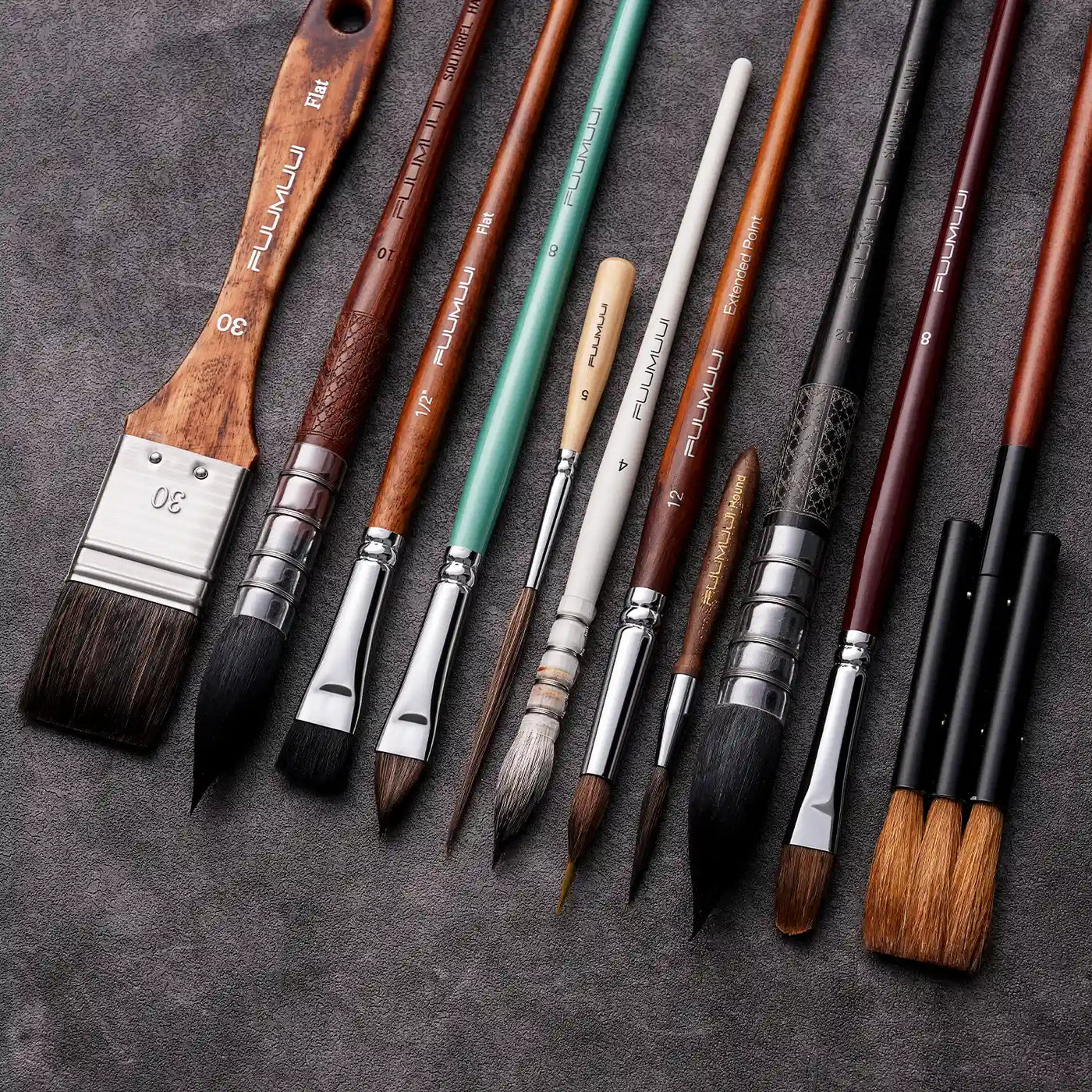
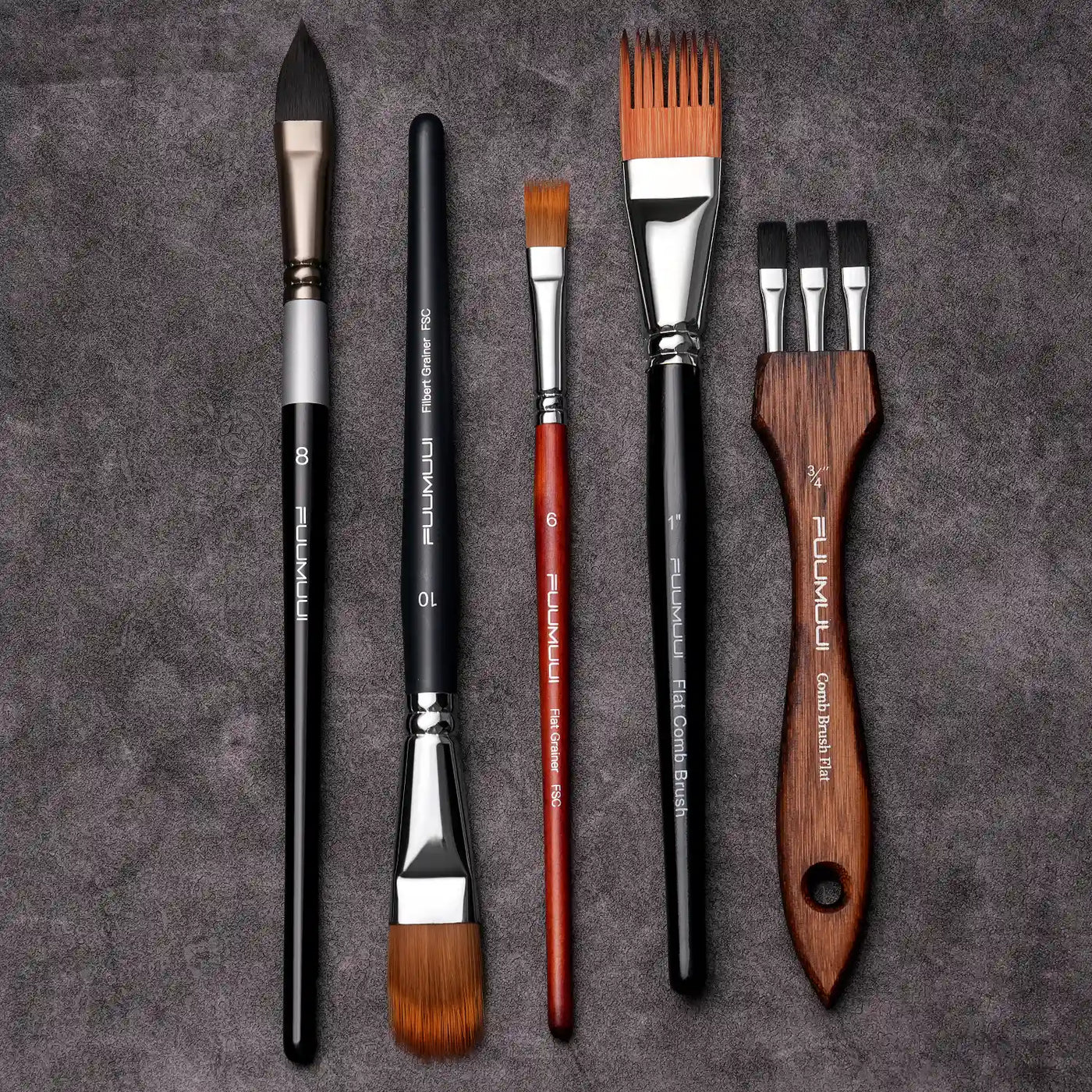
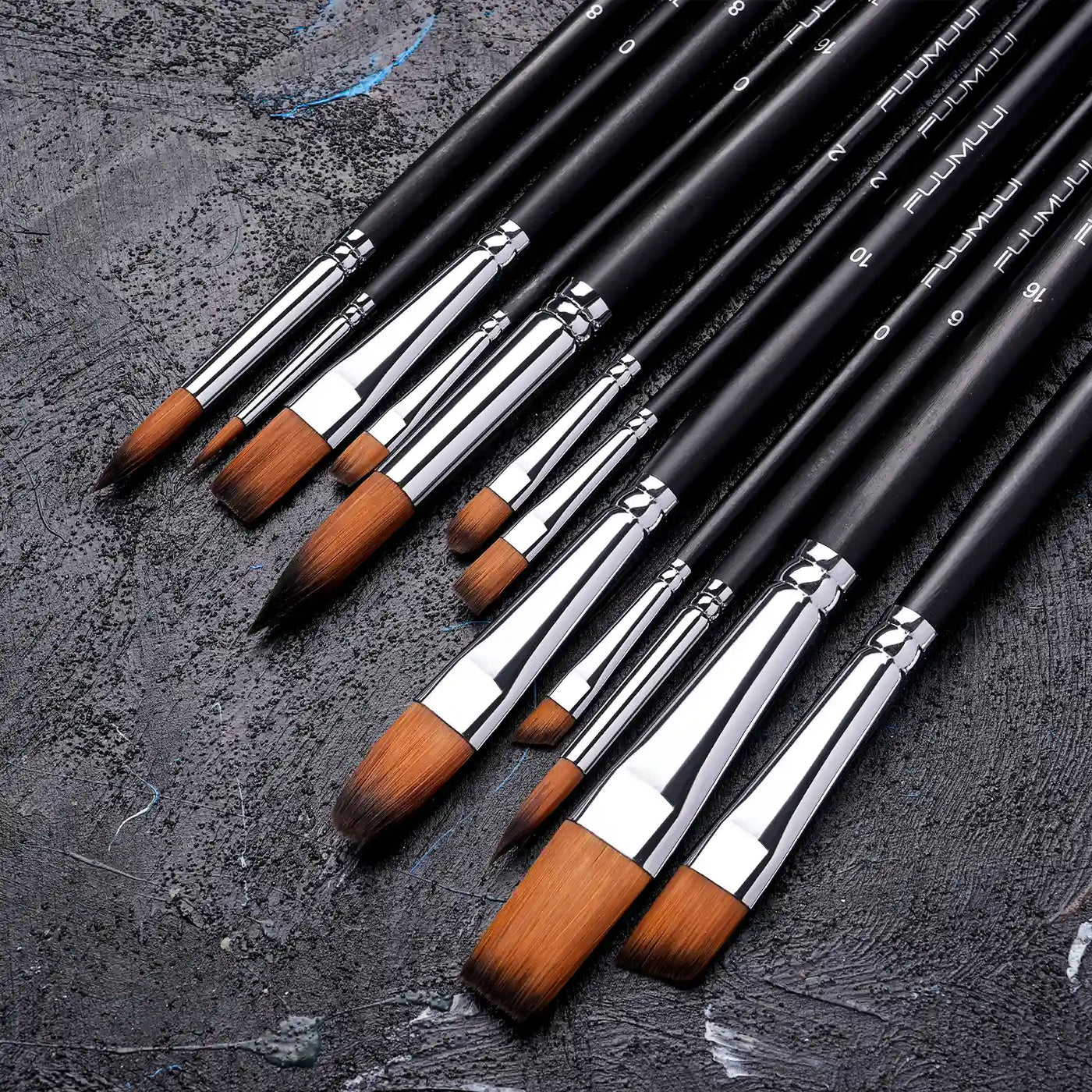
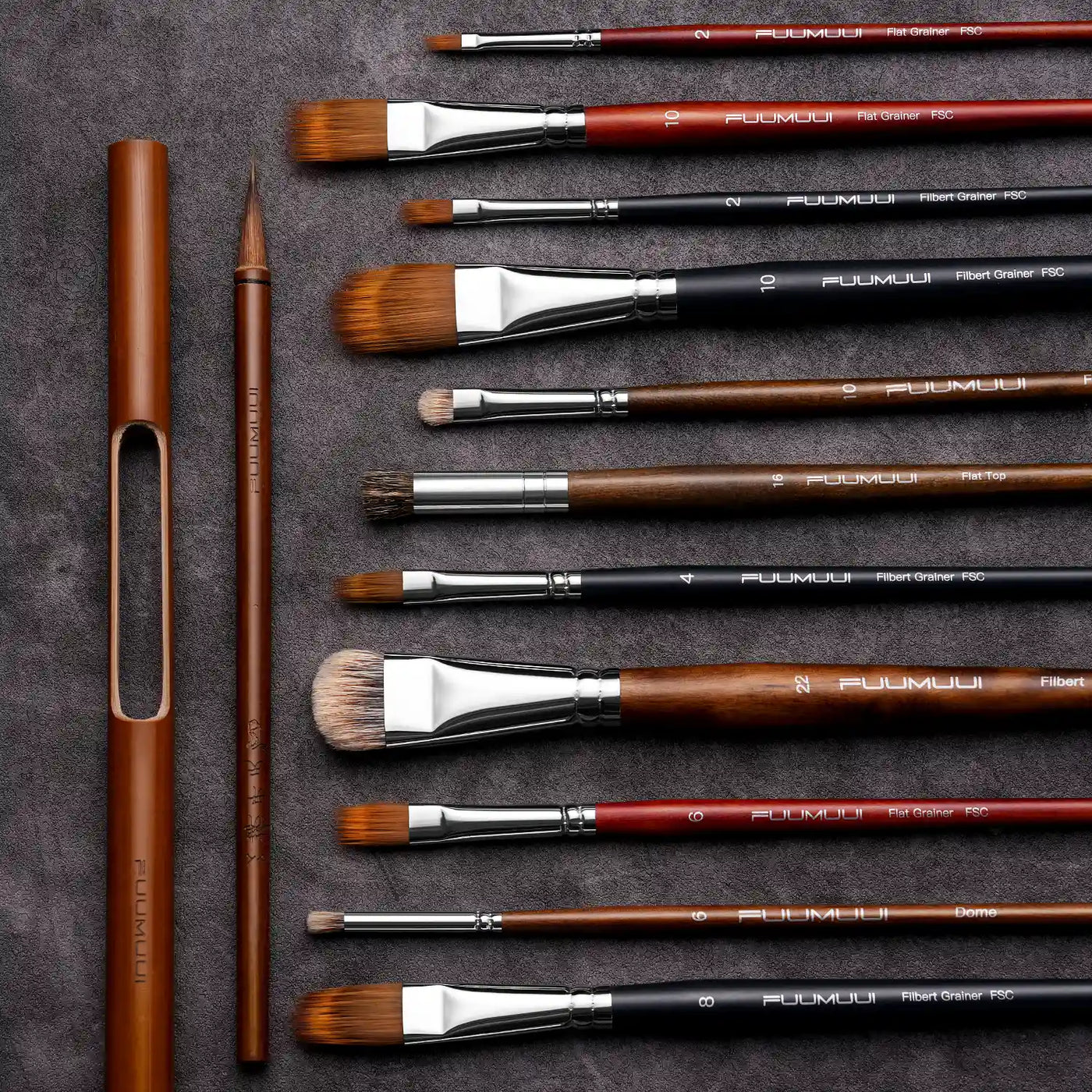
Ready to start your own value studies? Explore our collection of professional watercolor brushes designed to hold the perfect amount of water for both broad washes and detailed shadows.
Connect with Svetlin Sofroniev
Discover more of Svetlin's maritime masterpieces and workshops:


