
















Table of Contents
Key Takeaways
Verdict: Three primary colors set the foundation for an autumn landscape through thoughtful color mixing, controlled water, and expressive brushwork.
- Three-Color Palette: Use red, yellow, and blue to mix warm foliage, natural greens, cool distant tones, and deeper shades.
- Layered Autumn Landscape: Build the scene from a soft yellow wash and misty background to textured grass, foliage, and fine branches.
- Professional-Grade Materials: Pair ROCKWELL paints, FUUMUUI brushes, and BAOHONG watercolor paper for controlled mixing, expressive brushwork, and layered techniques.
Three colors are all it takes to set an autumn scene in motion. With the ROCKWELL × FUUMUUI × BAOHONG watercolor set, this painting builds from a soft golden wash into misty trees, warm foliage, textured grass, and fine branches.
What You’ll Need for This Autumn Watercolor
Before you begin, prepare your workspace and gather these essentials:
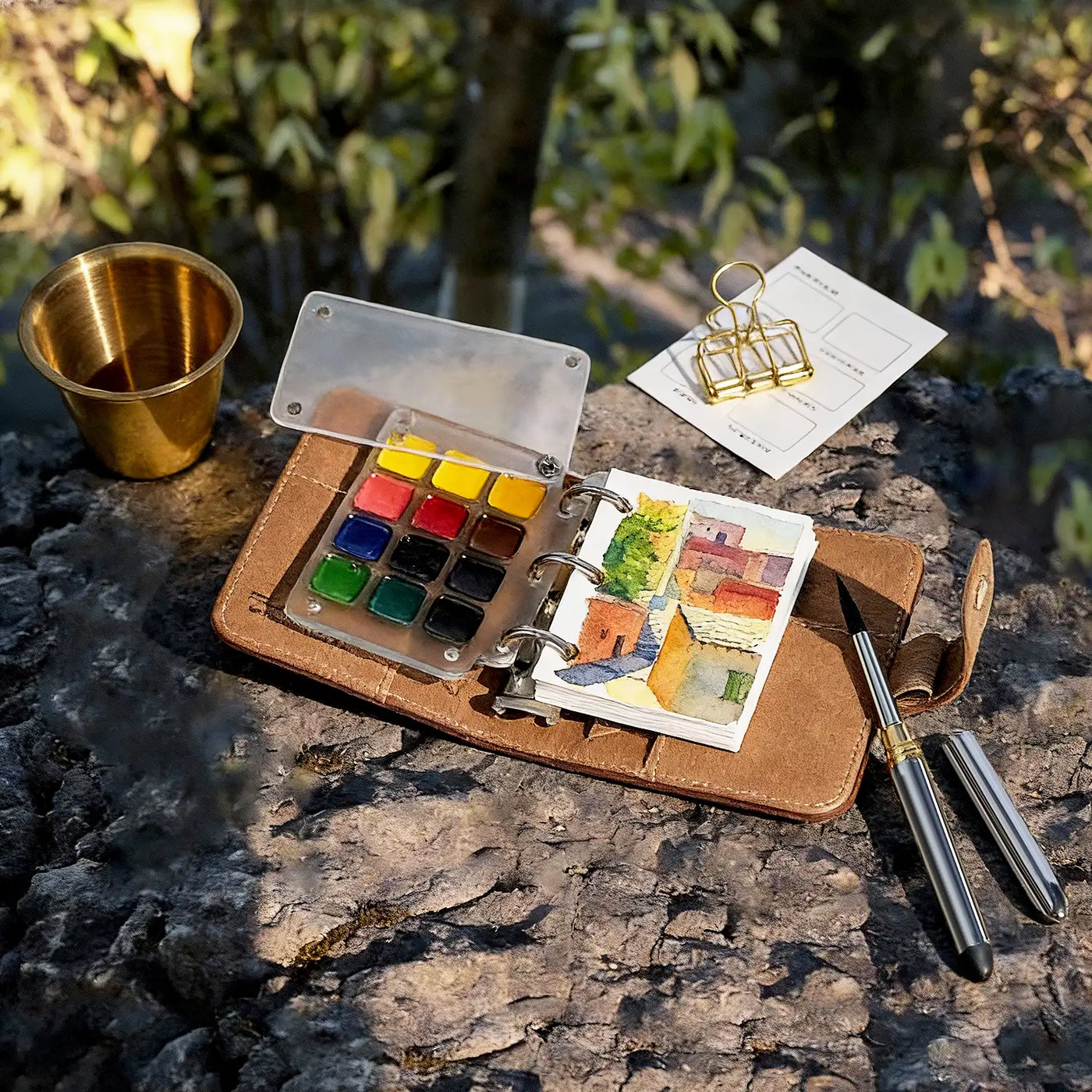
- ROCKWELL Watercolor Paints: Red, yellow, and blue for mixing the warm and cool tones used throughout the painting.
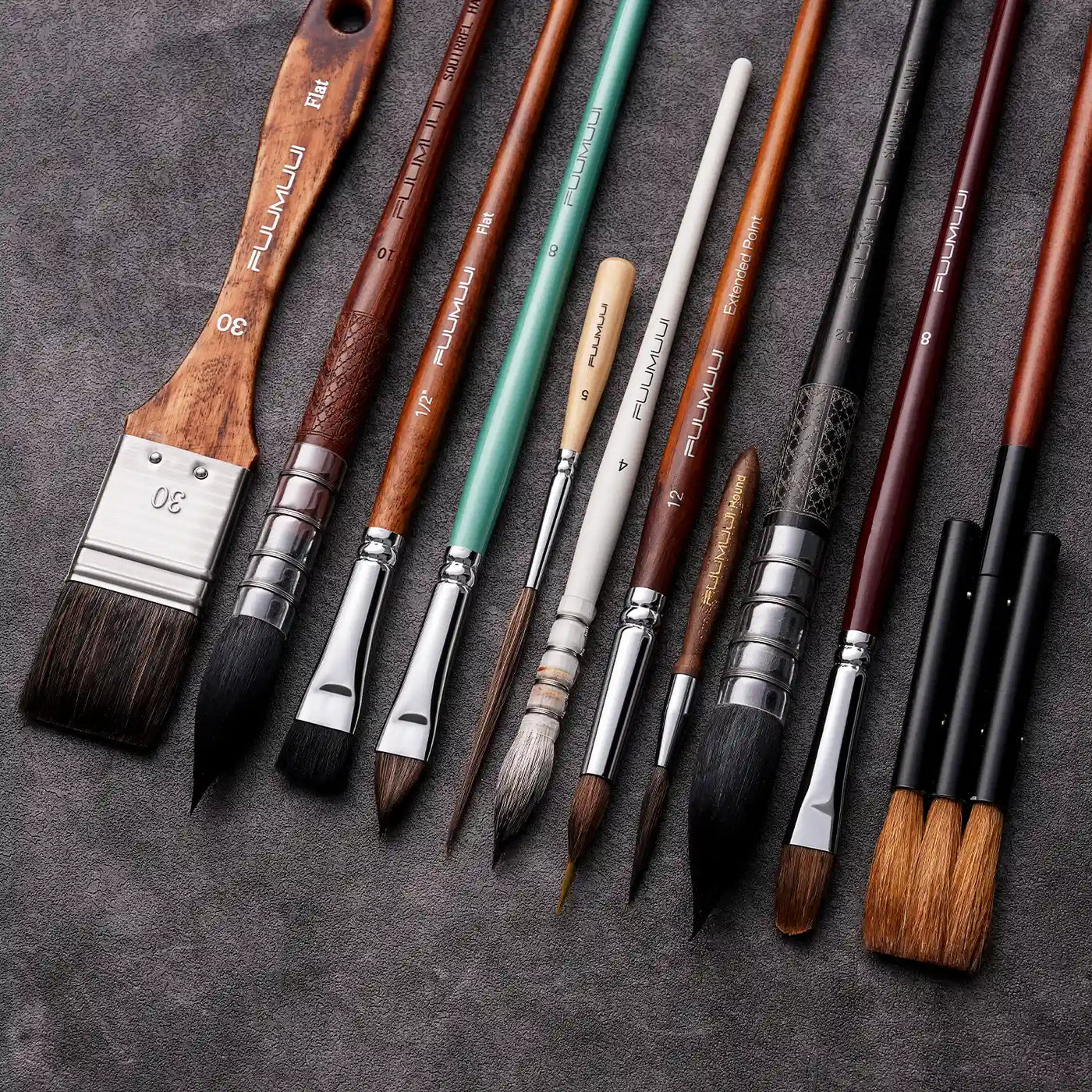
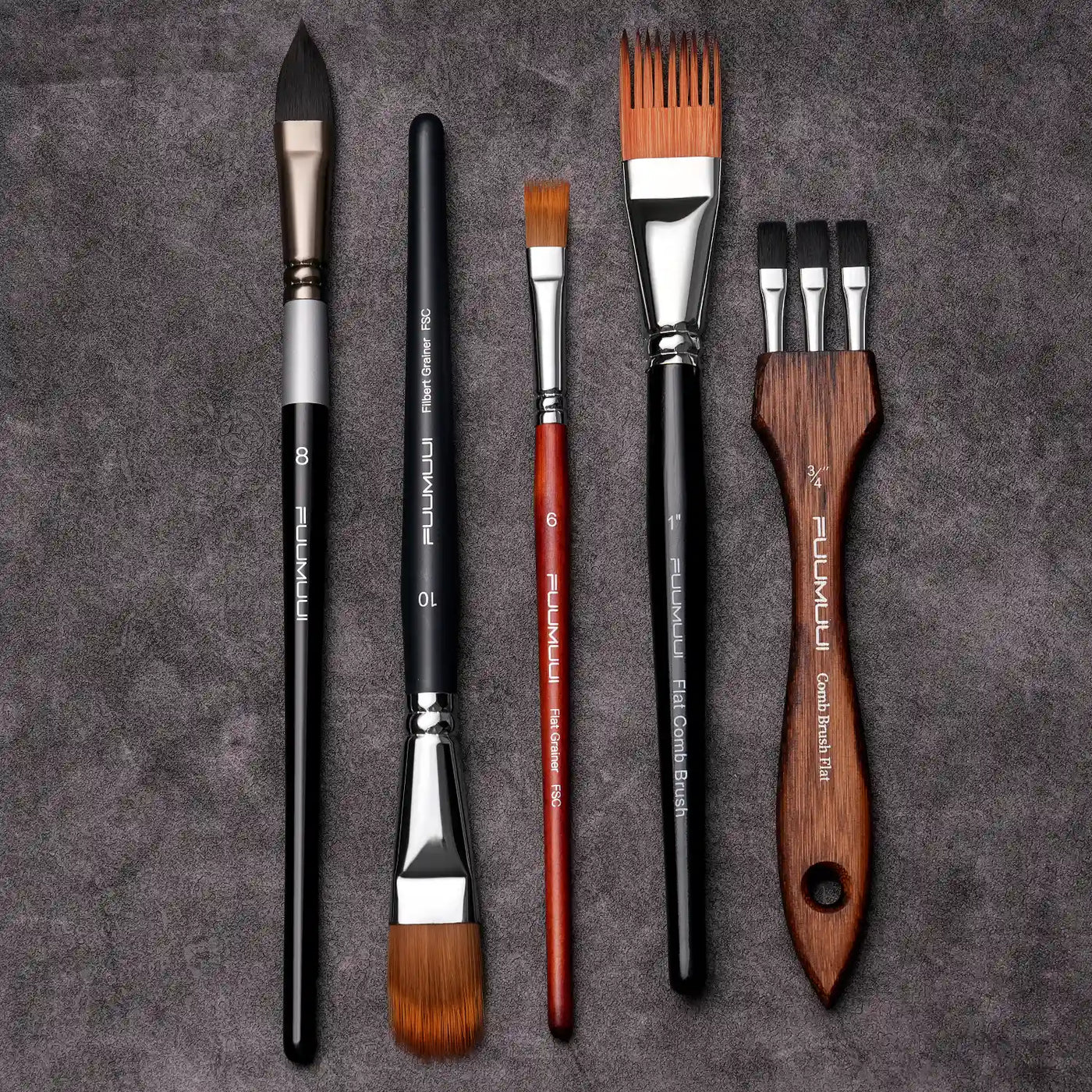
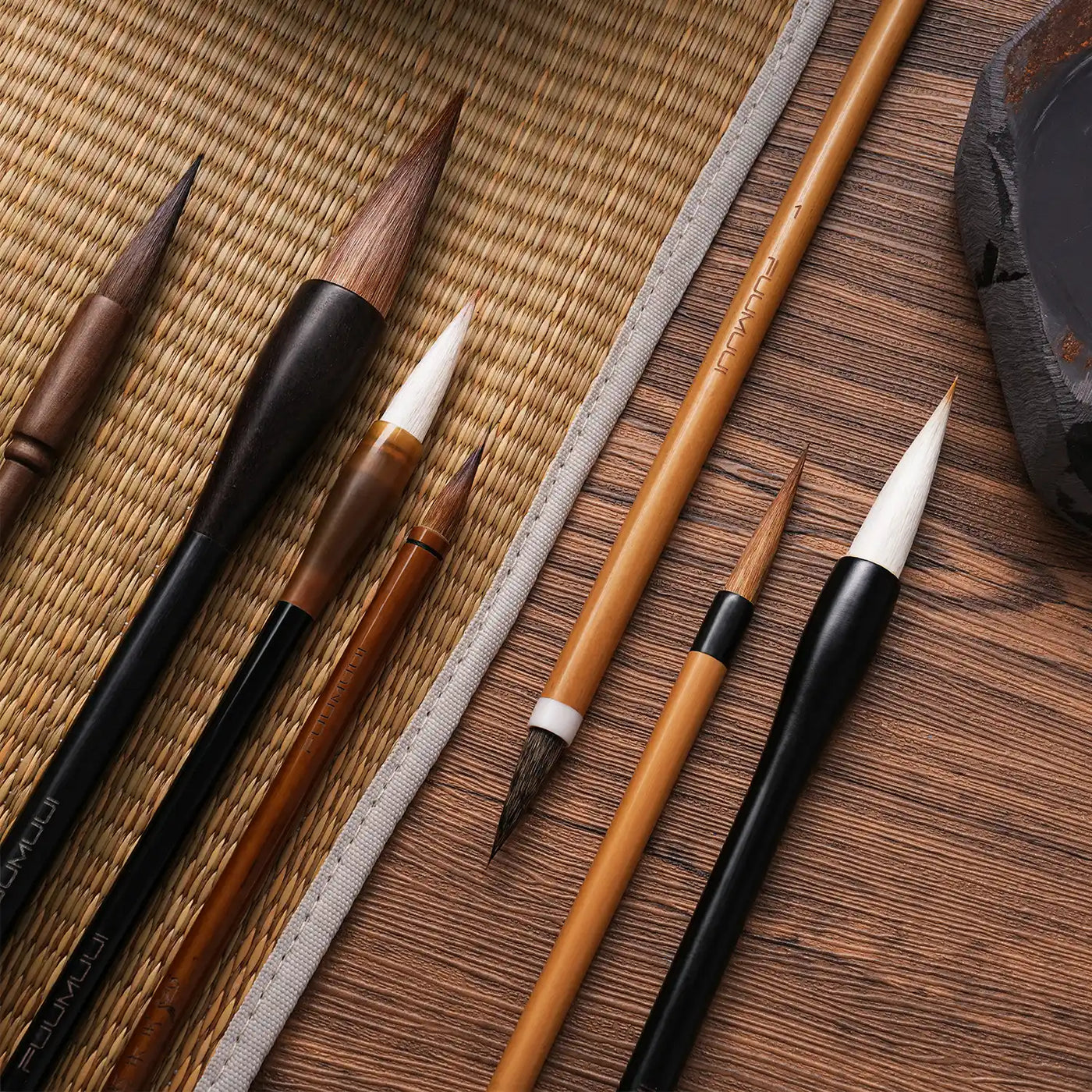
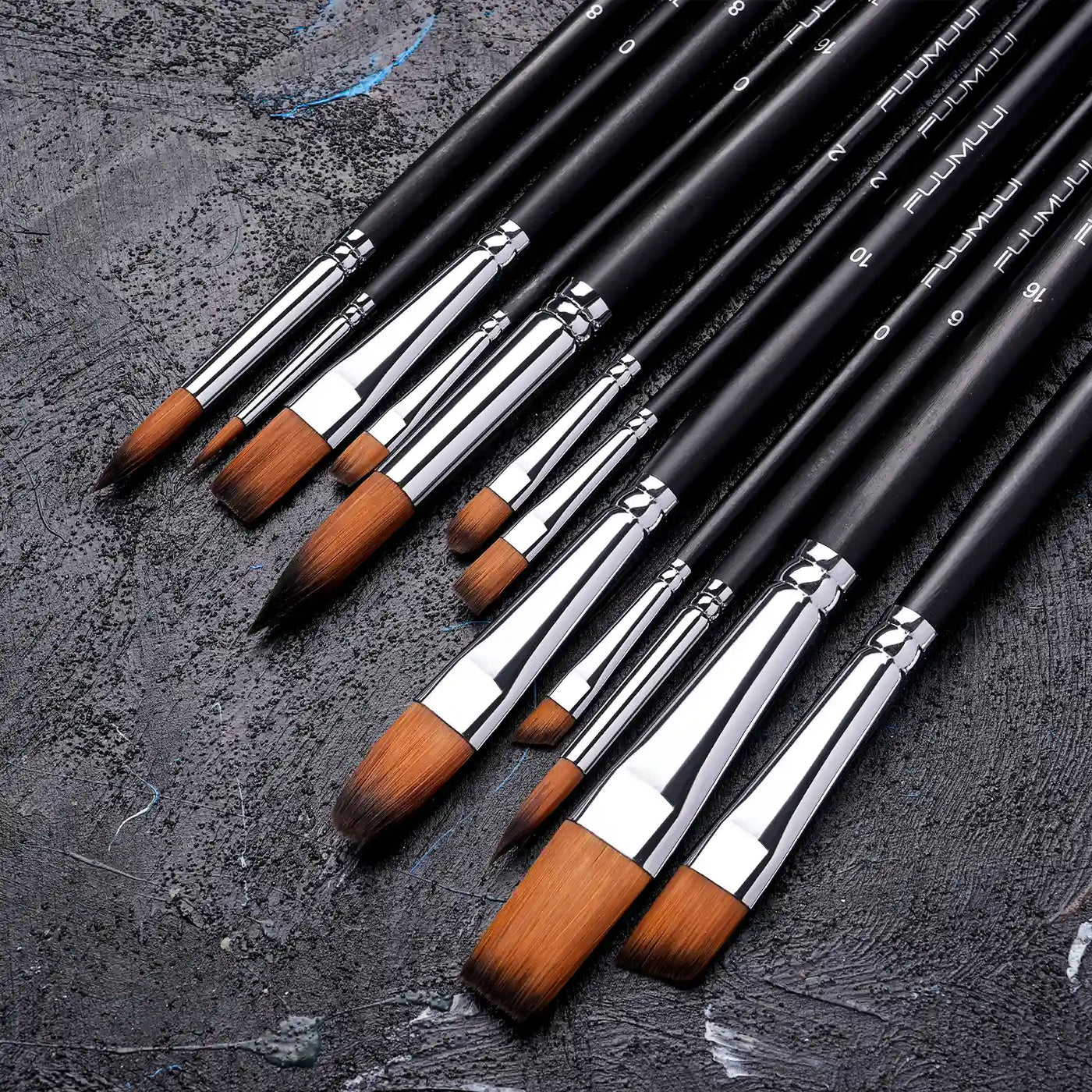
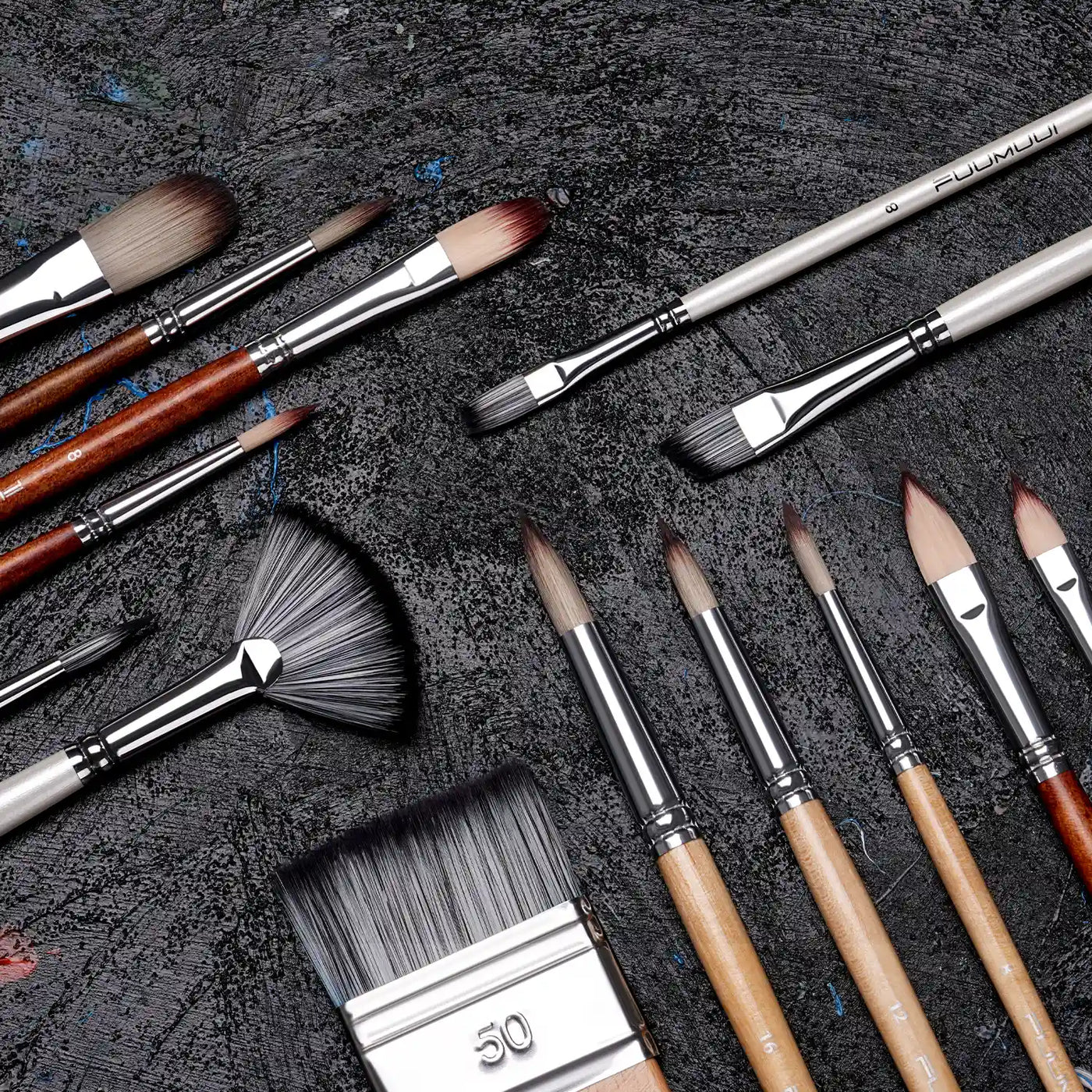
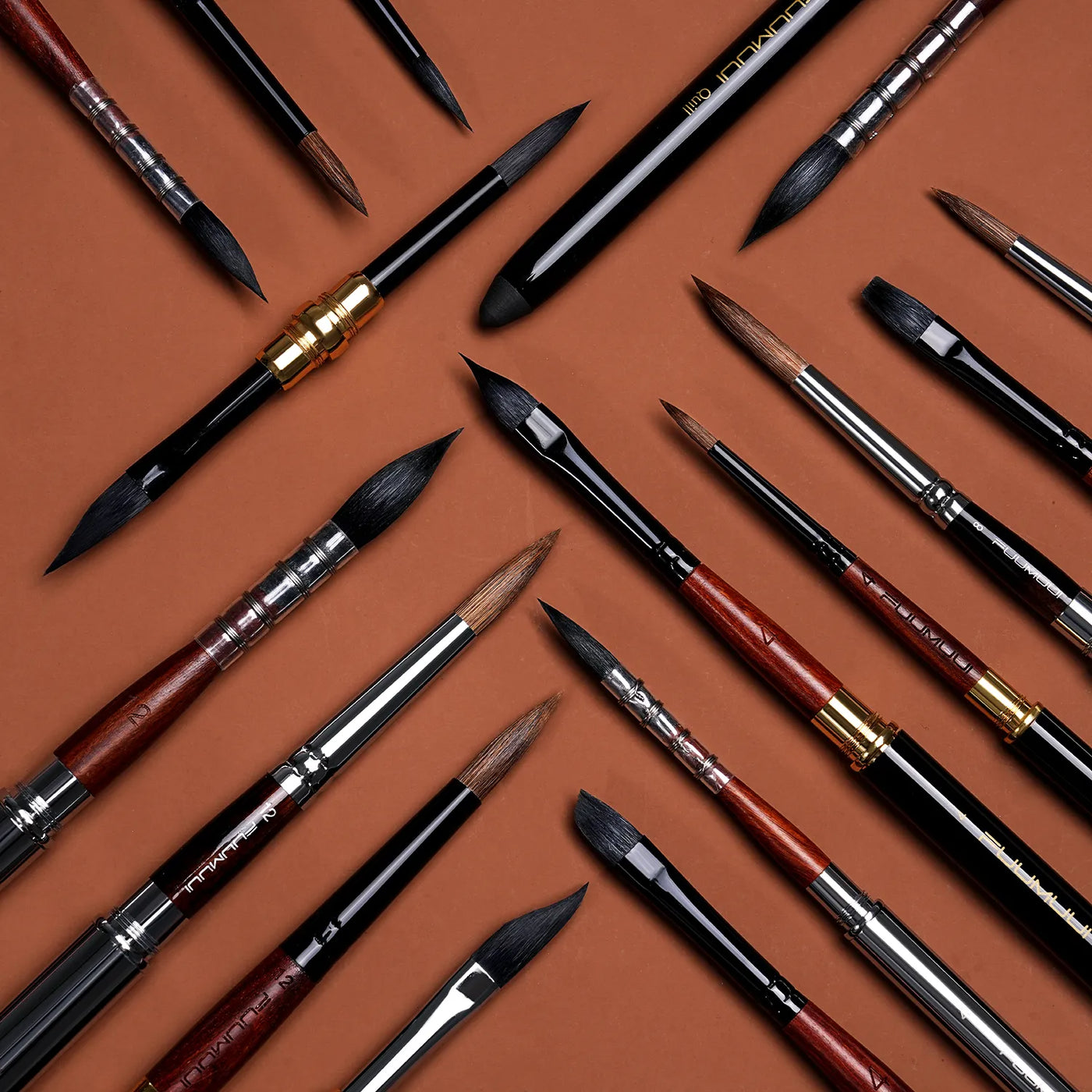
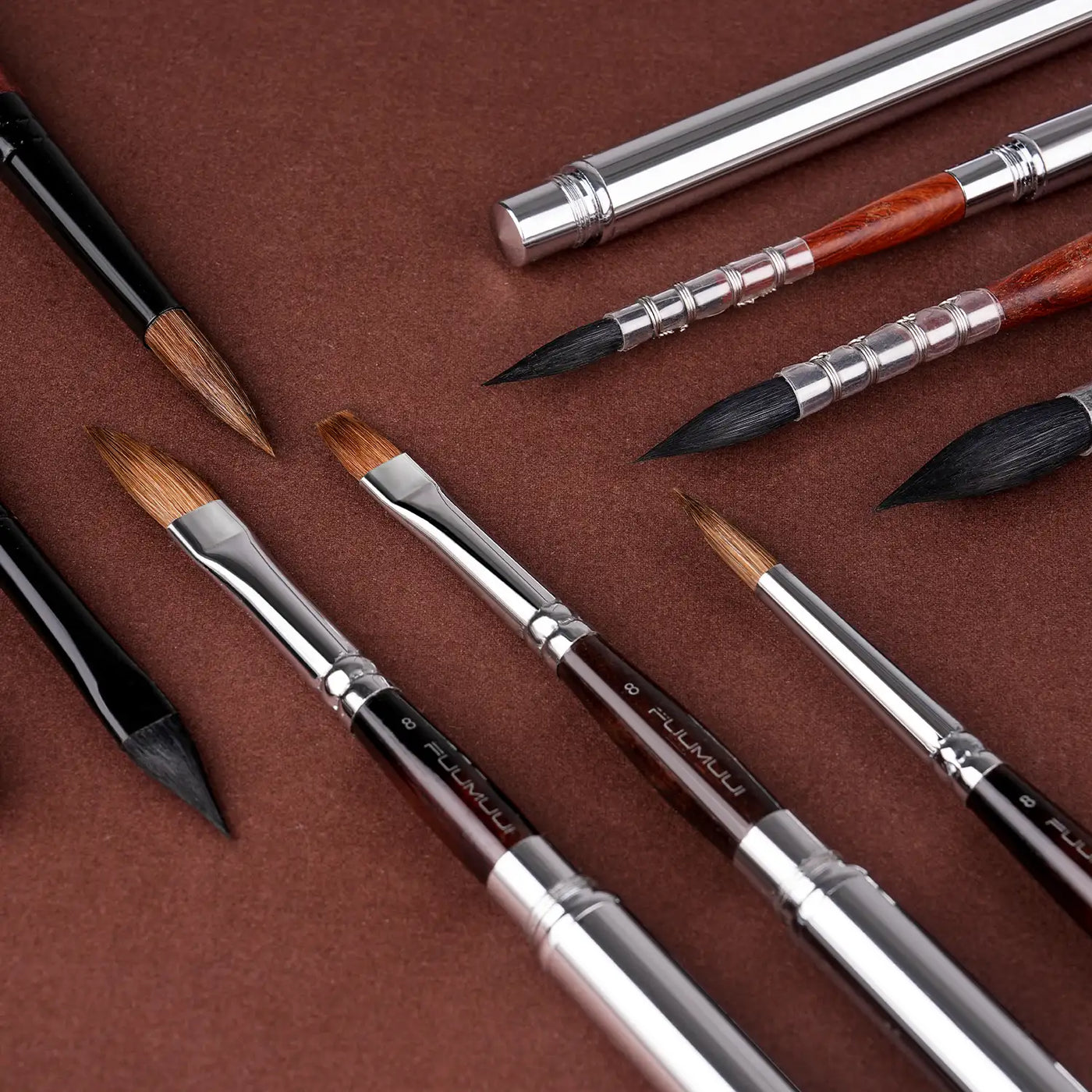
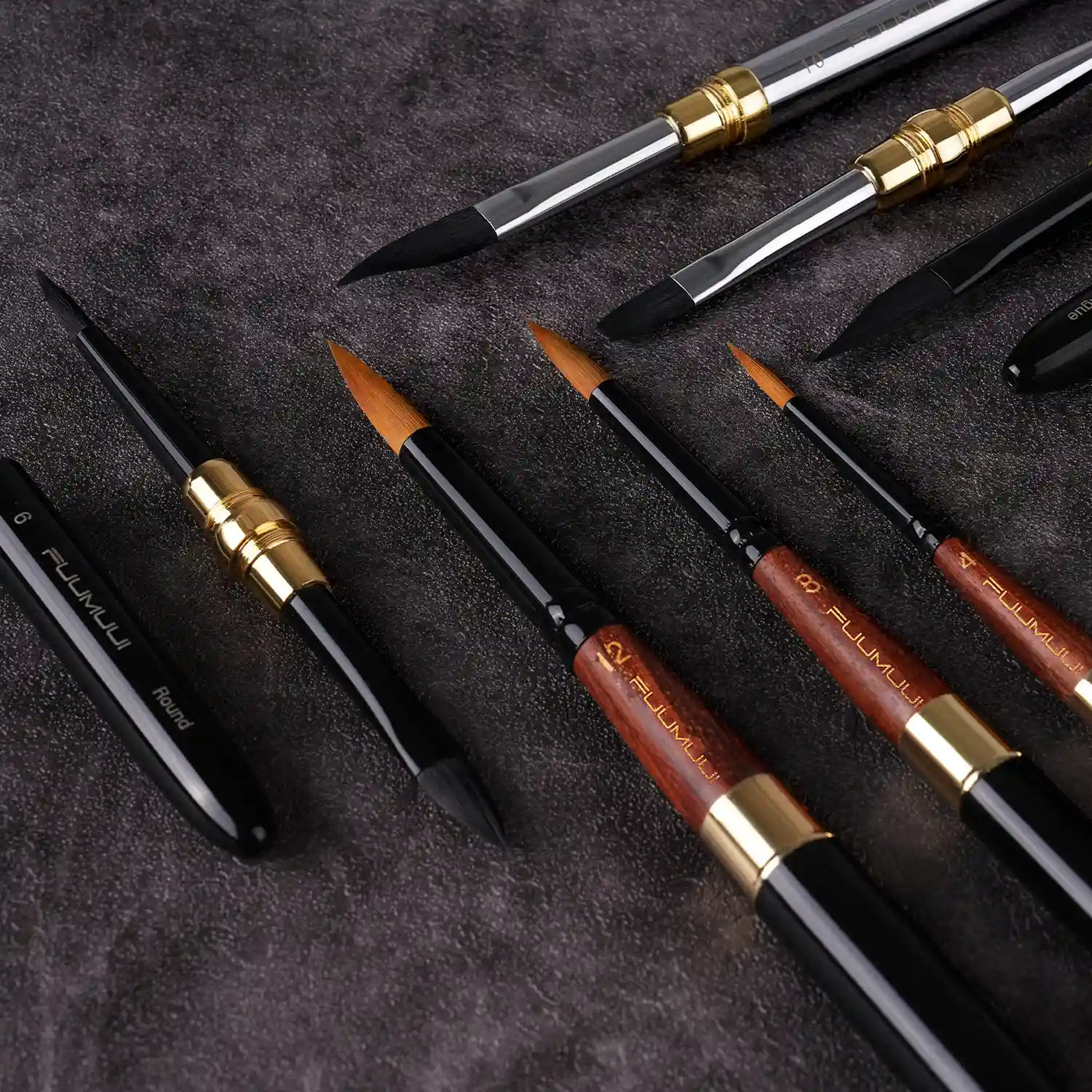
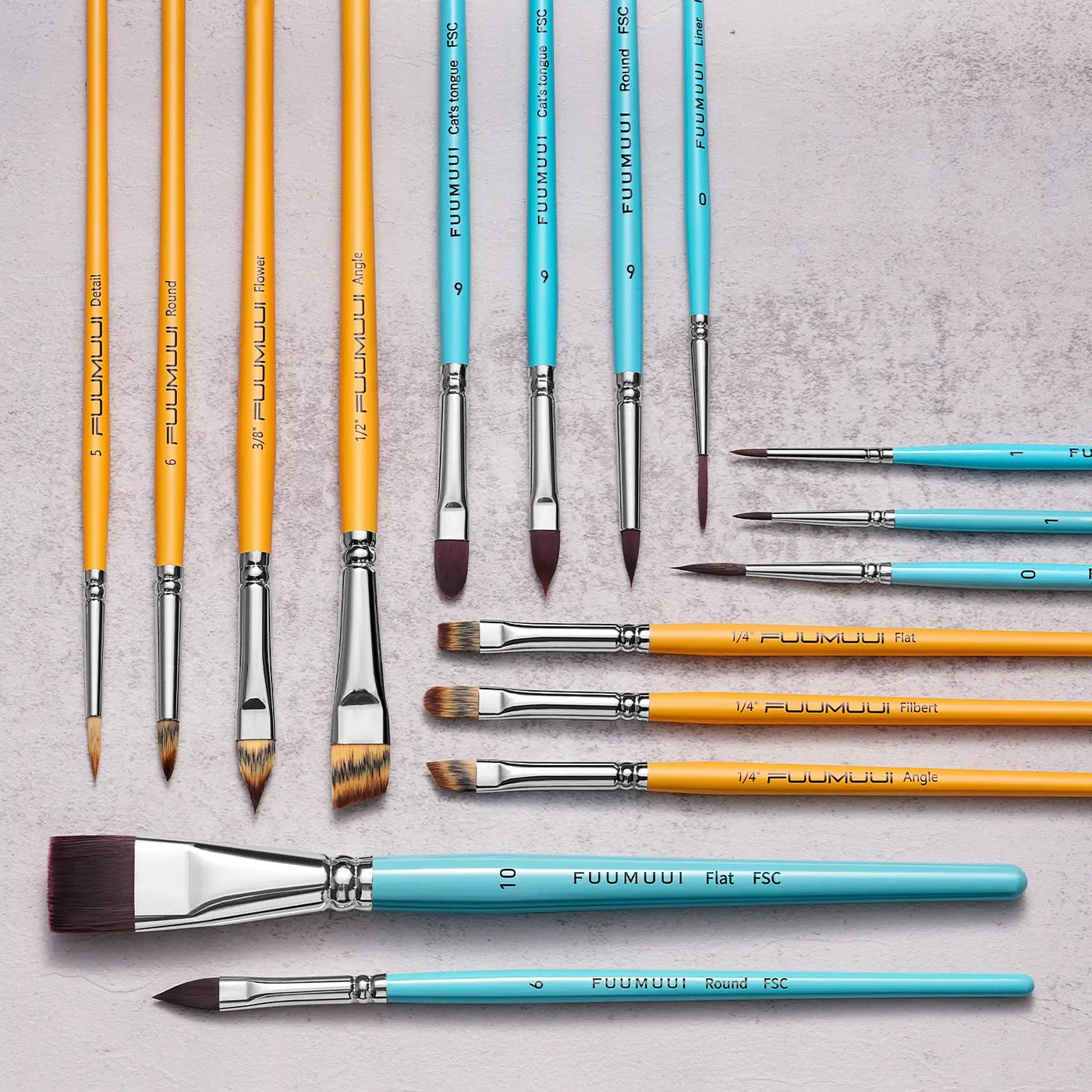
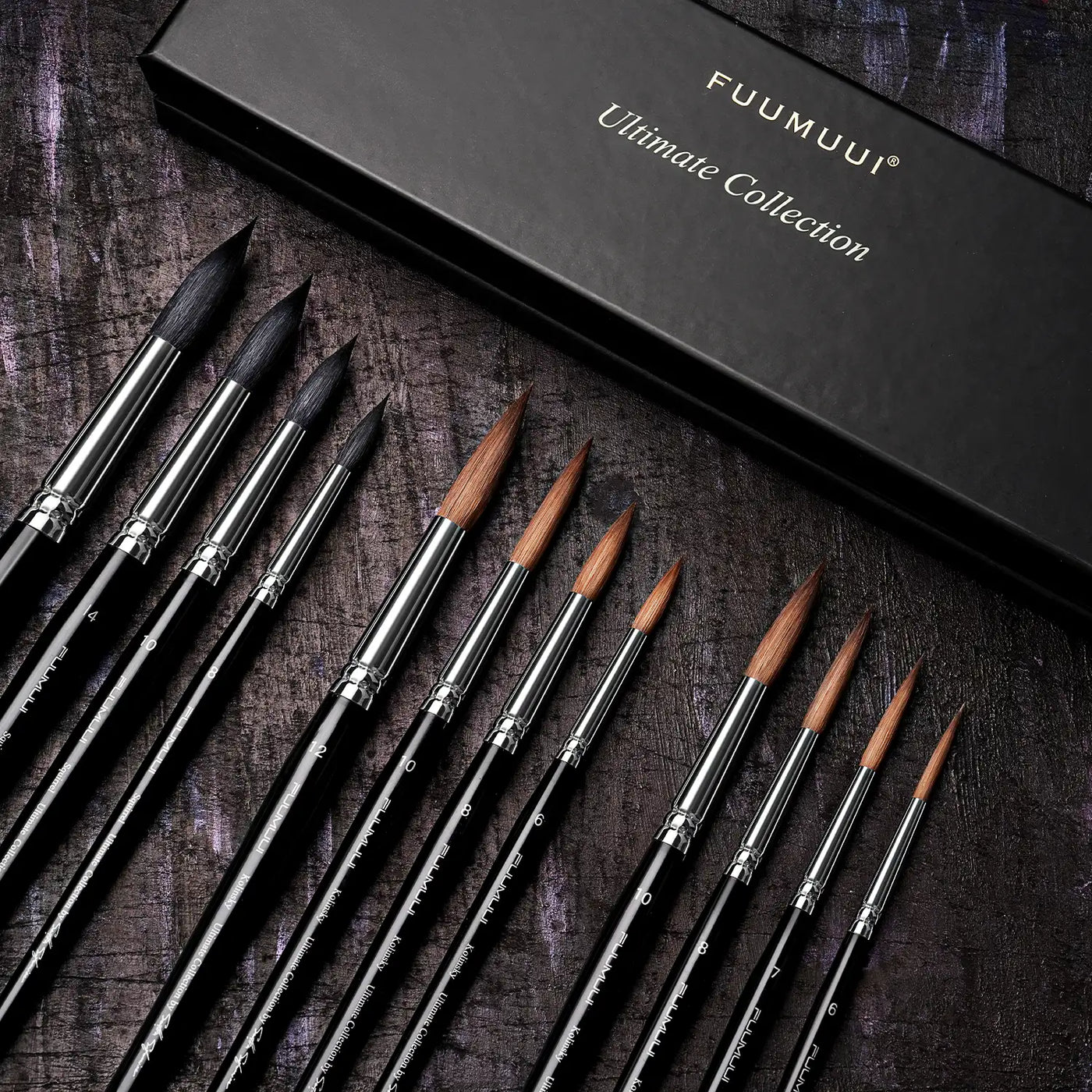
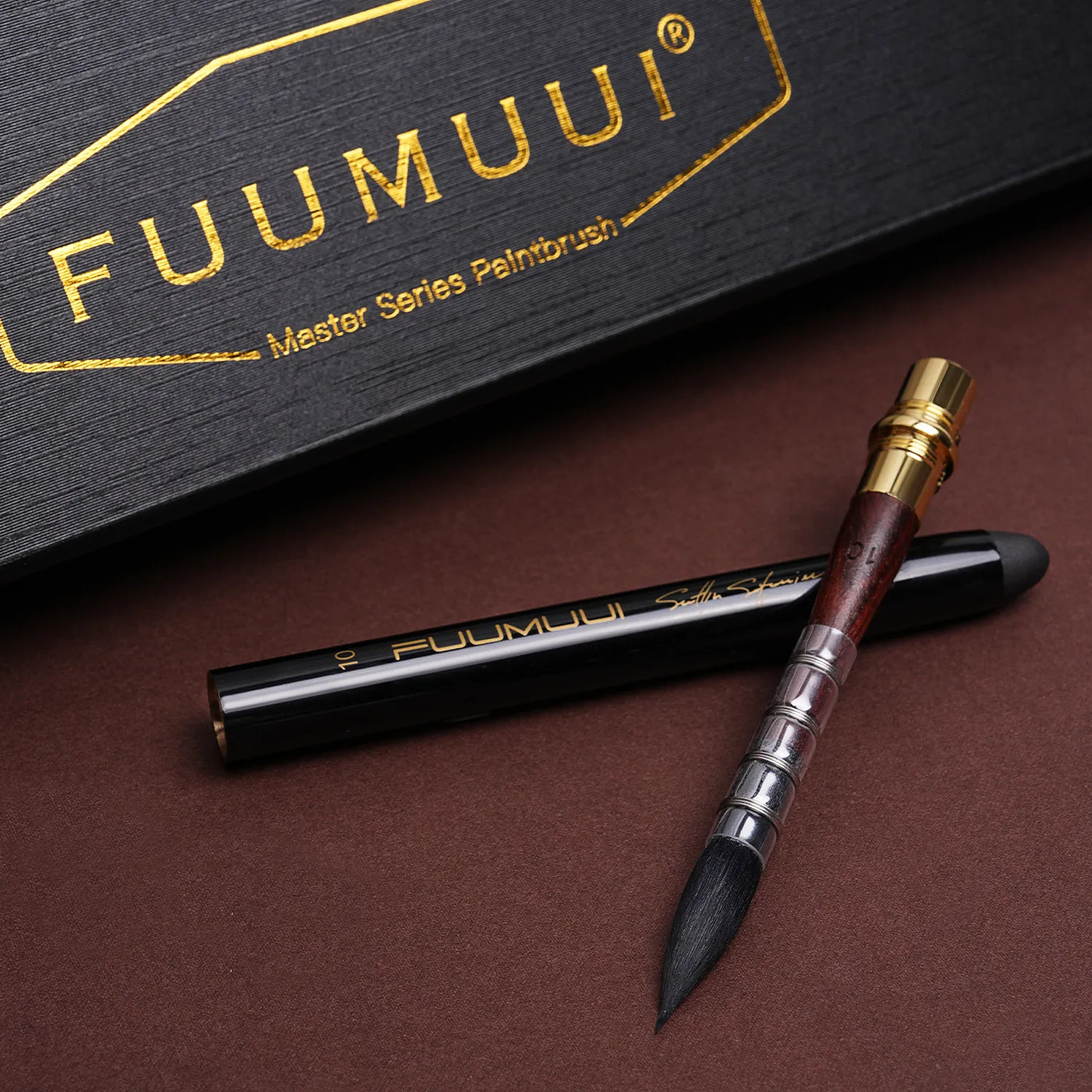
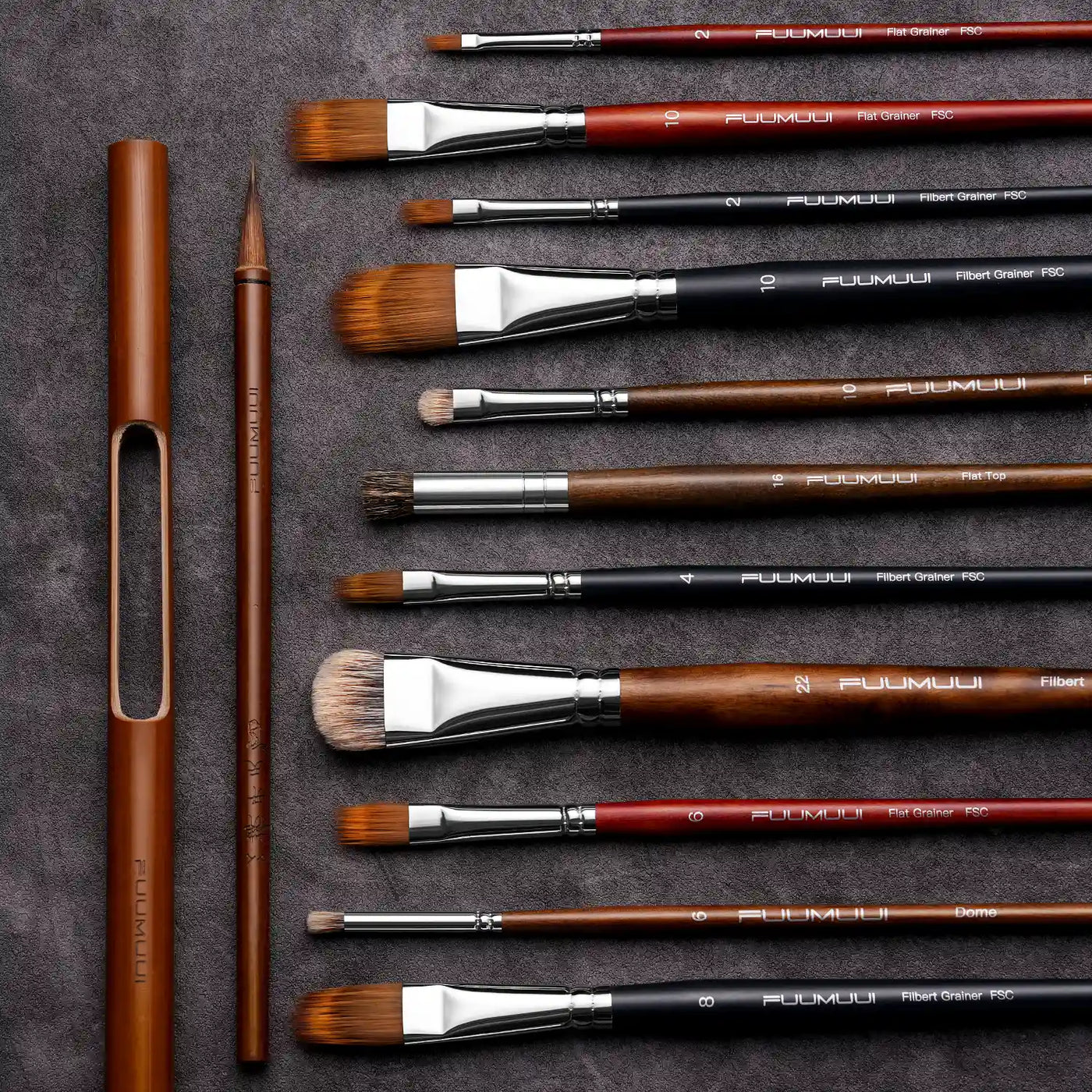
- FUUMUUI Brushes: A selection of watercolor brushes for broad washes, expressive strokes, and fine details.
-
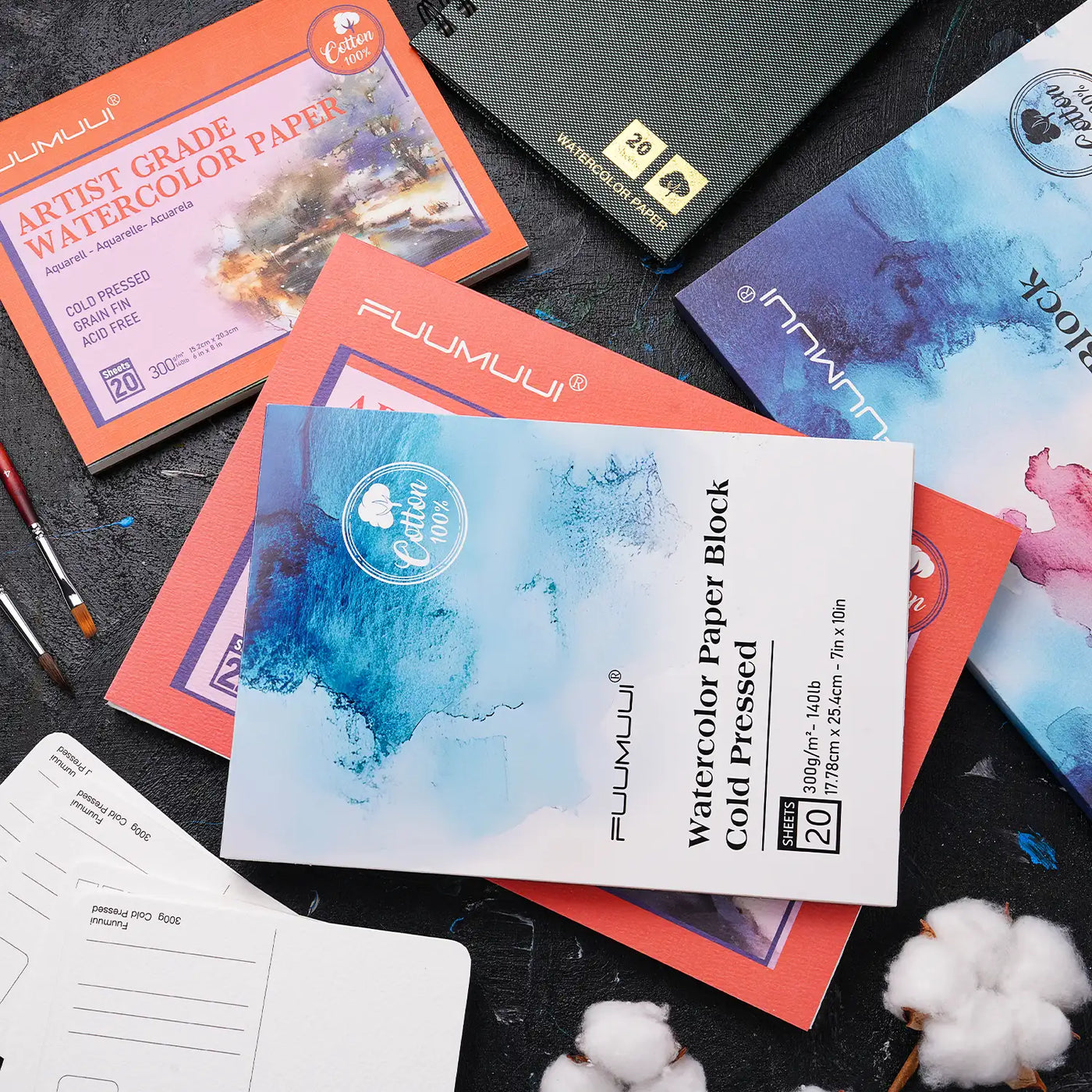
BAOHONG Watercolor Paper: 300gsm, 100% cotton paper for wet washes, layering, and dry brush techniques.
[product 1]
Early Autumn Watercolor Tutorial: From Background to Details
From the first warm wash to the final brushstrokes, this painting builds layer by layer with simple watercolor techniques. Watch the tutorial below and follow along as the autumn landscape takes shape.
01
Lay Down the Background Wash
Dilute yellow watercolor with clean water and spread a light wash across the paper. This warm base establishes the soft morning light of the autumn forest.
Keep the color transparent and even, leaving room for the cooler and warmer layers to come.

02
Paint the Distant Trees
While the yellow wash is still damp, add lavender purple to suggest the distant trees. Let the pigment spread naturally into the wet surface to create a soft, hazy transition.
The BAOHONG watercolor paper allows the colors to blend smoothly, creating a soft, misty effect.

03
Build Depth with Dry Brush
Once the background is dry, load the brush with less water to build the middle and foreground with dry brush strokes.
Layer darker colors selectively to add texture and depth while keeping parts of the lighter underpainting visible.

04
Mix Greens and Paint the Grass
Mix yellow and blue to create different greens, then use them to build the grassy foreground.
Vary the greens and brush direction to keep the ground natural rather than uniform.

05
Add Tree Trunks and Grass
Use the pointed tip of a FUUMUUI brush to define the tree trunks and fine branches. Then turn the brush on its side and pull quick upward strokes to create loose grass textures.
The change in pressure and brush angle adds variety without requiring every detail to be painted individually.

06
Add the Fine Details
Finally, strengthen selected areas of the foliage, grass, and branches to bring the composition together.
Keep some lighter washes and natural paper texture visible. These quieter areas help balance the darker details and preserve the airy quality of the watercolor.

Autumn Watercolor Painting FAQs
Q1: Can I paint this autumn landscape with only three colors?
A: Yes. Red, yellow, and blue can be mixed to create warm oranges, natural greens, and deeper tones throughout the scene.
Q2: Which brushes work best for this tutorial?
A: Use a larger brush for the background wash and broader foliage marks, then switch to a pointed brush for tree trunks, branches, and fine details.
Q3: Why use BAOHONG 300gsm cotton watercolor paper?
A: Its 100% cotton surface works well for both soft wet-on-wet washes and textured dry brush layers, providing a reliable surface for blending, layering, and detail work.
Q4: Should I let each watercolor layer dry?
A: Not every layer needs to dry completely. Keep the background damp when adding the distant trees for a soft, misty effect. Once the background is dry, use a brush with less water to build stronger colors and details in the foreground.
Q5: Is this watercolor set suitable for professional artists?
A: Yes. Designed for professional-level artists, the watercolor set combines three focused colors, versatile watercolor brushes, and 300gsm 100% cotton paper for controlled color mixing, expressive brushwork, and layered techniques.
Paint Your Own Autumn Landscape
Now it’s your turn. Try these techniques with the ROCKWELL × FUUMUUI × BAOHONG watercolor set, or use them as a starting point to create your own autumn scene.
We’d love to see what you create. Tag @FUUMUUI when you share your finished artwork, and follow us on Instagram and YouTube for more watercolor inspiration.


