


Table of Contents
Key Takeaways
Verdict: Your palette material dictates your mixing success. Ceramic is the gold standard for watercolor due to its non-beading surface; Glass is ideal for easy acrylic/oil cleanup; and Wood provides a neutral mid-tone background for oil painters.
- For Watercolor: Choose ceramic or conditioned plastic to prevent "beading" and judge transparency accurately.
- For Acrylic: Use a wet palette system or glass surface to combat fast drying times.
- Ergonomics: Select a kidney shape with a thumb hole for standing sessions to prevent hand fatigue, or rectangular for desk work.
I remember the first time I moved beyond the cheap, circular plastic tray I’d used since high school. I was halfway through a large-scale watercolor landscape, and my pigments were "beading up" on the surface like water on a freshly waxed car. I couldn't see the actual mix. I couldn't judge the transparency. It was a mess.
Switching to a heavyweight ceramic paint palette was a revelation. Suddenly, the paint laid flat. The colors looked true. It felt like I’d finally stopped fighting my tools and started collaborating with them.
Your artist palette is more than just a place to squeeze tubes; it is your creative command center. It’s where your brain translates an idea into a physical color. Whether you’re an oil painter working on a portrait or a hobbyist with a mini paint palette in a coffee shop, the foundation matters. Let’s break down the best palette for artists.
Material Matters: Selecting the Right Foundation
The surface you mix on dictates how your paint behaves. In my twenty years of painting, I've found that choosing the wrong material is the fastest way to ruin a good mood in the studio.
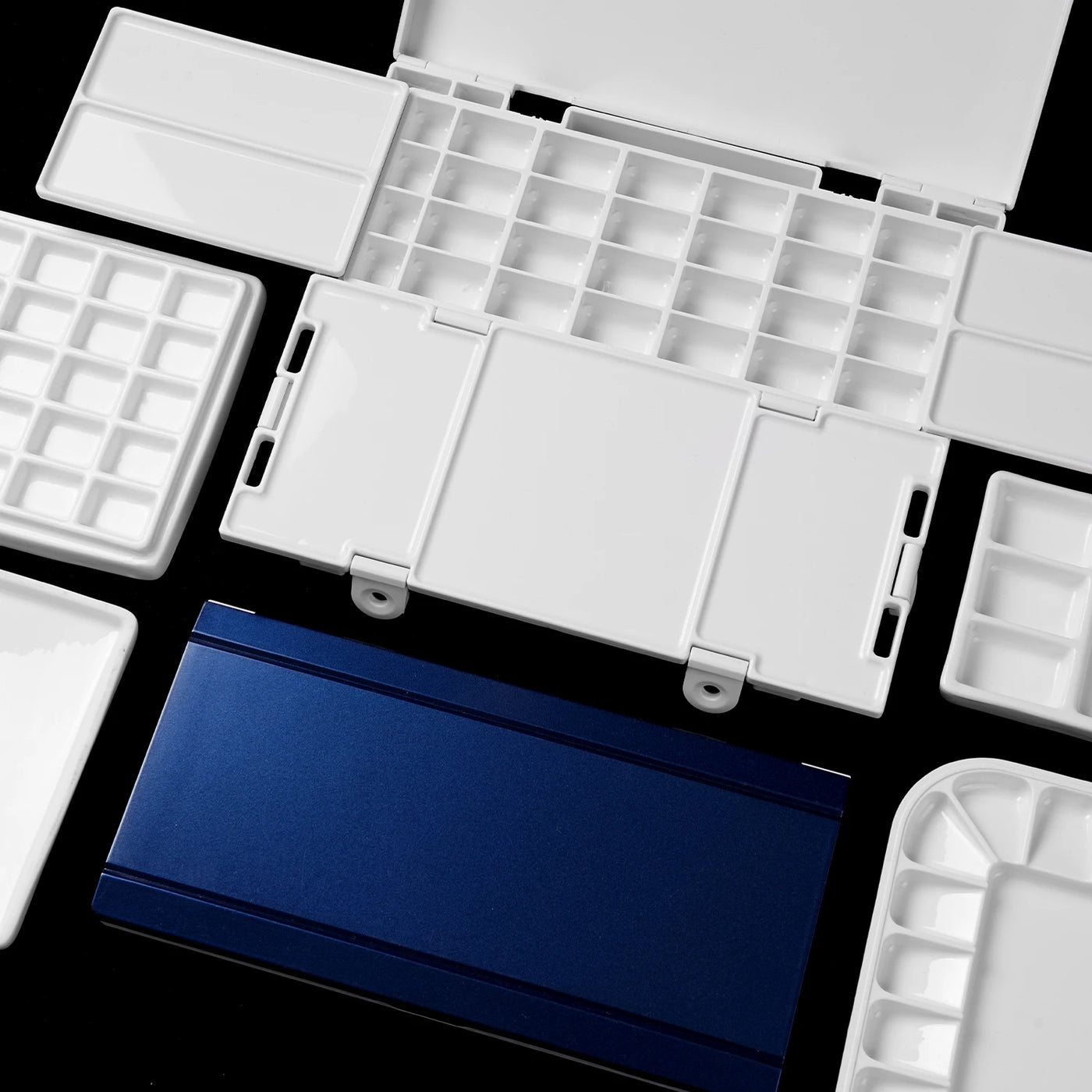
Ceramic Paint Palette: The Gold Standard

If you are a watercolorist or gouache enthusiast, porcelain is the peak of luxury. A ceramic paint palette is heavy, which means it won't slide around your desk while you’re loading a brush.
More importantly, the smooth, glazed surface prevents "beading." On plastic, water-based media tends to pull together in tight droplets. On ceramic, it spreads evenly, allowing you to see exactly how much pigment you have in your wash. Plus, they never stain. You can leave Phthalo Blue on a ceramic surface for a month, and it will wipe clean with a wet paper towel.
Plastic Paint Palette: The Budget-Friendly Workhorse
We all have a plastic paint palette or two. They are lightweight, nearly indestructible, and incredibly cheap. They are the perfect best palette for watercolor painting for students or outdoor "en plein air" sessions.

However, plastic is porous. Over time, staining (or "ghosting") occurs. If you’ve ever tried to mix a delicate yellow on a tray that’s permanently stained green, you know the struggle.
Glass Paint Palette: The Modern Studio Favorite
For oil and acrylic painters, a glass paint palette is a game-changer. Most pro-grade glass palettes are tempered and come with a neutral gray or white backing.
The real magic happens during cleanup. When acrylic paint dries on glass, you don’t need to scrub. You simply hit it with a little water and a razor blade scraper, and the dried paint peels off in one satisfying sheet.
Wooden Paint Palette: The Traditional Choice
The wooden paint palette is the iconic symbol of the artist. But it’s not just for looks. A seasoned, oil-rubbed brown paint palette provides a mid-tone background. This helps oil painters judge values more accurately than a stark white surface would. According to the Smithsonian Museum Conservation Institute, traditional materials like wood require specific seasoning to prevent them from soaking the oil right out of your paint.
Optimized for Your Medium: Watercolor, Gouache, Acrylic, and Oil
Every medium has a different "personality," and your painting palette needs to accommodate those quirks.
Watercolor & Gouache Paint Palette
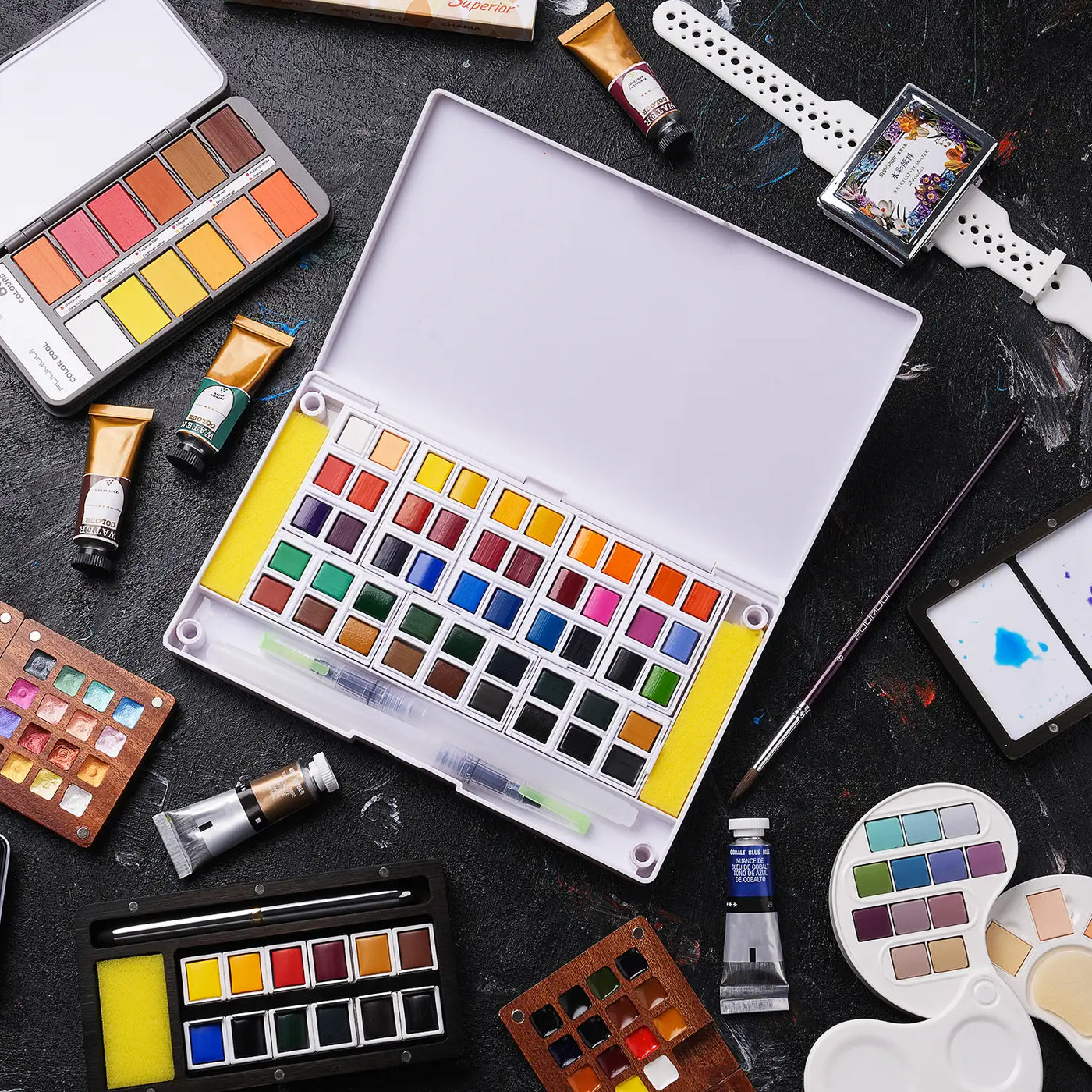
For fluid media, you need "wells." A paint palette tray with deep slanted wells allows you to create large batches of wash without the colors bleeding into each other. Look for a gouache paint palette that has an airtight lid; gouache can be re-wetted, but keeping it moist between sessions saves a lot of pigment.
Acrylic Paint Palette: Fighting the Clock
Acrylics dry notoriously fast. If you’re working in a dry climate, your paint can skin over in ten minutes. This is where a wet paint palette becomes essential.
A wet palette uses a sponge and permeable paper to hydrate the paint from underneath. It can keep your colors workable for days.
Pro Tip: If you aren't using a dedicated wet system, keep a fine-mist spray bottle at your elbow. A quick spritz every 15 minutes will keep your acrylic paint palette from turning into a graveyard of dried plastic.
Oil Paint Palette: The Value of "Coffee Color"
Oil painters often prefer a coffee color paint palette or a brown paint palette. Why?
Because most oil paintings are built on a toned canvas. If you mix your colors on a bright white surface, they will look much darker once you move them to your canvas. A neutral wood or gray glass surface helps you nail your values on the first try.
Size Matters: From Studio Trays to Travel Minis
I’ve seen artists try to use a massive 2-inch mop brush in a tiny paint tray palette. It’s like trying to park a truck in a motorcycle spot.
Large Studio Palettes
In the studio, space is king. A large art palette gives you room to "extrapolate" your colors. You can have your pure tube colors on the edges and a massive mixing zone in the middle to explore transitions. If you do large-scale work, don't skimp on size.
Mini Paint Palette & Pocket Kits

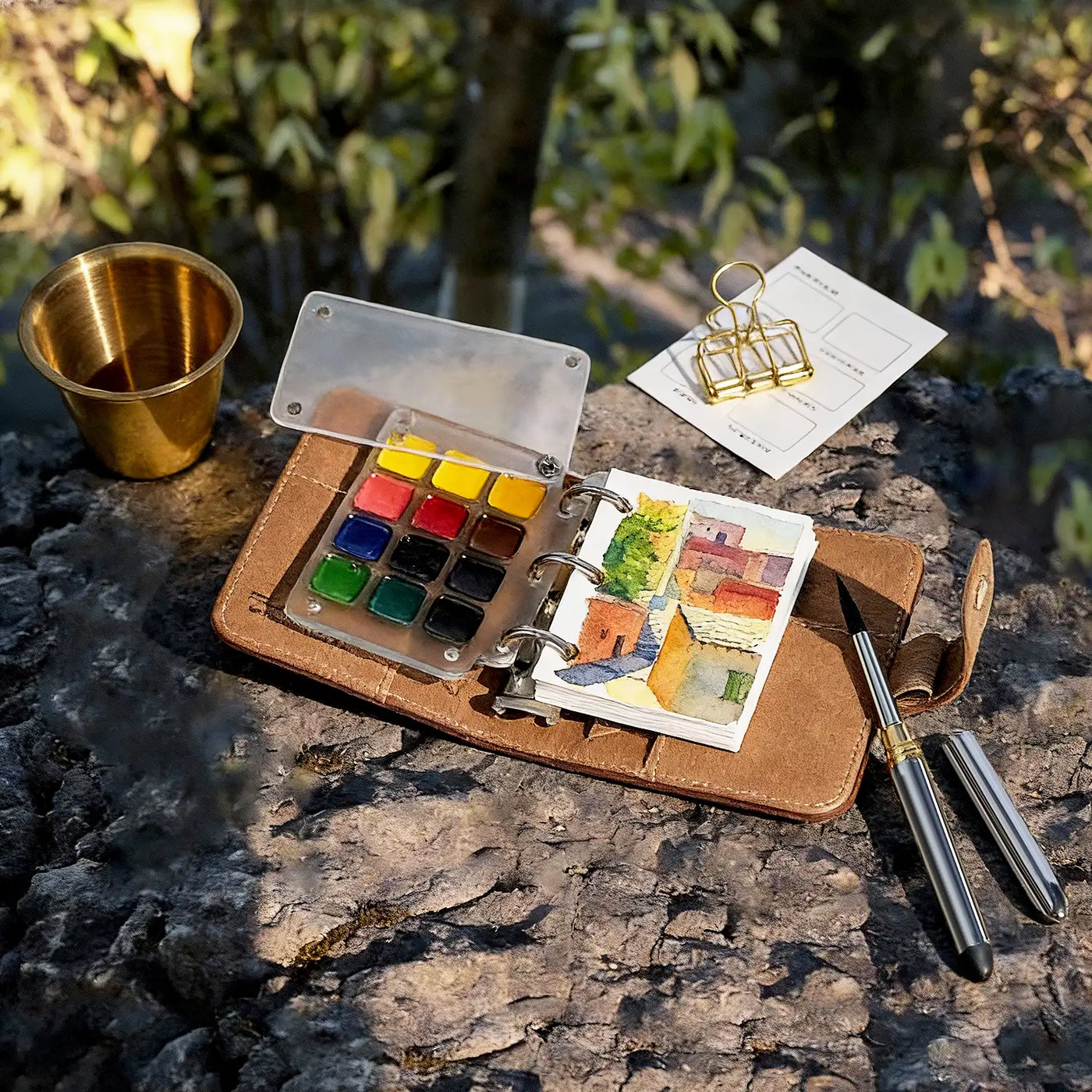
On the flip side, the "urban sketching" movement has made the mini paint palette incredibly popular. These are often the size of a credit card or a small tin. The key here is portability. You want something that fits in your hand so you can paint while standing in a park or sitting in a narrow cafe.
Shape and Ergonomics: Comfort During Long Sessions
If you are a "standing" painter, the shape of your artist paint palette is a health consideration.

- The Classic Kidney Shape: This isn't just a vintage aesthetic. The curve is designed to rest against your hip or forearm, while the thumb hole allows you to balance the weight across your hand rather than gripping it with your fingers. This prevents "painter's cramp" during four-hour sessions.
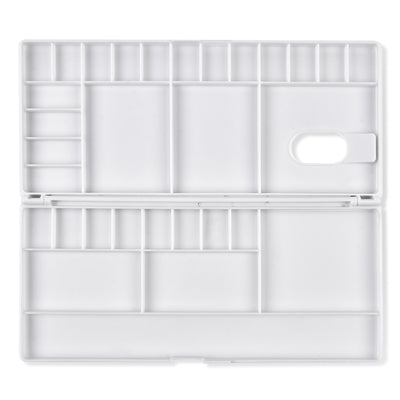
Fuumuui 플라스틱 페인트 팔레트 (뚜껑 포함) - 수채화 페인팅용
$15.99$13.99
- Rectangular vs. Circular: Rectangular palettes are usually better for desk use as they sit flush against your water jar or sketchbook. Circular trays are often harder to organize logically.
-
Staircase Designs: Some modern ceramic paint palettes feature a "staircase" or tiered well design. This is brilliant for keeping "dirty" mixing water from flowing back into your "clean" pigment wells.
Tonal Palettes: Using Color to Improve Accuracy
In recent years, we’ve seen a rise in the green paint palette and neutral gray palettes. This isn't just a fashion choice.
According to research from the National Endowment for the Arts, environmental color significantly impacts our perception of value and saturation. A gray artist palette prevents your eyes from getting "fatigued" by the glare of a white surface.
If you are painting a landscape, a green paint palette can actually help you see the subtle shifts in the foliage colors you are mixing. It provides a direct reference point for the dominant color of your piece.
Maintenance & Pro Tips: Keeping Your Palette Pristine

A dirty palette leads to muddy paintings. Period.
The Toothpaste Trick
New plastic paint palettes often have a chemical coating that causes watercolor to bead up. Take a little bit of non-gel white toothpaste and a scrubby sponge. Give the surface a light scrub. This "seasons" the plastic, creating a microscopic texture that helps the paint lay flat.
Cleaning Stains
If your watercolor paint palette looks like a tie-dye shirt, use a paste of baking soda and water. Rub it into the stains and let it sit for 20 minutes before rinsing. For stubborn acrylic stains on plastic, a little rubbing alcohol usually does the trick—just be careful, as alcohol can cloud some types of clear plastic.
The Acrylic Secret
Never leave acrylic paint to dry on a plastic palette if you can help it. Once it bonds, it’s often there for life. If you’re done for the day and have leftover paint, scrape it into a small airtight container or mist it heavily and cover it with plastic wrap.
Common Pitfalls and Artist "Lessons Learned"
- The "Airtight" Trap: Many artists buy airtight palettes thinking they can leave wet paint inside forever. In humid climates, this is a recipe for mold. If you see black or fuzzy spots in your watercolor wells, you need to bleach the palette and throw away the affected paint.
- Acrylic on Glass: While glass is great, don't leave "thick" acrylic skins on it for weeks. They can become brittle and harder to scrape off.
-
Mixing Mediums: Never use your oil wooden paint palette for watercolors. The oils trapped in the wood will repel the water, making it impossible to get a smooth mix.
4 Things to Consider When Choosing a Paint Palette
- Your Medium: Ceramic for watercolor/gouache; Glass or wood for oil; Wet palettes for acrylic.
- Your Location: Do you need a mini paint palette for travel or a heavy station for the studio?
- Your Mixing Style: Do you like to see every incremental change in a color (needs a large surface) or do you mix "on the fly"?
-
Cleanup Preference: Do you mind scrubbing (plastic) or do you want a 10-second cleanup (ceramic/glass)?
FAQs About Paint Palettes
Q1: What is the Best Paint Palette for Beginners?
A: For most beginners, a high-quality plastic paint palette with a lid is the best start. It’s affordable and allows you to experiment with different mediums without a huge investment.
Q2: Why Do Oil Painters Use Wooden Palettes?
A: Tradition and tonal balance. A wooden paint palette is light to hold and the brown surface helps oil painters see their mid-tones more clearly than a white background.
Q3: How Do I Keep Acrylic Paint Wet on a Palette?
A: Use a wet paint palette or a fine-mist spray bottle. Keeping the air around the paint humid is the only way to stop the evaporation process.
Q4: Can I Use a Plastic Palette for Oil Paint?
A: Technically yes, but be careful. The solvents used in oil painting (like mineral spirits) can melt or "pitting" certain types of cheap plastic over time.
Q5: How Do I Stop My Watercolor From Beading Up On a New Palette?
A: Scrub it with white toothpaste or a very mild abrasive cleaner. This breaks the surface tension of the new plastic.
Elevate Your Art with the Perfect Mixing Surface
Choosing the right palette—from non-staining ceramic to tonal wood—transforms your mixing experience. By matching material, size, and ergonomics to your medium, you gain total control over your pigments. Stop fighting stained plastic and start collaborating with your tools. Explore our premium collection of artist palettes to find the professional foundation your creativity deserves.

스튜디오에 이상적인 페인트 팔레트를 선택하세요. 내구성이 뛰어난 세라믹 페인트 팔레트 옵션과 가벼운 여행용 장비를 제공합니다. 워크플로우에 적합한 아티스트 페인트 팔레트를...


